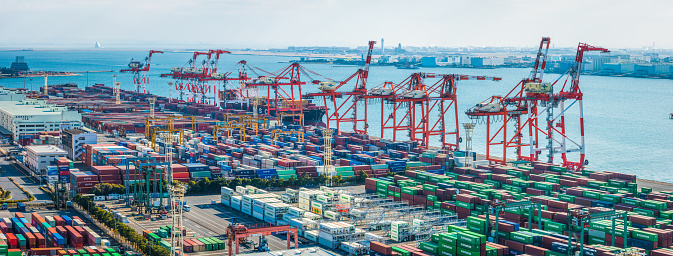
Major cocaine seizures in Spain, Portugal and Ecuador illustrate the European cocaine pipeline that has become a central part of the operations of Colombian drug traffickers, and could represent lucrative new opportunities for them to move further up the drug supply chain.
On January 17, Spanish and Portuguese police announced the seizure 745 kilograms of cocaine during the course of an operation against an international drug trafficking ring operating in both countries. Press reports indicated the network was led by Colombian nationals.
The group allegedly imported Colombian cocaine in shipping containers traveling from Panama to Portugal, and were in the process of trying to import 355 kilograms of cocaine stashed in hollowed-out pineapples.
According to police, the network transported the drugs to a stash house in Barcelona, and then on to several properties in Madrid, which were used as “laboratories,” presumably to cut the cocaine, and distribution points for sales within the city.
Police arrested nine people, among them at least three Colombians and a Venezuelan, with two Colombian brothers named as the alleged ringleaders. They also seized 400,000 euros ($490,000), two hydraulic presses, precision scales, three packaging machines and documentation related to fruit import companies, reported Catalonian newspaper La Vanguardia.
SEE ALSO: Coverage of European Organized Crime
In Ecuador, meanwhile, the Interior Ministry announced the seizure of 1.45 metric tons of cocaine hidden in a shipping container of frozen fish that was set to sail from the port of Guayaquil to Belgium.
According to the police, the drugs came from Colombia and comprised shipments from three different trafficking networks, with the packages marked with different images — some of Russian President Vladimir Putin, others of a chainsaw, and others of a bull.
Ecuadorean news outlet El Telégrafo reported that police have so far arrested just one person in connection with the seizure: the customs agent who completed the shipment’s paperwork.
InSight Crime Analysis
When it comes to the world’s largest cocaine market, today’s Colombian drug trafficking networks have been reduced to the role of wholesalers to Mexican cartels, who claim the biggest profits by controlling the movement of drugs into the United States, as well as wholesale distribution there.
However, in recent years, Colombian networks have been gradually making up for this shortfall in high-end drug trade profits by seeking out other markets — Europe in particular.
Read more
 AVISEUR INTERNATIONAL
Ping : NARCOTRAFIC: la filière européenne | Aviseur International