DEA may be losing the war on marijuana politics

DEAFor narcotics agents, who often confront hostile situations, Capitol Hill has been a refuge where lawmakers stand ready to salute efforts in the nation’s war on drugs.

Lately, however, the Drug Enforcement Administration has found itself under attack in Congress as it holds its ground against marijuana legalization while the resolve of longtime political allies — and the White House and Justice Department to which it reports — rapidly fades.

« For 13 of the 14 years I have worked on this issue, when the DEA came to a hearing, committee members jumped over themselves to cheerlead, » said Bill Piper, a lobbyist with the Drug Policy Alliance, a pro-legalization group. « Now the lawmakers are not just asking tough questions, but also getting aggressive with their arguments. »


To read:http://www.latimes.com/nation/la-na-0713-dea-20140712-story.html#page=2
00000000000000000000000

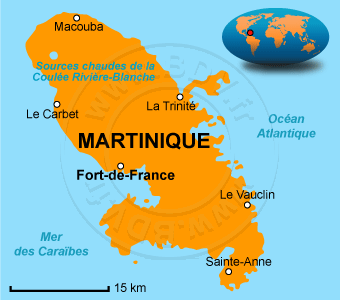
Martinique: sous surveillance et coincée avec de la cocaïne


carte-martiniqueJU. G.-D. Mardi 29 juillet 2014

Une jeune femme de 23 ans a écopé de dix-huit mois de prison pour la détention de 966 grammes de cocaïne.

Comme souvent durant les grandes vacances, le tribunal correctionnel de Fort-de-France voit défiler de nouvelles mules. Le 22 juillet dernier, la police arrête à l’aéroport Martinique Aimé-Césaire Esther C., une jeune Saléenne de 23 ans. Suite à un appel anonyme accusant la jeune femme de s’adonner à un trafic, cette dernière était étroitement surveillée par la police.
L’interpellation va s’avérer très concluante puisque dans sa valise on découvre 966 grammes de cocaïne.
Lors d’une perquisition chez elle, à Rivière Salée, les policiers tombent sur plusieurs boudins de farine. Technique utilisée par les mules pour se préparer à ingérer de la drogue. Mais Esther C. préfère la cacher dans ses bagages.
PEINE SÉVÈRE
Le profil d’Esther C. n’est pas différent des autres mules qui ont pu passer devant les juges. « J’ai beaucoup de problèmes dans ma vie » pleure-t-elle, à la barre. Une mère suicidée, mauvaises relations avec sa grand-mère à qui elle reproche le décès de cette dernière, pas de travail. Mais surtout de très mauvaises fréquentations l’ont amenée à prendre cette décision. Consommatrice de cannabis, elle a été abordée par un homme lors d’un sound-system à la mangrove du Lamentin où elle achète son herbe. Elle se confie à lui et lui raconte ses problèmes, notamment financiers. Ce dernier lui propose le transport de stupéfiants pour Paris. Elle accepte et réclame 3000 euros.
La procureure n’est pas attendrie par les explications d’Esther C. malgré sa coopération. Elle demande aux juges d’être durs en sollicitant dix-huit mois de prison. Me Chance, avocate du prévenu, dit être révoltée par les réquisitions du parquet. « Pourquoi est-ce à ma cliente de payer pour les trafiquants, libres, qui profitent de personnes fragiles ? » Elle souhaite du sursis pour la jeune femme qui n’a jamais été condamné avant. Elle n’est pas suivie du tribunal qui décide de suivre les réquisitions du ministère.
00000000000000000000000000000000

Belgique: plus de trois ans de prison pour 67 kilos de cocaïne

brugesinternet@lesoir.be (Avec les rédactions du Soir en ligne, du Soir, d’AFP, d’AP et de Belga)

Le tribunal correctionnel de Bruges a condamné un Serbe et un Espagnol à une peine de 37 mois de prison ferme pour leur implication dans un trafic de drogue. Début avril, 67 kilos de cocaïne avaient été retrouvés sur leur bateau de plaisance à Blankenberge. Le bateau du duo avait attiré l’attention des enquêteurs par ses nombreux trajets vers un plus grand navire.
Lors d’un contrôle, il est apparu que les comparses cachaient de la drogue dans le compartiment moteur, pour une valeur d’environ 3,5 millions d’euros.
00000000000000000000000000000000000

Drug dealer involved in £2m amphetamine plot as well as cocaine and cannabis rackets jailed for 15 years

Ruben Carroll’s brother arrested for contempt of court after foul mouthed tirade against sentencing judge

Ruben Carroll (also known as Ruben McKay), 28 years, of Hornby Road, Walton, was sentenced to six years nine months.

A drug dealer who led three separate plots to supply millions of pounds worth of amphetamine, £250,000 of cannabis, as well as heroin and cocaine was jailed.

Ruben Carroll, 28, also known as Ruben McKay, oversaw a street trade in class A drugs being sold by Merseyside criminals on the streets of Chester; ran four cannabis farms set up in Liverpool houses and sought out storage facilities for a multi million pound amphetamine trade.

Ian Harris, prosecuting, told Liverpool Crown Court how Carroll, together with Dean Burrows, 29, arranged for a large amount of raw amphetamine oil to be stored at a “safe address” in Whitewood Park, Aintree, in May last year.

Co-conspirators Mark Flood, 47, and Stephen Bennett, 51, were seen at that address moving two jerry cans full of liquid into a car and driving away.

When they were stopped on Longmoor Lane, Fazakerley, together with Burrows they claimed the liquid was detergent for a jet wash but a police dog indicated it was drugs and they were arrested.

The cans contained amphetamine oil of 7.6L at 25% purity and 0.68L at 57% which when processed into amphetamine powder could have been turned into more than 100kg of product worth up to £1m.

Carroll, of Waterloo Road, Vauxhall, was later seen removing packages from the Bad Format club on Trueman Street, in the city centre which was raided and 44kg of “damp” amphetamine also worth around £1m seized

Dean Burrows, of no fixed abode, was already serving time for his part running an amphetamine factory from a house in Dallas Grove, Aintree but faced additional charges relating to his wider involvement in the conspiracy.

The judge who originally sentenced him said that factory was “off the scale” in terms of the drugs it might have produced which was estimated as being worth between £2m and £12m.

Carroll was also being sentenced for his part in overseeing cannabis factories at houses on Owen Road, Aintree; East Lancashire Road, Croxteth; Anfield Road, Walton and Ellerslie Road, Tuebrook where around 14kg of skunk cannabis worth up to £279,000 was seized.

Carroll also had control of drug dealers who made early morning runs to sell cocaine and heroin in Chester.

Analysis of “graft” phones used in the operation revealed they took around 450 orders a week and made hundreds of pounds a day from addicts over the first three months of 2013.

When one dealer was arrested at 10am he had already sold all his drugs and had £230 hidden in his underpants which he told the police was “for safety reasons”.

Paul Edwards, 29, of July Road, Tuebrook, who was involved for a month was described as Carroll’s “trusted lieutenant”.

Frank Dillon, defending Carroll, said that while he was in a leading role it was as “the captain on the pitch, not the manager standing on the side lines not getting his boots dirty”.

He said Carroll, a father of two and former car valeter, had nine GCSEs and was a “caring parent”.

Carroll admitted conspiracy to supply class A drugs, cannabis and amphetamine.

Judge Robert Trevor-Jones told Carroll his position was made worse by the fact he had been conducting three separate and distinct drug plots at once and carried them on even as police were arresting his underlings.

He jailed him for a total of 15 years causing uproar from the public gallery with Carroll’s brother Lee being arrested for contempt of court after aiming a foul mouthed tirade at the judge.

Lee Carroll was later let off with a warning after apologising to the judge but was told he went “right to the edge”.

Dean Burrows had two and half years added to the six and a half year sentence he is already serving for the amphetamine conspiracy for a total of nine years.

John Liversedge, 63, of Canterbury Street, off Islington, who was the only defendant found guilty after trial was jailed for five and half years for helping with the bagging up of amphetamine at the Bad Format club.

Steven Bennett, of Fountains Close, Walton and Mark Flood, of Vescock Street, Vauxhall were each jailed for four and a half years after admitting conspiracy to supply cannabis.

Paul Edwards was jailed for three years for conspiracy to supply class A drugs.

SOURCE: http://www.liverpoolecho.co.uk/news/merseyside-drug-dealer-involved-2m-7536425

00000000000000000000000000000000000000000000

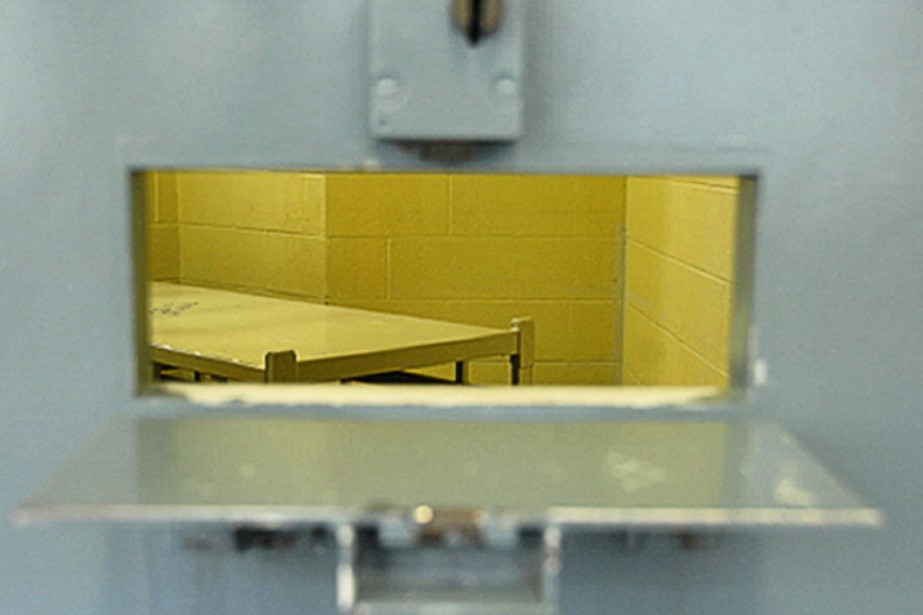
Pénitenciers fédéraux du Québec: 58% des prisonniers sont toxicomanes

penitenciersDans les pénitenciers surpeuplés, le sevrage provoque souvent des conflits et des batailles entre détenus, ou des agressions contre les agents correctionnels.

Plus de la moitié des détenus actuellement derrière les barreaux des pénitenciers fédéraux du Québec sont toxicomanes, révèlent des chiffres obtenus par La Presse. Un véritable cauchemar pour les agents correctionnels, qui doivent prendre en charge des criminels en sevrage forcé tentant par tous les moyens de faire entrer de la drogue ou d’en avoir sous la main.

PHOTO ARCHIVES LA PRESSE CANADIENNE

°°°°°°°°°°°°°°°°°°°°°°°°°°°°°°°°°°°°

Gabrielle Duchaine

Plus de la moitié des détenus actuellement derrière les barreaux des pénitenciers fédéraux du Québec sont toxicomanes, révèlent des chiffres obtenus par La Presse. Un véritable cauchemar pour les agents correctionnels, qui doivent prendre en charge des criminels en sevrage forcé tentant par tous les moyens de faire entrer de la drogue ou d’en avoir sous la main.

«C’est un problème complexe à gérer qui entraîne plus d’incidents et d’agressivité, et qui alimente toute une économie souterraine», explique le président pour la région du Québec du syndicat des agents correctionnels du Canada, Éric Thibault.

En tout, plus de 2300 criminels incarcérés et près de 1000 condamnés à des peines dans la collectivité ont une dépendance à la drogue, soit 58%. C’est ce que révèlent de récentes statistiques du Service correctionnel du Canada sur lesquelles nous avons mis la main en vertu de la Loi sur l’accès à l’information.

Dans des bâtiments surpeuplés, le sevrage provoque souvent des conflits et des batailles entre détenus, ou des agressions contre les agents.

«Imagine un gars en manque [de drogue] qui se retrouve dans un pavillon où il y a de la place pour 140 personnes, mais où il y en a 200… Les gens finissent par se tomber sur les nerfs», souligne M. Thibault.

Menaces, violence et drones

Dans les pénitenciers, la drogue est une denrée prisée et lucrative. Les détenus tentent par tous les moyens d’en faire entrer, certains par la force ou les menaces, d’autres grâce à la technologie.


000000000000000000000000000000000000000000

Woman Arrested At JFK Airport For Allegedly Smuggling Cocaine In Her Underwear

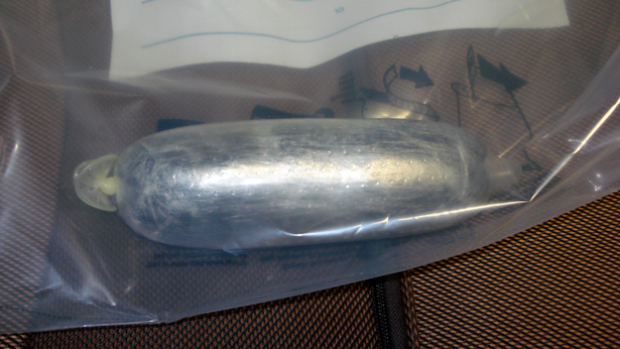
cocaineinunderwearNEW YORK (CBSNewYork) –  This is probably not Victoria’s Secret.

A woman returning from Jamaica was stopped by Customs and Border Protection agents at JFK airport on July 13, CBP said.

CBP officers noticed the handle rails of her luggage weren’t working properly, officials said.

Upon closer inspection, CBP officers noticed a white powdery substance in the rails which tested positive for cocaine, CBP officials said.

The woman was then searched, and officers found “an oval-shaped object wrapped in latex concealed in her groin area within her underwear,” CBP said.

The object contained a half pound of cocaine, officials said. Another 1.2 pounds was found in the luggage rails.

The cocaine had an estimated street value of $30,000.

The woman was arrested and faces federal narcotics smuggling charges.

source/ http://newyork.cbslocal.com/2014/07/30/woman-arrested-at-jfk-airport-for-allegedly-smuggling-cocaine-in-her-underwear/

000000000000000000000000000000

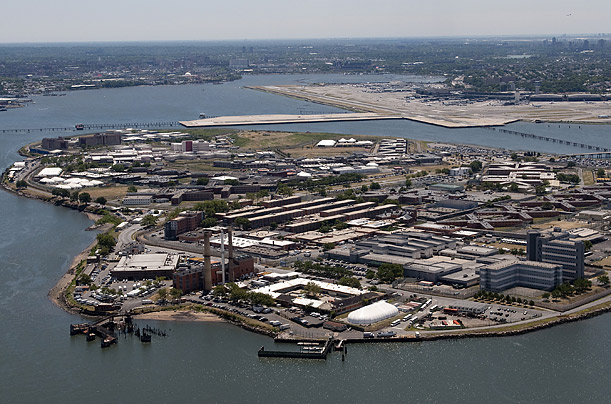
2 Correction Officers Accused Of Smuggling Drugs Into Rikers Island

rikers_01