Aviseur International renseigne, sans complaisance, sur la problématique de la drogue, du narcotrafic, de la corruption et sur les politiques mises en œuvre par les différents Etats et les dérives que s'autorisent les fonctionnaires des administrations — aviseurinternational@proton.me — 33 (0) 6 84 30 31 81
On aura mis un temps fou à comprendre la structure de cette toile d’araignée de trafiquants qui s’est déployée sur une bonne partie du Brésil. Mais aujourd’hui on en a une idée globale : c’était une fusée à plusieurs étages, bien compartimentée. En gros et tout d’abord des petits hélicos pour sortir la coke du Paraguay, elle-même venant de Bolivie par de petits Cessna, puis des transports-relais par bimoteurs à pistons choisissant de petits aérodromes discrets (ruraux) pour remonter dans le pays, et enfin les deux façons de faire quitter la coke du Brésil : les jets privés ou les containers sur cargos. Tout cela brassant des millions de reals voire de dollars, parfois retrouvés dans des valises, à bord des appareils, ou dans des coffres remplis à ras bord, dans des villas somptueuses : on a acheté ainsi en liquide les hélicoptères gros porteurs entrevus aux épisodes précédents !!!…
En tous les cas,Yanick Philipponnat, journaliste à Midi Libre consacre ce 25 avril 2023 un papier sur ce Héraultais incarcéré depuis juin 2021 et qui est remis en liberté deux mois avant son procès. Ce dernier conteste formellement être le chef d’un réseau international de drogue et affirme travailler pour les douanes. Reste à La Cour de cassation de statuer sur la requête en nullité pour « déloyauté ».
INTERVIEW d’Olivier par Marc Fievet en bas de page
Selon nos informations, le tribunal judiciaire de Montpellier a remis en liberté le 19 avril quatre individus soupçonnés d’un vaste trafic international de stupéfiants entre l’Espagne, l’Hérault, la Lozère et la région parisienne. Le tout, lors d’une audience relais, alors qu’ils seront jugés début juin, délai légal maximal avant lequel ils doivent comparaître.
Parmi eux, Olivier D., un Héraultais de 46 ans, désigné comme le chef du réseau par les enquêteurs et qui se retrouve au cœur d’un imbroglio judiciaire hors-norme. “Dédé” se présente ainsi comme un aviseur des douanes : ces personnes qui infiltrent la criminalité organisée pour devenir informateur contre rétribution. Ce que contestent les gabelous. Mais jusqu’à cacher son existence comme le soutient la défense ?
Tentative de meurtre, coke, blanchiment et cryptomonnaie
Quand l’affaire a éclaté, avec au départ une tentative de meurtre par arme à feu, les gendarmes de la section de recherches de Montpellier, au terme de plusieurs mois de surveillances, ont interpellé une quinzaine de suspects. Pour eux, Olivier D., surnommé également “l’ami”, sept condamnations au compteur, est à la tête d’un fructueux trafic de résine de cannabis et de cocaïne, si bien structuré qu’il irait jusqu’à blanchir des dizaines de milliers d’euros dans des sociétés immobilières en Espagne ou de la cryptomonnaie.
Des « informations prometteuses mais inexploitables »
« Les premières fois que l’on a dit qu’il était aviseur, ils nous ont ri au nez » déplore Me Luc Abratkiewicz, l’avocat du quadragénaire. Qui a, depuis un an et demi, multiplié les recours pour que les douaniers soient entendus. Sans succès, même si ces derniers ont fini par expliquer qu’ils avaient eu quatre rencontres avec Dédé. Mais ils le dénigrent : ses informations jugées « prometteuses » auraient été finalement « inexploitables ou fausses » de la part de celui qui est décrit comme un grand manipulateur et qui aurait seulement voulu éviter d’être interpellé.
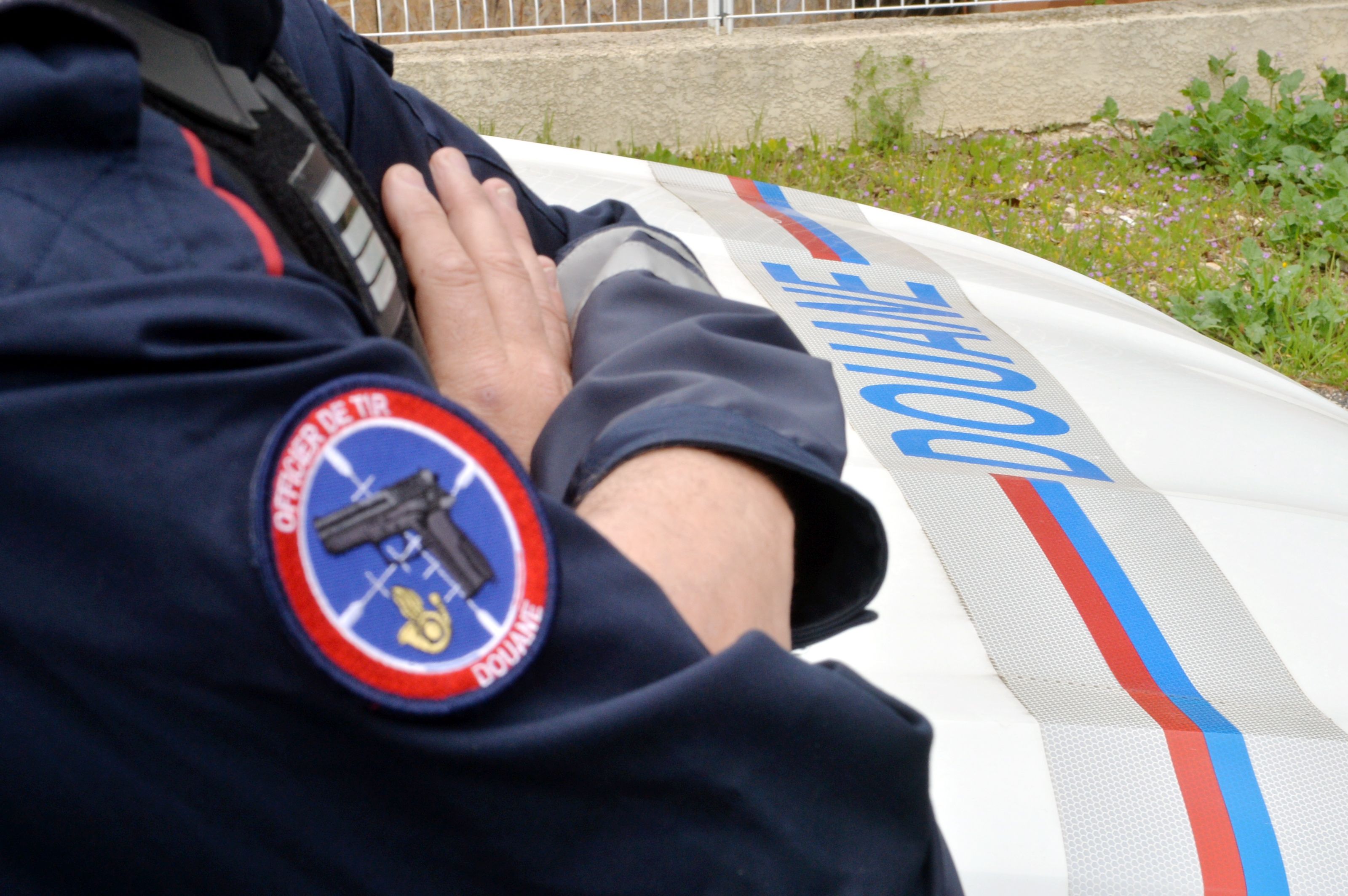
La juge d’instruction, elle, a apposé le “secret-défense” sur les identités des agents des douanes.
A la lecture de cet article, Aviseur international, toujours surpris de l’utilisation du ‘secret défense’ a réussi à interviewer Olivier.
Marc Fievet – Suite à l’article paru ce mardi 25 avril dans le midi libre concernant les faits pour lesquels vous aviez été incarcéré puis libéré qu’avez vous à dire ?
Olivier: comme ce que je dis depuis le début … j ai été recruté par la DOD (Direction des Opérations Douanières) pour enquêter sur l’OFAST (ex OCRTIS) et leurs informateurs en Andalousie, pas sur des trafiquants classiques . C’était la condition! Mon aide ponctuelle ne devait concernait uniquement que ces gens là qui font de l’incitation à l’infraction en organisant des remontées surveillées avec l’OFAST. J ai accepté de faire cela car un proche a été victime de ce système tout simplement.
Marc Fievet –Pouvez vous prouver ce que vous avancez ?
Olivier: tout à fait j’ai toutes les conversations avec la DOD le prouvant et j’ai proposé maintes fois à la juge d instruction de les lui donner, mais la vérité ne semble pas l’intéresser, elle veut juste me faire payer de m’être attaqué à un aussi prestigieux service de police .
Marc Fievet –Pourquoi les douaniers nient en partie les faits en disant que vous leur avez transmis que des informations inexploitables ?
Olivier: c’est totalement faux et je peux le prouver … Après ils m’avaient prévenu que leurs patrons n’assumeraient pas une nouvelle guerre des services comme à l’époque de l’OCRTIS et de François Thierry si j’étais découvert et ils m’ont tout simplement lâché !
Olivier: je n’ai jamais rien fait d illégal et j’ai toujours eu l’accord des douanes, avant, pendant et après ! Je ne mens pas et je tiens à préciser qu’il n’y a pas d’armes dans ce dossier; le seul revolver est en règle et il n’y a pas non plus de cryptomonnaie, ni de 350 kilos de cocaïne à Barcelone ! C’est grave de travestir la vérité à ce point ! Je ne m’appelle pas « l’ami » non plus et mon avocat Me Abratkiewicz a été menacé de 5 ans de prison juste parce qu il me défend. C’est hallucinant !Mais j ai confiance en la justice et je pense que si le président de la plus haute instance française s’est auto saisi du dossier ce n’est pas pour rien ! C’est très grave ce qui s’est passé et l’acharnement que j’ai subi pour m’être attaqué à ces gens là … Je veux juste que la vérité éclate et c’est bien parti pour …
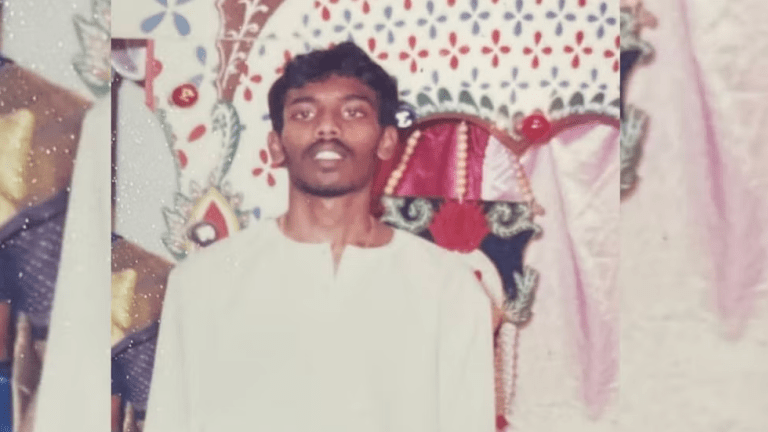
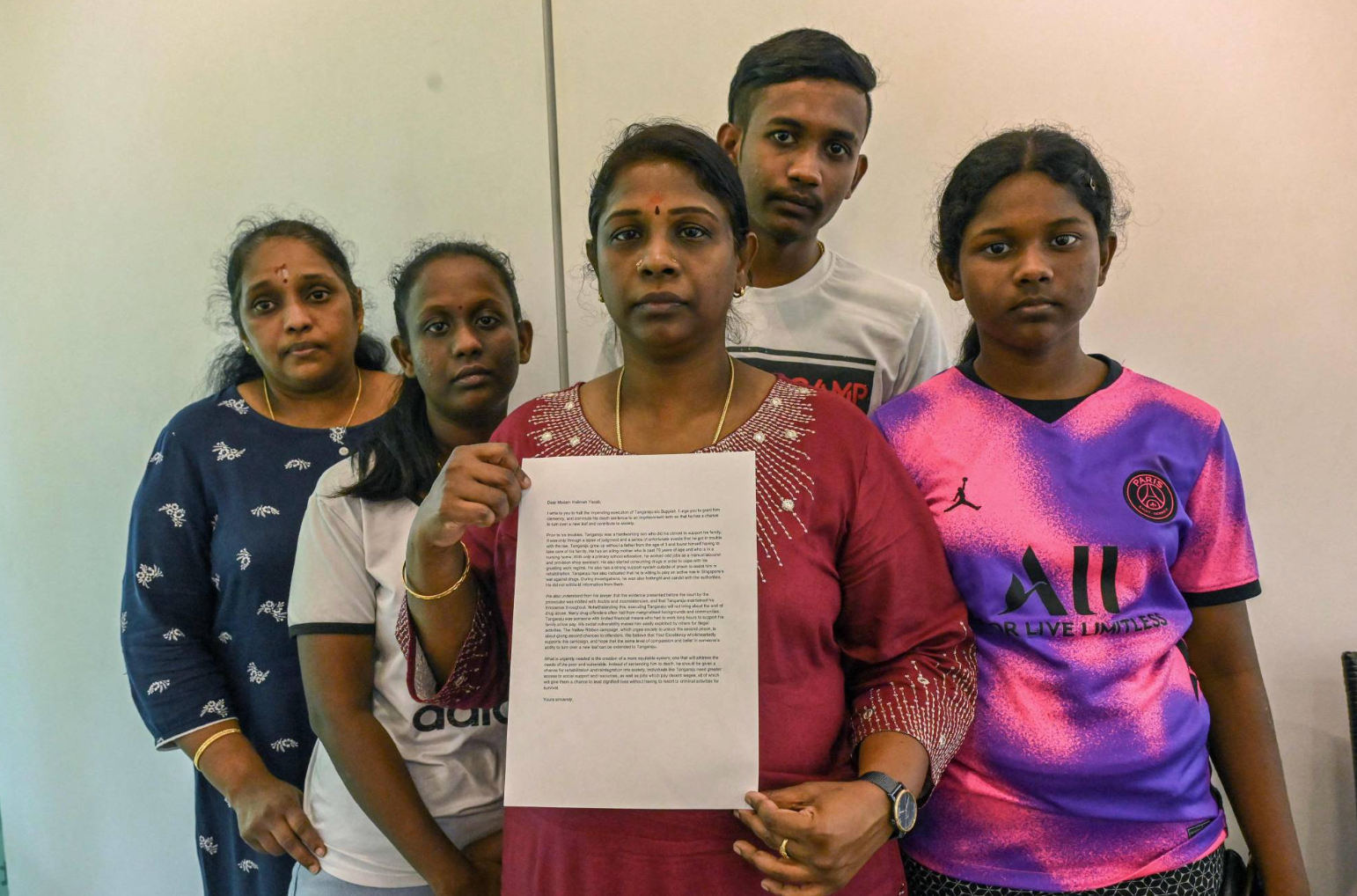
I have long spoken up against the death penalty and its continued use around the world. In the coming days, Singapore is planning to carry out yet another execution, a case as egregious as previous ones I have followed. If the state gets its way, Tangaraju Suppiah will be hanged on Wednesday at Singapore’s Changi Prison, convicted under more than dubious circumstances for conspiracy to smuggle about one kilo of cannabis.
In fact, Singapore may be about to kill an innocent man.
Tangaraju’s case is shocking on multiple levels. Singapore has a long and troubled history of executing drug offenders, following mandatory sentencing laws that proscribe the death penalty for certain threshold amounts of drugs. The country’s government has repeatedly claimed that its draconian laws serve as an effective deterrent of drug-related crime. However, Singaporean authorities have repeatedly failed to provide any tangible evidence for that assertion. Killing those at the lowest rungs of the illicit drug supply chain, often minorities living in poverty, is hardly effective in curbing an international trade worth hundreds of billions every year. Killing people for allegedly smuggling cannabis is particularly cruel and misguided, given that more countries are now introducing sensible drug policy by decriminalising and regulating both medicinal and recreational cannabis, using revenues to advance education, prevention, and harm reduction. From the vantage point of the Global Commission on Drug Policy, of which I am a member, Tangaraju’s execution will not make Singapore any safer than it already is, and it will do absolutely nothing to stop the flow of illicit drugs into the city state.
Equally, if not more disconcerting about this case is that Tangaraju was actually not anywhere near these drugs at the time of his arrest. This was largely a circumstantial case that relied on inferences. Investigators and prosecutors acted on the fact that his mobile numbers were stored on the actual drug traffickers’ phone, interpreting phone records and text messages as “proof” of his involvement. Tangaraju’s alleged co-conspirator – who was actually caught in possession of the drugs – pleaded guilty to a non-capital offence. The other three people connected to the case were “discharged not amounting to an acquittal” by the prosecution. Tangaraju himself has maintained his innocence from the very beginning of his ordeal.
In Singapore as in other countries, there is a high bar for criminal convictions, and the standard of proof required is to establish culpability “beyond a reasonable doubt.” Even setting aside my fundamental opposition to the death penalty and the grave injustice of killing people for non-violent drug offences, it appears to me that Tangaraju’s conviction didn’t meet that standard at all. Many observers have been shocked by how thin the evidence against him was and feel he should never have been charged, let alone convicted, to begin with. I agree.
No matter where one stands on the death penalty, if a criminal justice system cannot safeguard and protect those at risk of execution despite credible claims of innocence, the system is broken beyond repair. This is certainly true of the death penalty in the US, where nearly 190 people have been exonerated and freed from death row since 1976. It is also true in Singapore, where capital punishment has already been in the spotlight due to its disproportionate use on minorities, an obsession with small-scale drug traffickers, and the widely reported harassment of human rights defenders and capital defence lawyers.
I hope Singapore’s authorities will take a pause to review Tangaraju’s case and grant reprieve. Singapore is an otherwise wonderful country, so it’s very sad to see some of its policies harking back to colonialism, and even reminiscent of medieval times. The death penalty is already a dark stain on the country’s reputation. An execution following such an unsafe conviction would only make things worse.
°°°°
Ministry of Home Affairs’ Response to Mr Richard Branson’s Blog Post on 24 April 2023
Published: 25 April 2023
1. We refer to Sir Richard Branson’s blog post published on 24 April 2023, on the capital sentence on Tangaraju S/O Suppiah (“Tangaraju”), a convicted drug trafficker. We would like to correct some points made by Mr Branson.
Facts of the Case
2. Tangaraju, a 46-year old Singaporean, was convicted of abetting the trafficking of 1017.9 grammes of cannabis. The Misuse of Drugs Act provides for the death penalty if the amount of cannabis is more than 500 grammes. 1017.9 grammes is more than twice the capital threshold, and sufficient to feed the addiction of about 150 abusers for a week.
3. Mr Branson claimed that Tangaraju’s conviction did not meet the standards for criminal conviction and that “Singapore may be about to kill an innocent man”. This is patently untrue.
(a) Tangaraju’s case was tried before the High Court of Singapore. Upon examination of all the evidence, including Tangaraju’s defence, the High Court found that the charge against Tangaraju had been proven beyond a reasonable doubt.
(b) Upon Tangaraju’s appeal, the Court of Appeal affirmed the High Court’s findings and upheld the conviction against Tangaraju.
(c) Tangaraju was represented by legal counsel throughout the court process.
4. Far from the suggestion that Tangaraju was innocent because he was “not anywhere near the drugs at the time of his arrest”, the evidence clearly showed that he was the person coordinating the delivery of drugs, for the purpose of trafficking.
(a) Tangaraju was involved in a case with two others, where his phone numbers were used to communicate with the two others involved in the delivery of the cannabis.
(b) Tangaraju’s defence was that he was not the person communicating with the two others involved in the case. However, the High Court found Tangaraju’s evidence unbelievable, and found that he was communicating with the two others and was the one coordinating the delivery and receipt of cannabis to himself, through the two others.1
(c) The High Court also found that Tangaraju had an intention to traffic in the cannabis.
5. It is regrettable that Mr Branson, in wanting to argue his case, should resort to purporting to know more about the case than Singapore’s Courts, which had examined the case thoroughly and comprehensively over a period of more than three years. He shows disrespect for Singapore’s judges and our criminal justice system with such allegations.
Singapore’s Approach Towards Drugs and the Death Penalty
6. Despite multiple clarifications we have made previously, we note that Mr Branson continues to make sweeping assertions against Singapore’s approach on drugs, including the use of the death penalty on those who traffic in large amounts of drugs.
7. Singapore adopts a zero-tolerance stance against drugs and applies a multi-pronged approach to combat drugs. This includes having rehabilitation programmes for drug abusers and tough laws against drug traffickers, such as the death penalty for traffickers that traffic substantial amounts of drugs, which Singapore applies judiciously with stringent safeguards. The death penalty is an essential component of Singapore’s criminal justice system and has been effective in keeping Singapore safe and secure.
8. Mr Branson also said that Singaporean authorities have repeatedly failed to provide any tangible evidence for the effective deterrent of drug-related crime. This is untrue. We have repeatedly set out clear evidence of the deterrent effect of the death penalty in Singapore’s context, which Mr Branson seems to have conveniently ignored.2
(a) In the four-year period after the introduction of the mandatory death penalty for trafficking more than 500 grammes of cannabis, there was a 15 to 19 percentage point reduction in the probability that traffickers would choose to traffic above the capital sentence threshold.3
(b) Studies have also found that drug traffickers deliberately restricted the amount of drugs they carried in order not to exceed the capital sentence threshold. They were willing to risk imprisonment, but not the death penalty.4
(c) A 2021 study conducted in parts of the region outside Singapore, from where some of Singapore’s arrested drug traffickers have come in recent years, shows that most persons in these countries are deterred by the death penalty.5 87% believed that the death penalty makes people not want to traffic substantial amounts of drugs into Singapore, and 83% believed the death penalty is more effective than life imprisonment in discouraging people from trafficking drugs into Singapore.
9. As for Mr Branson’s other allegations about Singapore’s “disproportionate use [of capital punishment] on minorities, an obsession with small-scale drug traffickers, and the widely reported harassment of human rights defenders and capital defence lawyers” – these assertions are false. We have responded to the allegations before, and it is regrettable that he continues to assert these falsehoods.6
10. Singapore’s policies on drugs and the death penalty are derived from our own experience. Our approach has worked for us, and we will continue charting our own path according to what is in the best interests of Singaporeans. Mr Branson is free to advocate his beliefs for his own countrymen, but he should respect Singaporeans’ choice.
[1] Public Prosecutor v Tangaraju s/o Suppiah [2018] SGHC 279







 AVISEUR INTERNATIONAL