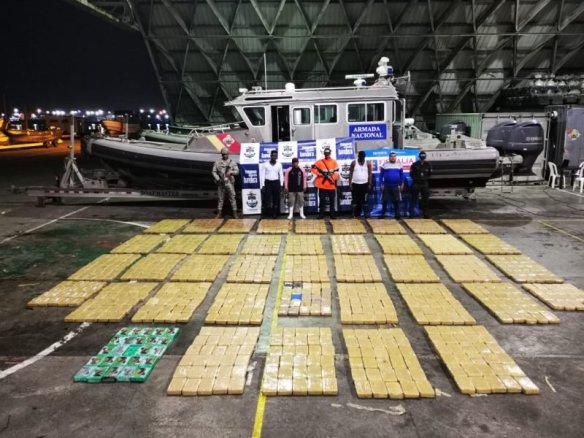
Los implicados fueron capturados cuando tripulaban un semisumergible y transportaba 41 costales que contenían una sustancia estupefaciente.
0000
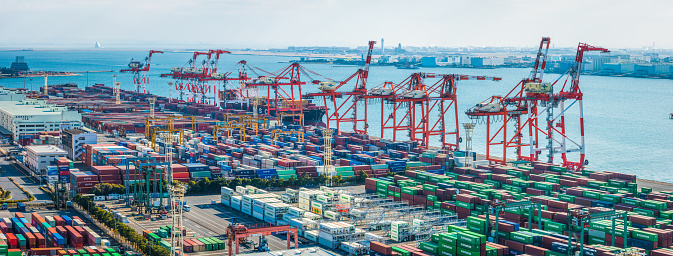
Los implicados fueron capturados cuando tripulaban un semisumergible y transportaba 41 costales que contenían una sustancia estupefaciente.
0000
0000
The Drug Enforcement Administration led a six-month international operation against the Jalisco New Generation cartel.
The cartel has become more powerful in the Chicago area over the past two years, according to a DEA intelligence report in November.
Jalisco New Generation and other cartels
continue to smuggle large quantities of heroin and fentanyl into Chicago, the DEA report said. The DEA also is watching for an uptick in
cocaine shipments to Chicago based on increased levels of cocaine cultivation in South America, according to the report.
Jalisco New Generation has elbowed its way into the Sinaloa cartel’s near-monopoly over supplying illicit drugs to Chicago in recent years as a result of Sinaloa’s infamous boss Joaquin “El Chapo” Guzman being prosecuted and imprisoned last year.
Federal prosecutors in Chicago were responsible for much of the evidence used against Guzman during his trial in New York.
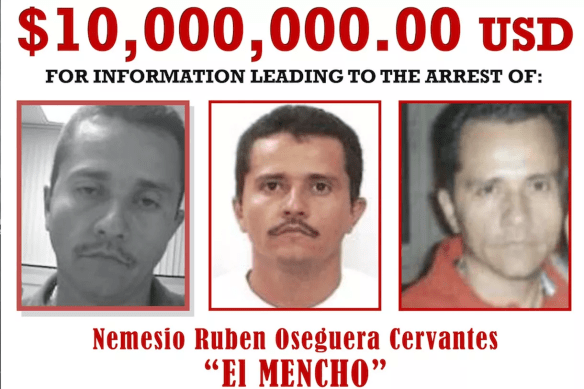
Nemesio Oseguera Cervantes — known as El Mencho — is the head of Jalisco New Generation, according to the DEA. The State Department has a $10 million bounty for the arrest of the shadowy drug lord.
His son and daughter have been arrested and are in federal custody in the United States on charges related to the cartel’s activities.
In Chicago, Diego Pineda-Sanchez was sentenced to 15 years in federal prison in 2018 for laundering money for El Mencho and other drug kingpins.
Pineda-Sanchez collected money from El Mencho’s customers, converted the cash into scrap gold from Chicago jewelry stores and shipped the metal to Florida. Money from selling the melted gold was then wired to the cartel in Mexico, the feds say.
Other Mexican drug cartels active in the Chicago area include Guerreros Unidos, Beltran-Leyva and Gulf, according to the DEA.
0000
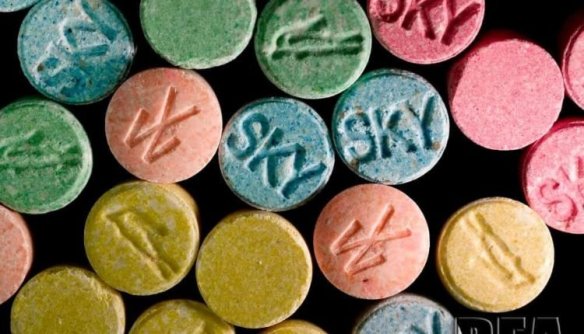
2019 a été la pire année à ce jour pour la Thaïlande en ce qui concerne la contrebande de MDMA, communément appelée « ecstasy », principalement en provenance d’Allemagne 🇩🇪, du Portugal 🇵🇹, de France 🇫🇷, des Pays-Bas 🇳🇱, de Belgique 🇧🇪 et de Slovénie 🇸🇮.
L’Office thaïlandais de contrôle des stupéfiants (ONCB) indique que depuis octobre, de nombreuses saisies concernaient des pilules d’ecstasy provenant de syndicats de la drogue aux Pays-Bas, ce qui indique des tentatives d’élargissement des marchés en Thaïlande.
Les gangs de trafiquants tentent maintenant d’élargir leur réseau et de distribuer la
drogue dans d’autres provinces, telles que Phuket, Surat Thani, Bangkok, Pattaya City et Chon Buri.
L’année dernière, les autorités ont saisi 230 544 pilules d’ecstasy, connues localement sous
le nom de « ya E », soit le plus grand nombre en cinq ans.
0000
El narcotráfico está prácticamente paralizado a causa de la pandemia de coronavirus.
La venta al “menudeo”, a los consumidores, se ve dificultada por el cierre de los locales donde habitualmente se vendía y por el hecho de que las calles están prácticamente vacías y es más fácil detectar este tipo de actividades que en otros momentos. Se da por hecho que el precio de las sustancias estupefacientes ha subido por el mayor riesgo que corren los que trafican con ellas.
0000
 AVISEUR INTERNATIONAL