UK 🇬🇧 : the NCA has begun an investigation following the discovery of almost a tonne of what is thought to be cocaine at two locations on the East Sussex coast

consignments of drugs on the beachTwo separate consignments of packages, all in waterproof bags and attached to life jackets to make them float, were located on beaches near Hastings and Newhaven yesterday (24 May). Passers-by made the discovery and alerted Sussex Police, who removed the drugs from both beaches and took them to a secure location.

NCA officers have now opened an investigation into the seizures, which are being linked.

Samples taken from the load have tested positive for cocaine, though a full forensic examination will now be carried out.

The combined weight is thought to be around 960 kilos, which if cut and sold on the streets in the UK would have had an estimated street value of around £80 million.

Martin Grace, NCA Branch Commander, said:

“This is a significant amount of class A drugs which we think originated in South America, but we are keeping an open mind about how the drugs washed up here and where the end destination might have been.

“Clearly though losing a consignment of this size this will represent a significant hit to the criminal networks involved.

“Our investigation is being assisted by both Sussex Police and Border Force, and is also likely to involve international partners.”

25 May 2021

source

000000

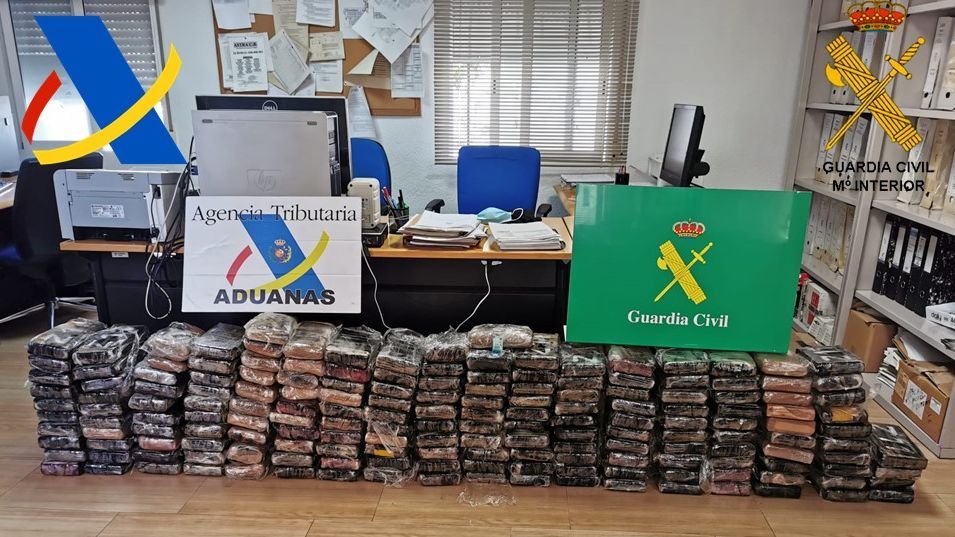
ESPAÑA 🇪🇸 (Puerto de València) : Vigilancia Aduanera y la Guardia Civil localizaron 175 kilos de cocaína en un contenedor que llegó de América Central

La aprehensión, este lunes, de 175 kilos de cocaína en el Puerto de València enviados por el método del ‘gancho perdido’ eleva a casi dos toneladas la cantidad de esta droga detectada y confiscada en los muelles valencianos desde que dio comienzo el año, lo que refrenda que esa sigue siendo una de las vías preferidas por los narcos para introducir grandes cantidades del llamado polvo blanco desde Suramérica a Europa utilizando València como puerta de entrada hacia Europa desde hace más de una década.

La última intervención se produjo en la madrugada de este lunes, según ha informado la Comandancia de la Guardia Civil de València, y, como en los casos anteriores, ha sido posible gracias al trabajo de la Unidad de Análisis de Riesgo (UAR) de la Aduana Marítima de València, integrada por miembros de Vigilancia Aduanera y del Resguardo Fiscal de la Guardia Civil.

leer mas

000000

COSTA RICA 🇨🇷 (Organismo de Investigación Judicial) : desarticulan banda que enviaba cocaína a Europa en contenedores

San José, 25 may (EFE).- Las autoridades de Costa Rica informaron este martes que desarticularon un grupo criminal dedicado a traficar cocaína hacia Europa por medio de contenedores que salían desde el Puerto Moín, en la provincia de Limón (Caribe).

La Fiscalía Adjunta contra el Narcotráfico y Delitos Conexos detalló que dirigió 40 allanamientos en las ciudades de Limón (Caribe), Heredia, San José, Alajuela y Cartago, en el centro del país.

Hasta este momento, hay 21 personas detenidas, quienes son sospechosas de traficar cocaína procedente desde Suramérica, almacenarla en diversas propiedades y exportarla hacia Europa.

Según la investigación realizada en conjunto con el Organismo de Investigación Judicial (OIJ) y que inició en 2018, se indaga a 40 personas, entre ellas los líderes de la organización identificados con los apellidos James Wilson y Cartín Ceba.

« Cabe destacar que el grupo criminal al parecer habría logrado desarrollar su empresa delictiva gracias a que en apariencia manejaba el ilícito de manera directa en cada uno de los pasos desde la adquisición de la droga con los productores en Colombia, hasta la coordinación del grupo logístico y de Legitimación de Capitales en Costa Rica, así como sus socios en Europa« , cita el reporte del OIJ.

leer mas

FRANCE 🇫🇷 (Gard – Surv de la Douane – BSI) : un conducteur interpellé par les douaniers avec 270 kg de résine de cannabis

Le suspect a été remis à l’antenne marseillaise de l’office anti anti-stupéfiants (Ofast)… comme toujours.

Lire

0000

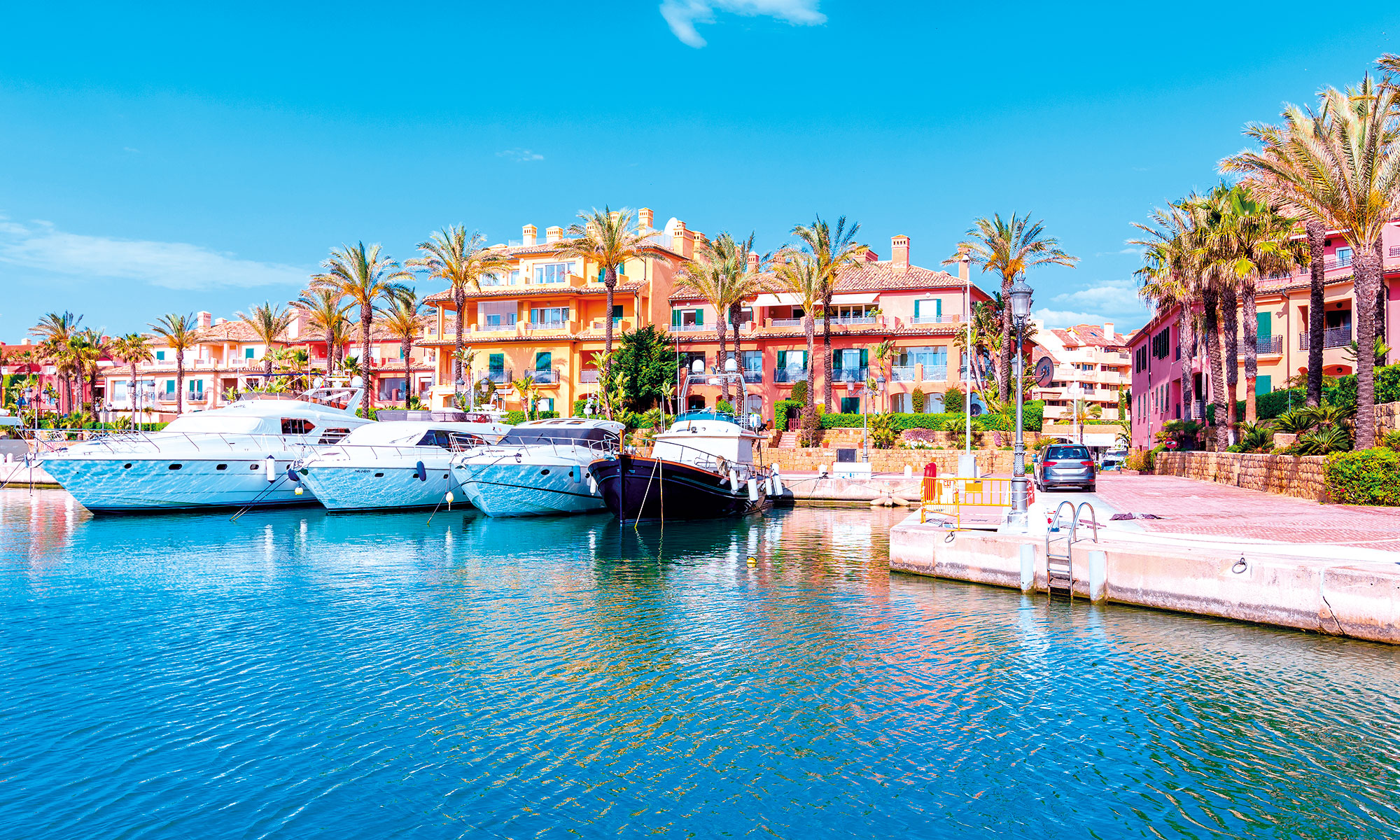
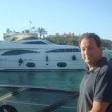
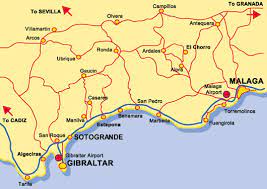
SPAIN 🇪🇸 (Sottogrande) : Robert Mark Benson was said to use his ‘extensive nautical knowledge’ to transport drugs from Africa


Robert Mark Benson, ex-British Navy submariner, was alleged to have links with criminal gangs in Ukraine and the UK

Spanish police have arrested a British former Navy sailor on suspicion of running a « highly professional » drugs trafficking operation with links across Europe. …

read more

000000

BRÉSIL 🇧🇷 (port de Salvador) : les douaniers brésiliens saisissent environ 637 kilos de cocaïne en route vers Anvers en Belgique

Environ 637 kg de cocaïne ont été saisis lundi 24 mai, dans le port de Salvador, lors d’une opération de « Receita Federal » en collaboration avec la Police Fédérale.

La cargaison de coke se trouvait à l’intérieur d’une cargaison de rouleaux de polymère – matériau utilisé pour emballer les marchandises – qui devait être chargée sur un navire avec destination finale le port d’Anvers, en Belgique.

Cerca de 637 kg de cocaína são apreendidos no porto de Salvador — Foto: Divulgação/Receita Federal

source et plus

000000

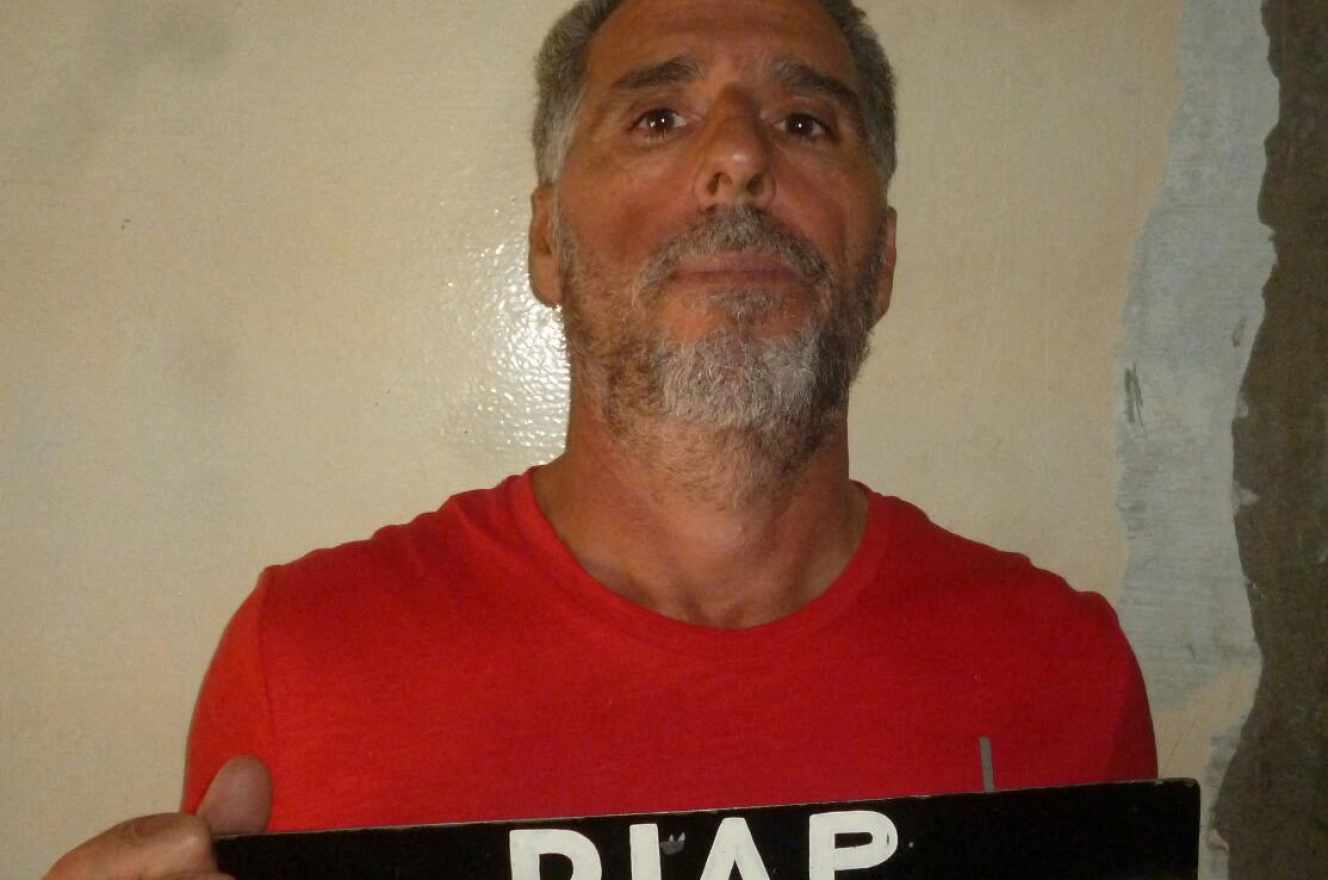
BRÉSIL 🇧🇷 (Joao Pessoa) : en cavale, Rocco Morabito de la ’Ndrangheta a été repris par la Police fédérale brésilienne

L’Italien Rocco Morabito, lors de son arrestation à Montevideo, en Uruguay, le 5 septembre 2017.

L’un des délinquants les plus recherchés par l’Italie, mais aussi par les autres pays du monde, va retrouver la case prison. Le chef mafieux italien Rocco Morabito, trafiquant de drogue en cavale depuis sa fuite d’une prison uruguayenne en juin 2019, a été capturé lundi dans la ville de Joao Pessoa, dans le nord-est du Brésil.

Considéré comme le patron de la ‘Ndrangheta, la mafia calabraise, il a été appréhendé « avec un autre fugitif italien », dont l’identité n’a pas été révélée, à la suite d’une « enquête conjointe entre le Brésil et l’Italie », a affirmé la Police fédérale brésilienne (PF).
SOURCE
plus

FRANCE 🇫🇷 (Surv de la Douane – DR de Perpigan) : ni facture, ni CMR pour justifier le transport des 900 kilos de cannabis

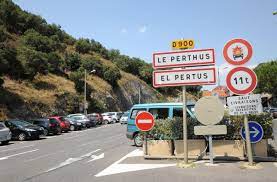
En embuscade ou en contrôle aléatoire dans les Pyrénées-Orientales au Perthus, les douaniers de la BSI ont saisi lundi 17 mai 900 kg de résine de cannabis et 60 kg d’herbe.dans un poids lourd, dissimulés au milieu d’une cargaison de citrons.


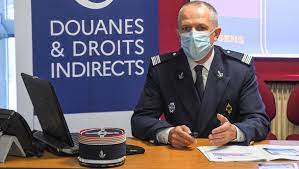
Le directeur des douanes de Perpignan Benoît Godart

Le conducteur roumain interpellé a été condamné vendredi à cinq ans de prison, à 10 ans d’interdiction du territoire et à 1,5 million d’euros d’amende…qui ne sera jamais payée.


000000

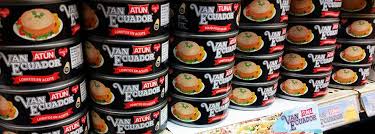
ÉQUATEUR 🇪🇨 (port de Guayaquil) : saisie de plus de 3 tonnes de cocaïne au départ pour le Royaume Uni 🇬🇧 avec des cargaisons de conserves de thon

Les opérations ‘impacto 376 et 377’ se sont déroulées dans l’un des terminaux maritimes de Guayaquil, dans la province de Guayas.

Lors de l’opération «Impacto 376», les autorités ont localisé 35 sacs de jute contenant 2 035 blocs en forme de brique contenant un total de 2 020 kilos de cocaïne.
Lors de la deuxième opération «Impacto 377», menée dans le secteur de la zone 8 du port de Guayaquil, après inspection d’un conteneur, les policiers ont trouvé 1 345 kilos de cocaïne.

L’Équateur est le second producteur mondial de thon

source

000000


ESPAGNE 🇪🇸 (Andalousie) : depuis plus de 30 ans, les structures mises en place, la logistique criminelle, les contacts et ramifications avec différents services spéciaux sont toujours d’actualité

NARCOTRAFIC : le trombinoscope des années 90

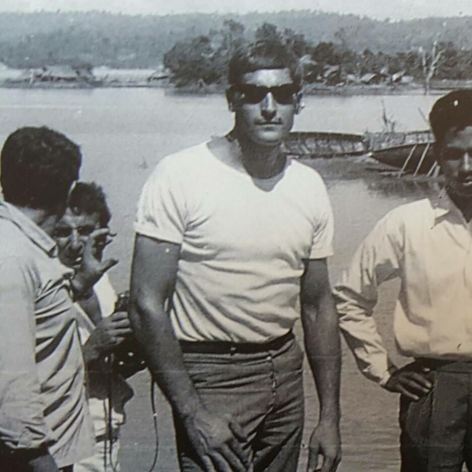
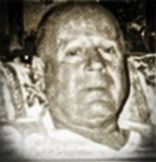
Carlos Gaston Ferran, dit « Le Grand »

ICI lors d’un séjour en Algérie dans sa jeunesse.


Jean Gilbert Para, un proche collaborateur de Charles Ferran, disparu le 11 mai 2002, dans la région de Ronda en Andalousie. (Son 4X4 a été retrouvé criblé de balles!)

Il était copropriétaire avec Carlos Ferran, Edouard ´Doudou´ Mari-Chica et Abdel Omar (Adiel OUANOUGLU) »Le Chacal » du ´My Lady Palace´ y ´Play Boy´ de Marbella et d’autres établissements similaires à Torremolinos et Benalmádena. Il gérait aussi un restaurant Plaza del Socorro à Ronda.


Adiel OUANOUGLU ou Abdel OMAR, dit « Le Chacal ».

enregistré par les autorités françaises de la DNRED et de l’OCRTIS

« C’est un personnage qui a fait bénéficier la DNRED (Direction nationale du renseignement et des enquêtes douanières, NDLR) comme d’autres services français d’un carnet d’adresses très étoffé« , expliquait Jean-Michel Pillon, chef de bureau au sein de la direction des douanes lors d’une audition devant la brigade financière en mars 2016

°°°°°°°°°°°°°°°°°°°°°°°°°°°°

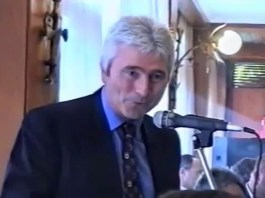
Alain David Benhamou dit ´Doudou´ Mari-Chica

Le beau-frère de Carlos Ferran

ici à Marbella


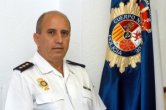
Ricardo RUIZ COOL, commissaire de Police à Estepona (Andalousie) dans les années 90, chargé de la sécurité des GAL sur la Costa del Sol, était un contact très proche de Carlos Ferran. Il mettait à sa disposition le fichier de la Police Nationale espagnole et sécurisait les rendez-vous de Carlos Ferran avec Rafael Vera, le ministre espagnol de la sécurité.

Son adjoint à Estepona, Florentino Villabona Madera pourrait, j’en suis certain nous parler de cette grande époque, s’il n’est pas frappé d’amnésie sélective. Aujourd’hui, il est « Director Adjunto Operativo (DAO) de la Policía »!


Le GAL

fg-vera-barrionuevo

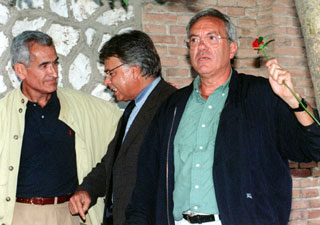
Felipe Gonzalez (au centre), le fondateurs du GAL et ses meilleurs collaborateurs Rafael Vera (à gauche) et José Barrionuevo.

°°°°

ESPAGNE (les années sombres du terrorisme et du narcotrafic d’Etat): retour sur les cloaques de Felipe Gonzalez, José Barrionuevo, José Luis Corcuera, Rafael Vera et des mercenaires du GAL

LIRE: NARCO-TERRORISMO (G.A.L.): los mercenarios de la OAS en España.

ET aussi: l’histoire du GAL

°°°°°°°°°°°°°°°°°°°°

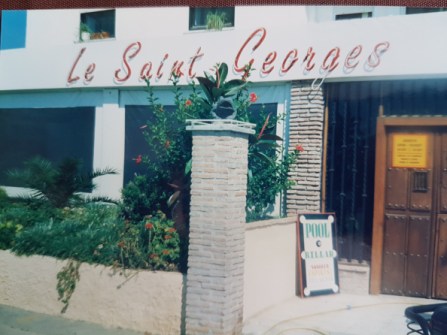
La DNRED était copropriétaire de ce restaurant en bordure de mer à Estepona avec Marc Fievet

Lire plus :
DOUANE FRANÇAISE : quand la DNRED tenait un restaurant à Estepona en Andalousie

000000

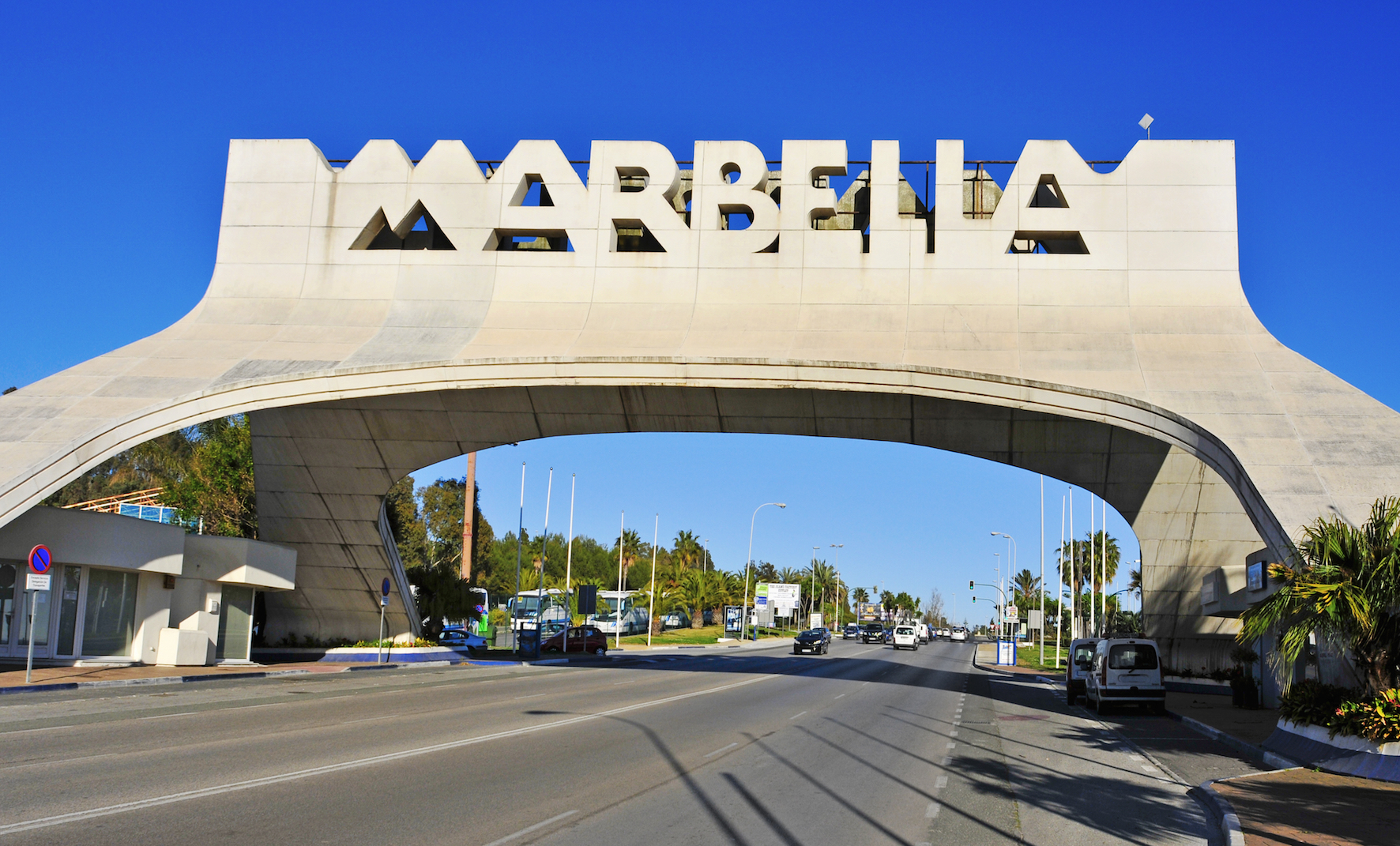
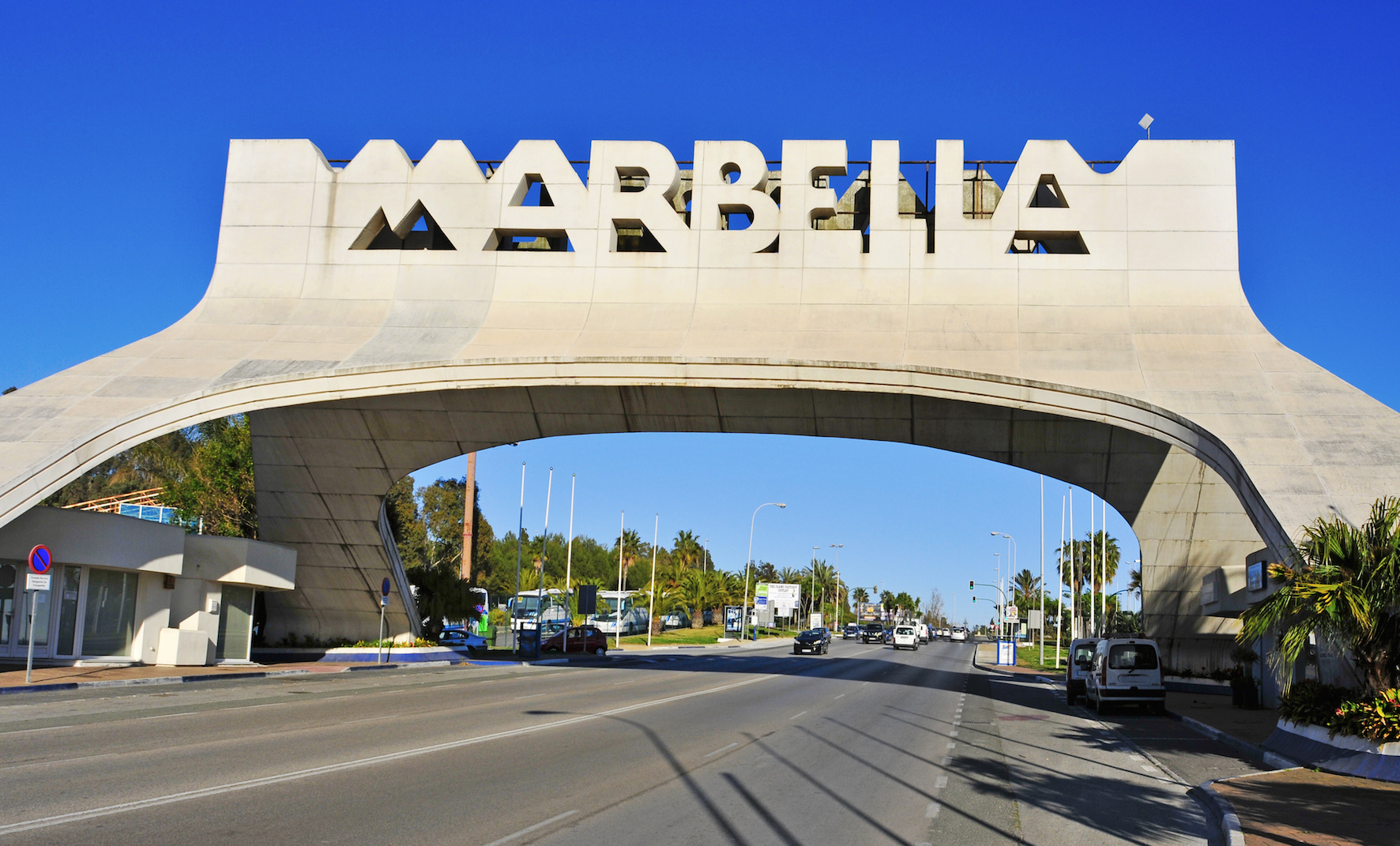
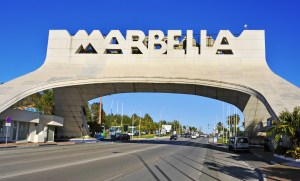
SPAIN 🇪🇸 (Marbella) : the Costa del Sol is home to more than 100 different criminal organisations

They range from extremely powerful, tightly structured mafias, like the Serbian, Morrocan and Dutch groups, to gangs of small-time burglars. Most groups specialise in one or more of the various activities that revolve around trafficking drugs: buying merchandise, protection and security, transportation, distribution, money laundering. Almost none of these groups can manage the whole process by themselves, which makes collaboration essential.

A prosecutor in the region put it like this: “Anyone who thinks that the criminal organisations are the same as they were before – structured like a pyramid, managing every aspect of the business – well, they’re wrong. It’s not like that any more. It’s a lot more like in the TV series ZeroZeroZero, where everyone has to form alliances and each group takes on certain things. They’re not cartels, they’re service providers: it’s the Uberisation of organised crime.” Because of this, there’s also no division of territory. “It’s not possible to make a map, like they’ve done, for example, with Mexico,” he says. “Instead, you’d have to make a diagram that reflects the division of labour, the different roles and activities of each organisation.”

The groups in Costa del Sol, said one Marbella-based drug trafficker, “are talking with each other all day long, asking each other questions”. Everyone knows everything, he said, “and almost everyone knows each other”. Meetings take place in discreet locations: shopping centres, fast-food restaurants or parks, or during a stroll through a public garden in a luxury development.

While there might not be any clearly marked territories on the Costa del Sol, each group has its own stomping grounds – the businesses and other locations they frequent and control. And it’s important, the trafficker said, sipping his drink, that everyone knows the rules. “If a Brit walks into an Albanian gym, for example, he’s gonna have a problem.” The Irish have their own pubs in Puerto Banús; the Moroccans have their own bars, where there’s no (public) alcohol consumption but they smoke shisha; the Colombians hang out at the shopping centres; the Camorra have their pizzerias, and there are specific hotels for English gangsters. The police know a lot of these places by name.

Beyond its own frontiers, Marbella is inextricably linked to Dubai by crime.

Most of the area’s criminal groups live between these two cities. “Dubai is like Marbella but with no rules and no law,” said one high-level Costa del Sol criminal. “It’s extremely rare for them to arrest anyone there. It’s only happened a few times, and always for some underlying political reason. Most of the top bosses live there, and then they spend the summer in Marbella. The soldados go to Dubai when they feel like they’re under surveillance. We’re protected there. There’s no extradition.”

read more
000000
FRANCE 🇫🇷 (SURV de la Douane – BSI de Montbéliard) : les douaniers du Doubs saisissent 400 kg de cannabis sur l’A36

Le contrôle s’est déroulé sur l’aire du Charme, le long de l’A36 dans la nuit de jeudi à vendredi et plus de 400 kg d’herbe de cannabis ont été découverts dans un ensemble routier en provenance d’Espagne.

Source

0000

FRANCE 🇫🇷 (Nancy) : trafic de stupéfiants démantelé à Laxou, 17 personnes en garde à vue

Bilan de cette opération : 17 gardes à vue, 19.5 kg d’héroïne, 400 g de cocaïne, 4.7 KG de cannabis, 87.000 euros et six armes à feu saisies.

Source

0000

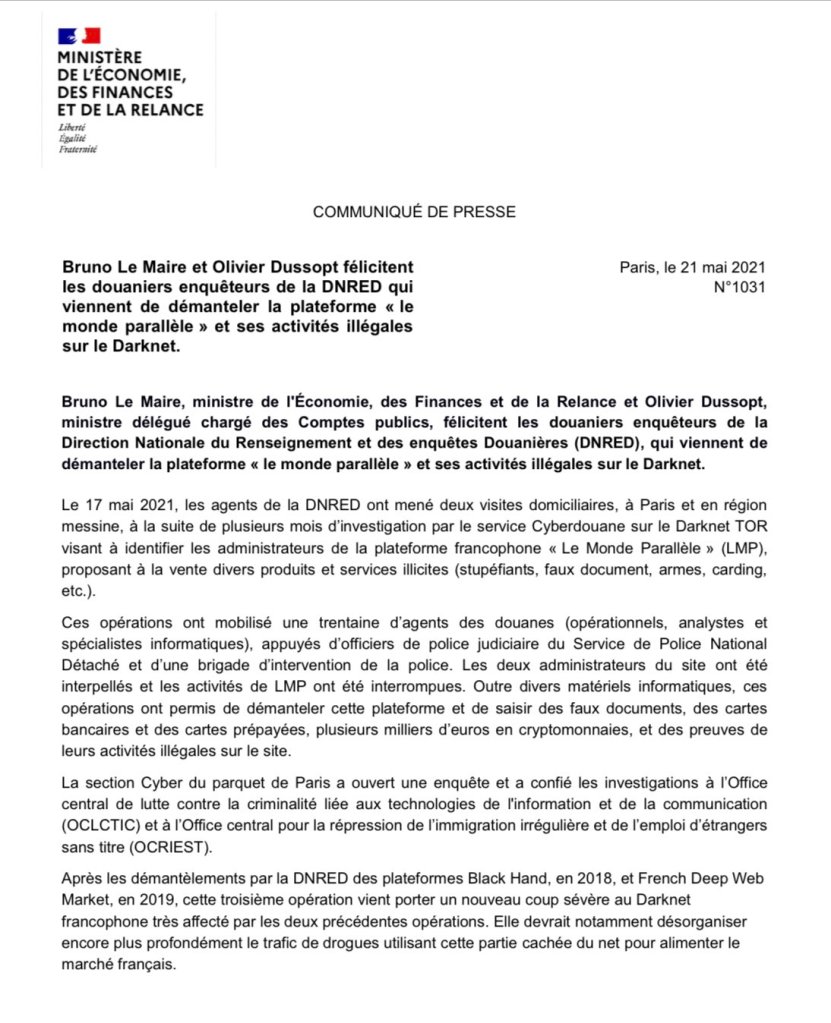
FRANCE 🇫🇷 (Cyberdouane – Darknet) : la DNRED s’est occupé du « monde parallèle »

Les esbroufeurs de Bercy pensent que le darknet est très affecté par cette dernière opération ! !  Mème pas en rêve !

SVP messieurs Bruno Lemaire et Olivier Dussopt , arrêtez de prendre les Français pour des demeurés et  cessez de profiter d’opérations de la DNRED pour vous faire mousser et si vous voulez faire œuvre utile,  donnez de vrais moyens à la CELTICS.


000000

SPAIN 🇪🇸 (Costa del Sol) : the new international crime organisations have made Marbella their centre of operations

And as violence rises, the police lag far behind

One morning last autumn, a dozen or so locals were eating breakfast at a cafe under a clear Marbella sky, in front of the offices of the Special Organised Crime Response Unit (Greco), on the Costa del Sol. The property is nondescript – an unobtrusive building in a working-class neighbourhood – and only someone with a sharp eye for detail might notice the two security cameras monitoring the front entrance. The cafe’s regulars drank coffee and ate toast, unaware that only 24 hours earlier, in another part of the city, Greco agents had rescued a man from a garage, alive, but with holes drilled through his toes. It was the latest local case of amarre, or kidnapping, to settle a score between criminal gangs.

That afternoon, in Puerto Banús, the wealthiest and most extravagant area of the city, a young British man with ties to organised crime walked out of a Louis Vuitton store and found himself surrounded by a crew of young Maghrebis, “soldiers” from one of the Marseille clans. “They didn’t want anything specific,” he said. “They just stared me down and said: ‘What’s up?’ They were looking for trouble. Things like this have been happening for a while now. It’s getting really dangerous here,” he said, with no apparent sense of the irony of a criminal complaining about criminality.

On the same day, in New Andalucía, one of the luxury housing developments on the outskirts of the city, next to the scorched shell of the Sisú Hotel, which was set on fire in what seemed to be a settling of scores, a Rolls-Royce sped through an intersection and smashed into an oncoming car. The driver, a young man in a tracksuit and tattoos, got out and inspected the damage, clutching three mobile phones and glaring defiantly at passersby.

It was in the 60s, during Spain’s economic “miracle” and development boom, that the Costa del Sol was transformed into the tourist hotspot of southern Europe. First, working-class holidaymakers thronged the public beaches. Then an emerging class of jet-setters found their piece of paradise in Marbella. The plan to develop the region succeeded, but success came with its own baggage. “This was the Francoist agreement,” said Antonio Romero, an author and former politician who is one of the most outspoken voices against organised crime in the region. “You, the criminals, come here to relax, don’t commit any crimes, and bring your money.” And so, as the authorities turned a blind eye, Marbella became a premier destination for the global criminal elite.

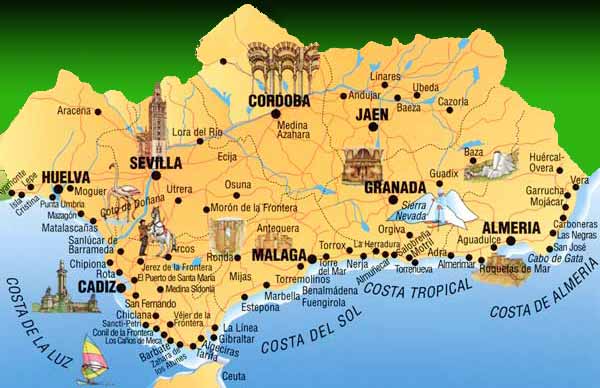
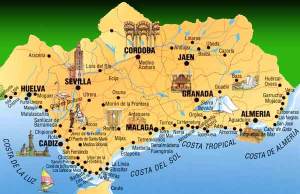
The Costa del Sol is organised crime’s southern frontier – a stretch of urban sprawl extending from Málaga to Estepona, with Marbella, a city of 147,633 people, as its capital. According to the Spanish Intelligence Centre for Counter-Terrorism and Organised Crime, there are at least 113 criminal groups representing 59 different nationalities operating out of the area.

There is nowhere quite like the Costa del Sol – a long tongue of land stretching 55 miles between the mountains and the sea. To the south, less than 10 miles of open water separates the region from Morocco – the world’s largest producer of hashish – and from the autonomous Spanish outposts of Ceuta and Melilla. Less than an hour’s drive away is one of Europe’s main entry points for cocaine, the port of Algeciras. Across the bay from Algeciras is the British overseas territory of Gibraltar, a tax haven separated from Spain by a fence. To the north rise the Málaga and Granada mountains, Europe’s main region for marijuana cultivation.

read more

000000

FRANCE 🇫🇷 (SURV de la Douane aux champs – BSI des cultures illicites) : les douaniers mettent la main sur 166 pieds de cannabis cultivés dans un garage à Vaudringhem

FRANCE 🇫🇷 (DNRED – Douane Française) : 5 tonnes 400 de cocaïne

000000

FRANCE 🇫🇷 (Lyon) : 78 kilos de cannabis et 3 kilos de cocaïne saisis dans le quartier Mermoz

Les enquêteurs du GLSES (Groupe de lutte contre les stupéfiants et l’économie souterraine), bien rencardés, ont surveillé un jeune homme de 25 ans, originaire de Feyzin, déjà connu pour trafic de stupéfiants et, l’ont contrôlé le 11 mai en fin de matinée alors qu’ il transportait un sac dans lequel se trouvait une centaine de grammes de cocaïne.

Dans son appartement, 78 kilos de résine de cannabis et 3,125 kilos de cocaïne et 20 000 euros en espèces.

Il dort désormais en prison.

source

000000

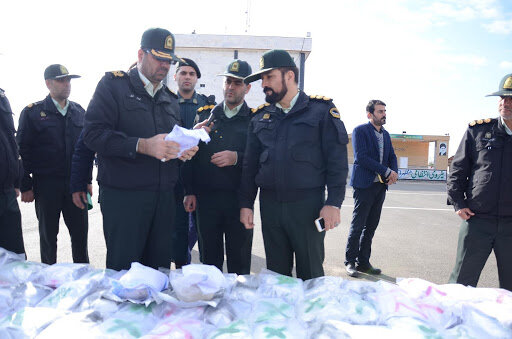
IRAN 🇮🇷 (TEHRAN) : IRGC smashes large gang smuggling drugs to Europe

The Intelligence Organization of the Islamic Revolutionary Guard Corps has smashed a large gang that was smuggling narcotics to Europe, IRIB reported on Sunday.

In this operation, 590 kilos of heroin, which were skillfully embedded in iron profiles and stored in a shed in the suburbs, were seized in the northwestern city of Tabriz.

Five members of the gang, who were involved in smuggling and transit of narcotics to Europe, have been arrested, three of whom are citizens of a neighboring foreign country and the rest are Iranian.

Naser Aslani, an official with the anti-narcotics police, said on Thursday that more than 43 tons of narcotics have been confiscated from smugglers across the country over the past two weeks.

Also, 939 vehicles and 30 weapons were confiscated as well, he stated, adding, meanwhile, a total of 12,992 culprits have been arrested in connection with plans implemented for dealing with drug trafficking.

Most recently, the police have disbanded two large smuggling gangs in the eastern province of Sistan-Baluchestan, discovering around 1.1 tons of narcotics.

read more

000000

ITALIE 🇮🇹 (port de Gioia Tauro) : saisie de 400 kg de cocaïne … dans un conteneur destiné au Kosovo 🇽🇰

La police italienne a annoncé mardi la saisie de plus de 400 kg de cocaïne au cours d’une opération internationale menée par les polices italienne, albanaise et kosovare.

La coke a été découverte dans le port de Gioia Tauro, en Calabre, dans le sud de l’Italie, à l’aide d’un scanner.

Elle se trouvait dans un conteneur provenant du Brésil et dont la destination finale était une entreprise à Lipjan, au Kosovo, selon un communiqué de la police italienne.

Source

Le parquet italien en charge de l’enquête a alors décidé «une livraison internationale contrôlée» et a fait suivre le conteneur jusqu’à sa destination finale avec l’aide des parquets d’Albanie et du Kosovo, selon la même source.

Après avoir suivi le conteneur durant tout son trajet, les trois polices sont intervenues lundi soir et «ont saisi 400 paquets de cocaïne pure, d’un poids de 400 kg, cachés dans des colis contenant officiellement du poulet», précise le communiqué.

plus

0000