Aviseur International renseigne, sans complaisance, sur la problématique de la drogue, du narcotrafic, de la corruption et sur les politiques mises en œuvre par les différents Etats et les dérives que s'autorisent les fonctionnaires des administrations — aviseurinternational@proton.me — 33 (0) 6 84 30 31 81
Archives pour la catégorie Cannabis – Hachis – Haschich
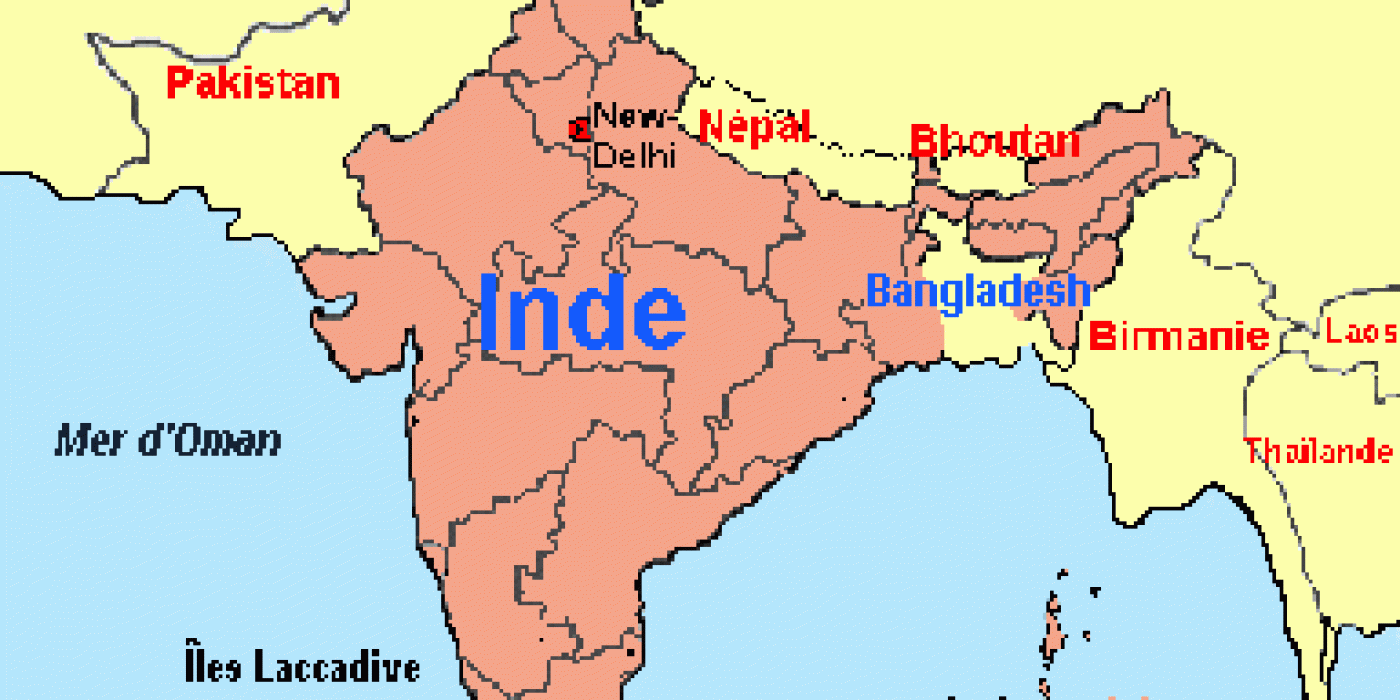
L’opération a été menée conjointement avec la marine indienne au-delà de la zone économique exclusive de l’Inde dans la mer d’Oman.
Le NCB avait des informations spécifiques sur le fait que deux bateaux transportant une grande quantité de stupéfiants se dirigeaient de la mer d’Oman vers le Gujarat ou Mumbai .
Une opération a été lancée par l’unité des opérations du NCB, dirigée par le directeur général adjoint Sanjay Kumar Singh, en collaboration avec la marine indienne, pour suivre les bateaux en haute mer, a indiqué l’un des responsables, sous couvert d’anonymat.
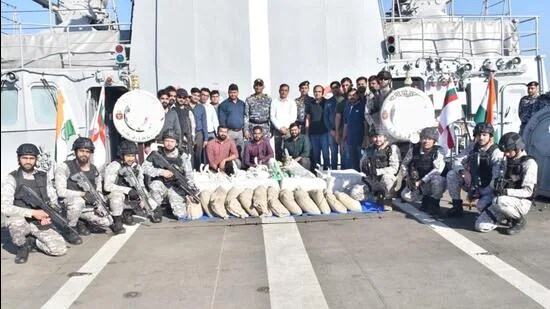
Deux bateaux ont été repérés à l’extérieur de la ZEE indienne, située à 200 milles marins des côtes. Alors qu’un navire de la marine indienne atteignait le site, les passeurs ont abandonné l’un des bateaux et se sont enfuis à bord de l’autre, a déclaré le responsable.
Lors de la vérification du bateau abandonné, le BCN a trouvé 525 kg de haschich de haute qualité et 234 kg de méthamphétamine cristalline.
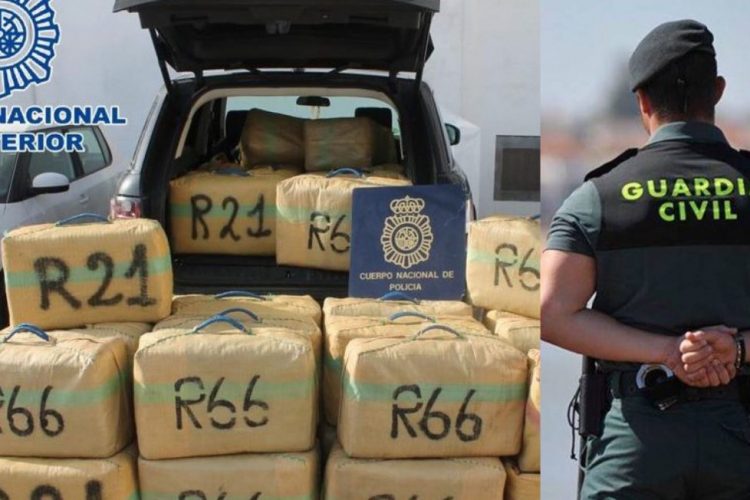
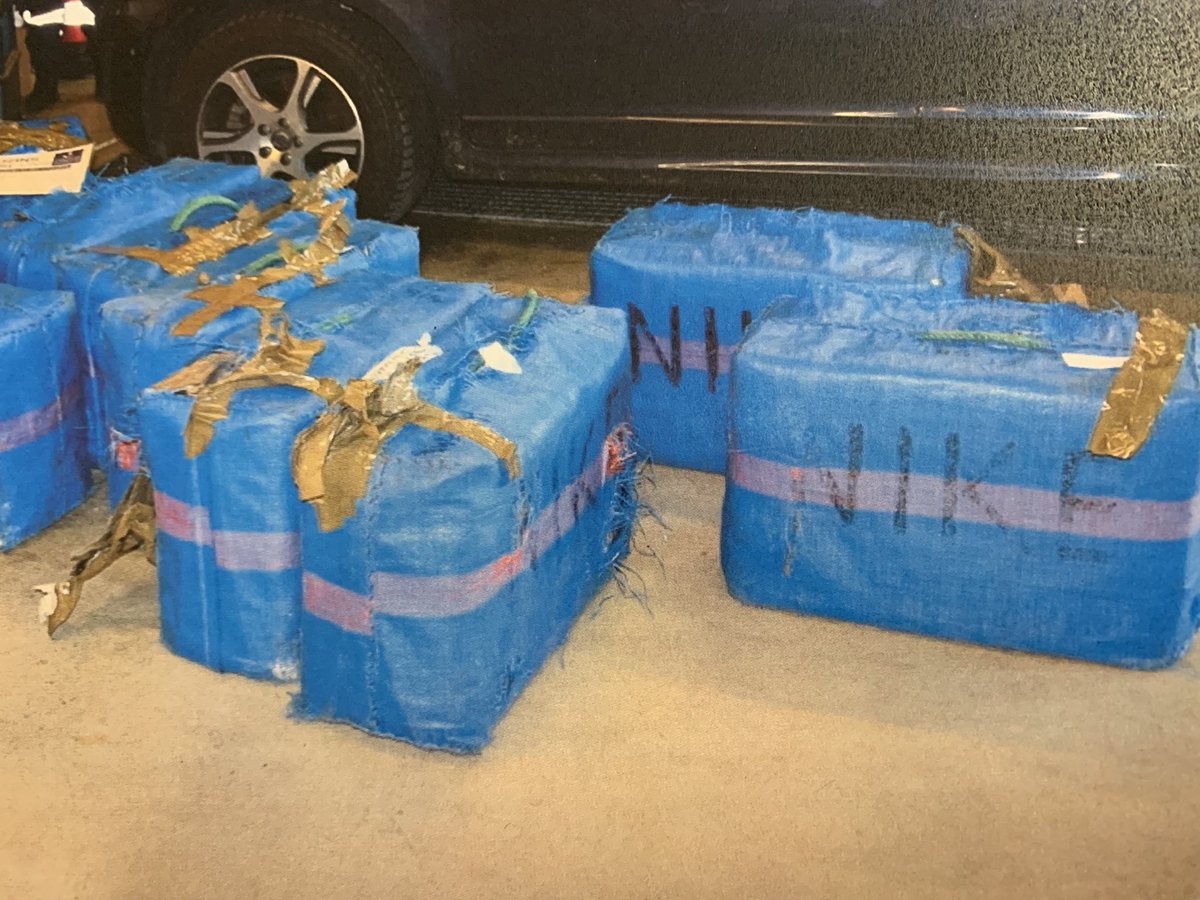
La lucha contra el narcotráfico en La Línea no para y la llegada de un nuevo Comisario a la ciudad no ha frenado ni un ápice las diferentes operaciones que se viene desarrollando para acabar con esta lacra. De hecho, la pasada noche la Policía, junto con la Guardia Civil, ha desarrollado un operativo conjunto que ha permitido intervenir 4.000 kilos de hachís.
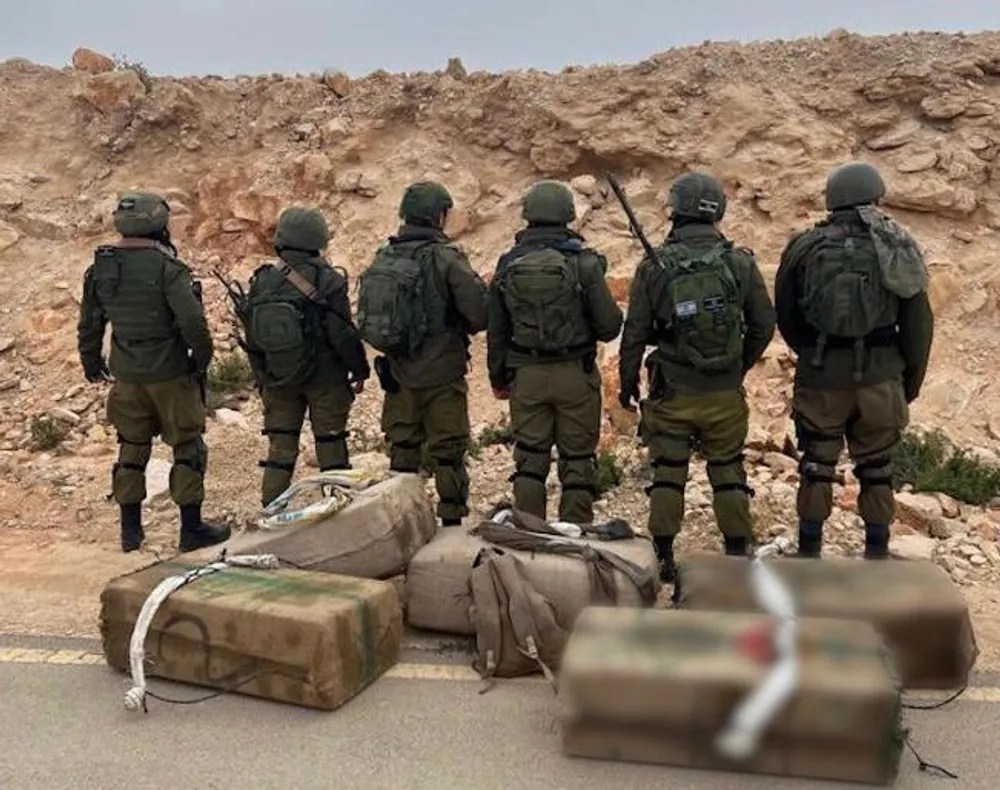
Les troupes israéliennes ont déjoué tôt samedi matin une tentative de contrebande de drogue en Israël depuis l’Égypte, a indiqué l’armée.
Selon cette source, plusieurs suspects ont été repérés par les caméras de surveillance dans la zone de Paran projetant des colis de drogue par-dessus la clôture qui sépare l’État hébreu de l’Égypte.
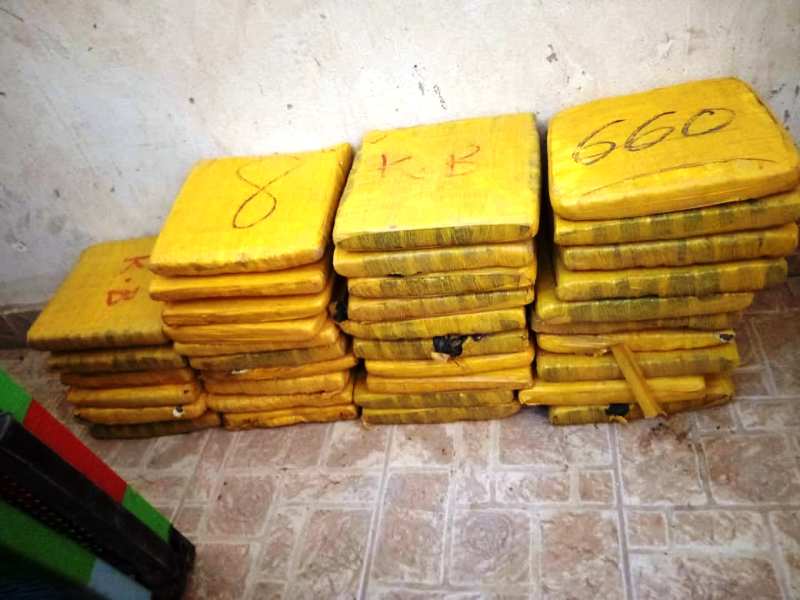
Plus de 200 kilogrammes de marijuana et de haschich, d’une valeur estimée à 4 millions de shekels (1,09 million d’euros) ont été saisis selon Tsahal, et transférés à la police.
Le modus operandi de ce réseau criminel consiste à évider les planches pour y dissimuler les savonnettes de cannabis, tout en procédant à leur ré-assemblage en les enduisant de produits chimiques pour éviter leur détection par la police cynotechnique.
Selon les premières estimations, la quantité des drogues saisies dans cet atelier serait de 2.1 tonnes de chira, alors que les opérations d’extraction des drogues depuis les planches de bois se poursuivent.
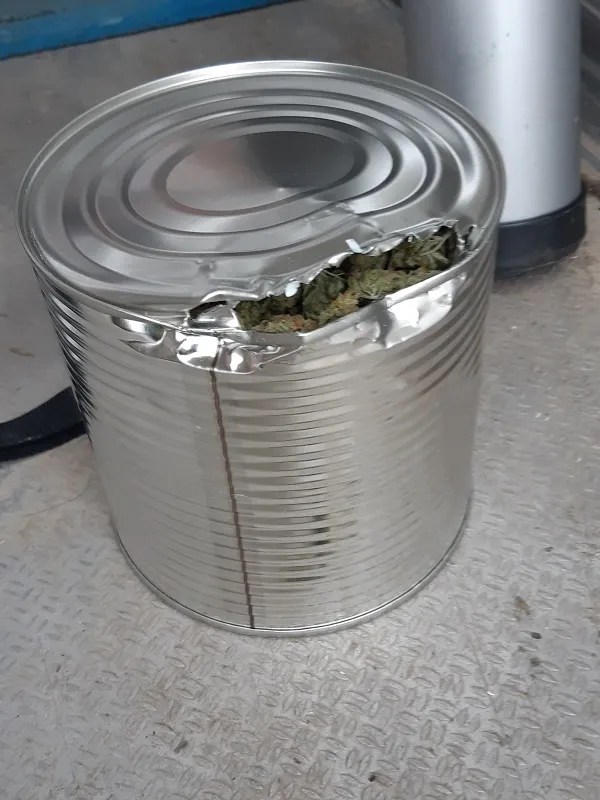
Des boîtes de conserves plus légères et sans date limite de consommation
Les douaniers ont, eux, été surpris par le fait que des boîtes de conserve ne mentionnaient aucune date de péremption,ce qui est plutôt étonnant pour de la marchandise périssable comme la sauce tomate. Ils se sont donc lancés dans l’ouverture de 300 boîtes douteuses et dont le poids était beaucoup plus léger que les autres.
°°°°
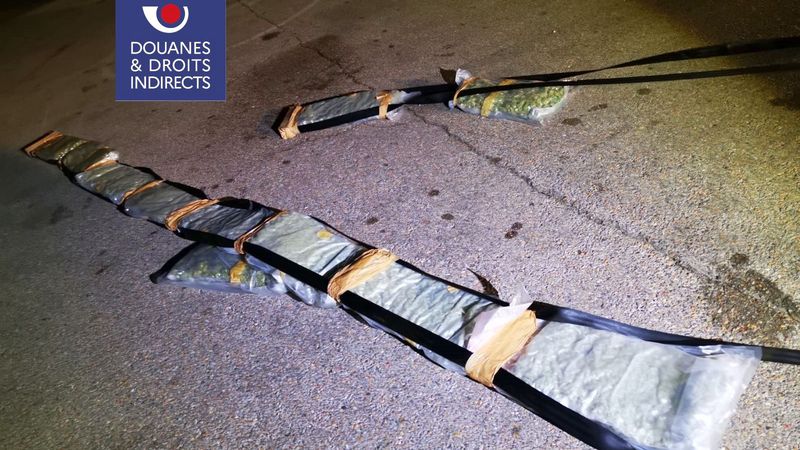
Et pour cause, les douaniers ont retrouvés à l’intérieur près de 208 kilos de résine et d’herbe de cannabis.
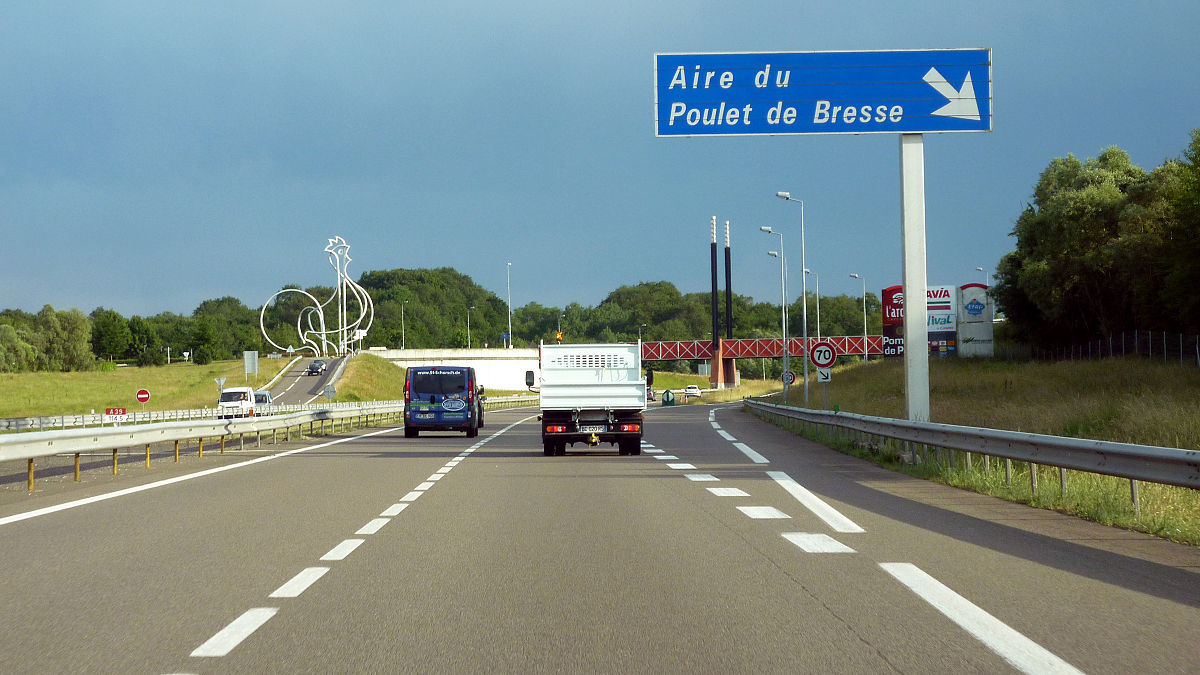
Le contrôle a été effectué ce jeudi 27 janvier par les douaniers de Chalon-sur-Saône sur l’aire du Poulet de Bresse de l’A39 où stationnait un camion immatriculé en Espagne.
Les gabelous sont toujours aux aguets, lorsqu’ils sont en activité.
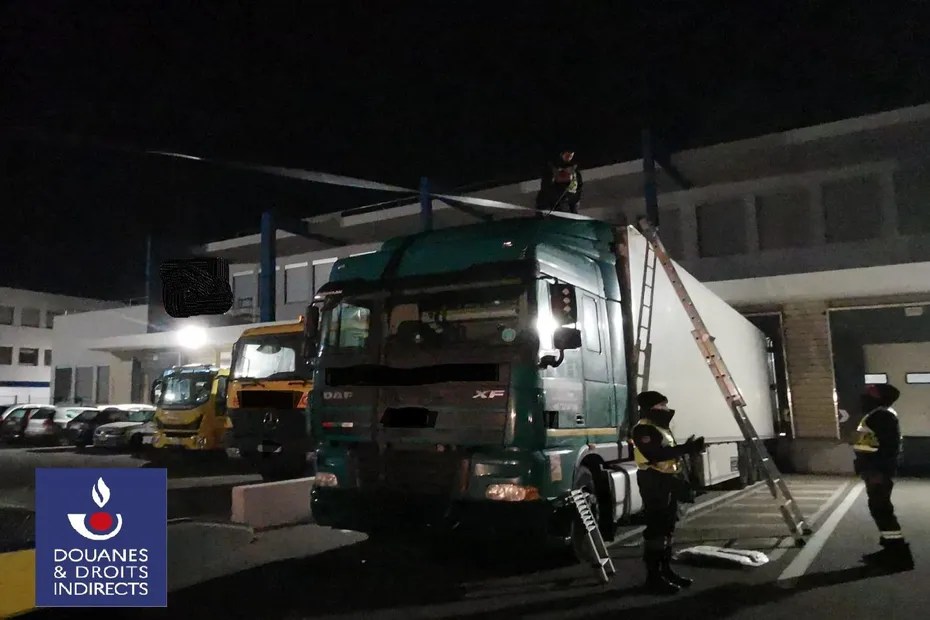
Ils ont décidé de procéder à une inspection du toit de la remorque de cet attelage bulgare après avoir constaté différentes irrégularités dans la structure du toit.
C’est dans la soirée du lundi 24 janvier 2022 que les douaniers de la brigade du Perthus en service à la barrière de péage du Boulou, sur l’autoroute A9, ont procédé au contrôle d’un ensemble routier, immatriculé en Bulgarie.
Le chauffeur de nationalité roumaine, a déclaré aux agents des douanes venir d’Espagne et se rendre en Italie pour y livrer 37 palettes d’ustensiles de cuisine.
Les douaniers ont intercepté le convoi de drogue ce jeudi 20 janvier 2022 au niveau du péage du Boulou.
Le chauffeur a été jugé et condamné ce lundi 24 janvier en comparution immédiate au tribunal de Perpignan. Il a été condamné à 3 ans ferme et à 684 000 euros d’amende douanière.
i militari della Gdf di Torino hanno sequestrato 226 kg, di droga, stipati all’interno di un’autovettura. Arrestato un 35enne marocchino, titolare di regolare permesso di soggiorno, con l’accusa di detenzione di sostanze stupefacenti ai fini di spaccio.
C’est la brigade de surveillance des douanes de Montauban, dans le Tarn-et-Garonne, qui a intercepté le véhicule, vendredi 14 janvier, au niveau du péage de Bressols.
Le conducteur, âgé de 23 ans, a été interpellé. Il n’est pas originaire du département du Tarn-et-Garonne.
A bord du véhicule qui roulait à vive allure, les douaniers ont saisis 375 kilos de résine de cannabis.
Le parquet de Montauban, a publié l’information vers 10h30, mercredi 19 janvier, sur son compte Twitter.
Les agents de la brigade des douanes d’Hendaye, en contrôle au péage de Biriatou (Pyrénées-Atlantiques), ont intercepté 482,3 kg de résine de cannabis le 5 janvier dernier, a-t-on appris ce vendredi.
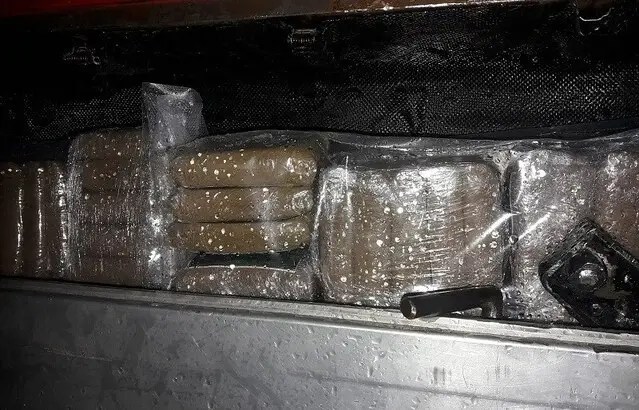
La drogue était dissimulée dans une cache aménagée d’un ensemble routier, transportant des tests antigéniques en Île-de-France depuis l’Espagne.
Les agents de l’Office Central de Répression du Trafic Illicite des Stupéfiants (OCRTIS) en service à Abalak, dans la région de Tahoua, ont saisi hier mardi 11 janvier 2022, trente-six(36) briques de cannabis dans les quatre portières d’un véhicule de marque « Peugeot 406 qui avait quitté Tahoua en direction d’Agadez. Deux (02) personnes se trouvant à bord du véhicule ont pris la poudre d’escampette lors du contrôle et sont activement recherché.
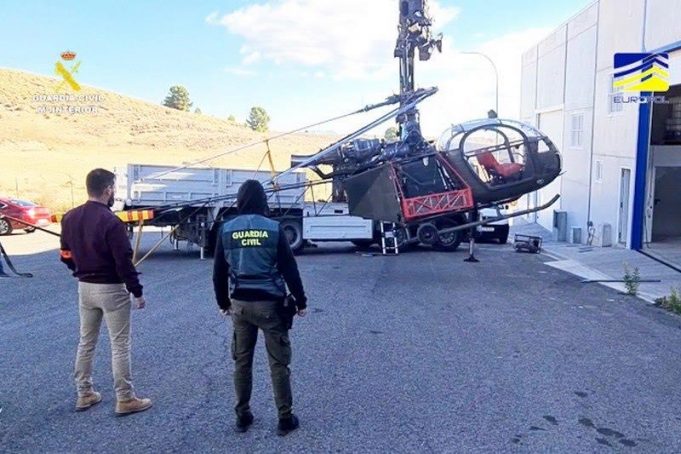
La ‘Guardia Civil’, en collaboration avec l’ OFAST (Office français de lutte contre les stupéfiants), a démantelé un réseau constitué de 11 individus actifs dans le trafic de haschich à partir du Maroc par hélicoptères.
Selon des médias espagnols, relayés par le site arabophone Hespress, ce démantèlement intervient après une enquête policière menée depuis 2020 qui a abouti à l’arrestation des suspects et à la découverte de « l’entrée à partir des côtes marocaines d’hélicoptères chargés de grandes quantités de hachich ».
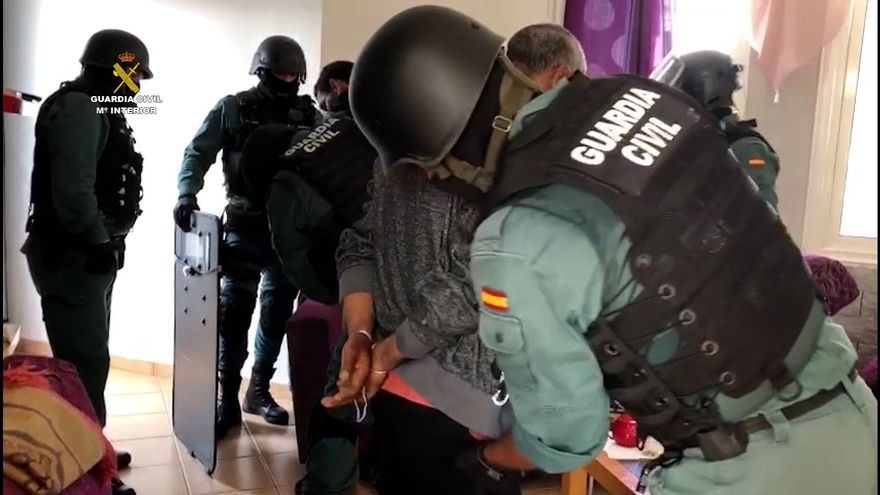
Desarticulada una organización que introducía droga en España con helicópteros en colaboración con la OFAST y Europol. En el operativo se han intervenido 4 helicópteros, 4 camiones, 6 turismos, así como 4 armas de fuego.
Après l’appel d’un habitant étonné du comportement d’un rôdeur dans la nuit du jeudi 6 au vendredi 7 janvier, les policiers ont découvert une grande quantité de résine et herbe de cannabis.
Le 5 janvier, au petit matin à 5h30, les douaniers postés au péage de Biriatou ont découvert 480 kilos, dissimulés dans une cache aménagée dans un camion.
Il aura fallu la meuler pour en dégager le contenu.
La « Guardia civil », dans le cadre de l’opération ‘Lamak’, a démantelé un réseau criminel dédié à l’introduction de grandes quantités de haschich sur l’île de Tenerife en provenance du Maroc.
L’organisation criminelle a été complètement démantelée, avec l’arrestation de 27 personnes de nationalité espagnole et marocaine, et la saisie de plus de 9 tonnes de haschich. Deux bateaux pneumatiques ont été saisis.
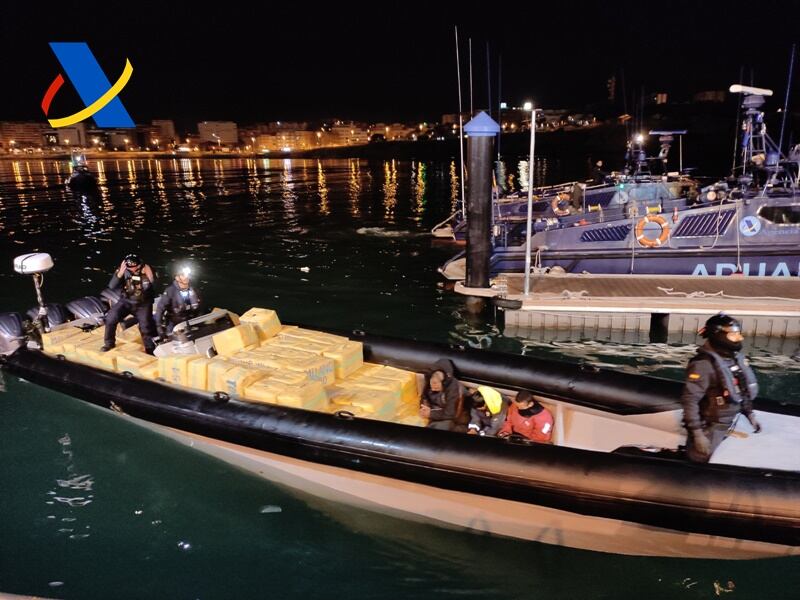
Les agents du SVA (Service de surveillance douanière) ont intercepté, dans l’est du détroit de Gibraltar, un bateau semi-rigide transportant plus de 4.700 kilos de haschich, et ont arrêté les trois membres d’équipage, de nationalité marocaine.
L’opération a débuté au moment où les moyens de contrôle aérien du SVA détectent, à l’est du détroit, une embarcation semi-rigide de 12 mètres de long .
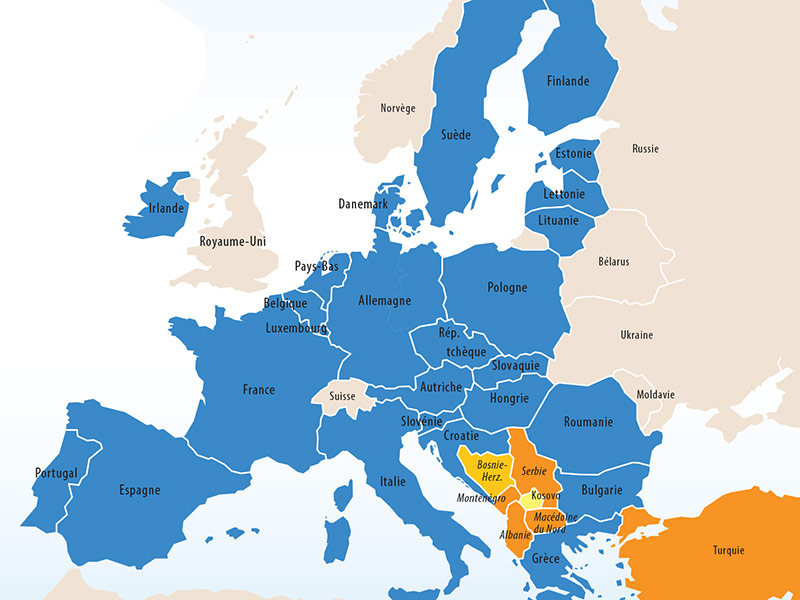
L’idée de légaliser le cannabis est relativement récente en Europe, bien que chaque pays européen ait sa propre politique en matière de légalisation.
Le marché du cannabis médical est déjà bien établi dans certains pays européens, même si la mise en œuvre est plus difficile. Souvent, cette décision est politisée entre les partis, selon Forbes.com.
🇲🇹 Malte, le premier pays de l’UE
🇩🇪 L’Allemagne envisage la légalisation
🇱🇺 Luxembourg, en cours de légalisation
🇮🇹 L’Italie organise un référendum
🇵🇹 Le Portugal fait un pas de plus vers la légalisation
En France, tout en amont de la chaine pénale, et en charge de mettre en œuvre la répression, policiers et gendarmes peuvent faire le constat, quotidien et accablant, de l’échec de l’actuelle politique publique en matière de stupéfiants et de ses multiples effets pervers.
La France est le pays le plus répressif d’Europe en matière d’usage de stupéfiants, mais c’est aussi un de ceux où l’on trouve le plus de consommateurs, notamment chez les plus jeunes.
La guerre à la drogue et à ses usagers menée depuis presque 50 ans n’a pas eu les effets supposés par la prohibition : l’usage de drogues est insensible à l’arsenal législatif, et la prohibition ne profite qu’au marché noir et au crime organisé.
La répression est une entrave à la prévention, l’information, l’accès aux soins et la réduction des risques, qui devraient pourtant être des priorités absolues.
In mid-December, the authorities in Arizona intercepted more than 1.5 tons of methamphetamine coming from Mexico, the last in a line of record drug hauls around the world in recent months. Responding to the news, UN synthetic drugs expert Martin Raithelhuber tweeted that the size of meth seizures was “simply amazing”.
The global drugs trade is on fire, having survived the coronavirus pandemic with minimal disruption. Production is increasing in many places, fuelled by instability and economic crises in major drug-producing countries. Traffickers appear to be sending vast shipments, reflected in record-breaking drug seizures.
“There’s a boom in demand, there’s a boom in supply,” said Andrew Cunningham, head of drug markets, crime and supply reduction at the European Monitoring Centre for Drugs and Drug Addiction (EMCDDA), “It does look quite apparent.”
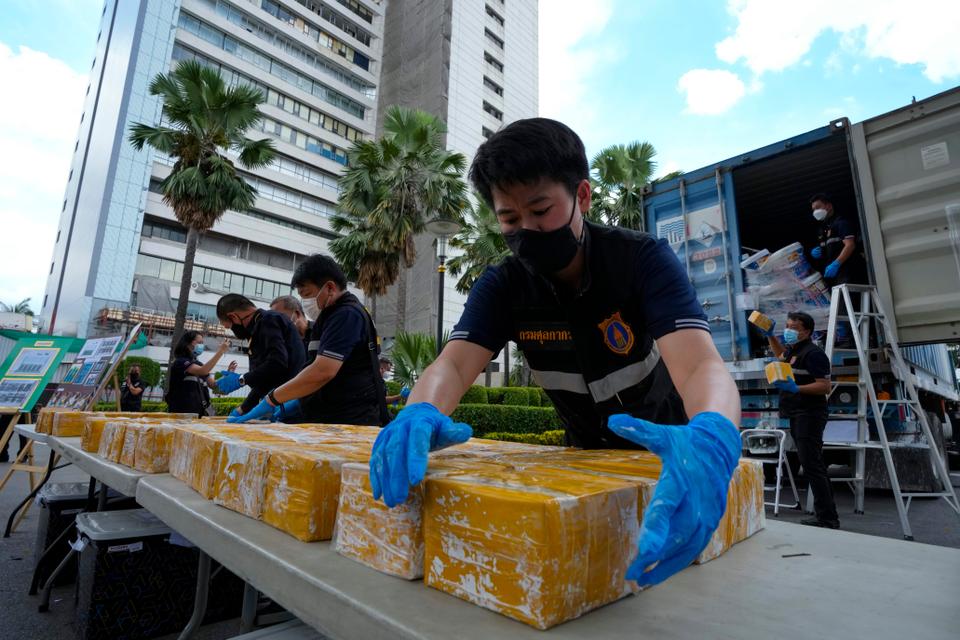
Nowhere is this boom more pronounced than in the Golden Triangle, where Laos, Thailand and Myanmar intersect. In October, police grabbed 55 million methamphetamine tablets in Laos, Asia’s largest ever drug bust. Regional drug production and trafficking have intensified following the February coup in Myanmar, which plunged the country into chaos.
The October meth haul was only the tip of the iceberg. Many other large shipments have been reported in recent months. Seizures of methamphetamine have been expanding steadily in the past decade to reach a record high in 2020, according to the United Nations Office on Drugs and Crime (UNODC).
“There is an expansion of the synthetic drug market,” said Martin Raithelhuber, of UNODC. Meth was becoming “cheaper” while purity remained high, he said. “It really points to a larger amount of the drug being available on the market”.
This boom has been facilitated by innovative chemistry. Drug producers have managed to create their own precursor chemicals for synthetic drugs, bypassing international controls. Last year Laotian authorities seized more than 70 tons of propionyl chloride, which can be used to make fentanyl and meth precursors.
Record hauls
Mexican cartels have reportedly used similar experimentation, and drugs are flooding into the US. In November, almost 9 tons of meth and over 175 kg of fentanyl were seized at the border, the largest amount for either drug in two years. Indeed, the DEA seized a record amount of fentanyl in 2021. Overdose deaths reached new highs from 2020 to 2021.
Mexican cartels have also penetrated the European market. Spanish police recently announced the largest ever methamphetamine bust on record, with over 2.5 tons seized in separate, coordinated raids in various cities. A Mexican cartel was allegedly piping meth into Europe through the port of Barcelona.
These seizures point to large-scale drug production, but they are also indicative of intensified law-enforcement activity, according to Andrew Cunningham. The Spanish meth haul was the result of a lengthy international investigation. Encrypted communication platforms used by traffickers have recently been cracked, leading to big seizures.
Mexican cartels have also penetrated the European market. A Mexican cartel was allegedly piping meth into Europe through the port of Barcelona. (AP)
The narcotics trade has also been helped along by political instability in major drug-producing countries, such as Myanmar and Afghanistan. The production and trafficking of narcotics tend to flourish in chaotic, conflict-ridden states with rule of law deficits.
“The places where the drug production is booming are places where the state has very little control or they’re facilitating or turning a blind eye to things that are going on in the country,” Cunningham told TRT World.
In war-ravaged Syria manufacture of the amphetamine known as Captagon has skyrocketed with the help of the government. The Assad regime, throttled by sanctions and mired in economic crisis, is relying on drugs to earn hard currency. Associates of the ruling family are allegedly involved in production and trafficking of Captagon, turning Syria into a narcostate.
Captagon seizures have reached eyewatering levels. 2021 saw the largest quantity of tablets seized on record, with 95 million pills intercepted in Malaysia in a single haul in March. In Jordan, almost twice as many Captagon tablets were grabbed in 2021 compared with the previous year. And Saudi Arabia has been severely affected, too.
Captagon has also reached Iraq, where use of synthetic drugs, including methamphetamine, has increased enormously in the past decade. The amount of Captagon and meth seized in 2021 was twenty times larger than in the previous two years combined, according to the Iraqi government.
“The Captagon trade has experienced a notable increase in both supply and number of transit and destination markets,” said Caroline Rose, Senior Analyst and Head of the Power Vacuums program in the Human Security unit at the Newlines Institute and author of an upcoming report on Captagon. “It’s very likely that this trade will continue to expand”.
Meanwhile, Afghanistan has emerged as a major meth producer. The drug can be made cheaply using a local plant, ephedra. Afghan meth now flows in copious quantities to Iran and also to Africa via Pakistan and the Indian Ocean. International maritime forces seized more drugs in the region in 2021 than in the previous four years combined – a new record.
The narcotics boom is more pronounced than anywhere else in the Golden Triangle, where Laos, Thailand and Myanmar intersect. Regional drug production and trafficking intensified following the February coup in Myanmar, which plunged the country into chaos. (AP)
According to recent research, the production of ephedra appears to be increasing in Afghanistan as the country collapses into economic crisis. Satellite imagery reveals “new shops, an extended storage area for dried & milled ephedra, and more inventory than ever before”, writes David Mansfield. The price of both meth and ephedra has fallen.
Afghanistan is also a major producer of opiates, accounting for 85 percent of the global heroin supply. Opium production increased by 8 percent in 2021, the United Nations recently assessed, and may continue to rise as farmers have reported higher levels of cultivation this planting season.
Elsewhere, the cocaine trade is booming. Production increased in Colombia in 2020, and there have been a number of massive seizures at European ports, including over 16 tons at Hamburg in February, almost 11 tons at Antwerp in April and 4 tons at Rotterdam in October. Turkey also saw the largest cocaine haul in its history this year.
What supply chain crisis?
The use of container ships to smuggle cocaine concealed in perishable goods, such as fruit, predated the pandemic, but appears to have increased. Air travel was severely hit by coronavirus restrictions, limiting the ability to send drugs on commercial flights.
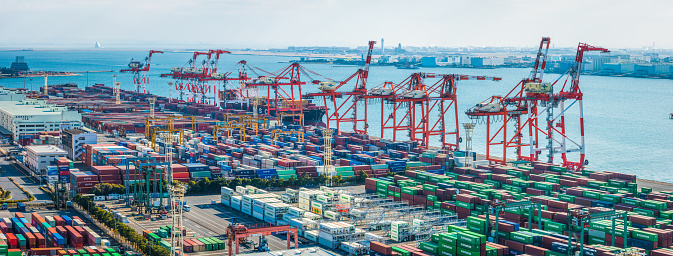
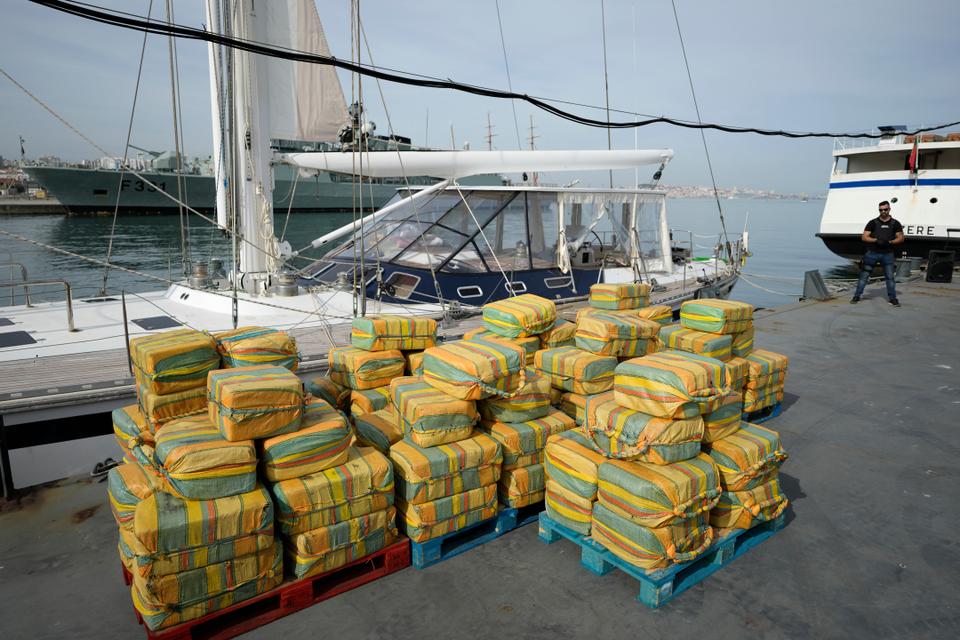
Maritime shipping enables smugglers to transport huge quantities of product with relatively limited risk of detection, given the size of the vessels and the time-sensitive nature of food imports, which must be checked promptly by customs officials.
The massive seizures this year also indicate that the cocaine trade has not been significantly disrupted by the covid-related supply-chain crisis. A boom in demand combined with covid problems in Asia have caused shortages of goods and shipping delays as vessels lie moored outside ports, waiting for a berth.
While South America has been affected by the crisis, import volumes from the east coast to Europe have not declined during the pandemic, according to Simon Heaney, a senior manager at maritime consultancy, Drewry. “I haven’t seen any evidence that volumes on this trade have been supressed by the supply chain issues,” Heaney told TRT World.
Food, in which cocaine is often hidden, is less vulnerable to disruption than electrical appliances. “The supply chain is much more complex with electrical goods – more intermediate components / parts that need to be shipped from various locations, increasing the risk of delays / raising costs,” Heaney said.
The pandemic forced traffickers to adapt their methods, selling drugs online and adopting novel delivery systems that reduce human contact, such as drones. (AP)
While the cost of sending freight has generally become more expensive amid the supply-chain crisis, including from South America, traffickers generally conceal their product in licit shipments, meaning they “do not pay for the cost of the shipping container”, according to Andrew Cunningham.
The trafficking of heroin along the Balkan Route through Iran and Turkey to Europe is mostly conducted in vehicles and has not been seriously affected by the shipping crisis, and the same goes for the meth trade in Southeast Asia, much of which happens overland between Lower Mekong countries.
The demand for narcotics might also have increased, Cunningham said. The use of drugs normally consumed in recreational settings, such as MDMA and cocaine, appeared to fall during the initial lockdowns in 2020, but has since bounced back, according to the EMCDDA’s 2021 drug report.
The pandemic forced traffickers to adapt their methods, selling drugs online and adopting novel delivery systems that reduce human contact, such as drones. While some of these adaptations might be temporary, others could transform the drug trade and further empower traffickers going forward.
The social and economic damage caused by Covid-19 could also drive more people into drugs. “Research findings associate inequality, poverty and lack of opportunities for socioeconomic development with increased drug use disorders and increased engagement in drug production and trafficking,” says the 2021 UN World Drug Report.
Narco-traffickers defied Covid-19 and now look set to reach new heights, as the stars are aligning for a further expansion of their trade.





 AVISEUR INTERNATIONAL