Aviseur International renseigne, sans complaisance, sur la problématique de la drogue, du narcotrafic, de la corruption et sur les politiques mises en œuvre par les différents Etats et les dérives que s'autorisent les fonctionnaires des administrations — aviseurinternational@proton.me — 33 (0) 6 84 30 31 81
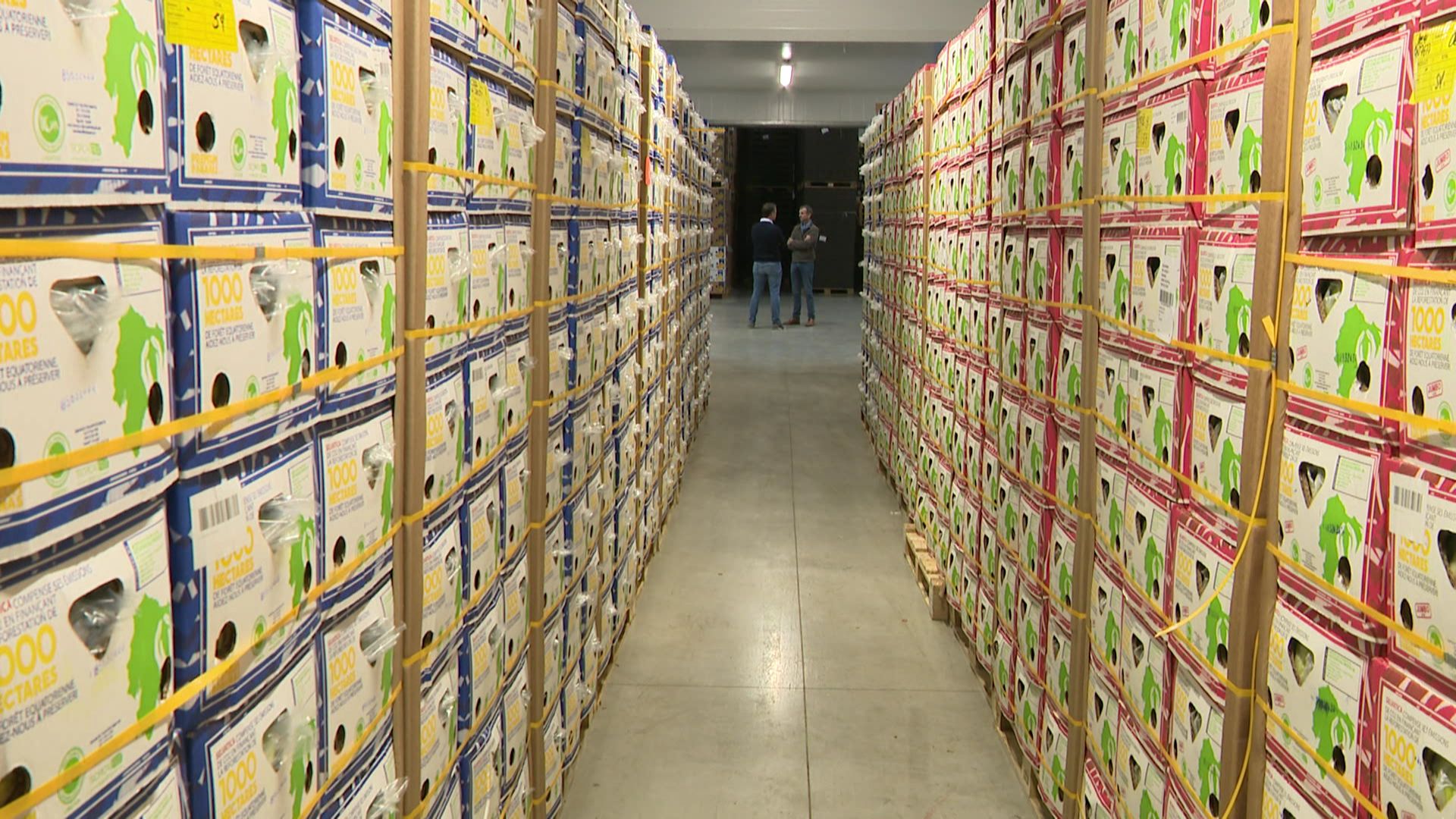
Según el manifiesto de la carga se ha determinado que el contenedor cargado de banano, tenía como destino final Bélgica 🇧🇪
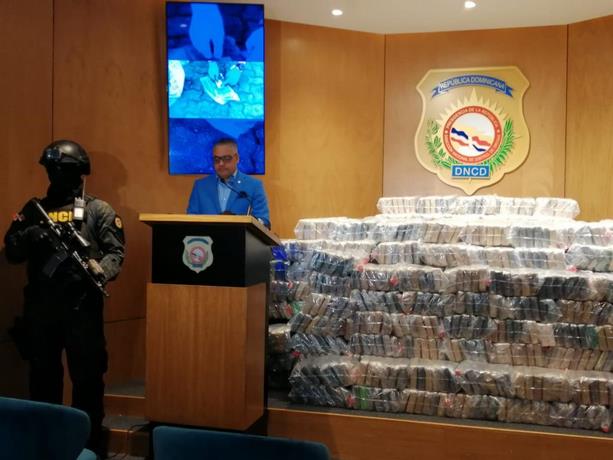
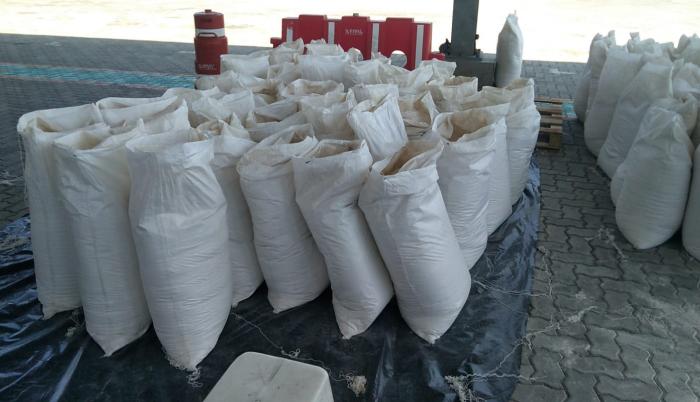
Los agentes de la DNCD, acompañados de unidades caninas y militares, perfilaron decenas de contenedores que estaban de tránsito por el país, procedentes de Guatemala 🇬🇹, y tras iniciar una inspección más rigurosa, se encontró en uno de ellos 48 sacos (fardos) conteniendo en su interior 25 bloques cada uno, para un total de 1, 200 paquetes.
Le juge d’instruction d’Anvers a placé six suspects sous mandat d’arrêt mardi dans le cadre d’une importante saisie de cocaïne, selon une information de De Gazet Van Antwerpen, confirmée par le parquet anversois.
Les autorités colombiennes et américaines ont saisi près de la côte du Salvador plus de quatre tonnes de cocaïne appartenant à des dissidents des FARC qui n’ont pas accepté l’accord de paix, a indiqué mardi la police.
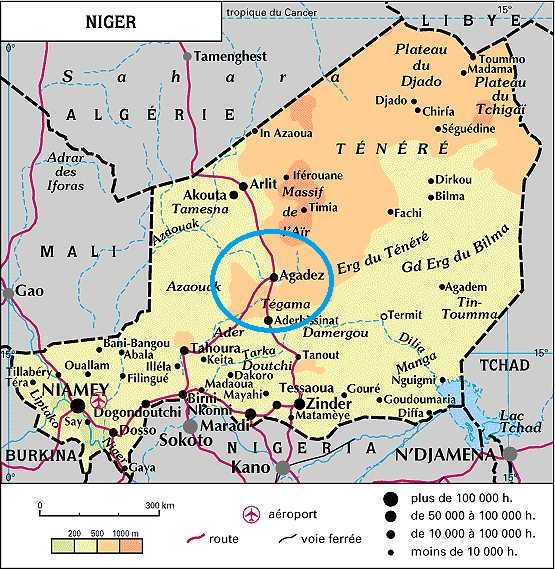
La police d’Agadez a saisi près de 200 kilogrammes de cocaïne dans la voiture, un véhicule administratif , du maire de la bourgade de Fachi, une localité qui se trouve au nord-est du pays.
Le maire de Fachi, nouvellement élu, et son chauffeur ont été immédiatement arrêtés. Ils ont été convoyés avec leur cargaison sur Niamey par un vol spécial. Le maire qui répond au nom de Charou Ramadan et son premier complice sont désormais entre les mains de l’Office central de répression du trafic illicite des stupéfiants (OCRTIS).
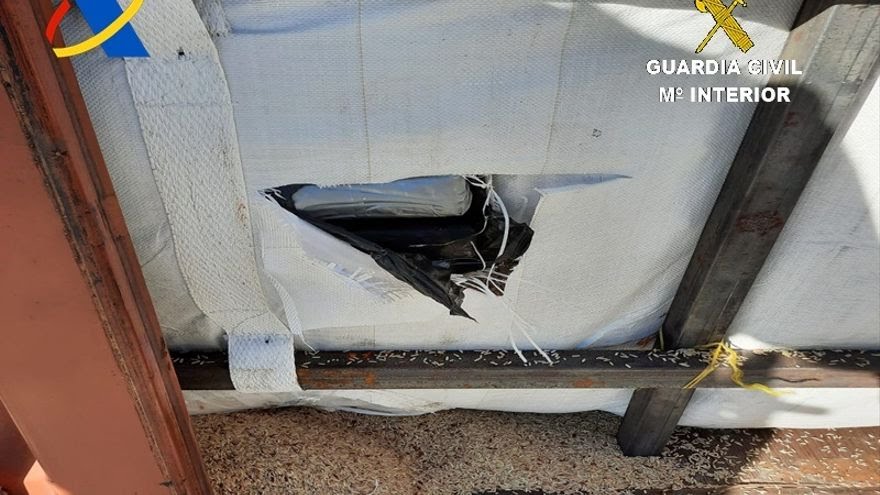
SVA (Agencia Tributaria) y la Guardia Civil, en el marco de una operación conjunta, se han incautado en el Puerto de València de 626 kilos de cocaína que se encontraba oculta en un contenedor con arroz procedente de Sudamérica, según han informado en un comunicado conjunto.
El can Ronald encontró el cargamento, que estaba entre bultos de harina de plátano
Agentes de las unidades especiales de la Policía en la detección de droga ejecutaron una operación, denominada ‘Fin de Año’, en la que decomisaron 795.100 gramos de cocaína, en los puertos marítimos de Guayaquil y Posorja.
El comandante subrogante de la Zona 8 (Guayaquil, Durán y Samborondón), Marcelo Cortez Carrión, señaló que el cargamento se detectó tras una inspección de rutina. La droga estaba en el interior de un contenedor de siglas HAMU1076197, y fue el can Ronald que alertó a los uniformados.
Selon un communiqué publié par les Forces de sécurité intérieure (FSI), ses agents ont arrêté trois personnes suspectées de faire partie d’un réseau de trafic de drogue et ont trouvé une grande quantité de cocaïne en leur possession.
L’Unité d’action rapide des forces (FURA) a fait état ce samedi de la saisie de cocaïne lors d’une opération maritime menée au large de Manatí, dans le nord de Porto Rico.
Les agents ont trouvé 110 paquets de cocaïne à l’intérieur d’un bateau de type yola de 20 pieds de long avec un moteur Yamaha de 60 chevaux, selon le communiqué de la police.
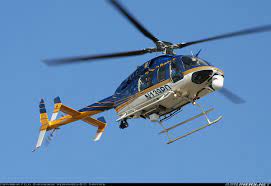
L’embarcation a été repérée la nuit dernière par l’équipage de l’unité aérienne de San Juan à bord de l’hélicoptère N139PD alors qu’il se dirigeait vers la côte du secteur de Palma de Manatí.
Au cours de deux opérations distinctes, la Guardia di Finanza et l’ADM (Agencia de Aduanas y Monopolios) ont saisi un total de 3 128 kilogrammes de cocaïne pure et ont arrêté un chauffeur de camion.
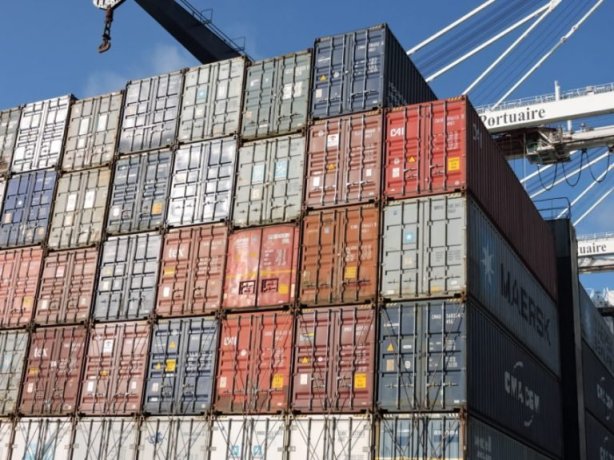
Au cours de la première opération, 2 272 kilos de cocaïne ont été retrouvés, cachés dans trois containers avec des bananes, des sacs de cacahuètes et du poivre.
La deuxième inspection a révélé 856 kilogrammes de drogue supplémentaires, qui ont été trouvés sous des régimes de bananes.
In mid-December, the authorities in Arizona intercepted more than 1.5 tons of methamphetamine coming from Mexico, the last in a line of record drug hauls around the world in recent months. Responding to the news, UN synthetic drugs expert Martin Raithelhuber tweeted that the size of meth seizures was “simply amazing”.
The global drugs trade is on fire, having survived the coronavirus pandemic with minimal disruption. Production is increasing in many places, fuelled by instability and economic crises in major drug-producing countries. Traffickers appear to be sending vast shipments, reflected in record-breaking drug seizures.
“There’s a boom in demand, there’s a boom in supply,” said Andrew Cunningham, head of drug markets, crime and supply reduction at the European Monitoring Centre for Drugs and Drug Addiction (EMCDDA), “It does look quite apparent.”
Nowhere is this boom more pronounced than in the Golden Triangle, where Laos, Thailand and Myanmar intersect. In October, police grabbed 55 million methamphetamine tablets in Laos, Asia’s largest ever drug bust. Regional drug production and trafficking have intensified following the February coup in Myanmar, which plunged the country into chaos.
The October meth haul was only the tip of the iceberg. Many other large shipments have been reported in recent months. Seizures of methamphetamine have been expanding steadily in the past decade to reach a record high in 2020, according to the United Nations Office on Drugs and Crime (UNODC).
“There is an expansion of the synthetic drug market,” said Martin Raithelhuber, of UNODC. Meth was becoming “cheaper” while purity remained high, he said. “It really points to a larger amount of the drug being available on the market”.
This boom has been facilitated by innovative chemistry. Drug producers have managed to create their own precursor chemicals for synthetic drugs, bypassing international controls. Last year Laotian authorities seized more than 70 tons of propionyl chloride, which can be used to make fentanyl and meth precursors.
Record hauls
Mexican cartels have reportedly used similar experimentation, and drugs are flooding into the US. In November, almost 9 tons of meth and over 175 kg of fentanyl were seized at the border, the largest amount for either drug in two years. Indeed, the DEA seized a record amount of fentanyl in 2021. Overdose deaths reached new highs from 2020 to 2021.
Mexican cartels have also penetrated the European market. Spanish police recently announced the largest ever methamphetamine bust on record, with over 2.5 tons seized in separate, coordinated raids in various cities. A Mexican cartel was allegedly piping meth into Europe through the port of Barcelona.
These seizures point to large-scale drug production, but they are also indicative of intensified law-enforcement activity, according to Andrew Cunningham. The Spanish meth haul was the result of a lengthy international investigation. Encrypted communication platforms used by traffickers have recently been cracked, leading to big seizures.
Mexican cartels have also penetrated the European market. A Mexican cartel was allegedly piping meth into Europe through the port of Barcelona. (AP)
The narcotics trade has also been helped along by political instability in major drug-producing countries, such as Myanmar and Afghanistan. The production and trafficking of narcotics tend to flourish in chaotic, conflict-ridden states with rule of law deficits.
“The places where the drug production is booming are places where the state has very little control or they’re facilitating or turning a blind eye to things that are going on in the country,” Cunningham told TRT World.
In war-ravaged Syria manufacture of the amphetamine known as Captagon has skyrocketed with the help of the government. The Assad regime, throttled by sanctions and mired in economic crisis, is relying on drugs to earn hard currency. Associates of the ruling family are allegedly involved in production and trafficking of Captagon, turning Syria into a narcostate.
Captagon seizures have reached eyewatering levels. 2021 saw the largest quantity of tablets seized on record, with 95 million pills intercepted in Malaysia in a single haul in March. In Jordan, almost twice as many Captagon tablets were grabbed in 2021 compared with the previous year. And Saudi Arabia has been severely affected, too.
Captagon has also reached Iraq, where use of synthetic drugs, including methamphetamine, has increased enormously in the past decade. The amount of Captagon and meth seized in 2021 was twenty times larger than in the previous two years combined, according to the Iraqi government.
“The Captagon trade has experienced a notable increase in both supply and number of transit and destination markets,” said Caroline Rose, Senior Analyst and Head of the Power Vacuums program in the Human Security unit at the Newlines Institute and author of an upcoming report on Captagon. “It’s very likely that this trade will continue to expand”.
Meanwhile, Afghanistan has emerged as a major meth producer. The drug can be made cheaply using a local plant, ephedra. Afghan meth now flows in copious quantities to Iran and also to Africa via Pakistan and the Indian Ocean. International maritime forces seized more drugs in the region in 2021 than in the previous four years combined – a new record.
The narcotics boom is more pronounced than anywhere else in the Golden Triangle, where Laos, Thailand and Myanmar intersect. Regional drug production and trafficking intensified following the February coup in Myanmar, which plunged the country into chaos. (AP)
According to recent research, the production of ephedra appears to be increasing in Afghanistan as the country collapses into economic crisis. Satellite imagery reveals “new shops, an extended storage area for dried & milled ephedra, and more inventory than ever before”, writes David Mansfield. The price of both meth and ephedra has fallen.
Afghanistan is also a major producer of opiates, accounting for 85 percent of the global heroin supply. Opium production increased by 8 percent in 2021, the United Nations recently assessed, and may continue to rise as farmers have reported higher levels of cultivation this planting season.
Elsewhere, the cocaine trade is booming. Production increased in Colombia in 2020, and there have been a number of massive seizures at European ports, including over 16 tons at Hamburg in February, almost 11 tons at Antwerp in April and 4 tons at Rotterdam in October. Turkey also saw the largest cocaine haul in its history this year.
What supply chain crisis?
The use of container ships to smuggle cocaine concealed in perishable goods, such as fruit, predated the pandemic, but appears to have increased. Air travel was severely hit by coronavirus restrictions, limiting the ability to send drugs on commercial flights.
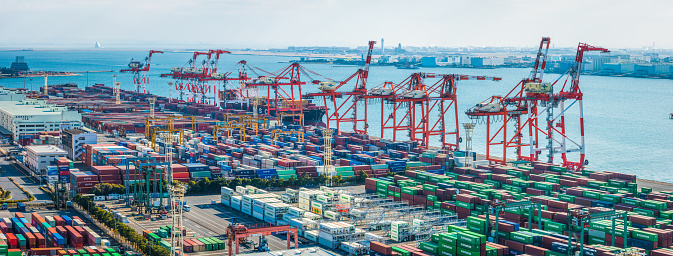
Maritime shipping enables smugglers to transport huge quantities of product with relatively limited risk of detection, given the size of the vessels and the time-sensitive nature of food imports, which must be checked promptly by customs officials.
The massive seizures this year also indicate that the cocaine trade has not been significantly disrupted by the covid-related supply-chain crisis. A boom in demand combined with covid problems in Asia have caused shortages of goods and shipping delays as vessels lie moored outside ports, waiting for a berth.
While South America has been affected by the crisis, import volumes from the east coast to Europe have not declined during the pandemic, according to Simon Heaney, a senior manager at maritime consultancy, Drewry. “I haven’t seen any evidence that volumes on this trade have been supressed by the supply chain issues,” Heaney told TRT World.
Food, in which cocaine is often hidden, is less vulnerable to disruption than electrical appliances. “The supply chain is much more complex with electrical goods – more intermediate components / parts that need to be shipped from various locations, increasing the risk of delays / raising costs,” Heaney said.
The pandemic forced traffickers to adapt their methods, selling drugs online and adopting novel delivery systems that reduce human contact, such as drones. (AP)
While the cost of sending freight has generally become more expensive amid the supply-chain crisis, including from South America, traffickers generally conceal their product in licit shipments, meaning they “do not pay for the cost of the shipping container”, according to Andrew Cunningham.
The trafficking of heroin along the Balkan Route through Iran and Turkey to Europe is mostly conducted in vehicles and has not been seriously affected by the shipping crisis, and the same goes for the meth trade in Southeast Asia, much of which happens overland between Lower Mekong countries.
The demand for narcotics might also have increased, Cunningham said. The use of drugs normally consumed in recreational settings, such as MDMA and cocaine, appeared to fall during the initial lockdowns in 2020, but has since bounced back, according to the EMCDDA’s 2021 drug report.
The pandemic forced traffickers to adapt their methods, selling drugs online and adopting novel delivery systems that reduce human contact, such as drones. While some of these adaptations might be temporary, others could transform the drug trade and further empower traffickers going forward.
The social and economic damage caused by Covid-19 could also drive more people into drugs. “Research findings associate inequality, poverty and lack of opportunities for socioeconomic development with increased drug use disorders and increased engagement in drug production and trafficking,” says the 2021 UN World Drug Report.
Narco-traffickers defied Covid-19 and now look set to reach new heights, as the stars are aligning for a further expansion of their trade.
Deux Auxerroises ont été interceptées sur l’A31 dans la nuit de dimanche à lundi en Meurthe-et-Moselle, avec dans le coffre 78 kilos de drogue, dont 12 kilos d’héroïne. L’opération, menée par la police judiciaire d’Auxerre et de Dijon, est l’aboutissement de plusieurs semaines d’enquête.
«Le premier conteneur provenait d’Équateur et était chargé de bananes destinées à une entreprise de Barendrecht», à proximité de Rotterdam.
«La cocaïne, dans le deuxième conteneur, a été trouvée dans un chargement de fèves de cacao, également en provenance d’Équateur, mais qui avait transité par la Colombie et était ensuite arrivé via Anvers».
Un troisième conteneur, chargé de ciment à destination du Portugal, contenait cinq sacs de sport remplis de drogue.
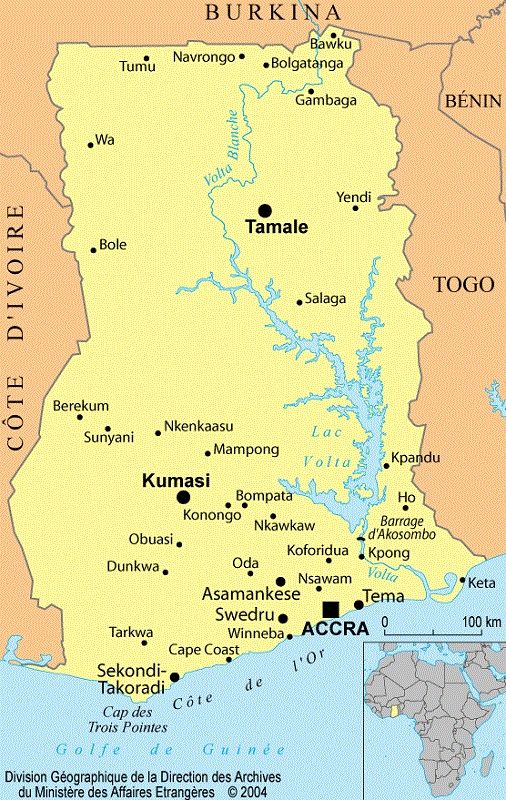
Les conteneurs lestés de coke étaient en partance pour l’Espagne, la France et le Ghana.
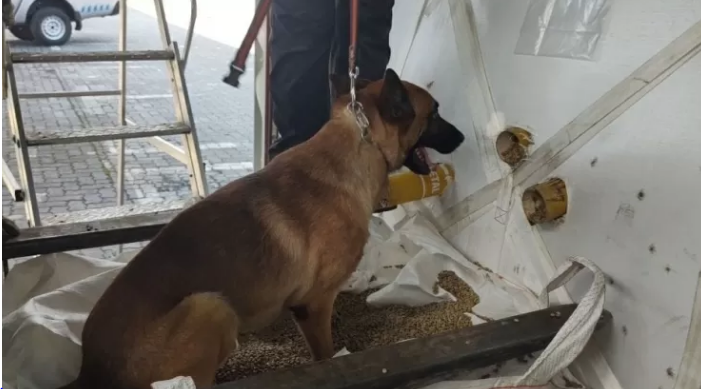
Les cargaisons de cocaïne ont été localisées lors d’inspections aléatoires à l’aide d’un chien dressé à la lutte contre la drogue, qui a localisé 561 kilos supplémentaires lundi dans un chargement de café en partance pour Le Havre et mardi 1 240 kilos supplémentaires de cocaïne.
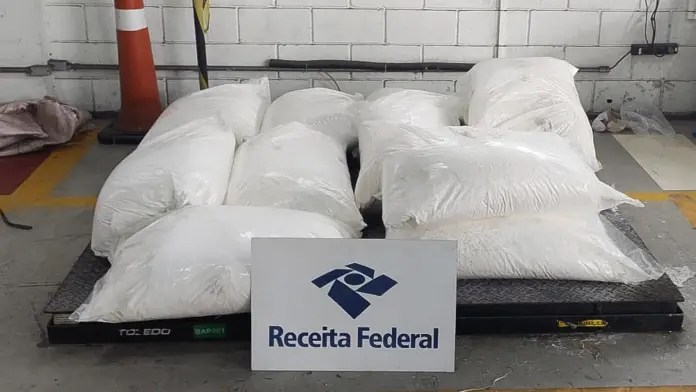
Lors d’une des inspections de mardi, plusieurs lots de cocaïne, pesant 736 kilos, ont été retrouvés cachés dans un chargement de jus d’orange qui devait partir vers le port de Valence (Espagne). Dans le second, 504 kilos de coke ont été saisis, cachés dans une cargaison de sucre raffiné qui devait être envoyée au port africain de Tema (Ghana).
Six trafiquants de drogue ont été interpellés en flagrant délit à Boulogne-Billancourt (Hauts-de-Seine). Ce réseau qui opérait en région parisienne et en province faisait venir des mules via l’aéroport d’Orly (Val-de-Marne).
Cette poudre blanche était destinée à alimenter toute l’Île-de-France mais aussi la province. Six hommes, âgés de 22 à 30 ans, ont été mis en examen à Nanterre (Hauts-de-Seine) en fin de semaine dernière avant d’être écroués.
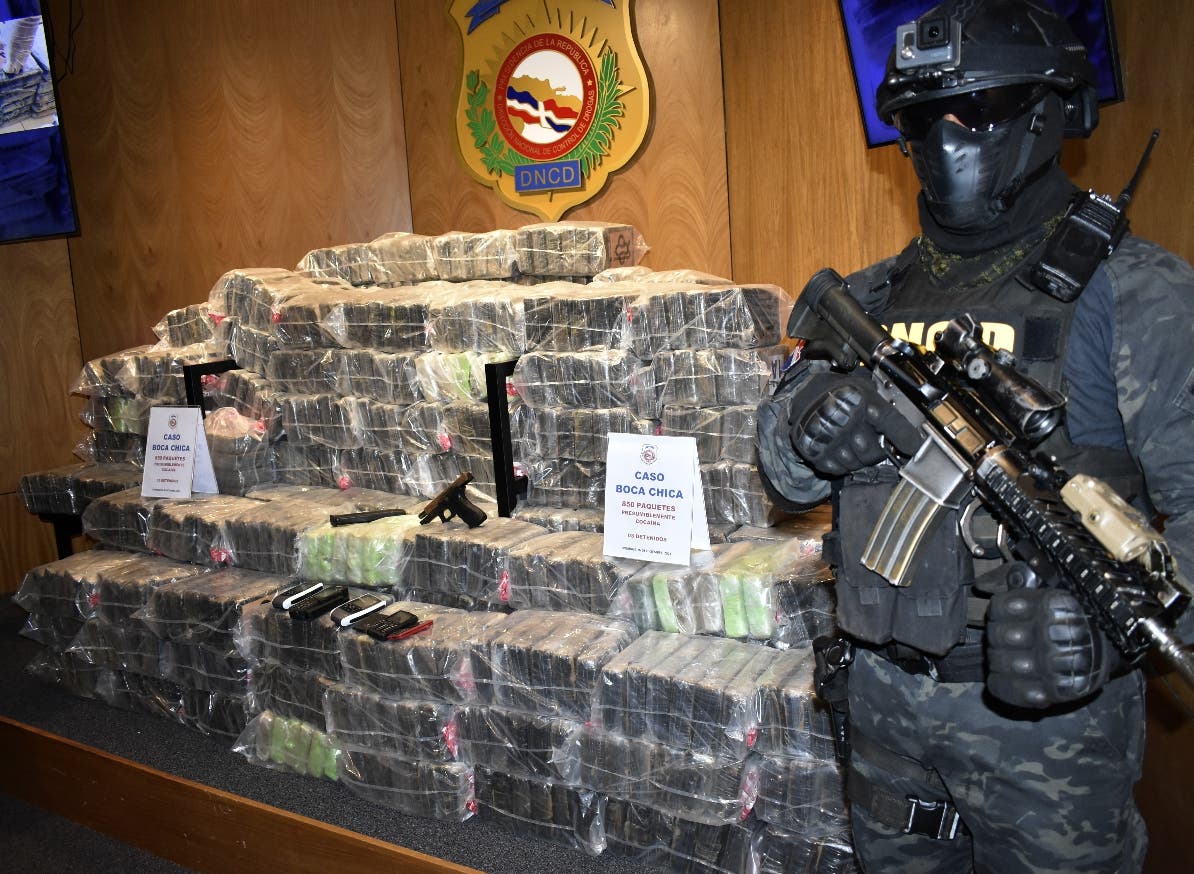
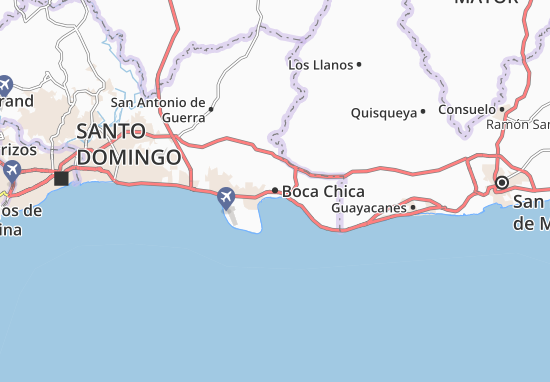
La DNCD (Direction nationale du contrôle des drogues), en collaboration avec la Marine de la République dominicaine (ARD) et sous la coordination du ministère public, a saisi dimanche 850 paquets de cocaïne sur les rives de la municipalité de Boca Chica, province de Santo Domingo, après une course-poursuite maritime.
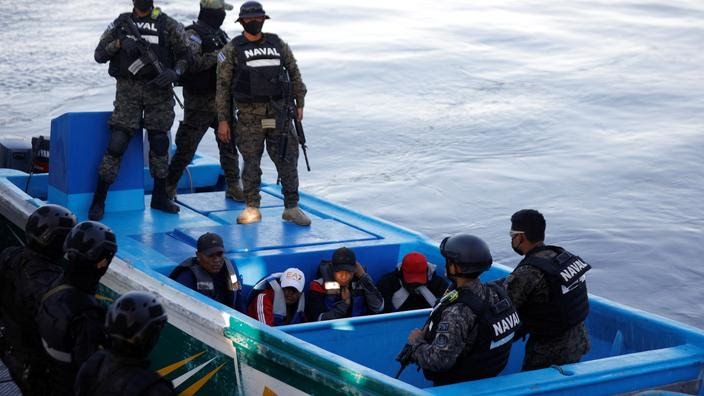
Les équipes des garde-côtes de l’ARD ont intercepté les occupants d’un hors-bord de type Eduardoño de 25 pieds de long près de la côte de Punta Palenque, dans la province de San Cristóbal, alors qu’ils tentaient d’introduire la cargaison en provenance d’Amérique du Sud.
L’Office anti-stupéfiants (Ofast) a saisi plus d’une tonne de cocaïne en provenance de Colombie mercredi dernier à proximité du port du Havre (Seine-Maritime).
Plusieurs trafiquants ont été interpellés, sans plus de précisions pour le moment.
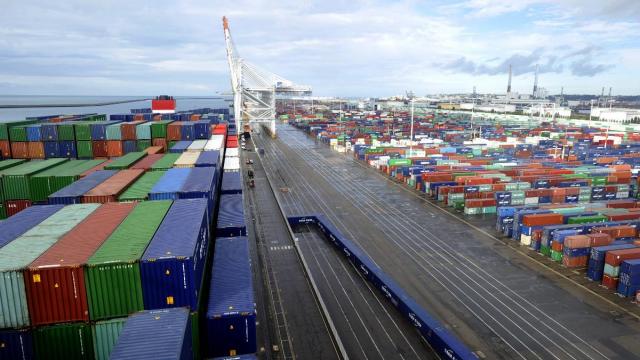
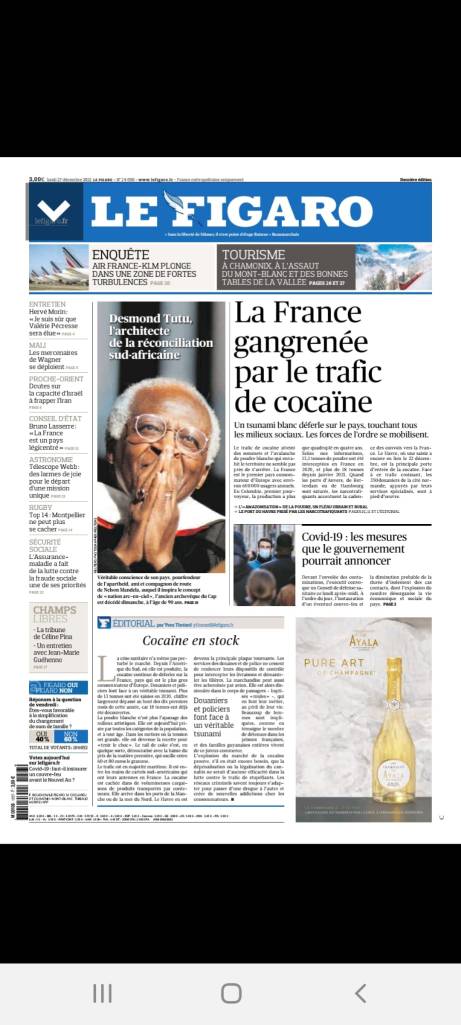
Les douanes scanneraient 6000 conteneurs par an alors qu´il en rentre (selon le Figaro) 7900 par jour ! Dans l’état actuel des moyens offerts par la technologie , il serait possible de scanner 100% du flux avec des scanners IGRIS.
L’action de la Douane française est une douce plaisanterie et ne sert qu’à donner l’impression qu’on agit…



 AVISEUR INTERNATIONAL