Aviseur International renseigne, sans complaisance, sur la problématique de la drogue, du narcotrafic, de la corruption et sur les politiques mises en œuvre par les différents Etats et les dérives que s'autorisent les fonctionnaires des administrations — aviseurinternational@proton.me — 33 (0) 6 84 30 31 81
En février 2022, la police colombienne a intercepté un appel d’un individu soupçonné de trafic de drogue. Le gars finalisait une vente en gros de cocaïne à un acheteur au Mexique. Il se vantait d’avoir une quantité importante sous la main qui pourrait être livrée à Denver, Miami et dans toutes les Caraïbes.
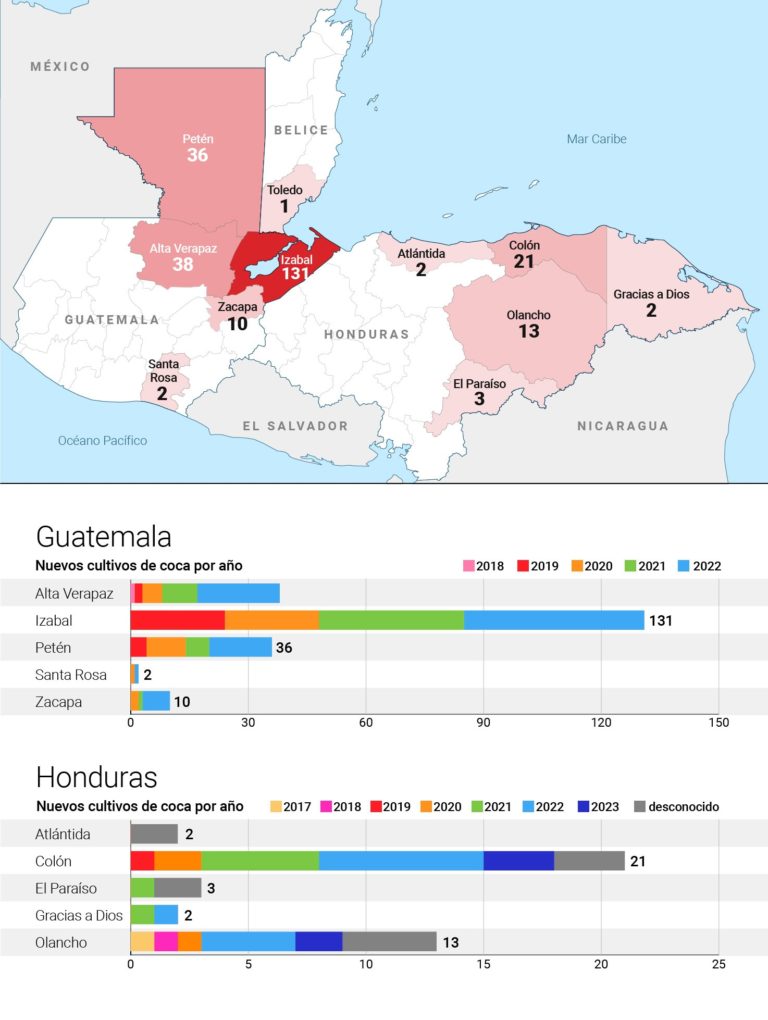
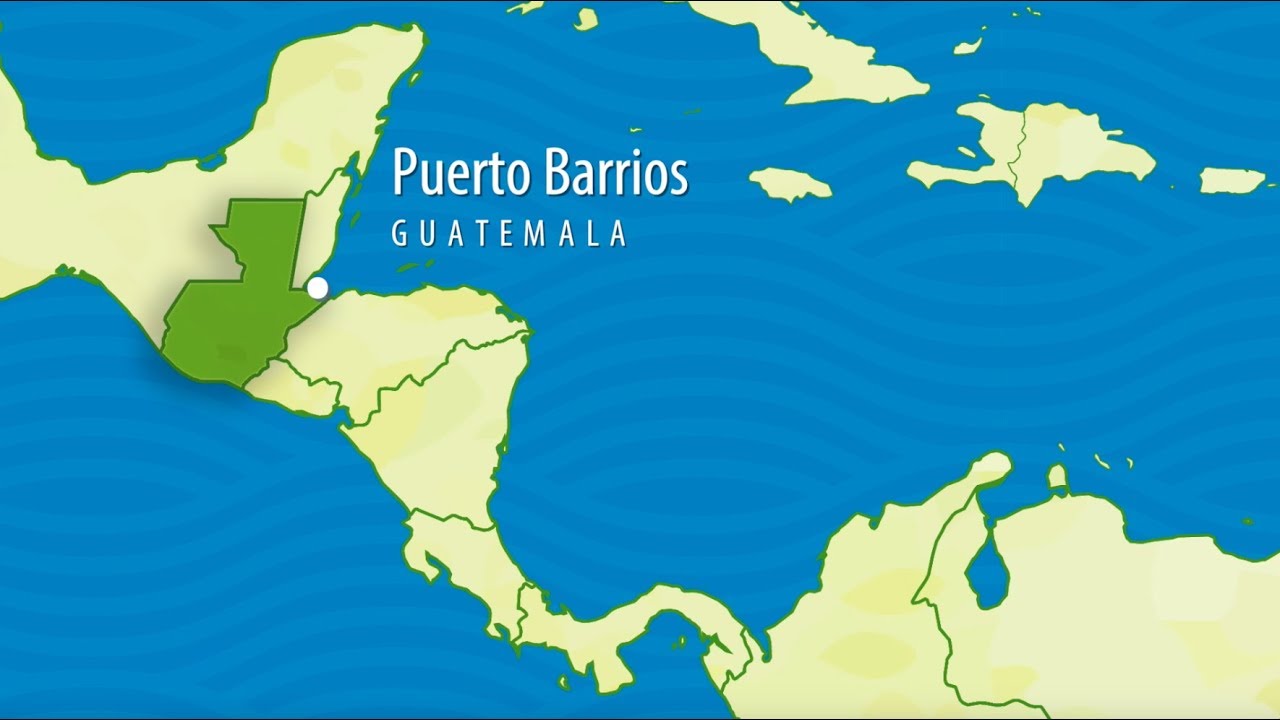
La cocaïne dont parlait le vendeur était cultivée au Guatemala, un pays situé à 2 000 kilomètres au nord-ouest des principaux pays producteurs et qui sert traditionnellement de point d’arrêt aux trafiquants.
Par Jonny Wrate (OCCRP), David Espino (El Universal), Jody García (Plaza Pública), Angélica Medinilla (Agencia Ocote), Enrique García (Ojoconmipisto), Víctor Méndez (Narcodiario), Arthur Debruyne, Brecht Castel (Knack), Juanita Vélez (CLIP-OCCRP)
Este artículo es parte de ‘NarcoFiles: el nuevo orden criminal’, una investigación periodística transnacional sobre el crimen organizado global, que explora cómo innova y cómo se extiende por el mundo. El proyecto, liderado por OCCRP con el apoyo del Centro Latinoamericano de Investigación Periodística (CLIP), se inició con una filtración de correos electrónicos de la Fiscalía General de La Nación de Colombia que fue compartida con medios de todo el mundo. Los periodistas examinaron y corroboraron el material junto a cientos de documentos, bases de datos y entrevistas.
C’est une enquête menée sur plus de 40 médias dans plus de 20 pays d’Amérique et d’Europe, dont Narcodiario, basée sur une fuite sans précédent, révèle comment la carte mondiale du crime organisé est en train de se modifier.
LOS ANGELES – A San Fernando Valley man was sentenced today to 144 months in federal prison for illegally selling firearms – including dozens of so-called “ghost guns” – and also selling pound quantities of methamphetamine. Julio Ernesto Lopez-Menendez, 27, of Reseda, was sentenced by United States District Judge André…
BEAUMONT, Texas – A Lufkin man has been sentenced to federal prison for trafficking drugs in the Eastern District of Texas, announced Drug Enforcement Administration (DEA) Special Agent in Charge Daniel C. Comeaux of the Houston Division and U.S. Attorney Damien M. Diggs. Daniel Lopez, 38, pleaded guilty to conspiracy…
MEDFORD, Ore.—The U.S. Attorney’s Office for the District of Oregon announced today that three southern Oregon drug traffickers, including the head of a Klamath Falls, Oregon, drug trafficking organization, have pleaded guilty in federal court following investigations by the U.S. Drug Enforcement Administration’s (DEA) Medford resident office. Juan Jessie Martinez-Gil…
LAREDO, Texas – Three Laredo residents have been sentenced for their roles in a conspiracy to distribute cocaine and launder money, announced Drug Enforcement Administration (DEA) Special Agent in Charge Daniel C. Comeaux of the Houston Division and U.S. Attorney Alamdar S. Hamdani. Cesar Mendiola, 57, Rafael Rodriguez, 63, and…
CORPUS CHRISTI, Texas – Two men have pleaded guilty to conspiring to traffic cocaine across the border, announced Drug Enforcement Administration (DEA) Special Agent in Charge Daniel C. Comeaux of the Houston Division and U.S. Attorney Alamdar S. Hamdani. Mikeal Jovany Phillips, 35, Huffman, and Juan Andres Rodriguez-Murillo, 31, Mexico…
KANSAS CITY, Mo. – A St. Joseph, Mo., man was sentenced in federal court today for his role in a conspiracy to distribute heroin and for illegally possessing firearms. Franklin T. Hicks Jr., also known as “Frankie,” 43, was sentenced by U.S. District Judge Greg Kays to 10 years and…
Brighton, CO — Today, the DEA Rocky Mountain Field Division joined Colorado’s 17th Judicial District Attorney Brian Mason, the Drug Trafficking Unit of the Adams County DA’s Office, and the North Metro Task Force to announce grand jury indictments against nine people accused of funneling fentanyl, methamphetamine, and cocaine into…
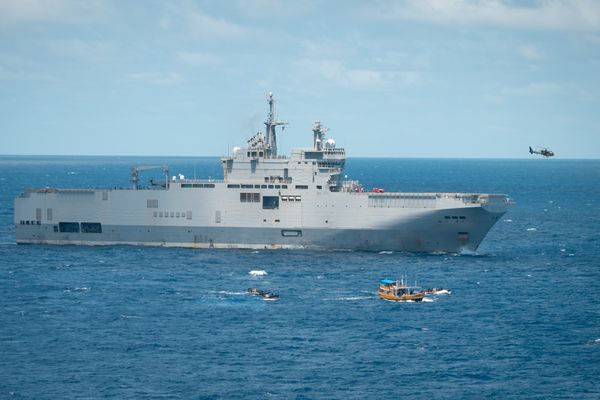
C’est le porte-hélicoptère Mistral, deuxième plus grand navire de guerre français après le porte-avion Charles de Gaulle, qui a été mobilisé pour cette saisie.
En provenance d’Amérique latine, un bateau de pêche a été intercepté samedi matin par la Marine française au large de l’Afrique de l’Ouest. Au total, 885 kg de cocaïne ont été découverts à son bord selon un communiqué publié ce dimanche 5 novembre par la préfecture maritime de l’Atlantique, qui a coordonné l’opération avec le procureur de la République de Brest (Finistère).
L’office anti-stupéfiants (Ofast) avait «sollicité l’intervention de la Marine nationale, à la lumière d’informations transmises par ses partenaires brésiliens, américains et britanniques».
Les autorités ont salué «la parfaite coopération entre les acteurs nationaux et internationaux de la lutte contre les stupéfiants, en particulier le centre opérationnel d’analyse du renseignement maritime pour les stupéfiants (MAOC-N) et l’Ofast»
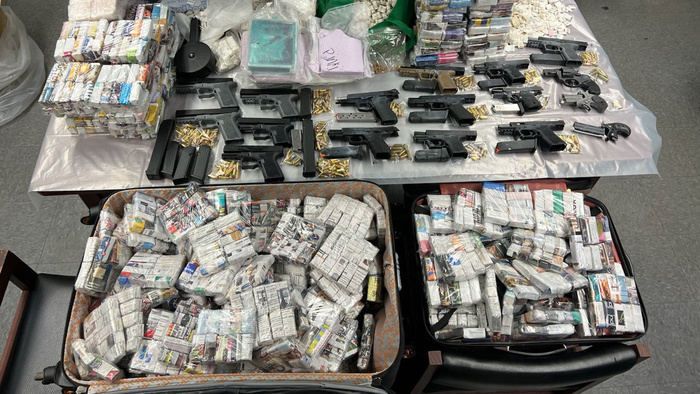
BELLEROSE, Queens (WABC) — Huit kilos d’héroïne, de fentanyl et de cocaïne, ainsi que des armes à feu et des centaines de cartouches ont été saisis lors d’une saisie massive de drogue dans une maison abandonnée du Queens.
Au total, 1,5 million de petites enveloppes remplies d’un mélange de ces drogues ont également été trouvées, ainsi que des armes de poing, des pièces d’armes et des centaines de cartouches
Victor Rodriguez, 43 ans, de Queens, a été arrêté pour plusieurs accusations liées à la drogue et aux armes à feu. Il a été inculpé le 27 octobre pour un acte d’accusation de 112 chefs d’accusation.
Les policiers ont saisi 55 kilogrammes de cocaïne; 80 kg de produits servant à la fabrication de drogue; un véhicule de luxe saisi en bien infractionnel; de l’équipement servant au trafic; des munitions d’armes à feu; et 5000$ en argent canadien.
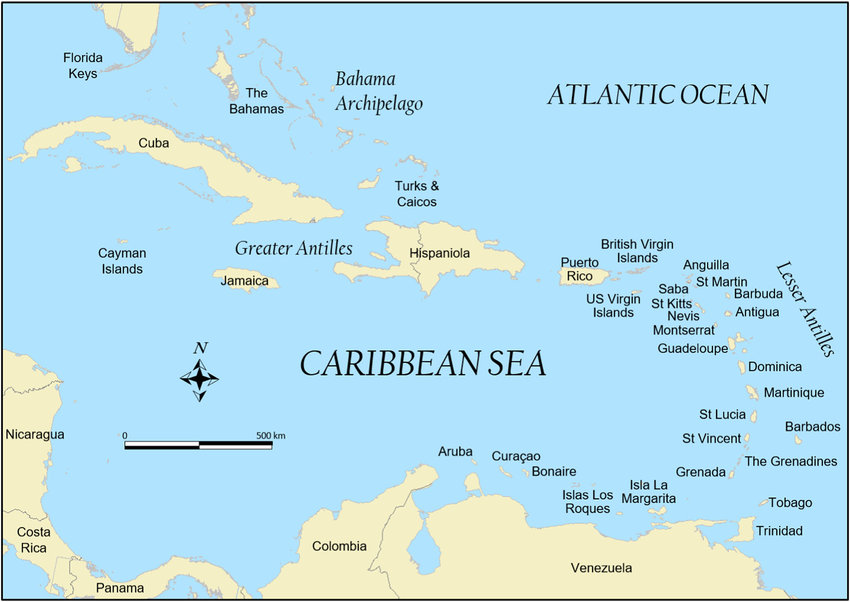
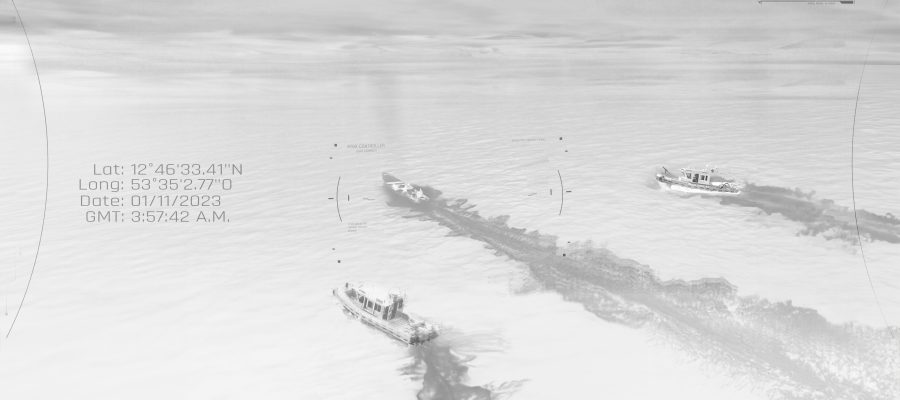
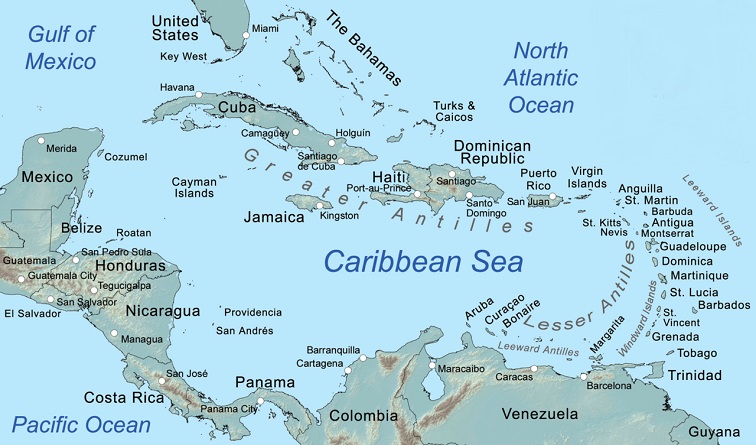
In the morning of November 1, after an impressive naval deployment, an intense chase was unleashed that culminated in the capture of two “Go-Fast” boats. This operation marked a milestone in the fight against a drug trafficking network that operated in the waters of the Lesser Antilles, revealing the dangerous reality of this illicit trade.
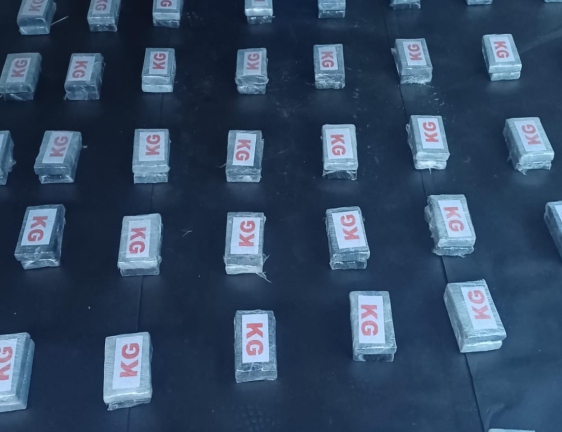
These two boats had suddenly appeared on the radars of the security forces at high speed, leaving one of the coasts of the neighboring countries. Each of the boats carried two crew members and an impressive cargo on board: two tons of alkaloid, carefully packaged in 58 rectangular packages.
C’est le moment où deux membres d’un gang qui tentaient d’introduire clandestinement au Royaume-Uni 139 kilos de cocaïne cachés dans une cargaison de bananes ont été pris en flagrant délit par la National Crime Agency.
°°°°
Prison for drugs gang who attempted to smuggle cocaine worth £11 million in bananas
Four members of an organised crime group have been jailed after attempting to smuggle 139 kilos of cocaine into the UK hidden in a consignment of bananas.
National Crime Agency investigators arrested the four as they unloaded a shipping container they believed contained the £11m pounds-worth of drugs in April 2022.
The container had arrived from Ecuador and was searched at London Gateway port.
Border Force officers found a number of cocaine packages in the roof area. These were removed and the container was resealed.
A few days later, Robert Ball, who was later found to be acting on behalf of an Albanian organised crime group, contacted the shipping line to ask them to release four containers, including the one he thought contained the drugs.
Ball, 59, from Altrincham, Cheshire, arranged for a transport company to collect and move the containers to a storage company in Herald Way, Coventry.
These movements were watched by NCA surveillance officers.
Ball, along with accomplices Florjan Ibra, Mirgent Shahu and Arman Kaviani, arrived a few days later, on 15 April 2022 (Good Friday). Ball had driven from Cheshire earlier that day, collecting Shahu at a Costa Coffee in Kings Heath, Birmingham.
Ball and Shahu gave instructions to Kaviani and Ibra at the storage yard, who used a forklift truck to get on top of the container.
They ripped open the roof using a crowbar and starting unloading packages they believed contained the drugs, but as they did so NCA and police officers moved in to arrest them. Kaviani and Ibra attempted to flee but were apprehended.
All four men were later charged with cocaine importation offences. Ball and Shahu were convicted by a jury at Warwick Crown Court on 26 May this year, while Ibra and Kaviani pleaded guilty at a previous hearing.
At the same court today (1 November) Ball and Shahu were each sentenced to 18 years imprisonment. Ibra was jailed for 13.5 years and Kaviani to 12 years and nine months at previous hearings.
NCA Operations Manager David Phillips said: “Ball and Shahu oversaw the nuts and bolts of this conspiracy on behalf of the organised crime group behind it.
“This group enlisted the assistance of Ibra and Kaviani, who they hoped would retrieve the drugs and make their efforts worthwhile.
“Unfortunately for these men, NCA officers were watching their every move before moving in to arrest them.
“Cocaine fuels violence and exploitation, including gang culture and firearm and knife crime in the UK and around the world.
“Removing this consignment from circulation will have been a sizeable blow to this criminal network, preventing them from generating profits that would have been invested in further criminality. We are determined to dismantle major international crime groups like this one from top to bottom.”
Immigration Minister Robert Jenrick said: “This is the latest example of Border Force officers seizing millions of pounds worth of cocaine and dismantling an abhorrent criminal gang.
“This case demonstrates how Border Force use cutting-edge technology to stay ahead of organised crime groups to keep our borders secure and protect our communities from illegal and dangerous substances.”
Caroline Hughes, Specialist Prosecutor for the CPS, said: “The offenders in this case were involved in a sophisticated criminal operation to import a significant amount of cocaine into the UK.
“The supply of drugs is motivated by greed. It is a lucrative business for those involved. It has disastrous consequences for those using drugs, their families and the community: a vast amount of crimes affecting the public are committed by users to pay for their habits.
“The CPS worked closely and effectively with the National Crime Agency to dismantle their dangerous operation, by building a strong case and bringing all of the offenders involved to justice.
“We will be pursuing confiscation proceedings against Robert Ball to recover the money he made from his criminality.”
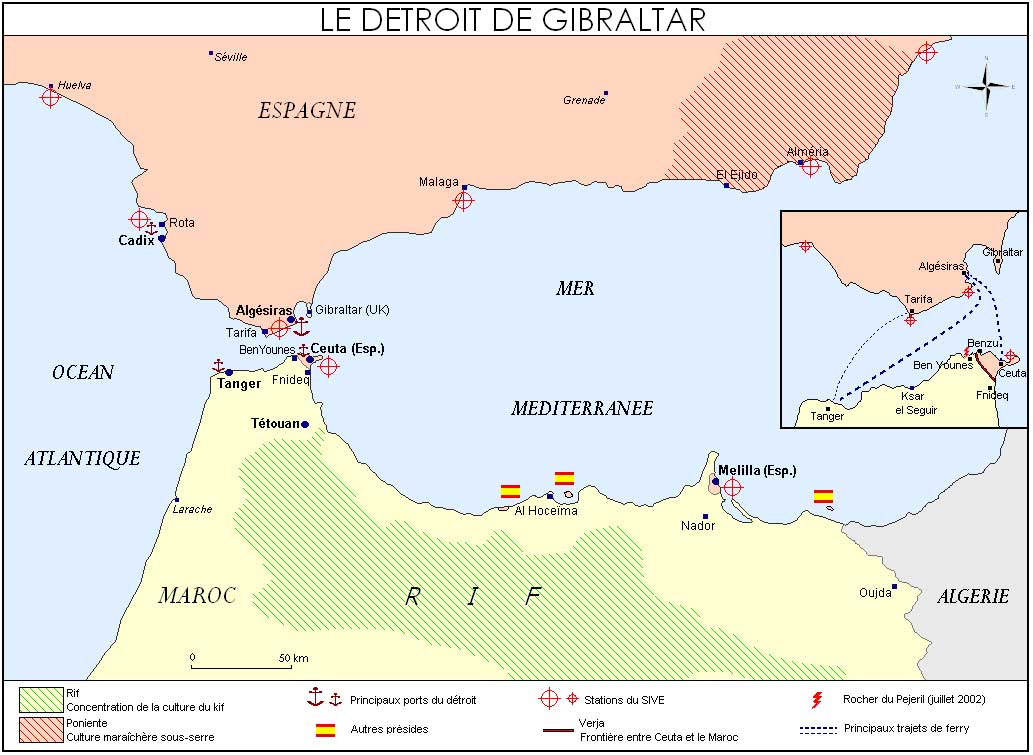
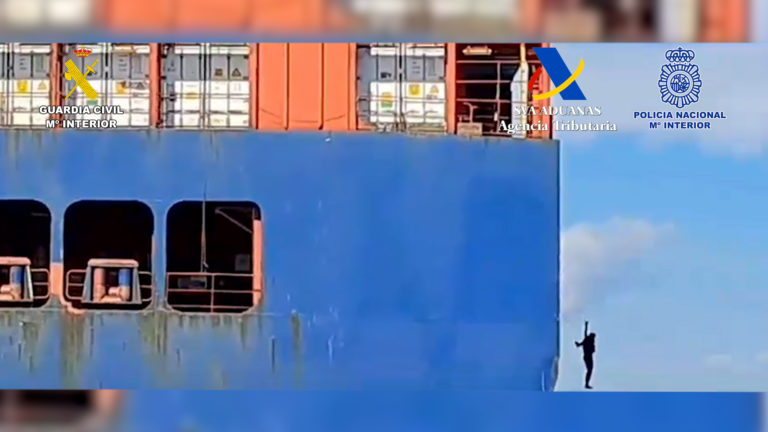
À 11 milles marins du port de Ceuta et grâce aux systèmes de surveillance, les autorités ont observé comment deux hommes jetaient trois balles de cocaïne d’un poids total de 100 kilos par-dessus la poupe du navire puis sautaient à la mer.
Ces deux personnes qui voyageaient clandestinement à bord d’un porte-conteneurs en provenance de Cartagena de Indias, en Colombie, à proximité du détroit de Gibraltar, ont été arrêtées.
C’est Emmanuel Fansten qui nous rapporte et c’est à lire dans Libération qu’aujourd’hui s’ouvre à Paris le premier procès emblématique des dérives de la lutte antidrogue.
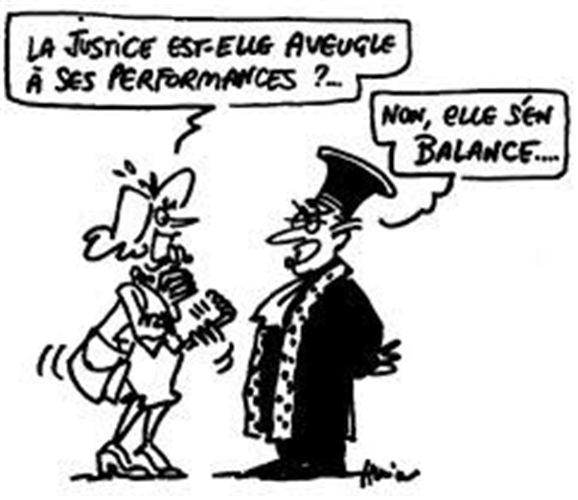
« L’ex-numéro 3 de l’Office des stups (Ocrtis, devenu Ofast) et actuel patron adjoint de la PJ de Bordeaux, Stéphane Lapeyre, va être jugé à Paris à partir du lundi 30 octobre pour «complicité de trafic de drogue» aux côtés de huit autres prévenus, dont son ancien subordonné Jocelyn Berret.«
Le point de vue de Marc Fievet
Ce n’est pas à mon avis le premier procès de ce type. Nos éminents « dalloziens », puisqu’aucun procureur n’aura pu classer verticalement ce dossier, vont s’employer à disséquer ces faits qui amènent ces fonctionnaires devant eux.
Espérons que le magistrat Christian De Rocquigny, adjoint à Stéphanie Cherbonnier, la cheffe de l’OFAST, viendra éclairer les magistrats chargés de juger ces fonctionnaires, sur les réalités du terrain, qu’il ne peut ignorer aujourd’hui.
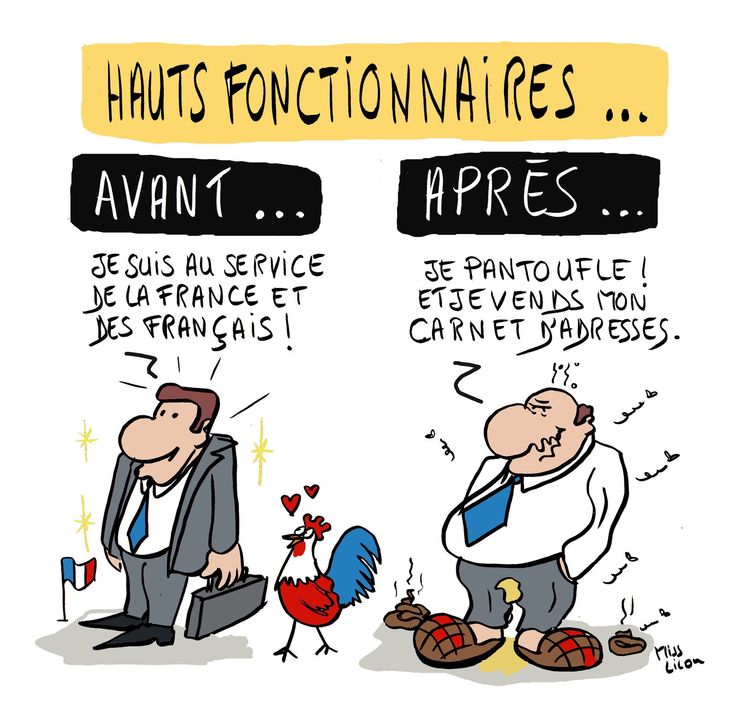
Certes l’utilisation du parapluie, de l’ombrelle voire du parasol est devenue une priorité absolue aujourd’hui pour les fonctionnaires, qu’ils soient de l’OFAST direct, du 36, de la DNRED et des militaires de la Gendarmerie, puisque toutes les « hautes hiérarchies », toujours exigeantes pour l’obtention de résultats destinés à satisfaire des ministres plus ou moins belliqueux , savent toujours se déresponsabiliser sans élégance et sans honneur.
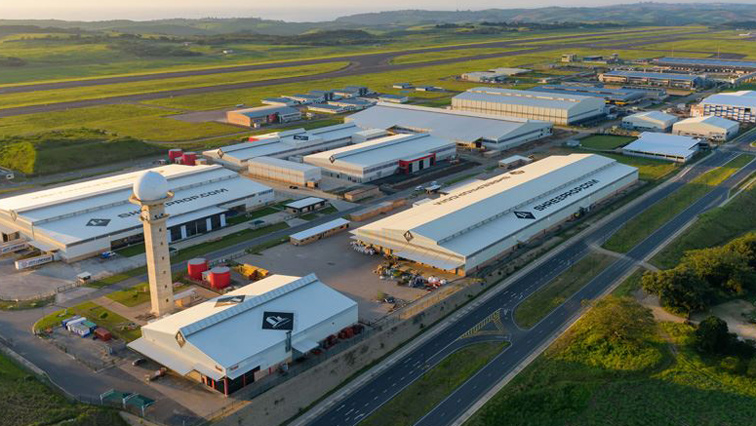
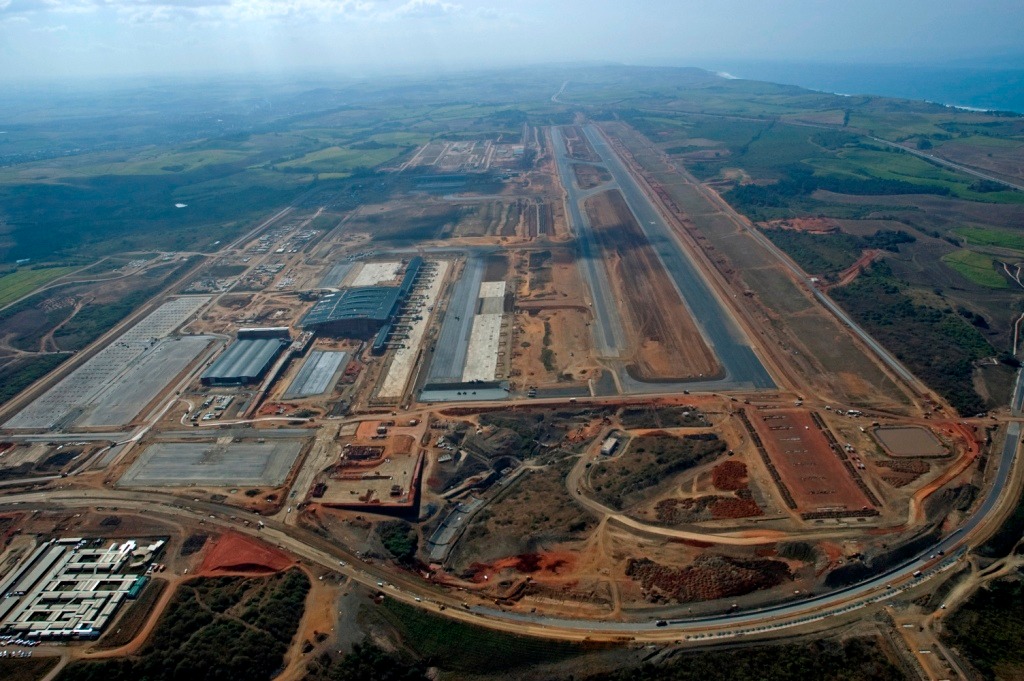
Les policiers du SAPS ont saisi 228 blocs de cocaïne à la suite d’une opération de renseignement au port commercial de Dube, au sein de l’aéroport international King Shaka.
Vendredi après-midi, un conteneur a été suivi jusqu’au port commercial de Dube, dans lequel 228 blocs de cocaïne ont été saisis. La cocaïne a été retrouvée dissimulée dans des caisses de viande et déguisée comme telle. », a indiqué le SAPS.
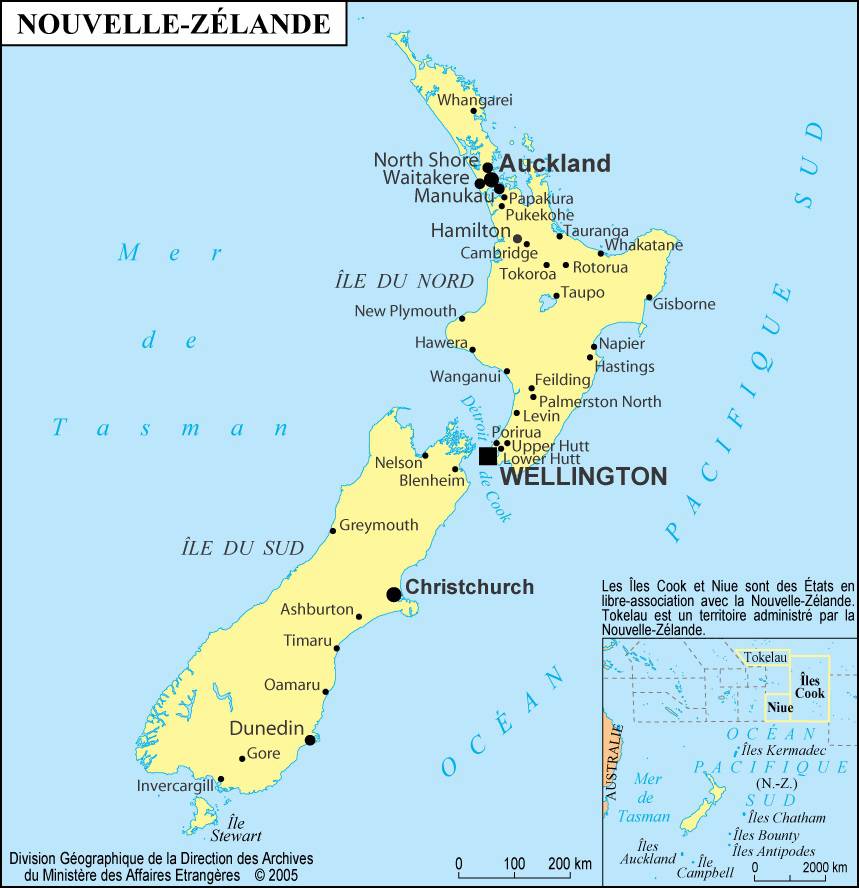
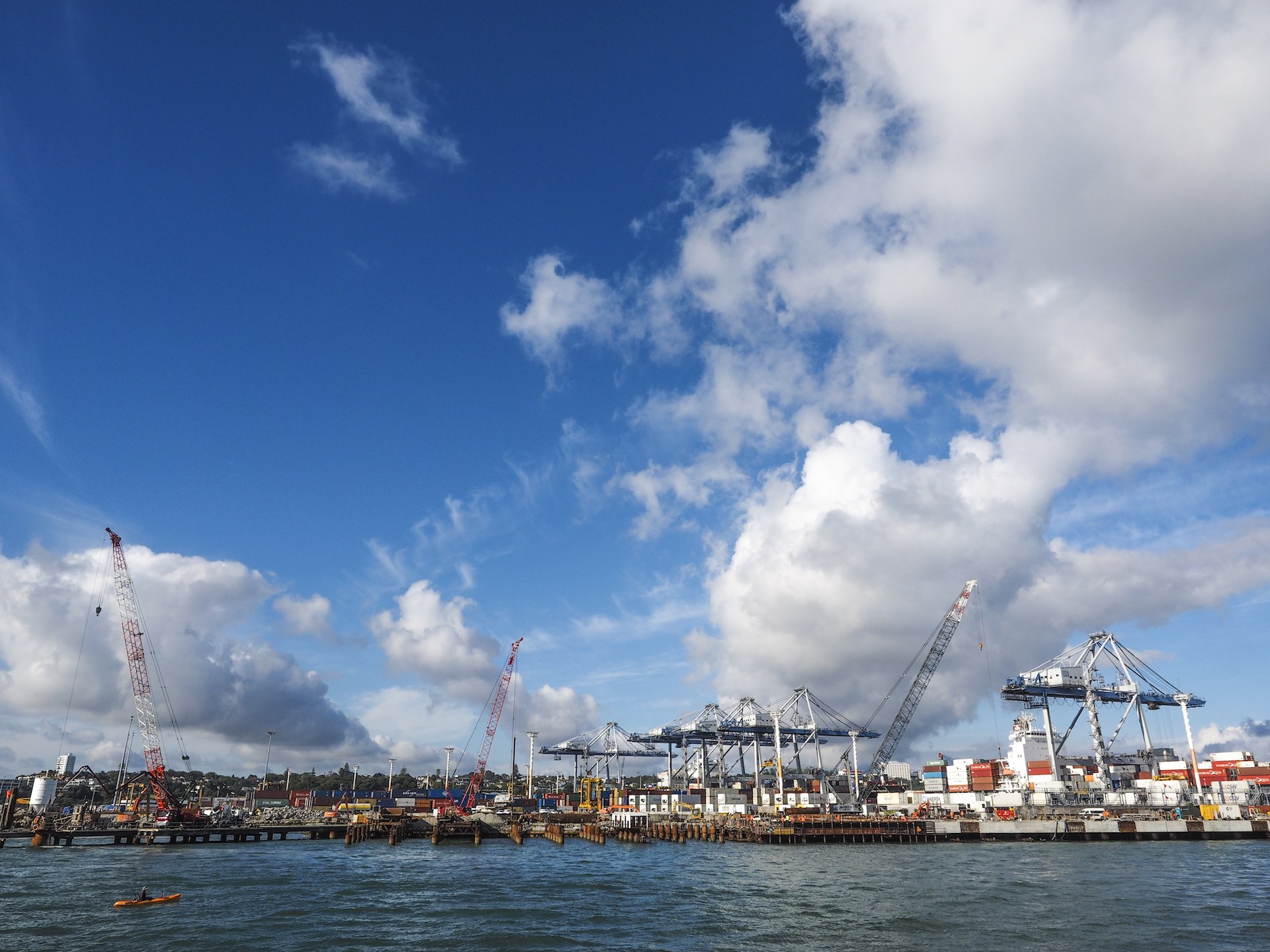
Les autorités néo-zélandaises ont annoncé vendredi avoir saisi 140 kilos de cocaïne en provenance d’Équateur lors d’une opération qui a abouti à l’arrestation de quatre personnes.
La coke avait été camouflée dans un trou d’un conteneur, qui avait quitté l’Équateur avant d’atteindre le port de la ville d’Auckland.
Ce mois-ci, d’importantes quantités de cocaïne ont été retrouvées échouées sur les plages de la côte sud de l’Angleterre.
Les habitants des zones côtières ont affirmé qu’il y avait une augmentation du nombre de personnes « ratissant » le rivage dans l’espoir de trouver des sacs de coke.
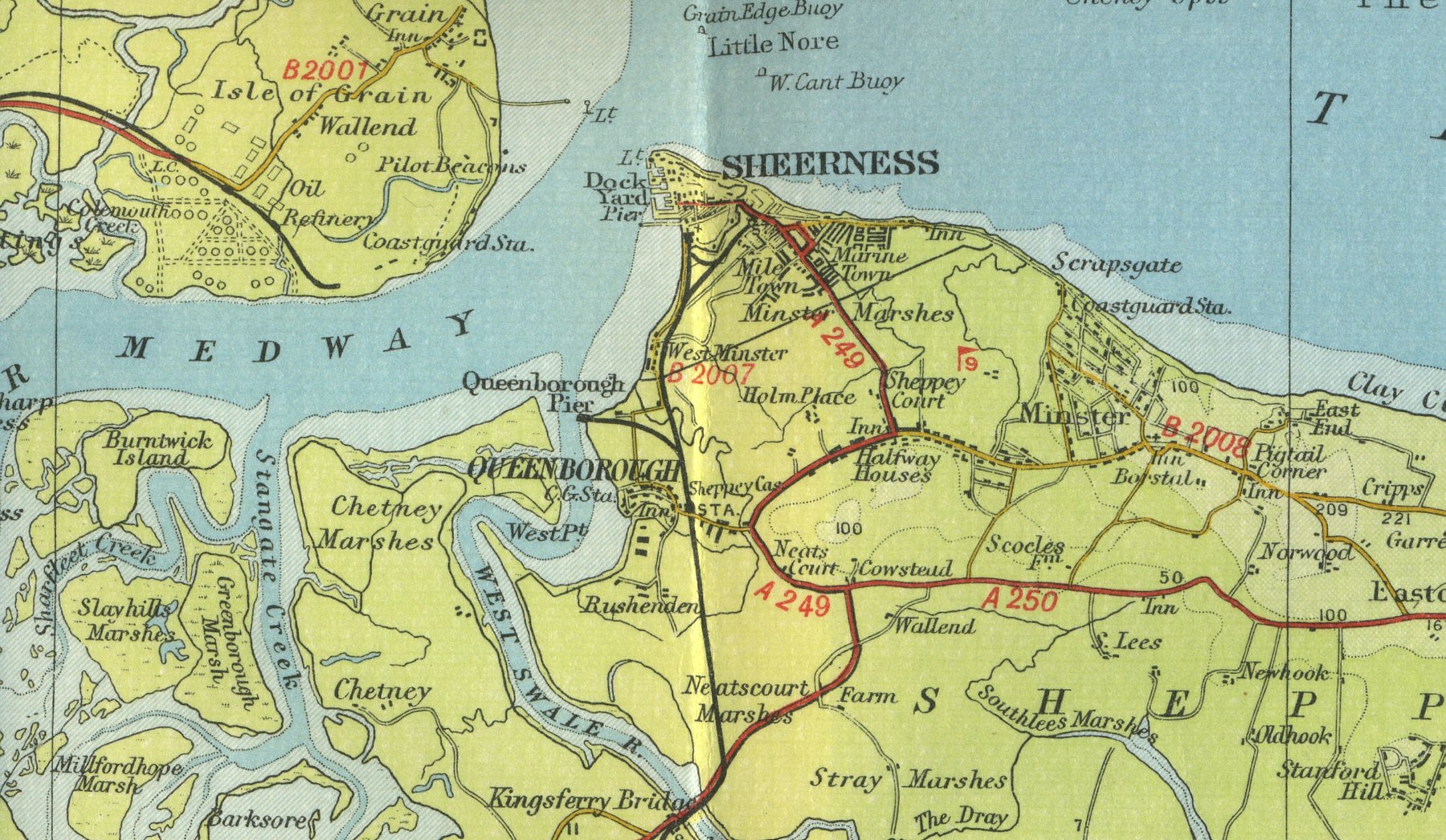
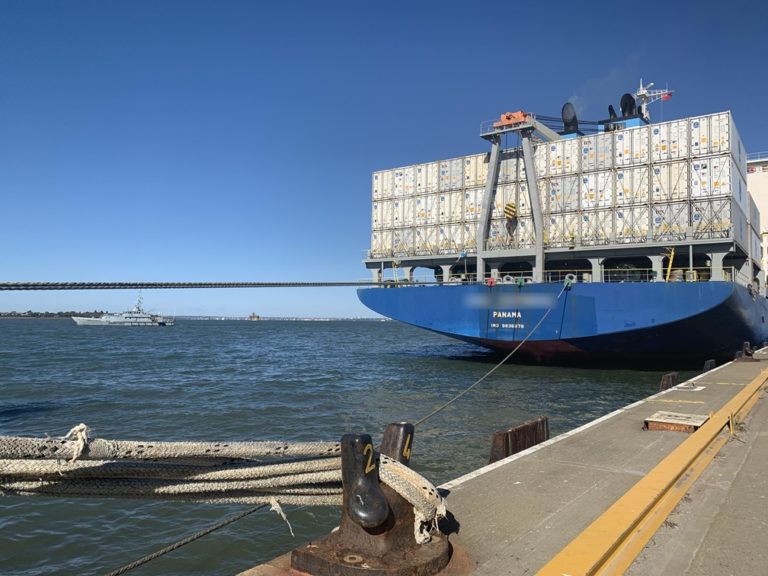
La cocaïne était cachée au fond d’un porte-conteneurs au port de Sheerness dans le Kent
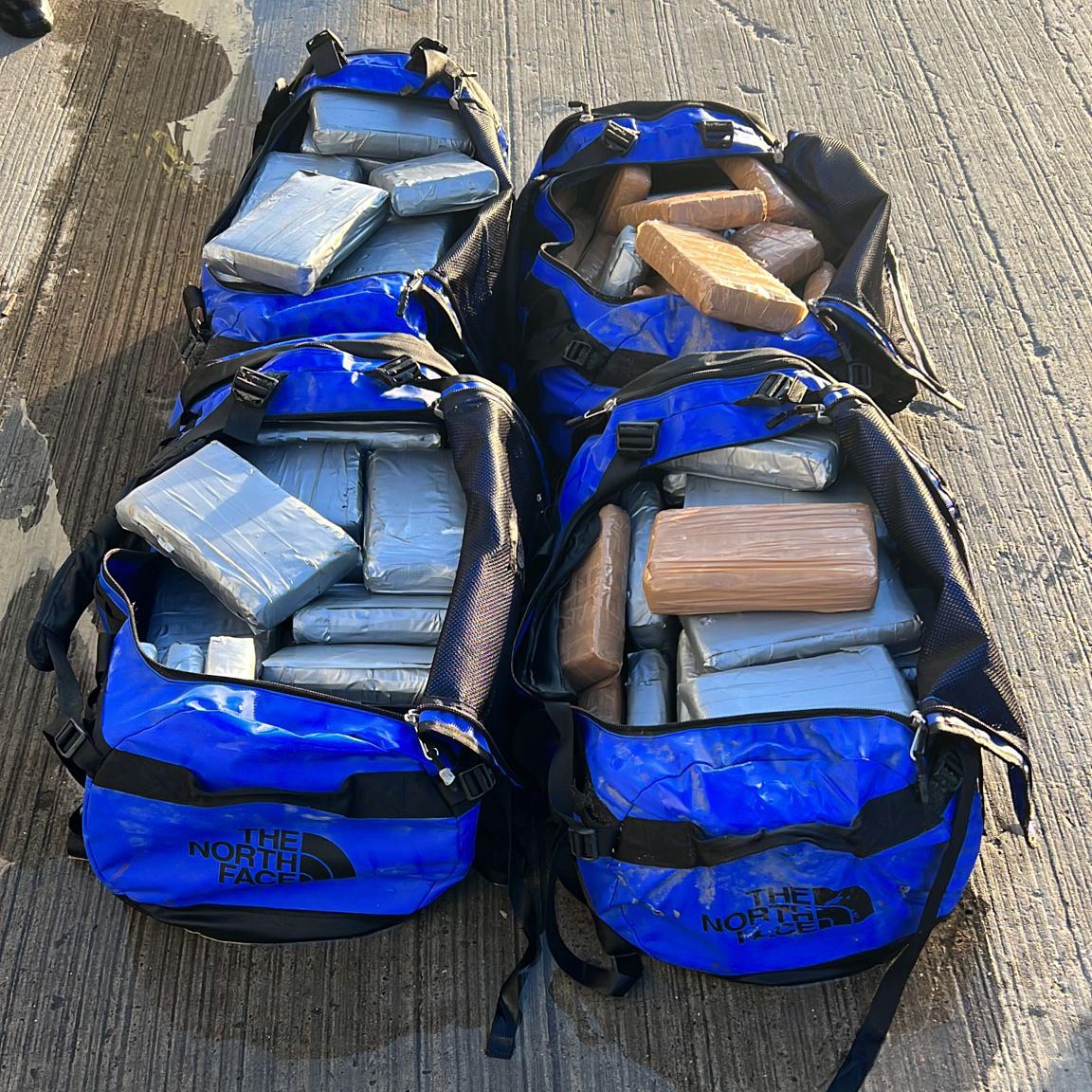
La coke, d’un poids de 137 kilos, a été trouvée sur un navire battant pavillon panaméen transportant un chargement de bananes. Ils avaient été placés dans quatre grands fourre-tout cachés sous la ligne de flottaison à l’intérieur du coffre de mer.
Le navire était en route pour les Pays-Bas. C’est suite aux informations fournies par la NCA que des équipes spécialisées ont entrepris des recherches après l’accostage du navire à Sheerness le 14 octobre.
Après avoir effectué une fouille sous-marine de la coque du navire dans des conditions de visibilité réduite, une équipe de plongeurs spécialisés a mis cinq heures pour récupérer la drogue, qui se trouvait derrière des grilles boulonnées.
Craig McKenzie, 41, conspired to supply heroin, cocaine and cannabis from the Netherlands, Spain and North America. He was a well-known offender in the North West of England.
Craig McKenzie, 41 ans, a œuvré pour fournir de l’héroïne, de la cocaïne et du cannabis en provenance des Pays-Bas, d’Espagne et d’Amérique du Nord. C’était un narco bien connu dans le nord-ouest de l’Angleterre.
McKenzie faisait appel à des courtiers pour livrer ses clients basés principalement à Liverpool et Manchester, mais aussi au Pays de Galles et à Londres.
Operation Venetic: ‘Teflon’ drugs boss with £250k watch is jailed for 20 years
A drugs boss who had a £250,000 watch has been sentenced to 20 years in prison after a National Crime Agency investigation.
McKenzie, of Hatchmere Close, Cheadle Hulme, Greater Manchester, used runners to move his drugs to customers who were mainly based in Liverpool and Manchester but were also as far afield as Wales and London.
Evidence suggested he sent money from his drugs sales to notorious offenders in Spain and the United Arab Emirates through money laundering channels.
McKenzie, who was jailed today (Mon 23 Oct) at Manchester Crown Court after being convicted by a jury, enjoyed a flashy lifestyle which to outward appearances he had earned through his property business ‘Teflon Holdings’.
Despite only have a declared income of around £33,000 in 2021, he wore the £250,000 Richard Mille RM11-03 rose gold titanium watch, drove a brand new BMW X5 and a VW Tiguan R-Line. When NCA officers raided his house they also found £128,000 worth of designer goods and clothing and £33,000 in cash.
Proceeds of Crimes Act proceedings have begun against him and £1.5m of assets have been restrained.
McKenzie was arrested in February 2022 by NCA officers investigating high-end drug dealing conducted through the EncroChat encrypted communications platform.
The EncroChat platform was taken down in 2020 and Operation Venetic, the UK law enforcement response led by the NCA was launched.
Investigators waded through 11,043 messages between McKenzie’s ‘Manlydesert’ handle and his conspirators going from March 2020 to June 2020.
They showed that McKenzie – who was acquitted of murder in December 2011 – had established close ties with prolific, wanted, international criminals and these relationships bought him access to other criminal conspiracies unfolding in the UK and overseas.
McKenzie was convicted of conspiring to supply 45kg of cocaine and 14kg of heroin with a joint street value of £5m, and 90kg of cannabis with a street value of £900,000.
During the three-month period in 2020, McKenzie also laundered approximately £400,000.
He has 18 separate convictions from 26 offences starting in 1996 when he was convicted of robbery at age 13.
He was accused of murdering Amran Khan, aged 29, over a heroin debt in 2009 but was cleared after telling the jury he had nothing to do with drugs and was a car dealer. Two co-accused were convicted of the murder.
Dean Wallbank, NCA senior investigating officer, said: “Craig McKenzie was under the belief that he was untouchable and was arrogant to the point that he called one of his cover businesses Teflon Holdings as he believed that none of his crimes would stick to him.
“My officers built an overwhelming case that showed McKenzie was a commercial-scale drugs boss who had international criminal contacts and who used his business as cover.
“Operation Venetic is the UK’s deepest and broadest penetration of serious and organised crime ever and has led to the convictions of offenders like McKenzie who had previously gone under the radar.
“The NCA will continue to do all we can at home and abroad to tackle criminals who supply Class A drugs and bring huge harm to our communities.”
23 October 2023
°°°°°°°°°°
Et dans NARCODIARIO
Un capo de la droga que tenía un reloj de 250.000 libras esterlinas ha sido condenado a 20 años de prisión tras una investigación de la Agencia Nacional contra el Crimen (NCA, por sus siglas en inglés) propiciada por la desencriptación de la aplicación Encrochat.
Craig McKenzie, de 41 años, conspiró para suministrar heroína, cocaína y cannabis desde Holanda, España y América del Norte. Era un delincuente muy conocido en el noroeste de Inglaterra. McKenzie utilizaba corredores para llevar sus drogas a clientes que tenían su base principalmente en Liverpool y Manchester, pero que también se encontraban en lugares tan lejanos como Gales y Londres.
La evidencia también sugiere que envió dinero de sus ventas de drogas a delincuentes notorios en España y los Emiratos Árabes Unidos a través de canales de lavado de dinero.
McKenzie, que fue encarcelado este lunes, 23 de octubre, en el Tribunal de la Corona de Manchester, después de ser declarado culpable por un jurado, disfrutaba de un estilo de vida llamativo que, según las apariencias, se había ganado a través de su negocio inmobiliario ‘Teflon Holdings’.
A la suite de ces deux opérations de poursuite maritime, les gardes-côtes ont procédé à l’arrestation de quatre Dominicains et d’un Vénézuélien, constaté le naufrage d’un des bateaux des narco-transporteurs, fait un sauvetage et … au final, saisi 500 kilos de coke.
C’est à la hauteur de Carthagène que les ‘gardes-côtes’ colombiens ont aperçu un sloop à la dérive. Après visite à bord, ils ont trouvé 500 kilos de cocaïne.
Publiée en mars 2023, une étude de l’Observatoire français Collectif des drogues et des tendances addictives parue en mars 2023 dresse un constat alarmant : en vingt ans, la consommation de cocaïne, deuxième drogue illicite la plus répandue en France, a fortement augmenté.


 National Crime Agency investigators arrested the four as they unloaded a shipping container they believed contained the £11m pounds-worth of drugs in April 2022.





 Craig McKenzie, 41, conspired to supply heroin, cocaine and cannabis from the Netherlands, Spain and North America. He was a well-known offender in the North West of England.
 AVISEUR INTERNATIONAL