Aviseur International renseigne, sans complaisance, sur la problématique de la drogue, du narcotrafic, de la corruption et sur les politiques mises en œuvre par les différents Etats et les dérives que s'autorisent les fonctionnaires des administrations — aviseurinternational@proton.me — 33 (0) 6 84 30 31 81
En février 2022, la police colombienne a intercepté un appel d’un individu soupçonné de trafic de drogue. Le gars finalisait une vente en gros de cocaïne à un acheteur au Mexique. Il se vantait d’avoir une quantité importante sous la main qui pourrait être livrée à Denver, Miami et dans toutes les Caraïbes.
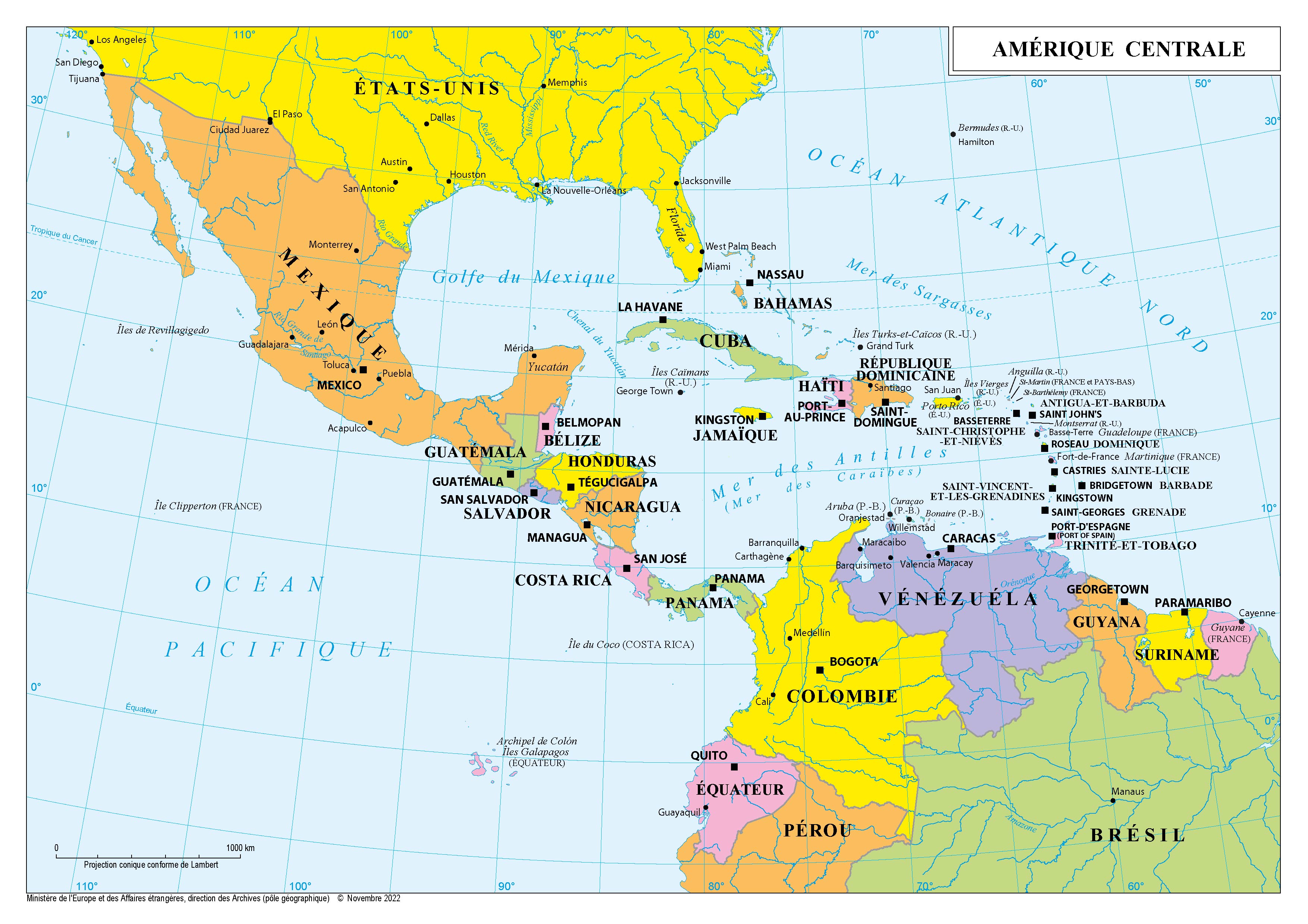
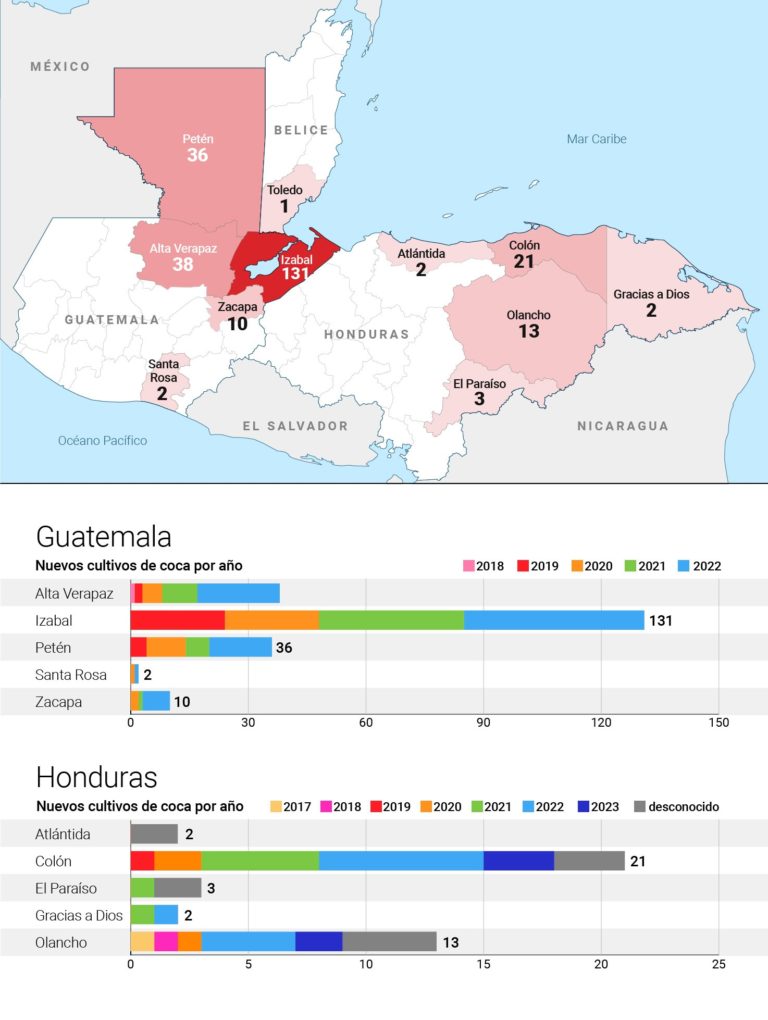
La cocaïne dont parlait le vendeur était cultivée au Guatemala, un pays situé à 2 000 kilomètres au nord-ouest des principaux pays producteurs et qui sert traditionnellement de point d’arrêt aux trafiquants.
Par Jonny Wrate (OCCRP), David Espino (El Universal), Jody García (Plaza Pública), Angélica Medinilla (Agencia Ocote), Enrique García (Ojoconmipisto), Víctor Méndez (Narcodiario), Arthur Debruyne, Brecht Castel (Knack), Juanita Vélez (CLIP-OCCRP)
Este artículo es parte de ‘NarcoFiles: el nuevo orden criminal’, una investigación periodística transnacional sobre el crimen organizado global, que explora cómo innova y cómo se extiende por el mundo. El proyecto, liderado por OCCRP con el apoyo del Centro Latinoamericano de Investigación Periodística (CLIP), se inició con una filtración de correos electrónicos de la Fiscalía General de La Nación de Colombia que fue compartida con medios de todo el mundo. Los periodistas examinaron y corroboraron el material junto a cientos de documentos, bases de datos y entrevistas.
Le projet journalistique international, en coopération avec plus de 40 autres médias dans le monde, a été mené par le collectif Organised Crime and Corruption Reporting Project (OCCRP), en collaboration avec le Centro Latinoamericano de Investigación Periodística (CLIP)
La Colombie produit environ 60 % de la cocaïne consommée dans le monde
Les NarcoFiles donnent également une idée de ce qui se passe avant qu’une grosse cargaison de cocaïne n’arrive au port d’Anvers. Par exemple, les contrebandiers utilisent des vedettes rapides pour monter sur un porte-conteneurs à l’aide d’une échelle, ou pour récupérer des « cajas de mar », des tubes métalliques remplis de coke qui sont fixés à la coque d’un navire.
Depuis 2019, les plongeurs du port d’Anvers vérifient également la présence de ces derniers.
NarcoFiles: The New Criminal Order is an international investigation into modern-day organized crime and those who fight it. A collaboration between more than 40 media outlets, it is the largest investigative project on organized crime to originate in Latin America, a region hit hard by drug trafficking and the violence and corruption that come with it.
The project was sparked by a leak of emails from the Colombian prosecutor’s office, known as Fiscalía General de la Nación. The leak was shared last year with OCCRP and several Latin American outlets, including Cerosetenta / 070, Vorágine, and the Centro Latinoamericano de Investigación Periodística (CLIP).
OCCRP collated the data and brought in media organizations from 23 countries across the Americas and Europe to analyze the contents. The resulting stories provide a rare window into how criminal groups are collaborating, communicating, and innovating in a globalized world.
Where does the leak come from?
In 2022, a group of “hacktivists” known as Guacamaya obtained the emails by breaking into the Microsoft Exchange Server, a platform used by the Colombian prosecutor’s office. In a press release attributed to the collective, Guacamaya said they had targeted institutions they accused of enabling corruption and organized crime.
Microsoft had asked its clients to make a security update earlier in the year, but many companies and institutions in Latin America failed to do so. Guacamaya was able to exploit this vulnerability to hack the prosecutor’s office as well as several other military and police institutions, regulatory agencies, and companies across Latin America.
They shared the data with two organizations: Distributed Denial of Secrets, a collective that distributes and archives leaked data of public interest; and Enlace Hacktivista, a web page that publishes information about hacking tools and news. These two groups shared the leak with OCCRP and several Latin American media outlets.
The Colombian prosecutor’s office launched a criminal investigation into the breach in October 2022. The office also said it was looking into the contractor in charge of its IT infrastructure. In January this year, Deputy Prosecutor Martha Mancera said the office was taking measures to tighten cybersecurity.
OCCRP and its partners in Colombia contacted the prosecutor’s office to request an interview and sent a set of questions about the leak. By the time of publication, the office had not responded.
What’s in the leak?
At five terabytes, the leak contains more than seven million emails from the Colombian prosecutor’s office, including correspondence with embassies and other authorities around the world. The files — which also comprise audio clips, PDFs, spreadsheets, and calendars — date to 2001, though most of the information is concentrated between 2017 and 2022.
Documents in the leak reveal rare details about the inner workings of transnational criminal gangs and law enforcement’s efforts to dismantle them. In their stories, reporters explored six main themes:
Criminal Empires investigates how organized crime groups have fanned out around the globe, permeating economies, corrupting authorities, and expanding their reach across borders.
Narcotics Inc. looks at how criminal gangs are innovating and evolving their business models in the face of new economic incentives and opportunities for experimentation.
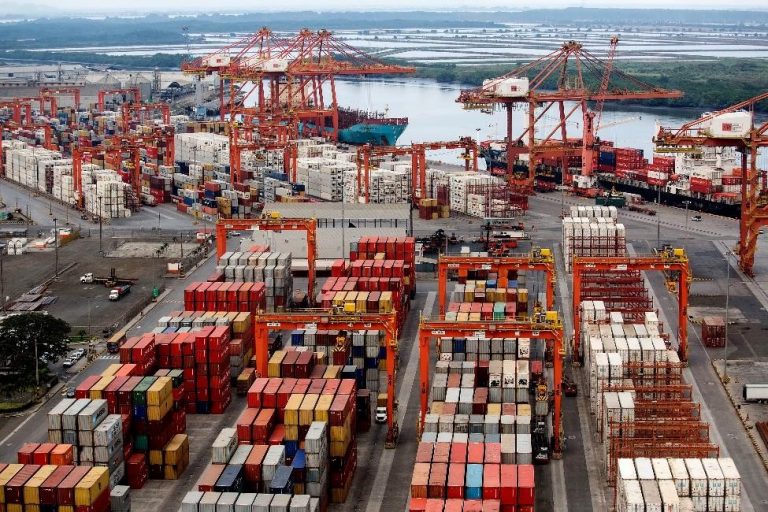
Drowning in Drugs dives into the murky world of commercial ports that have become a hotbed of criminal activity, from Antwerp and Rotterdam to Gioia Tauro, Guayaquil, Santa Marta, and Limón.
Dark Money investigates underground flows of illicit drug profits and the financial professionals who help enable these crimes.
Green Crimes exposes the environmental impact of organized crime, and how their activities are destroying wildlife, polluting rivers, and threatening protected areas.
Police and Thieves looks at the role of law enforcement agencies who are on the front lines in the fight against organized crime — but sometimes become part of the problem.
How did reporters verify information found in the leak?
To confirm the leak’s authenticity, reporters cross-checked identifying data, such as court case numbers, with publicly available information. National identification numbers were checked against public databases, and company names and ownership information were verified in corporate registries. The names of prosecutors and agents were also checked on agency webpages.
To further corroborate the data, reporters filed public information requests, reviewed hundreds of public and private documents and databases, and interviewed police, convicted criminals, experts, and victims of the drug trade.
After sorting through the emails, reporters identified leads that were used as starting points for further investigation. In most cases, documents from the leak ended up comprising only a small portion of the sources used in each story. Measures were also taken to protect third parties and to avoid disrupting ongoing investigations.
Why did OCCRP and its partners decide to report on this leak?
Organized crime fuels corruption, devastates the environment, sows inequalities, and slows economic development. That is why it is essential for investigative journalism to expose the people behind drug trafficking and other criminal activities and show how they operate.
In Colombia, citizens have the right to access information of public interest, and media outlets have the right to publish this information, regardless of the source. One of the country’s highest tribunals, the Constitutional Court, has ruled that no sources are inherently off limits for journalists.
Jonathan Bock, director of the Foundation for Press Freedom, a Colombian advocacy organization known by its Spanish acronym FLIP, told OCCRP that “the right to freedom of expression means that the media have the right to disseminate information according to their own editorial criteria, as long as they act in compliance with the law and under [the principles of] journalistic responsibility.”
How many media outlets participated?
Journalists from more than 40 media outlets published investigations in the NarcoFiles project. The organizations include:
Agencia Ocote (Guatemala)
Aristegui Noticias (Mexico)
Armando.info (Venezuela)
Berlingske (Denmark)
BIRD (Bulgaria)
Cerosetenta / 070 (Colombia)
Centro Latinoamericano de Investigación Periodística (Latin America)
CNN en Español (United States)
Con Criterio (Guatemala)
Contracorriente (Honduras)
Cuestión Pública (Colombia)
De Tijd (Belgium)
Der Standard (Austria)
Die Dunkelkammer (Austria)
El Universal (Mexico)
Expresso (Portugal)
Frontstory.pl (Poland)
Het Parool (Netherlands)
InfoLibre (Spain)
InSight Crime (Latin America)
Investigace.cz (Czech Republic)
IrpiMedia (Italy)
Knack (Belgium)
La Prensa (Panama)
Mexicanos Contra la Corrupción y la Impunidad (Mexico)
Miami Herald (United States)
Mongabay Latam (Latin America)
Narcodiario (Spain)
No Ficción (Guatemala)
Ojoconmipisto (Guatemala)
OjoPúblico (Peru)
Paper Trail Media (Germany)
piauí (Brazil)
PlanV (Ecuador)
Plaza Pública (Guatemala)
Profil (Austria)
Quinto Elemento Lab (Mexico)
Siena (Lithuania)
SVT (Sweden)
Univisión (United States)
UOL (Brazil)
Verdad Abierta (Colombia)
Vorágine (Colombia)
ZDF (Germany)
Fact-checking was provided by the OCCRP Fact-Checking Desk.
#NarcoFiles: España, meeting point del crimen organizado
Los grandes cárteles mantienen oficinas en España: la Mocro Maffia, el Balkan Cartel, la mafia rusa, la ‘Ndrangheta, el clan irlandés Kinahan, colombianos y mexicanos / Tres organizaciones gallegas tienen capacidad para completar el negocio de principio a fin; el resto de los españoles trabajan para los extranjeros / Narcodiario e Infolibre publican en exclusiva en España los NarcoFiles, una investigación internacional coordinada por el consorcio OCCRP con el apoyo del CLIP en la que participan más de 40 medios
Víctor Méndez / Begoña P. Ramírez (Infolibre)
Los grandes capos colombianos llegaron a España en los años 80 tras una violenta espiral que azotó Cali y Medellín y el asesinato del ministro de Justicia Rodrigo Lara Bonilla.
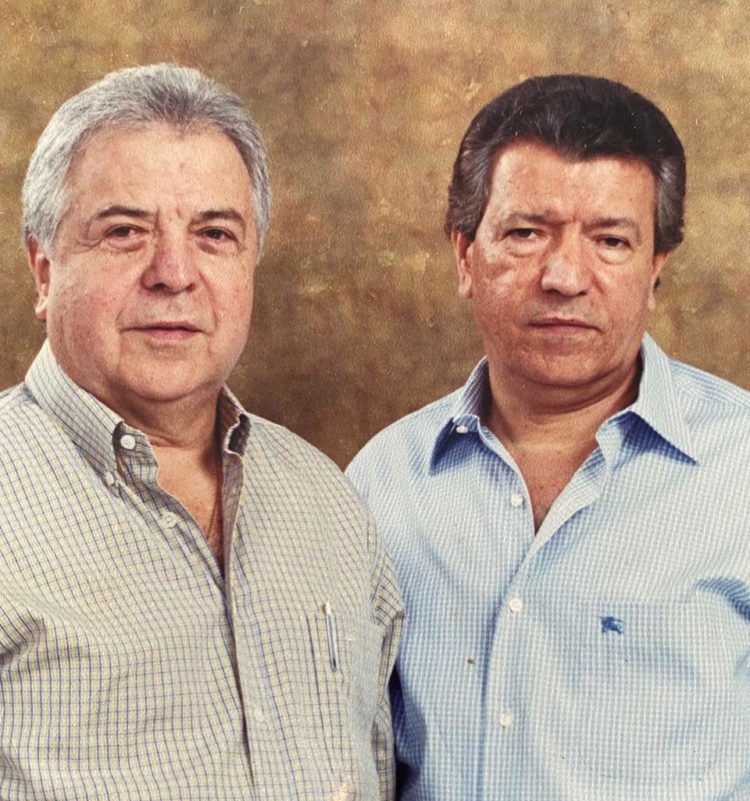
Pablo Escobar y, con más firmeza, Gilberto Rodríguez Orejuela, echaron raíces a este lado del Atlántico para introducir su cocaína en Europa. Un negocio que ya era floreciente para ellos en dirección a Miami o Nueva York precisaba de nuevos mercados y París, Madrid, Londres o Milán eran perfectos. En la década de 1990, los traficantes locales ya tenían sus propias redes y sus conexiones perfectamente engrasadas para introducir la sustancia, que principalmente entraba en lanchas rápidas por la costa noroeste española.
Los hermanos Rodríguez Orejuela / Narcodiario
En ese tiempo, coincidiendo con el crecimiento económico y social del país tras los Juegos Olímpicos de Barcelona y la Exposición Universal de Sevilla, también comenzaron a llegar a la Península Ibérica excombatientes de la guerra de Los Balcanes. Muchos de ellos permanecían un tiempo en Italia, donde estrechaban lazos con la Camorra napolitana o la ‘Ndrangheta, la mafia calabresa. Unos –balcánicos, tanto albaneses como serbios y croatas– y otros –transalpinos– se asentaron en España, pero con especial arraigo en la Costa del Sol. Primero cometían robos o prostituían a sus compatriotas, incluso familiares directas, pero pronto apreciaron los mayores beneficios y el menor riesgo que les brindaba el narcotráfico.
Ahora dominan el mercado de la cocaína
En el cambio de siglo, con el boom del mercado inmobiliario y el auge del turismo, delincuentes de otras nacionalidades pusieron su pie en España, algunas por casualidad y otras por puro negocio. Entre estas últimas estaban los Kinahan irlandeses,el mayor cartel de la droga de las islas británicas y cuyos líderes encontraron un buen refugio en las costas andaluzas. También rusos, franceses, holandeses o suecos se asentaron en la Península. Algunos se fijaron en el sur de Europa en busca del apreciado hachís marroquí, aunque pronto se percataron de que la droga sudamericana les pasaba ante sus narices y apostaron fuerte para tomar su parte del pastel.
Punto de encuentro del crimen organizad
“Son auténticas cooperativas. Están establecidos en la zona de la Costa del Sol, claramente afincados allí, y tienen una gran capacidad de organización”, describe Macarena Arroyo, fiscal en el Campo de Gibraltar, y a cargo de la Operación Faukas –la parte española de la Operación Dessert Light coordinada por Europol–, que sirvió para acreditar que los grandes cárteles europeos mantienen oficinas estables en España, por ser la puerta de entrada de toda clase de drogas, y en Dubái, por ser el mejor lugar para refugiarse y para blanquear. “Si necesitan un proveedor, lo buscan; si necesitan un transportista, lo buscan; tienen una capacidad increíble para conseguir sus objetivos. Son cárteles que se están constituyendo como sucedió en su momento en Colombia y que ahora están creciendo con fuerza en Europa. Disponen de embarcaciones, teléfonos encriptados, dispositivos de localización…, tienen medios más potentes que las fuerzas de seguridad”, advierte la fiscal.
°°°°°°
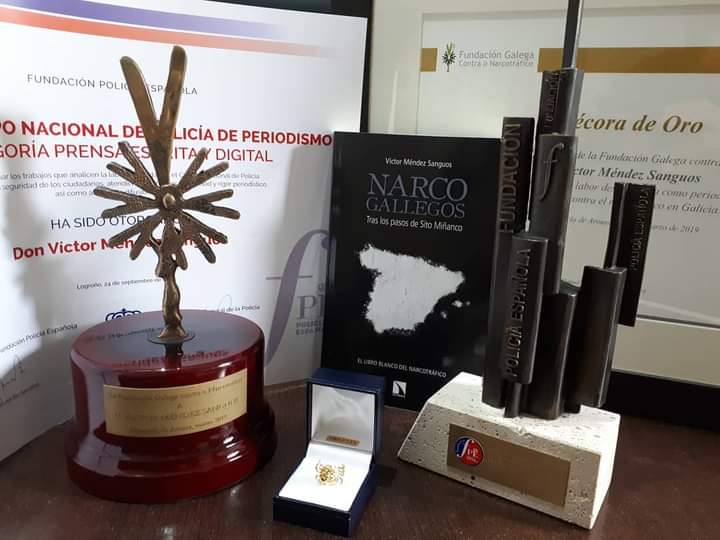
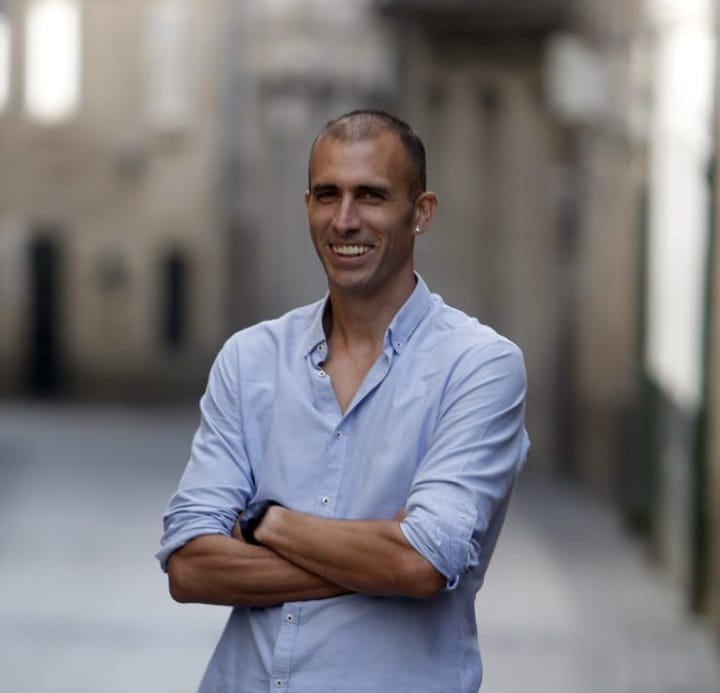
Por su labor como periodista de investigación, Víctor Méndez Sanguos ha recibido los premios:
Nécora de Oro de la Fundación Galega Contra o Narcotráfico
Premio Policía Nacional de Periodismo
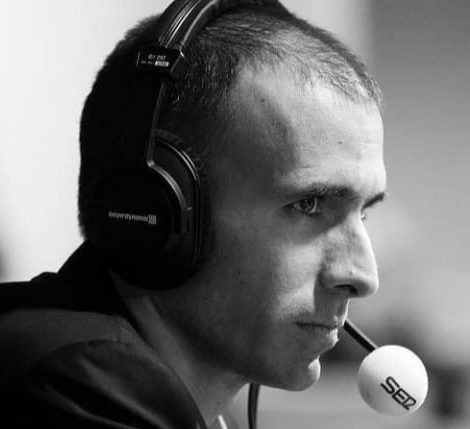
NARCODIARIO est le principal journal d’information sur le trafic de drogue en espagnol et son fondateur, c’est Víctor Méndez Sanguos, journaliste spécialisé, auteur de deux livres sur le trafic de drogue. Il est pleinement impliqué dans les enquêtes journalistiques liées au trafic de drogue au niveau international depuis 15 ans. Son objectif est que Narcodiario se consolide comme la référence de toute actualité sur le trafic de drogue.
NARCODIARIO vous dit TOUT (ou presque), en temps réel.
°°°°°°
Trés surpris que Víctor Méndez Sanguos que j’ai rencontré longuement à Bayonne en France n’est pas jugé intéressant de parler des années 90. Il est vrai que mon discours n’a jamais été obséquieux jusqu’à encenser les services officiels et qu’AVISEUR INTERNATIONAL n’est pas un blog à la gloire des services antistups.
Un peu des années 1990…
Les « historiens » du DEA avaient déja refait l’histoire de cette opération à laquelle a participé la DNRED par l’infiltration de NS 55!
Aujourd’hui, la DEA a fait encore plus fort… Cette opération a disparu des écrans du DEA.
C’est une enquête menée sur plus de 40 médias dans plus de 20 pays d’Amérique et d’Europe, dont Narcodiario, basée sur une fuite sans précédent, révèle comment la carte mondiale du crime organisé est en train de se modifier.
LOS ANGELES – A San Fernando Valley man was sentenced today to 144 months in federal prison for illegally selling firearms – including dozens of so-called “ghost guns” – and also selling pound quantities of methamphetamine. Julio Ernesto Lopez-Menendez, 27, of Reseda, was sentenced by United States District Judge André…
BEAUMONT, Texas – A Lufkin man has been sentenced to federal prison for trafficking drugs in the Eastern District of Texas, announced Drug Enforcement Administration (DEA) Special Agent in Charge Daniel C. Comeaux of the Houston Division and U.S. Attorney Damien M. Diggs. Daniel Lopez, 38, pleaded guilty to conspiracy…
MEDFORD, Ore.—The U.S. Attorney’s Office for the District of Oregon announced today that three southern Oregon drug traffickers, including the head of a Klamath Falls, Oregon, drug trafficking organization, have pleaded guilty in federal court following investigations by the U.S. Drug Enforcement Administration’s (DEA) Medford resident office. Juan Jessie Martinez-Gil…
LAREDO, Texas – Three Laredo residents have been sentenced for their roles in a conspiracy to distribute cocaine and launder money, announced Drug Enforcement Administration (DEA) Special Agent in Charge Daniel C. Comeaux of the Houston Division and U.S. Attorney Alamdar S. Hamdani. Cesar Mendiola, 57, Rafael Rodriguez, 63, and…
CORPUS CHRISTI, Texas – Two men have pleaded guilty to conspiring to traffic cocaine across the border, announced Drug Enforcement Administration (DEA) Special Agent in Charge Daniel C. Comeaux of the Houston Division and U.S. Attorney Alamdar S. Hamdani. Mikeal Jovany Phillips, 35, Huffman, and Juan Andres Rodriguez-Murillo, 31, Mexico…
KANSAS CITY, Mo. – A St. Joseph, Mo., man was sentenced in federal court today for his role in a conspiracy to distribute heroin and for illegally possessing firearms. Franklin T. Hicks Jr., also known as “Frankie,” 43, was sentenced by U.S. District Judge Greg Kays to 10 years and…
Brighton, CO — Today, the DEA Rocky Mountain Field Division joined Colorado’s 17th Judicial District Attorney Brian Mason, the Drug Trafficking Unit of the Adams County DA’s Office, and the North Metro Task Force to announce grand jury indictments against nine people accused of funneling fentanyl, methamphetamine, and cocaine into…
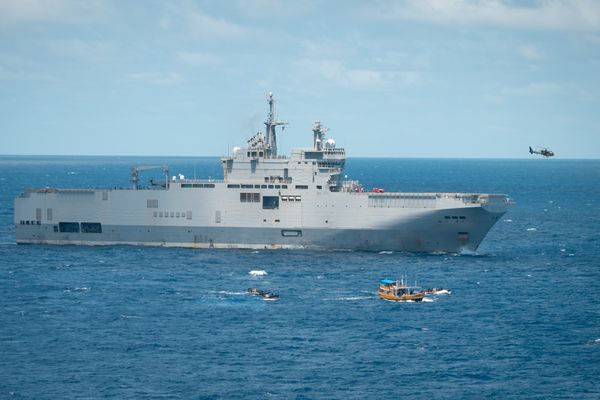
C’est le porte-hélicoptère Mistral, deuxième plus grand navire de guerre français après le porte-avion Charles de Gaulle, qui a été mobilisé pour cette saisie.
En provenance d’Amérique latine, un bateau de pêche a été intercepté samedi matin par la Marine française au large de l’Afrique de l’Ouest. Au total, 885 kg de cocaïne ont été découverts à son bord selon un communiqué publié ce dimanche 5 novembre par la préfecture maritime de l’Atlantique, qui a coordonné l’opération avec le procureur de la République de Brest (Finistère).
L’office anti-stupéfiants (Ofast) avait «sollicité l’intervention de la Marine nationale, à la lumière d’informations transmises par ses partenaires brésiliens, américains et britanniques».
Les autorités ont salué «la parfaite coopération entre les acteurs nationaux et internationaux de la lutte contre les stupéfiants, en particulier le centre opérationnel d’analyse du renseignement maritime pour les stupéfiants (MAOC-N) et l’Ofast»
Surnommé le « gangster de Facebook » également connu sous le nom de Reis
Ce « narco-business » s’étendait de l’Amérique du Sud, à l’Australie, aux Pays-Bas, à Hong Kong, à la Corée du Sud et à l’Afrique du Sud.
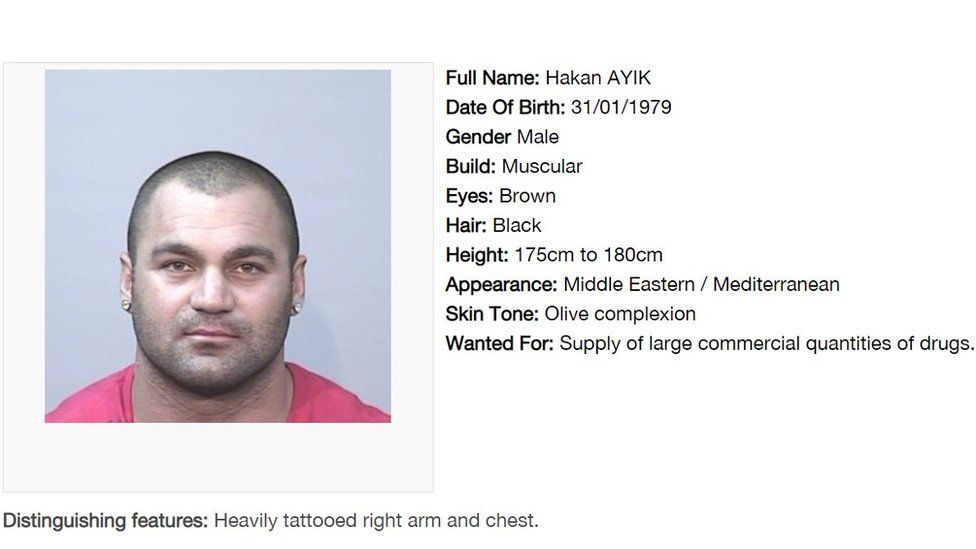
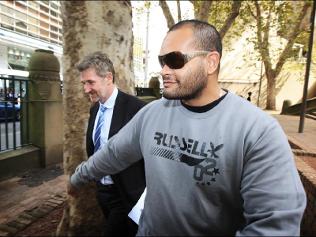
Les autorités turques ont déclaré jeudi avoir capturé Hakan Ayik, l’un des principaux fugitifs recherchés en Australie pour trafic de drogue et poursuivi également par la DEA et les autorités néo-zélandaises, ainsi que 36 autres personnes impliquées dans un réseau international du crime organisé.
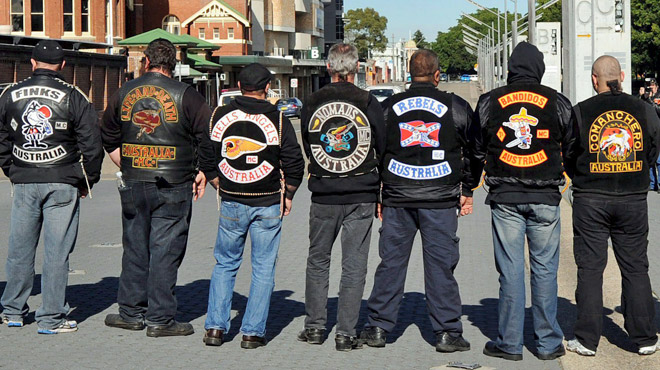
Le ministre turc de l’Intérieur, Ali Yerlikaya, a déclaré que les arrestations à Istanbul visaient la bande de motards armés Comanchero qui, selon lui, serait impliquée dans le trafic de drogue, des homicides, du pillage et du blanchiment d’argent dans le monde entier.
Avec Duax Hohepa Ngakuru, Hakan Ayik, dirigeait le réseau criminel depuis au moins un an, a déclaré Ali Yerlikaya sur X (ex-Twitter).
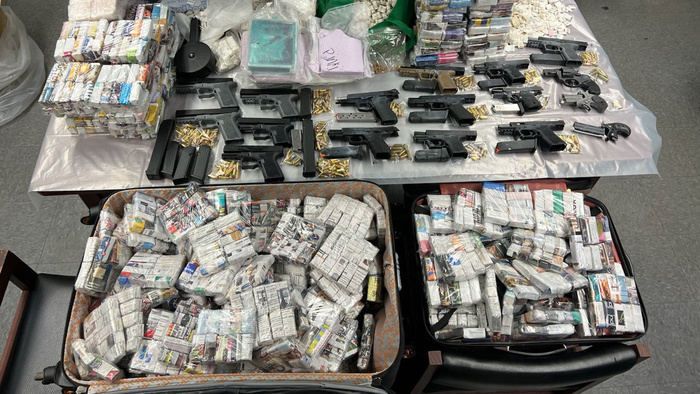
BELLEROSE, Queens (WABC) — Huit kilos d’héroïne, de fentanyl et de cocaïne, ainsi que des armes à feu et des centaines de cartouches ont été saisis lors d’une saisie massive de drogue dans une maison abandonnée du Queens.
Au total, 1,5 million de petites enveloppes remplies d’un mélange de ces drogues ont également été trouvées, ainsi que des armes de poing, des pièces d’armes et des centaines de cartouches
Victor Rodriguez, 43 ans, de Queens, a été arrêté pour plusieurs accusations liées à la drogue et aux armes à feu. Il a été inculpé le 27 octobre pour un acte d’accusation de 112 chefs d’accusation.
La production de drogues illicites telles que l’héroïne, la cocaïne et les amphétamines nécessite l’utilisation de produits chimiques. Ces produits chimiques sont appelés «précurseurs de drogues».
Compte tenu du large éventail d’utilisations légitimes des précurseurs de drogues, leur commerce ne peut être interdit.
La législation vise donc à trouver un équilibre entre le contrôle requis pour empêcher le détournement des précurseurs de drogues et la facilitation de leur commerce (en évitant de créer des charges administratives inutiles).
Les policiers ont saisi 55 kilogrammes de cocaïne; 80 kg de produits servant à la fabrication de drogue; un véhicule de luxe saisi en bien infractionnel; de l’équipement servant au trafic; des munitions d’armes à feu; et 5000$ en argent canadien.
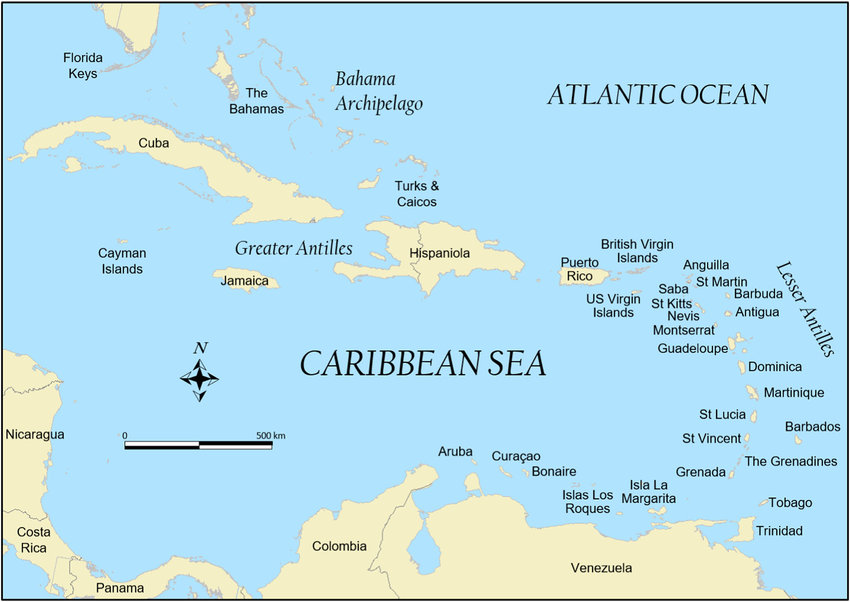
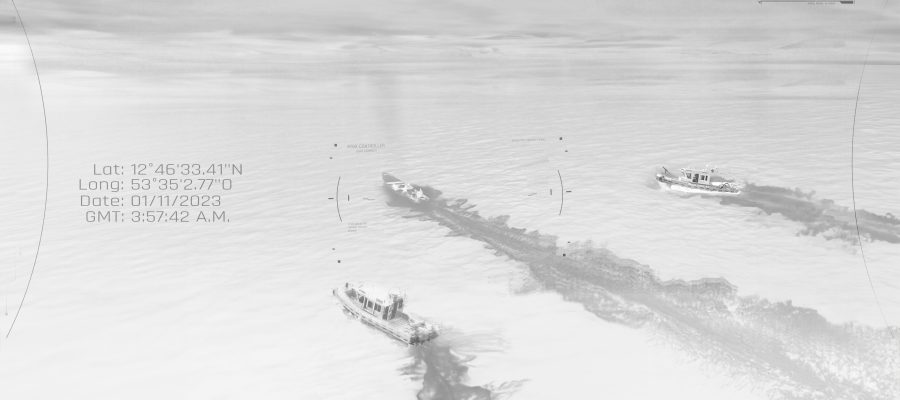
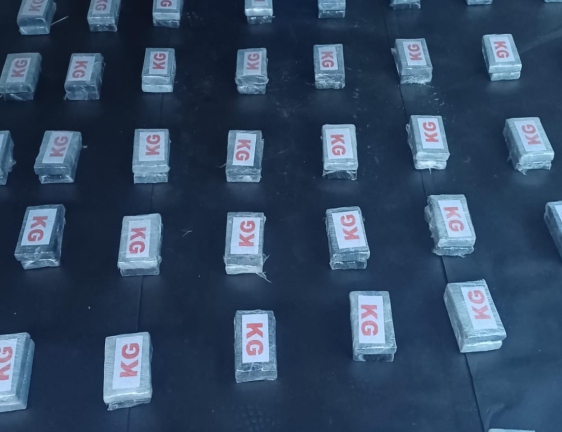
In the morning of November 1, after an impressive naval deployment, an intense chase was unleashed that culminated in the capture of two “Go-Fast” boats. This operation marked a milestone in the fight against a drug trafficking network that operated in the waters of the Lesser Antilles, revealing the dangerous reality of this illicit trade.
These two boats had suddenly appeared on the radars of the security forces at high speed, leaving one of the coasts of the neighboring countries. Each of the boats carried two crew members and an impressive cargo on board: two tons of alkaloid, carefully packaged in 58 rectangular packages.
C’est le moment où deux membres d’un gang qui tentaient d’introduire clandestinement au Royaume-Uni 139 kilos de cocaïne cachés dans une cargaison de bananes ont été pris en flagrant délit par la National Crime Agency.
°°°°
Prison for drugs gang who attempted to smuggle cocaine worth £11 million in bananas
Four members of an organised crime group have been jailed after attempting to smuggle 139 kilos of cocaine into the UK hidden in a consignment of bananas.
National Crime Agency investigators arrested the four as they unloaded a shipping container they believed contained the £11m pounds-worth of drugs in April 2022.
The container had arrived from Ecuador and was searched at London Gateway port.
Border Force officers found a number of cocaine packages in the roof area. These were removed and the container was resealed.
A few days later, Robert Ball, who was later found to be acting on behalf of an Albanian organised crime group, contacted the shipping line to ask them to release four containers, including the one he thought contained the drugs.
Ball, 59, from Altrincham, Cheshire, arranged for a transport company to collect and move the containers to a storage company in Herald Way, Coventry.
These movements were watched by NCA surveillance officers.
Ball, along with accomplices Florjan Ibra, Mirgent Shahu and Arman Kaviani, arrived a few days later, on 15 April 2022 (Good Friday). Ball had driven from Cheshire earlier that day, collecting Shahu at a Costa Coffee in Kings Heath, Birmingham.
Ball and Shahu gave instructions to Kaviani and Ibra at the storage yard, who used a forklift truck to get on top of the container.
They ripped open the roof using a crowbar and starting unloading packages they believed contained the drugs, but as they did so NCA and police officers moved in to arrest them. Kaviani and Ibra attempted to flee but were apprehended.
All four men were later charged with cocaine importation offences. Ball and Shahu were convicted by a jury at Warwick Crown Court on 26 May this year, while Ibra and Kaviani pleaded guilty at a previous hearing.
At the same court today (1 November) Ball and Shahu were each sentenced to 18 years imprisonment. Ibra was jailed for 13.5 years and Kaviani to 12 years and nine months at previous hearings.
NCA Operations Manager David Phillips said: “Ball and Shahu oversaw the nuts and bolts of this conspiracy on behalf of the organised crime group behind it.
“This group enlisted the assistance of Ibra and Kaviani, who they hoped would retrieve the drugs and make their efforts worthwhile.
“Unfortunately for these men, NCA officers were watching their every move before moving in to arrest them.
“Cocaine fuels violence and exploitation, including gang culture and firearm and knife crime in the UK and around the world.
“Removing this consignment from circulation will have been a sizeable blow to this criminal network, preventing them from generating profits that would have been invested in further criminality. We are determined to dismantle major international crime groups like this one from top to bottom.”
Immigration Minister Robert Jenrick said: “This is the latest example of Border Force officers seizing millions of pounds worth of cocaine and dismantling an abhorrent criminal gang.
“This case demonstrates how Border Force use cutting-edge technology to stay ahead of organised crime groups to keep our borders secure and protect our communities from illegal and dangerous substances.”
Caroline Hughes, Specialist Prosecutor for the CPS, said: “The offenders in this case were involved in a sophisticated criminal operation to import a significant amount of cocaine into the UK.
“The supply of drugs is motivated by greed. It is a lucrative business for those involved. It has disastrous consequences for those using drugs, their families and the community: a vast amount of crimes affecting the public are committed by users to pay for their habits.
“The CPS worked closely and effectively with the National Crime Agency to dismantle their dangerous operation, by building a strong case and bringing all of the offenders involved to justice.
“We will be pursuing confiscation proceedings against Robert Ball to recover the money he made from his criminality.”
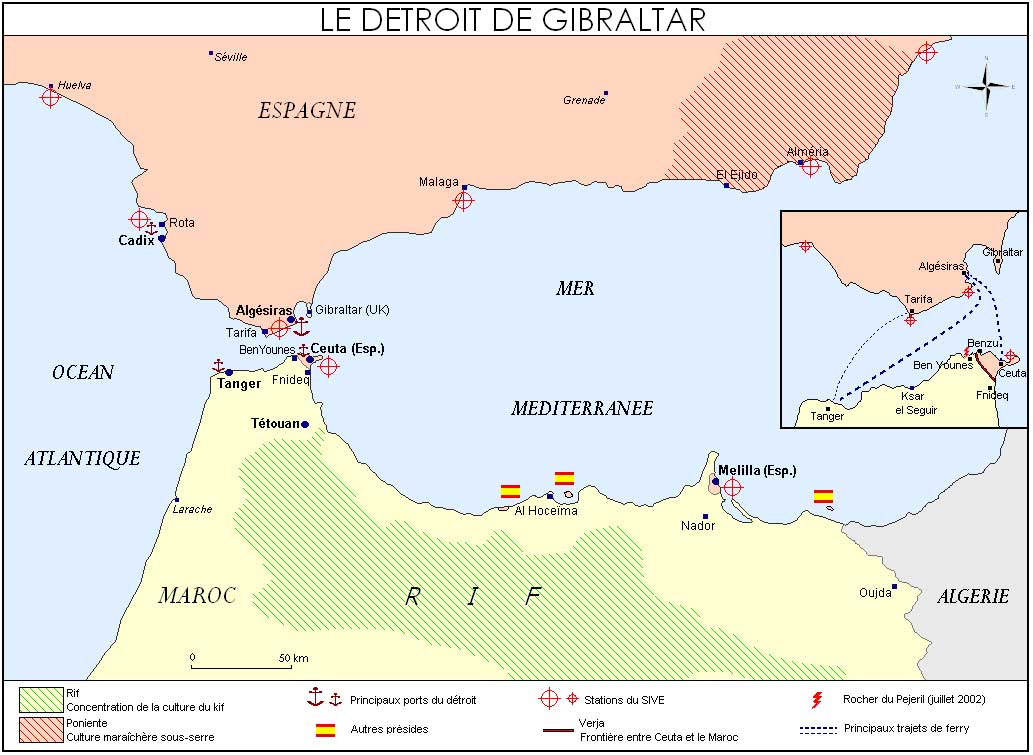
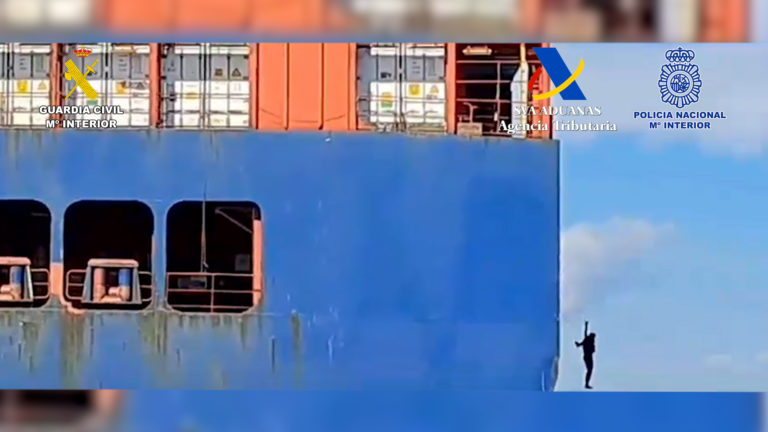
À 11 milles marins du port de Ceuta et grâce aux systèmes de surveillance, les autorités ont observé comment deux hommes jetaient trois balles de cocaïne d’un poids total de 100 kilos par-dessus la poupe du navire puis sautaient à la mer.
Ces deux personnes qui voyageaient clandestinement à bord d’un porte-conteneurs en provenance de Cartagena de Indias, en Colombie, à proximité du détroit de Gibraltar, ont été arrêtées.
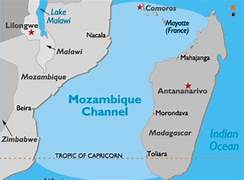
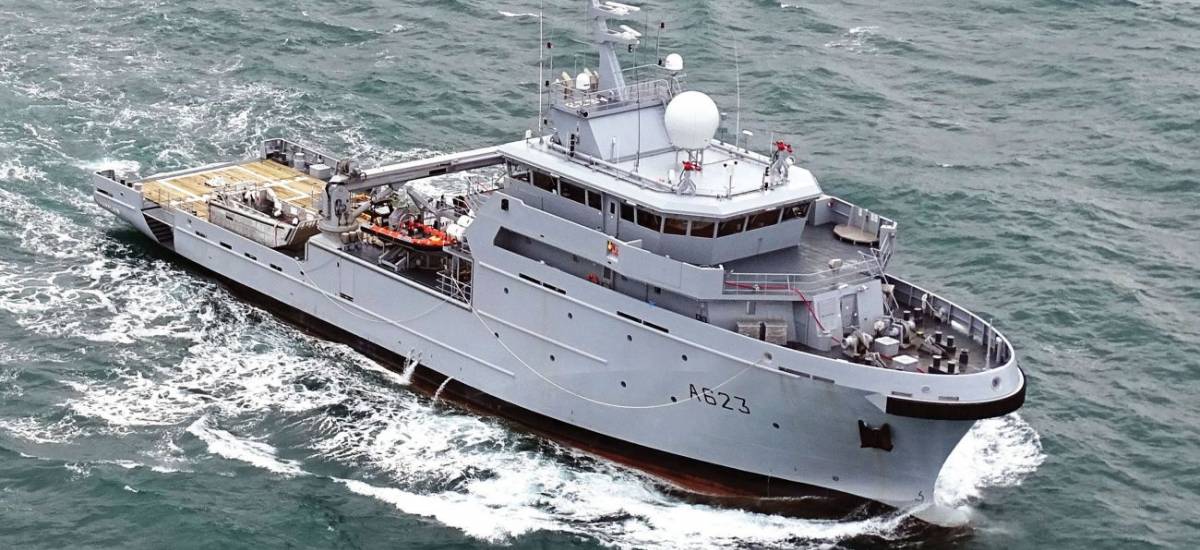
C’est par France TV que l’on apprend que dans la matinée du vendredi 27 octobre, l’équipage du Champlain, navire militaire des FAZSOI, a intercepté un boutre au nord du canal du Mozambique, au large de la côte africaine, qui transportait 597 kilos de méthamphétamine.
Une opération menée avec la CTF 150
La CTF 150 rassemble quinze pays de la Combined Maritime Force (CMF) et son quartier général se situe à Bahreïn, au sein du complexe naval américain.
C’est Emmanuel Fansten qui nous rapporte et c’est à lire dans Libération qu’aujourd’hui s’ouvre à Paris le premier procès emblématique des dérives de la lutte antidrogue.
« L’ex-numéro 3 de l’Office des stups (Ocrtis, devenu Ofast) et actuel patron adjoint de la PJ de Bordeaux, Stéphane Lapeyre, va être jugé à Paris à partir du lundi 30 octobre pour «complicité de trafic de drogue» aux côtés de huit autres prévenus, dont son ancien subordonné Jocelyn Berret.«
Le point de vue de Marc Fievet
Ce n’est pas à mon avis le premier procès de ce type. Nos éminents « dalloziens », puisqu’aucun procureur n’aura pu classer verticalement ce dossier, vont s’employer à disséquer ces faits qui amènent ces fonctionnaires devant eux.
Espérons que le magistrat Christian De Rocquigny, adjoint à Stéphanie Cherbonnier, la cheffe de l’OFAST, viendra éclairer les magistrats chargés de juger ces fonctionnaires, sur les réalités du terrain, qu’il ne peut ignorer aujourd’hui.
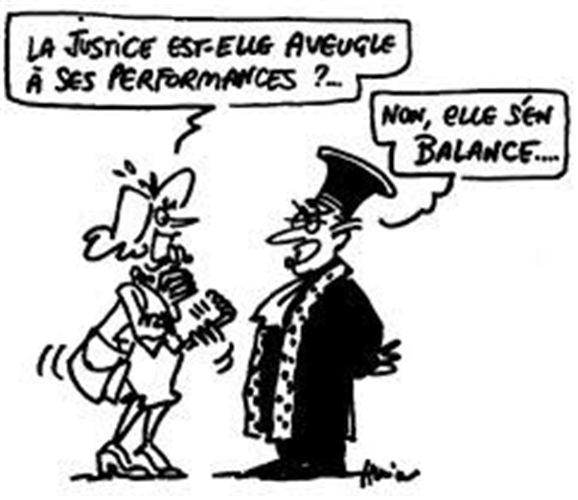
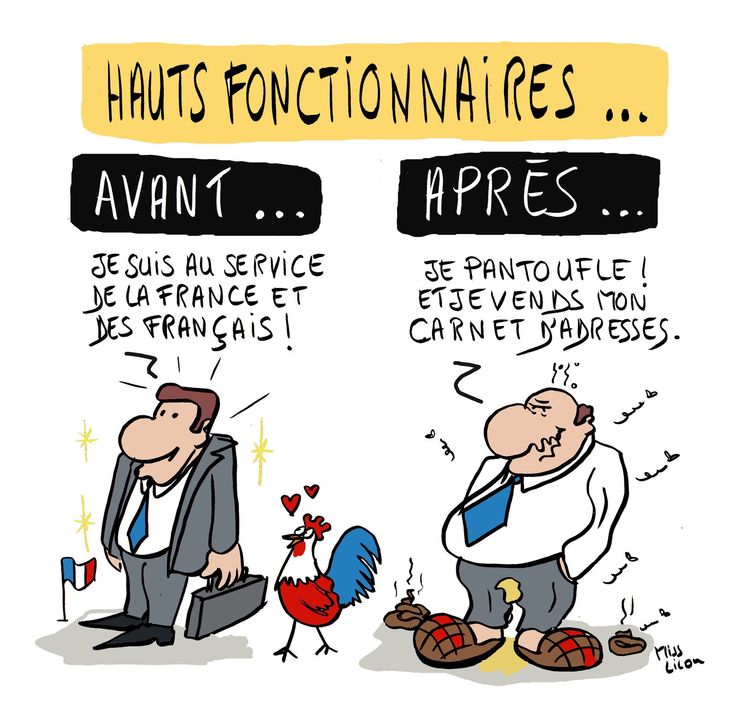
Certes l’utilisation du parapluie, de l’ombrelle voire du parasol est devenue une priorité absolue aujourd’hui pour les fonctionnaires, qu’ils soient de l’OFAST direct, du 36, de la DNRED et des militaires de la Gendarmerie, puisque toutes les « hautes hiérarchies », toujours exigeantes pour l’obtention de résultats destinés à satisfaire des ministres plus ou moins belliqueux , savent toujours se déresponsabiliser sans élégance et sans honneur.
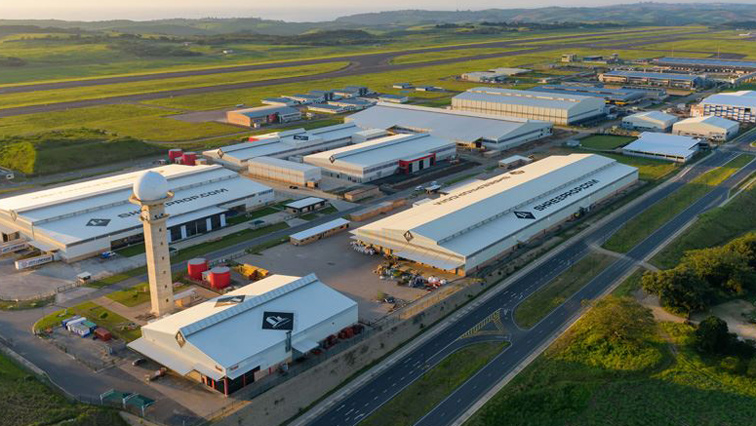
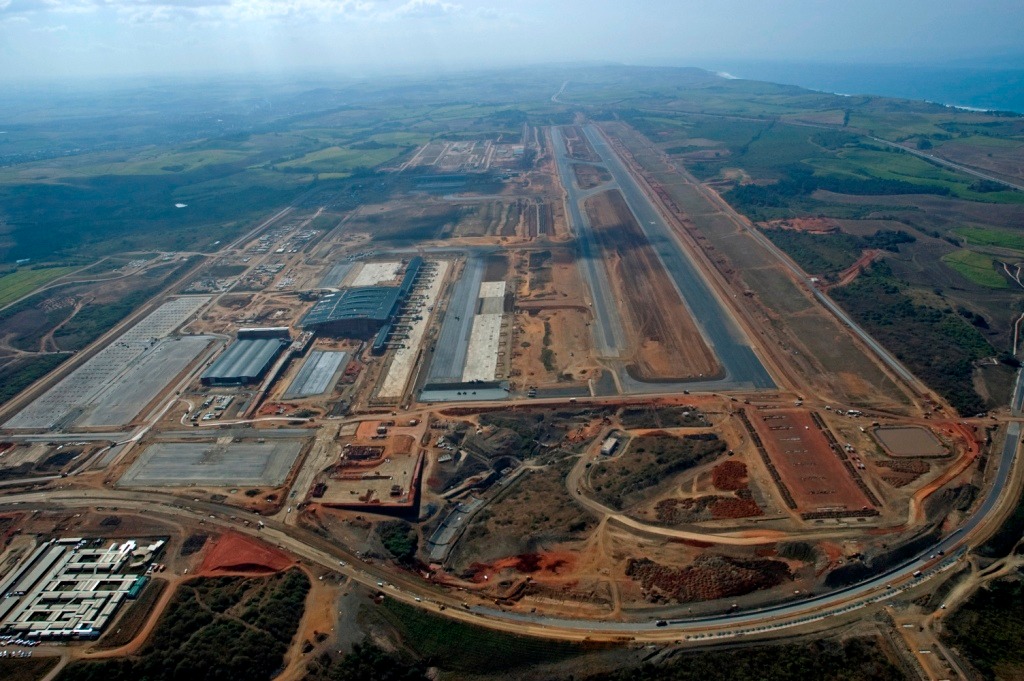
Les policiers du SAPS ont saisi 228 blocs de cocaïne à la suite d’une opération de renseignement au port commercial de Dube, au sein de l’aéroport international King Shaka.
Vendredi après-midi, un conteneur a été suivi jusqu’au port commercial de Dube, dans lequel 228 blocs de cocaïne ont été saisis. La cocaïne a été retrouvée dissimulée dans des caisses de viande et déguisée comme telle. », a indiqué le SAPS.
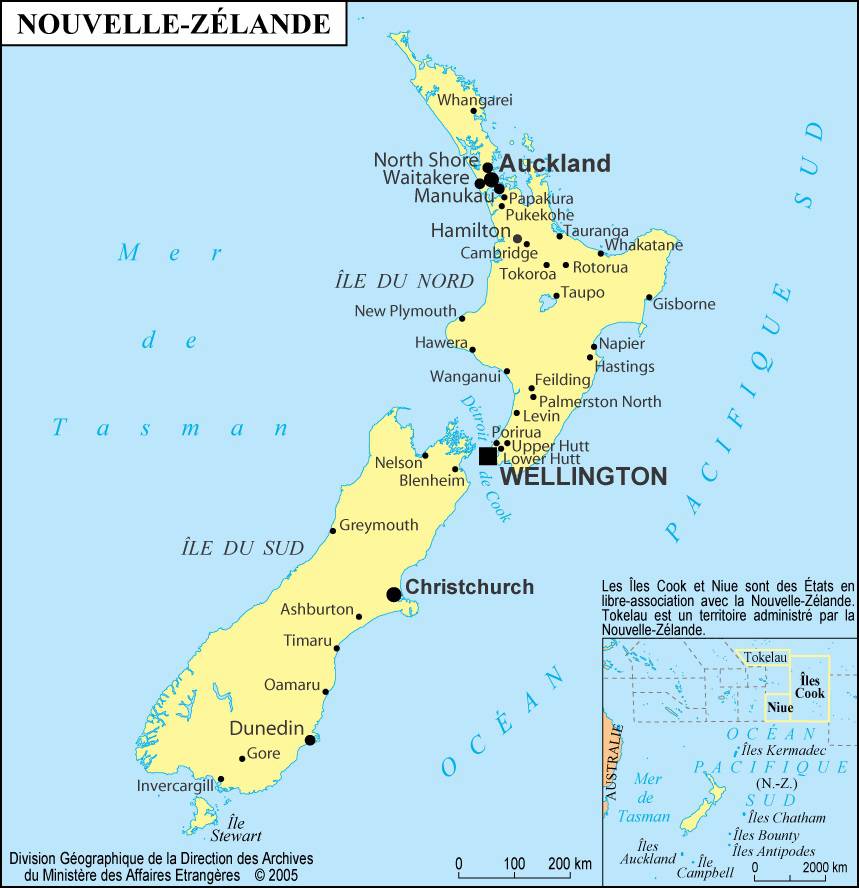
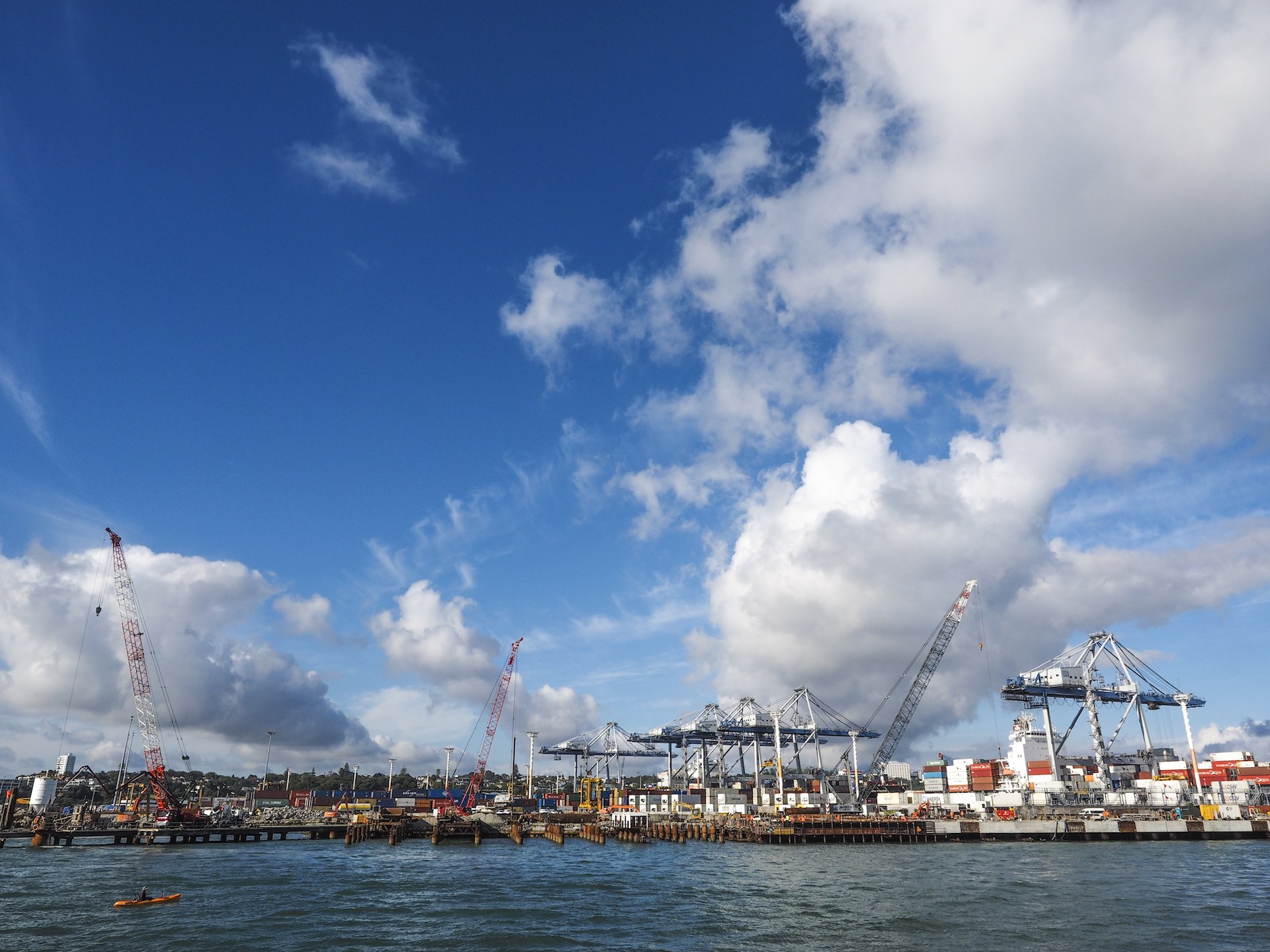
Les autorités néo-zélandaises ont annoncé vendredi avoir saisi 140 kilos de cocaïne en provenance d’Équateur lors d’une opération qui a abouti à l’arrestation de quatre personnes.
La coke avait été camouflée dans un trou d’un conteneur, qui avait quitté l’Équateur avant d’atteindre le port de la ville d’Auckland.
Ce mois-ci, d’importantes quantités de cocaïne ont été retrouvées échouées sur les plages de la côte sud de l’Angleterre.
Les habitants des zones côtières ont affirmé qu’il y avait une augmentation du nombre de personnes « ratissant » le rivage dans l’espoir de trouver des sacs de coke.
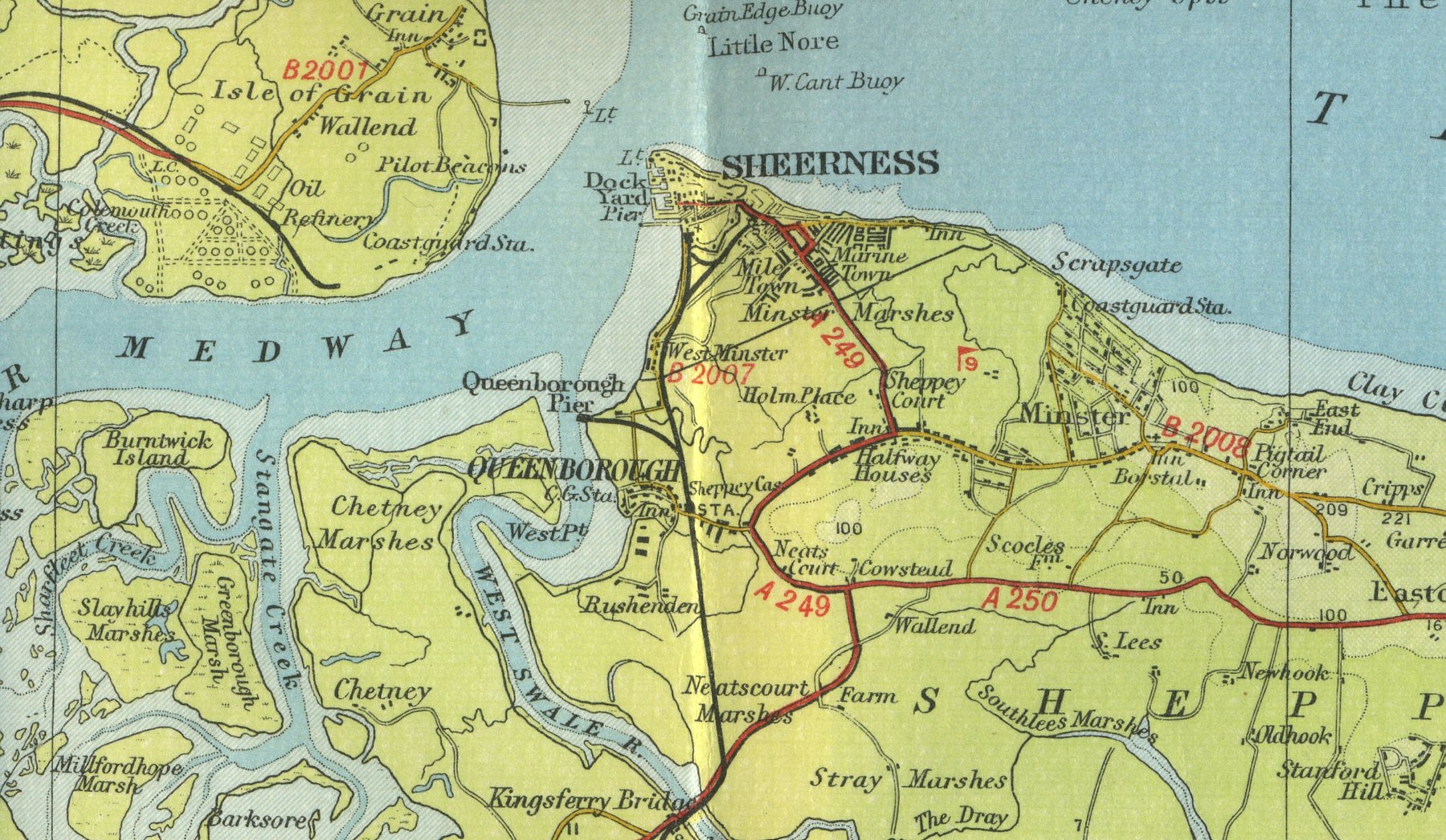
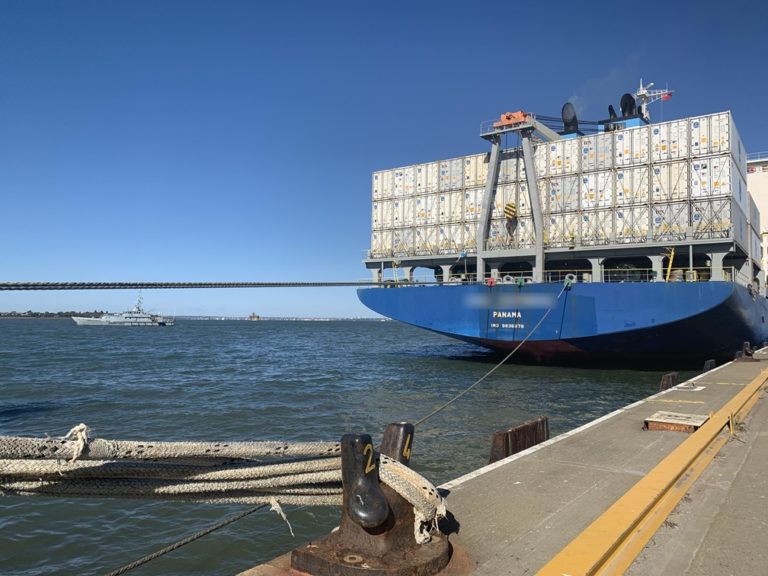
La cocaïne était cachée au fond d’un porte-conteneurs au port de Sheerness dans le Kent
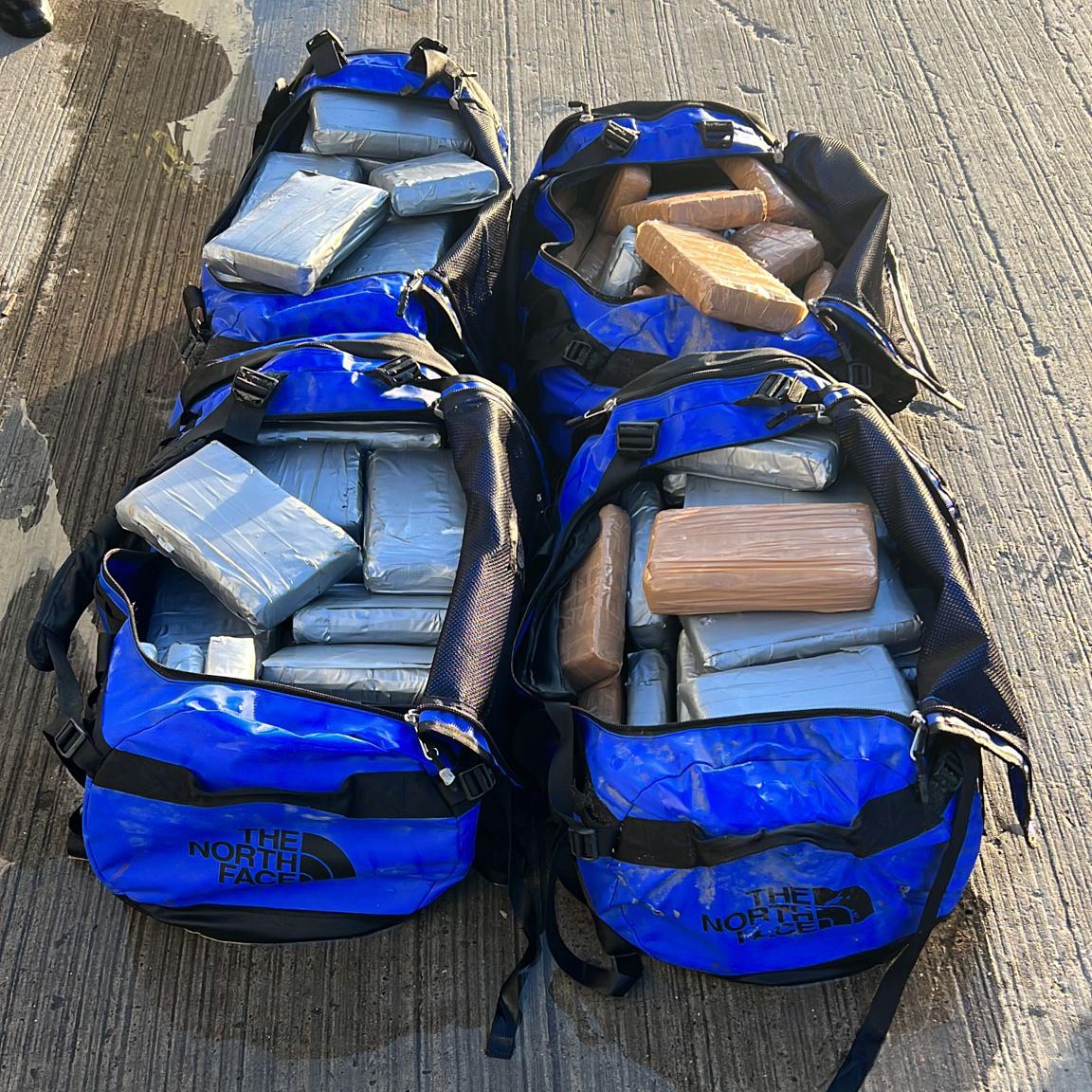
La coke, d’un poids de 137 kilos, a été trouvée sur un navire battant pavillon panaméen transportant un chargement de bananes. Ils avaient été placés dans quatre grands fourre-tout cachés sous la ligne de flottaison à l’intérieur du coffre de mer.
Le navire était en route pour les Pays-Bas. C’est suite aux informations fournies par la NCA que des équipes spécialisées ont entrepris des recherches après l’accostage du navire à Sheerness le 14 octobre.
Après avoir effectué une fouille sous-marine de la coque du navire dans des conditions de visibilité réduite, une équipe de plongeurs spécialisés a mis cinq heures pour récupérer la drogue, qui se trouvait derrière des grilles boulonnées.
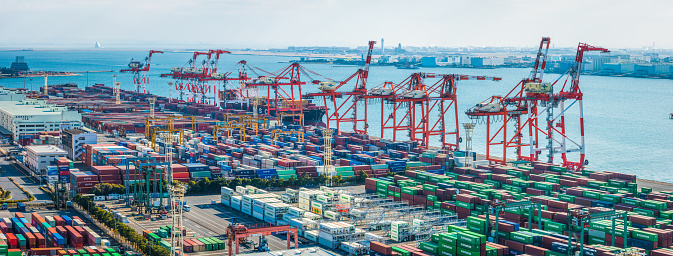

 National Crime Agency investigators arrested the four as they unloaded a shipping container they believed contained the £11m pounds-worth of drugs in April 2022.





 AVISEUR INTERNATIONAL