Aviseur International renseigne, sans complaisance, sur la problématique de la drogue, du narcotrafic, de la corruption et sur les politiques mises en œuvre par les différents Etats et les dérives que s'autorisent les fonctionnaires des administrations — aviseurinternational@proton.me — 33 (0) 6 84 30 31 81
WASHINGTON – Aujourd’hui, la DEA a annoncé les résultats d’une opération d’une semaine visant à démanteler le cartel de Sinaloa, l’un des cartels de la drogue les plus violents et les plus puissants au monde, responsable de l’inondation des États-Unis par le fentanyl, la méthamphétamine, la cocaïne et l’héroïne.
En février, l’administration Trump a désigné le cartel de Sinaloa, ainsi que sept autres groupes, comme organisation terroriste étrangère
Le cartel de Sinaloa demeure l’une des menaces les plus importantes pour la sécurité publique, la santé publique et notre sécurité nationale. La DEA s’engage à démanteler ses réseaux de commandement, de contrôle et de distribution.
Du 25 au 29 août 2025, les agents de la DEA, répartis dans 23 divisions nationales et sept régions étrangères, ont mené des actions de répression coordonnées qui ont abouti à :
Arrestations : 617 Saisies de drogue : 480 kilogrammes de poudre de fentanyl, 714 707 comprimés contrefaits, 2 209 kilogrammes de méthamphétamine, 7 469 kilogrammes de cocaïne et 55 kilogrammes d’héroïne Saisies de devises : 11 111 483 $ Biens saisis : 1 697 313 $ Armes à feu : 420
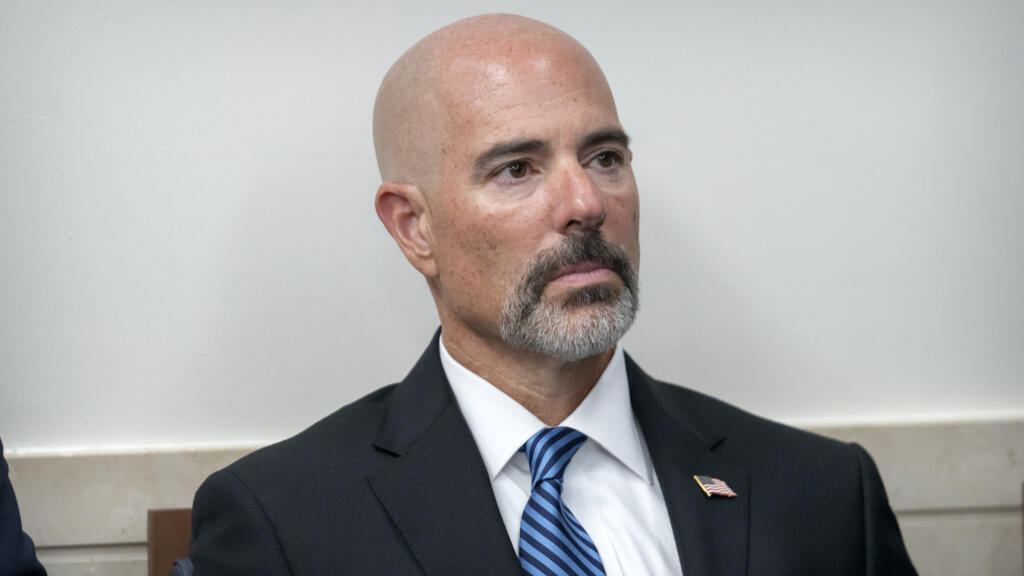
« Ces résultats démontrent toute l’importance de l’engagement de la DEA à protéger le peuple américain », a déclaré Terrance Cole, administrateur de la DEA. « Chaque kilogramme de poison saisi, chaque dollar retiré aux cartels et chaque arrestation que nous effectuons représentent des vies sauvées et des communautés défendues. La DEA ne relâchera pas ses efforts tant que le cartel de Sinaloa ne sera pas démantelé de fond en comble. »
“These results demonstrate the full weight of DEA’s commitment to protecting the American people,” said DEA Administrator Terrance Cole. “Every kilogram of poison seized, every dollar stripped from the cartels, and every arrest we make represents lives saved and communities defended. DEA will not relent until the Sinaloa Cartel is dismantled from top to bottom. »
Des dizaines de milliers de membres, d’associés et de facilitateurs de Sinaloa opèrent dans le monde entier, dans au moins 40 pays, et sont responsables de la production, de la fabrication, de la distribution et des opérations liées au trafic de drogues synthétiques dangereuses et mortelles.
Cette action coordonnée est le fruit d’une concentration accrue de la DEA sur la répression, le renseignement et la collaboration nationale et internationale, utilisant toutes les ressources à sa disposition pour affaiblir le commandement et le contrôle du cartel de Sinaloa.
Cette augmentation témoigne de l’engagement indéfectible de la DEA à lutter contre la crise du fentanyl et à démanteler les cartels qui en sont responsables. La DEA continue de prendre des mesures décisives pour protéger les familles et les communautés américaines. Dans le cadre d’une approche pangouvernementale plus vaste visant à démanteler le cartel de Sinaloa et à protéger les populations américaines, la DEA s’engage à collaborer avec la Homeland Security Task Force (HSTF) et d’autres partenaires fédéraux pour garantir que les opérations actuelles et futures contribuent aux efforts plus vastes des États-Unis pour lutter contre les organisations terroristes désignées et le crime organisé transnational.
Le projet journalistique international, en coopération avec plus de 40 autres médias dans le monde, a été mené par le collectif Organised Crime and Corruption Reporting Project (OCCRP), en collaboration avec le Centro Latinoamericano de Investigación Periodística (CLIP)
La Colombie produit environ 60 % de la cocaïne consommée dans le monde
Les NarcoFiles donnent également une idée de ce qui se passe avant qu’une grosse cargaison de cocaïne n’arrive au port d’Anvers. Par exemple, les contrebandiers utilisent des vedettes rapides pour monter sur un porte-conteneurs à l’aide d’une échelle, ou pour récupérer des « cajas de mar », des tubes métalliques remplis de coke qui sont fixés à la coque d’un navire.
Depuis 2019, les plongeurs du port d’Anvers vérifient également la présence de ces derniers.
NarcoFiles: The New Criminal Order is an international investigation into modern-day organized crime and those who fight it. A collaboration between more than 40 media outlets, it is the largest investigative project on organized crime to originate in Latin America, a region hit hard by drug trafficking and the violence and corruption that come with it.
The project was sparked by a leak of emails from the Colombian prosecutor’s office, known as Fiscalía General de la Nación. The leak was shared last year with OCCRP and several Latin American outlets, including Cerosetenta / 070, Vorágine, and the Centro Latinoamericano de Investigación Periodística (CLIP).
OCCRP collated the data and brought in media organizations from 23 countries across the Americas and Europe to analyze the contents. The resulting stories provide a rare window into how criminal groups are collaborating, communicating, and innovating in a globalized world.
Where does the leak come from?
In 2022, a group of “hacktivists” known as Guacamaya obtained the emails by breaking into the Microsoft Exchange Server, a platform used by the Colombian prosecutor’s office. In a press release attributed to the collective, Guacamaya said they had targeted institutions they accused of enabling corruption and organized crime.
Microsoft had asked its clients to make a security update earlier in the year, but many companies and institutions in Latin America failed to do so. Guacamaya was able to exploit this vulnerability to hack the prosecutor’s office as well as several other military and police institutions, regulatory agencies, and companies across Latin America.
They shared the data with two organizations: Distributed Denial of Secrets, a collective that distributes and archives leaked data of public interest; and Enlace Hacktivista, a web page that publishes information about hacking tools and news. These two groups shared the leak with OCCRP and several Latin American media outlets.
The Colombian prosecutor’s office launched a criminal investigation into the breach in October 2022. The office also said it was looking into the contractor in charge of its IT infrastructure. In January this year, Deputy Prosecutor Martha Mancera said the office was taking measures to tighten cybersecurity.
OCCRP and its partners in Colombia contacted the prosecutor’s office to request an interview and sent a set of questions about the leak. By the time of publication, the office had not responded.
What’s in the leak?
At five terabytes, the leak contains more than seven million emails from the Colombian prosecutor’s office, including correspondence with embassies and other authorities around the world. The files — which also comprise audio clips, PDFs, spreadsheets, and calendars — date to 2001, though most of the information is concentrated between 2017 and 2022.
Documents in the leak reveal rare details about the inner workings of transnational criminal gangs and law enforcement’s efforts to dismantle them. In their stories, reporters explored six main themes:
Criminal Empires investigates how organized crime groups have fanned out around the globe, permeating economies, corrupting authorities, and expanding their reach across borders.
Narcotics Inc. looks at how criminal gangs are innovating and evolving their business models in the face of new economic incentives and opportunities for experimentation.
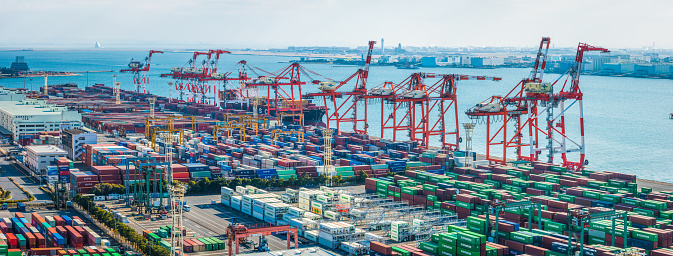
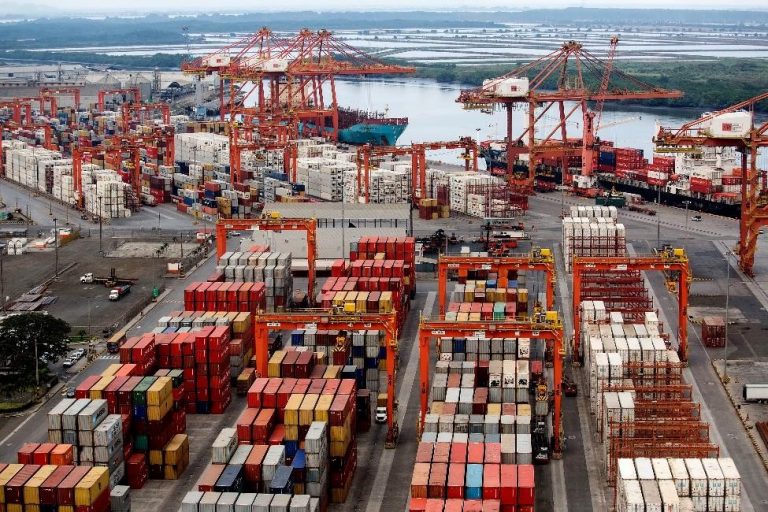
Drowning in Drugs dives into the murky world of commercial ports that have become a hotbed of criminal activity, from Antwerp and Rotterdam to Gioia Tauro, Guayaquil, Santa Marta, and Limón.
Dark Money investigates underground flows of illicit drug profits and the financial professionals who help enable these crimes.
Green Crimes exposes the environmental impact of organized crime, and how their activities are destroying wildlife, polluting rivers, and threatening protected areas.
Police and Thieves looks at the role of law enforcement agencies who are on the front lines in the fight against organized crime — but sometimes become part of the problem.
How did reporters verify information found in the leak?
To confirm the leak’s authenticity, reporters cross-checked identifying data, such as court case numbers, with publicly available information. National identification numbers were checked against public databases, and company names and ownership information were verified in corporate registries. The names of prosecutors and agents were also checked on agency webpages.
To further corroborate the data, reporters filed public information requests, reviewed hundreds of public and private documents and databases, and interviewed police, convicted criminals, experts, and victims of the drug trade.
After sorting through the emails, reporters identified leads that were used as starting points for further investigation. In most cases, documents from the leak ended up comprising only a small portion of the sources used in each story. Measures were also taken to protect third parties and to avoid disrupting ongoing investigations.
Why did OCCRP and its partners decide to report on this leak?
Organized crime fuels corruption, devastates the environment, sows inequalities, and slows economic development. That is why it is essential for investigative journalism to expose the people behind drug trafficking and other criminal activities and show how they operate.
In Colombia, citizens have the right to access information of public interest, and media outlets have the right to publish this information, regardless of the source. One of the country’s highest tribunals, the Constitutional Court, has ruled that no sources are inherently off limits for journalists.
Jonathan Bock, director of the Foundation for Press Freedom, a Colombian advocacy organization known by its Spanish acronym FLIP, told OCCRP that “the right to freedom of expression means that the media have the right to disseminate information according to their own editorial criteria, as long as they act in compliance with the law and under [the principles of] journalistic responsibility.”
How many media outlets participated?
Journalists from more than 40 media outlets published investigations in the NarcoFiles project. The organizations include:
Agencia Ocote (Guatemala)
Aristegui Noticias (Mexico)
Armando.info (Venezuela)
Berlingske (Denmark)
BIRD (Bulgaria)
Cerosetenta / 070 (Colombia)
Centro Latinoamericano de Investigación Periodística (Latin America)
CNN en Español (United States)
Con Criterio (Guatemala)
Contracorriente (Honduras)
Cuestión Pública (Colombia)
De Tijd (Belgium)
Der Standard (Austria)
Die Dunkelkammer (Austria)
El Universal (Mexico)
Expresso (Portugal)
Frontstory.pl (Poland)
Het Parool (Netherlands)
InfoLibre (Spain)
InSight Crime (Latin America)
Investigace.cz (Czech Republic)
IrpiMedia (Italy)
Knack (Belgium)
La Prensa (Panama)
Mexicanos Contra la Corrupción y la Impunidad (Mexico)
Miami Herald (United States)
Mongabay Latam (Latin America)
Narcodiario (Spain)
No Ficción (Guatemala)
Ojoconmipisto (Guatemala)
OjoPúblico (Peru)
Paper Trail Media (Germany)
piauí (Brazil)
PlanV (Ecuador)
Plaza Pública (Guatemala)
Profil (Austria)
Quinto Elemento Lab (Mexico)
Siena (Lithuania)
SVT (Sweden)
Univisión (United States)
UOL (Brazil)
Verdad Abierta (Colombia)
Vorágine (Colombia)
ZDF (Germany)
Fact-checking was provided by the OCCRP Fact-Checking Desk.
#NarcoFiles: España, meeting point del crimen organizado
Los grandes cárteles mantienen oficinas en España: la Mocro Maffia, el Balkan Cartel, la mafia rusa, la ‘Ndrangheta, el clan irlandés Kinahan, colombianos y mexicanos / Tres organizaciones gallegas tienen capacidad para completar el negocio de principio a fin; el resto de los españoles trabajan para los extranjeros / Narcodiario e Infolibre publican en exclusiva en España los NarcoFiles, una investigación internacional coordinada por el consorcio OCCRP con el apoyo del CLIP en la que participan más de 40 medios
Víctor Méndez / Begoña P. Ramírez (Infolibre)
Los grandes capos colombianos llegaron a España en los años 80 tras una violenta espiral que azotó Cali y Medellín y el asesinato del ministro de Justicia Rodrigo Lara Bonilla.
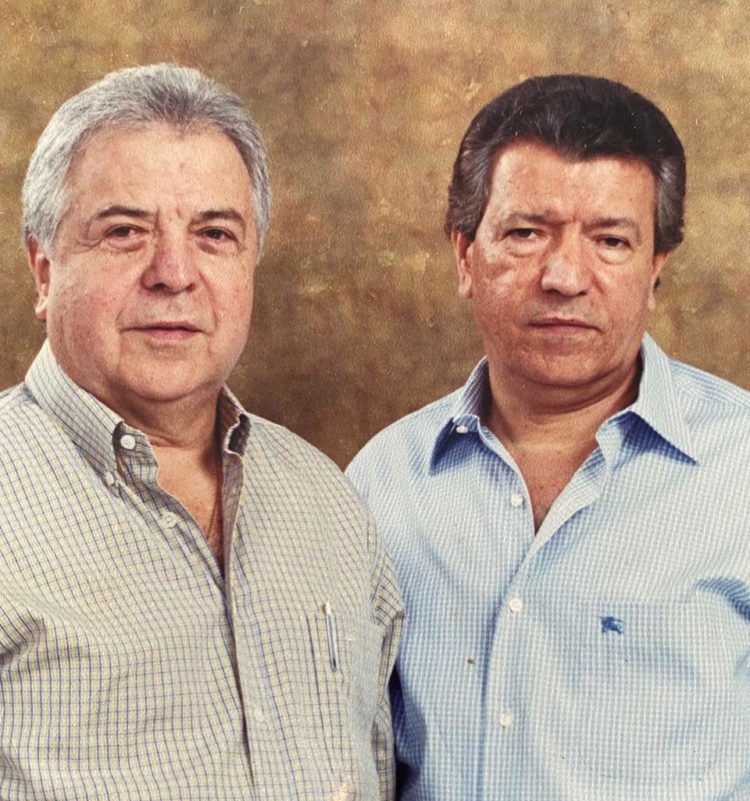
Pablo Escobar y, con más firmeza, Gilberto Rodríguez Orejuela, echaron raíces a este lado del Atlántico para introducir su cocaína en Europa. Un negocio que ya era floreciente para ellos en dirección a Miami o Nueva York precisaba de nuevos mercados y París, Madrid, Londres o Milán eran perfectos. En la década de 1990, los traficantes locales ya tenían sus propias redes y sus conexiones perfectamente engrasadas para introducir la sustancia, que principalmente entraba en lanchas rápidas por la costa noroeste española.
Los hermanos Rodríguez Orejuela / Narcodiario
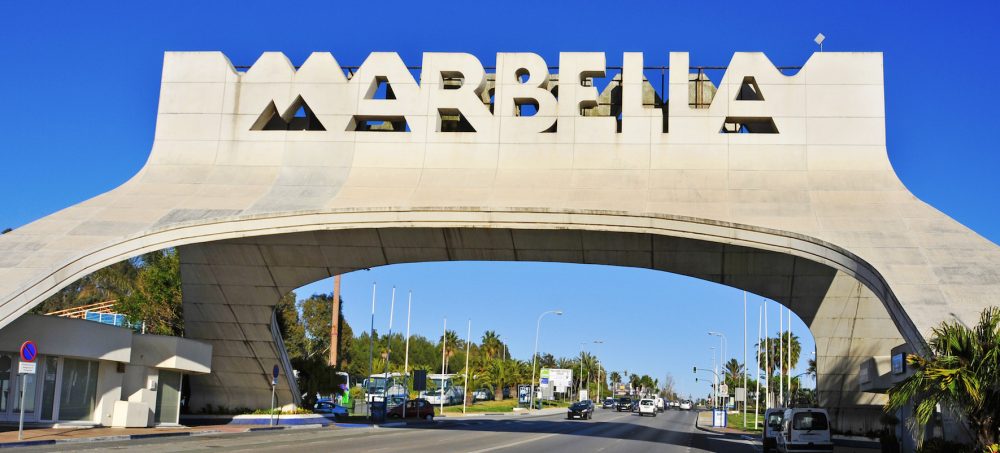
En ese tiempo, coincidiendo con el crecimiento económico y social del país tras los Juegos Olímpicos de Barcelona y la Exposición Universal de Sevilla, también comenzaron a llegar a la Península Ibérica excombatientes de la guerra de Los Balcanes. Muchos de ellos permanecían un tiempo en Italia, donde estrechaban lazos con la Camorra napolitana o la ‘Ndrangheta, la mafia calabresa. Unos –balcánicos, tanto albaneses como serbios y croatas– y otros –transalpinos– se asentaron en España, pero con especial arraigo en la Costa del Sol. Primero cometían robos o prostituían a sus compatriotas, incluso familiares directas, pero pronto apreciaron los mayores beneficios y el menor riesgo que les brindaba el narcotráfico.
Ahora dominan el mercado de la cocaína
En el cambio de siglo, con el boom del mercado inmobiliario y el auge del turismo, delincuentes de otras nacionalidades pusieron su pie en España, algunas por casualidad y otras por puro negocio. Entre estas últimas estaban los Kinahan irlandeses,el mayor cartel de la droga de las islas británicas y cuyos líderes encontraron un buen refugio en las costas andaluzas. También rusos, franceses, holandeses o suecos se asentaron en la Península. Algunos se fijaron en el sur de Europa en busca del apreciado hachís marroquí, aunque pronto se percataron de que la droga sudamericana les pasaba ante sus narices y apostaron fuerte para tomar su parte del pastel.
Punto de encuentro del crimen organizad
“Son auténticas cooperativas. Están establecidos en la zona de la Costa del Sol, claramente afincados allí, y tienen una gran capacidad de organización”, describe Macarena Arroyo, fiscal en el Campo de Gibraltar, y a cargo de la Operación Faukas –la parte española de la Operación Dessert Light coordinada por Europol–, que sirvió para acreditar que los grandes cárteles europeos mantienen oficinas estables en España, por ser la puerta de entrada de toda clase de drogas, y en Dubái, por ser el mejor lugar para refugiarse y para blanquear. “Si necesitan un proveedor, lo buscan; si necesitan un transportista, lo buscan; tienen una capacidad increíble para conseguir sus objetivos. Son cárteles que se están constituyendo como sucedió en su momento en Colombia y que ahora están creciendo con fuerza en Europa. Disponen de embarcaciones, teléfonos encriptados, dispositivos de localización…, tienen medios más potentes que las fuerzas de seguridad”, advierte la fiscal.
°°°°°°
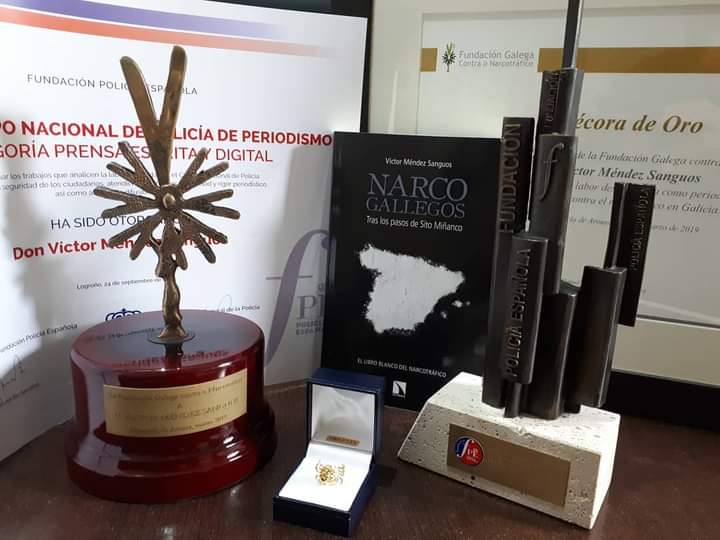
Por su labor como periodista de investigación, Víctor Méndez Sanguos ha recibido los premios:
Nécora de Oro de la Fundación Galega Contra o Narcotráfico
Premio Policía Nacional de Periodismo
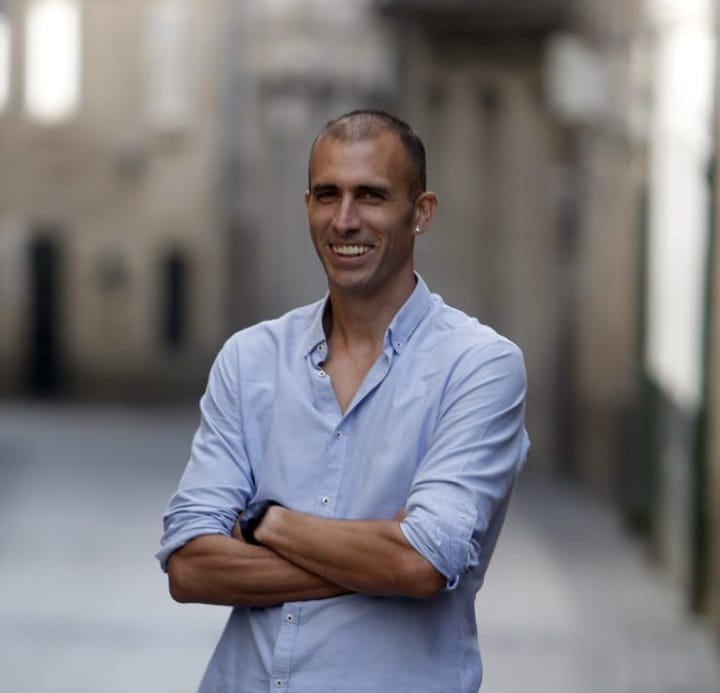
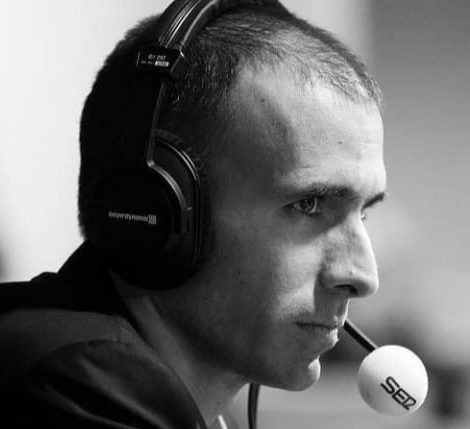
NARCODIARIO est le principal journal d’information sur le trafic de drogue en espagnol et son fondateur, c’est Víctor Méndez Sanguos, journaliste spécialisé, auteur de deux livres sur le trafic de drogue. Il est pleinement impliqué dans les enquêtes journalistiques liées au trafic de drogue au niveau international depuis 15 ans. Son objectif est que Narcodiario se consolide comme la référence de toute actualité sur le trafic de drogue.
NARCODIARIO vous dit TOUT (ou presque), en temps réel.
°°°°°°
Trés surpris que Víctor Méndez Sanguos que j’ai rencontré longuement à Bayonne en France n’est pas jugé intéressant de parler des années 90. Il est vrai que mon discours n’a jamais été obséquieux jusqu’à encenser les services officiels et qu’AVISEUR INTERNATIONAL n’est pas un blog à la gloire des services antistups.
Un peu des années 1990…
Les « historiens » du DEA avaient déja refait l’histoire de cette opération à laquelle a participé la DNRED par l’infiltration de NS 55!
Aujourd’hui, la DEA a fait encore plus fort… Cette opération a disparu des écrans du DEA.
C’est une enquête menée sur plus de 40 médias dans plus de 20 pays d’Amérique et d’Europe, dont Narcodiario, basée sur une fuite sans précédent, révèle comment la carte mondiale du crime organisé est en train de se modifier.
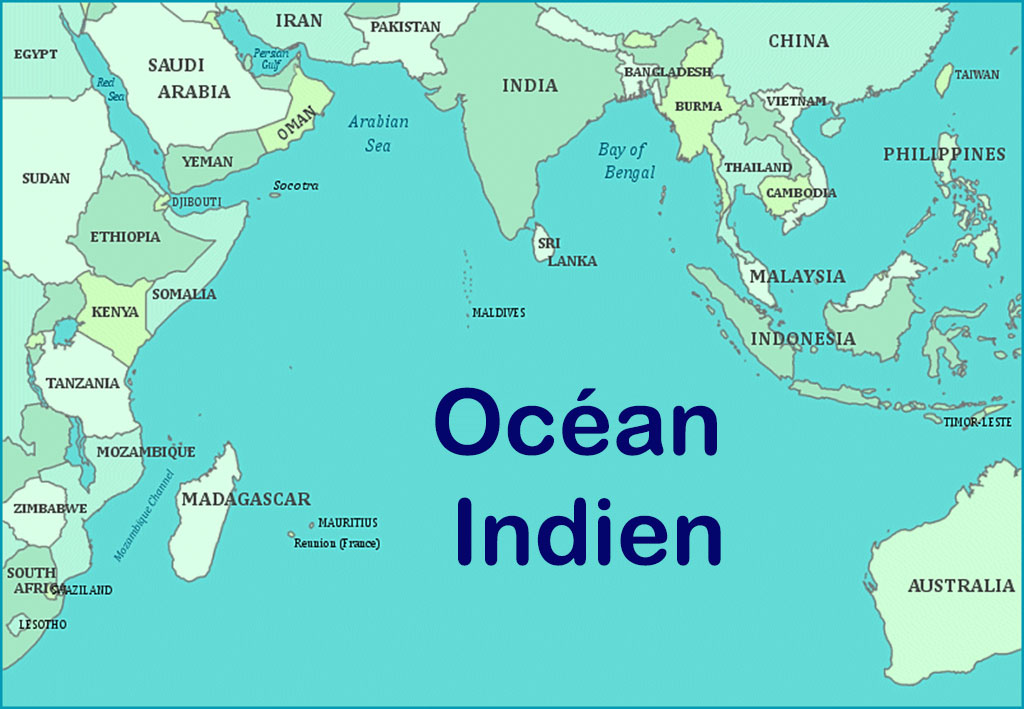
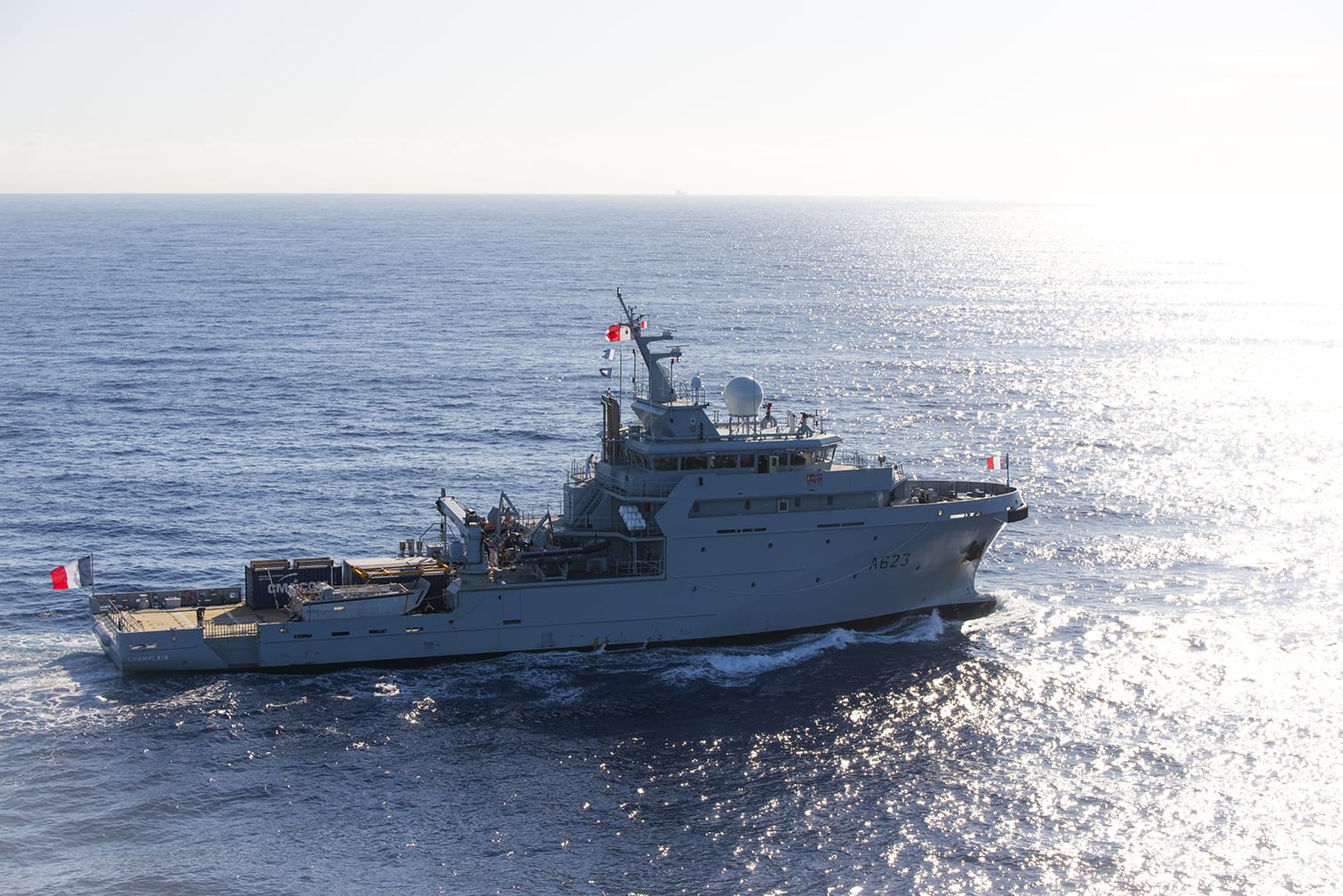
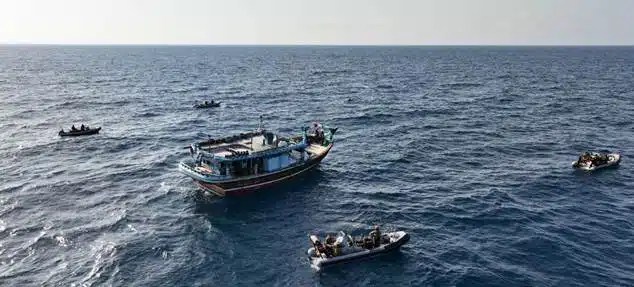
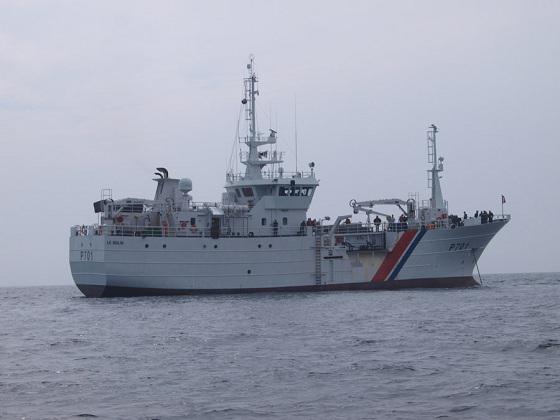
C’est France Info TV réunion 1 qui nous rapporte que ce mardi 17 octobre, au cours d’une opération des FAZSOI (Forces armées de la zone sud de l’océan Indien) visant à lutter contre le narcotrafic dans la zone, 283 kilos d’héroïne ont été découverts à bord d’un boutre en haute mer.
Le bateau a été intercepté par le Champlain et le patrouilleur Le Malin
A l’issue de cette opération conjointe visant à lutter contre le narcotrafic dans la zone, la cargaison de drogue a été saisie et elle sera détruite par les militaires.

 AVISEUR INTERNATIONAL