Aviseur International renseigne, sans complaisance, sur la problématique de la drogue, du narcotrafic, de la corruption et sur les politiques mises en œuvre par les différents Etats et les dérives que s'autorisent les fonctionnaires des administrations — aviseurinternational@proton.me — 33 (0) 6 84 30 31 81
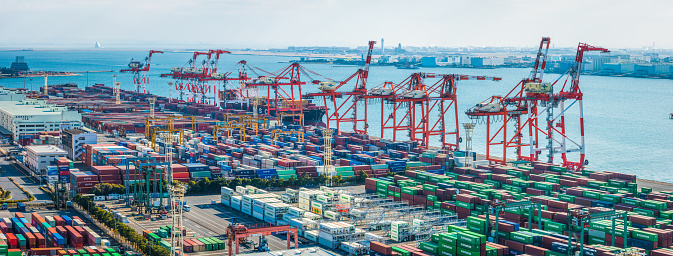
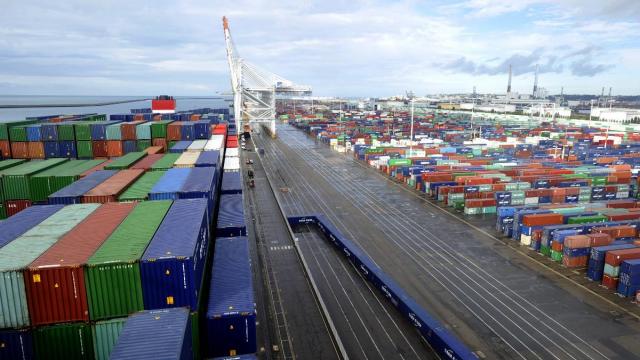
Lundi 10 janvier 2022 au matin, les services des douanes ont intercepté un poids lourd suspect revenant du port du Havre après avoir chargé un conteneur, selon nos informations.
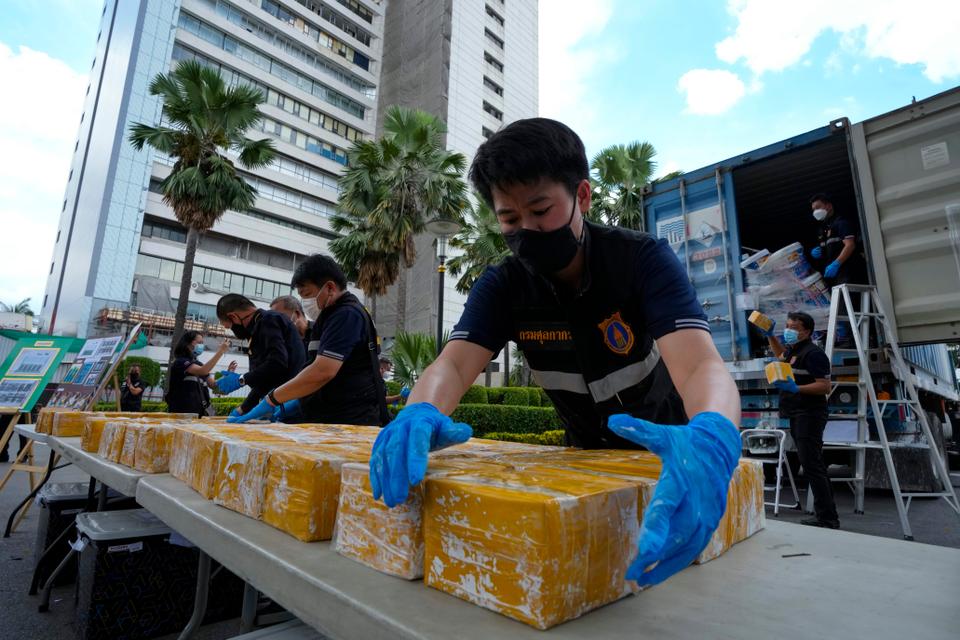
Une fois sur le chemin en direction d’un lieu inconnu, les agents des douanes ont procédé à des interpellations lors de cette interception. Ils ont dans un premier temps appréhendé le chauffeur du poids lourd, et son passager. Mais pas que. En ouvrant le conteneur, les douaniers ont découvert une centaine de kilos de cocaïne. Ils ont également eu la surprise d’y trouver… trois individus dissimulés. Chose peu habituelle dans ce genre de circonstances.
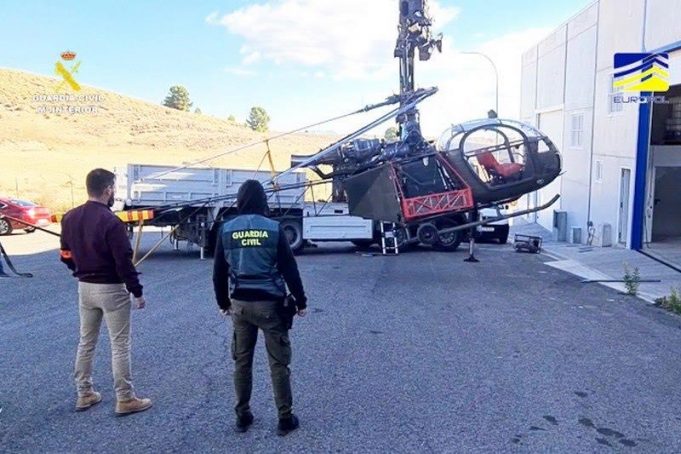
La ‘Guardia Civil’, en collaboration avec l’ OFAST (Office français de lutte contre les stupéfiants), a démantelé un réseau constitué de 11 individus actifs dans le trafic de haschich à partir du Maroc par hélicoptères.
Selon des médias espagnols, relayés par le site arabophone Hespress, ce démantèlement intervient après une enquête policière menée depuis 2020 qui a abouti à l’arrestation des suspects et à la découverte de « l’entrée à partir des côtes marocaines d’hélicoptères chargés de grandes quantités de hachich ».
Desarticulada una organización que introducía droga en España con helicópteros en colaboración con la OFAST y Europol. En el operativo se han intervenido 4 helicópteros, 4 camiones, 6 turismos, así como 4 armas de fuego.
Après l’appel d’un habitant étonné du comportement d’un rôdeur dans la nuit du jeudi 6 au vendredi 7 janvier, les policiers ont découvert une grande quantité de résine et herbe de cannabis.
Le 5 janvier, au petit matin à 5h30, les douaniers postés au péage de Biriatou ont découvert 480 kilos, dissimulés dans une cache aménagée dans un camion.
Il aura fallu la meuler pour en dégager le contenu.
La droga fue descubierta por « inconsistencias » en los sellos del contenedor.
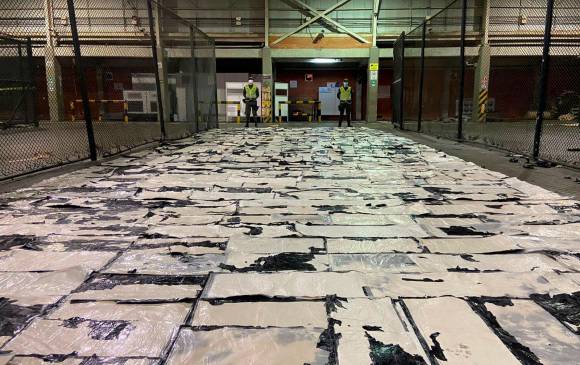
Las autoridades lograron « la incautación de una tonelada de cocaína dentro de un contenedor con pieles de bovinos tipo exportación que tenía como destino Bulgaria », dijo en un comunicado la Dirección de Antinarcóticos de la Policía de Colombia.
Con la inspección, la Policía encontró una tonelada de clorhidrato de coca, muy bien camuflada entre 25 toneladas de pieles.
La carga provenía del puerto de Guayaquil (Ecuador).
El contenedor tenía destino el puerto de Burgas, en Bulgaria, donde sería recibido por miembros del Clan de los Balcanes, quienes luego la distribuirían en Francia, Alemania e Italia.
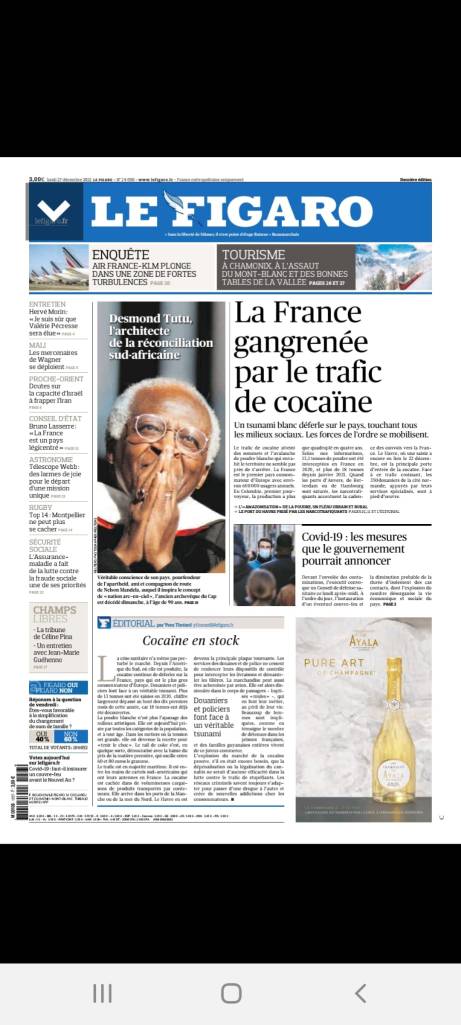
Cette affaire illustre l’importance prise désormais par le trafic de cocaïne en France avec des réseaux qui inondent tout le territoire.
La cocaïne qui était avant une drogue réservée à des milieux huppés dans un cadre festif est devenue de plus en plus présente partout.
L’enquête préliminaire associant la sûreté départementale de la Vienne et la brigade des Stups de Paris visait un réseau soupçonné d’alimenter le département en cocaïne.
Des interpellations ont eu lieu à la fois à Roissy sur des mules arrivant de Guyane chargées de cocaïne et dans la Vienne.
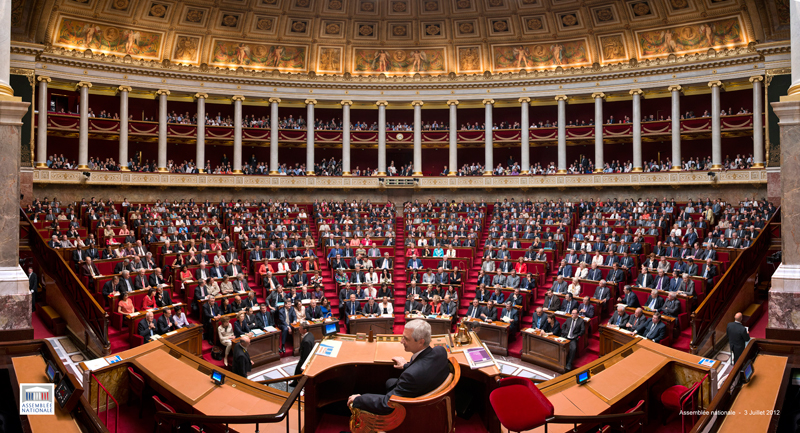
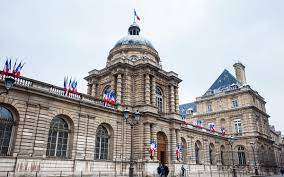
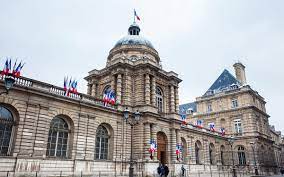
La « politique » anti-stups en France est décidée par les lois votées à l’Assemblée nationale après examen au Sénat.
Ces élus, ministres et hauts-fonctionnaires ont démontré qu’ils étaient trop souvent sous influence de lobbys (clubs de réflexion et d’influence dits aussi « think tanks », lobbyistes et cabinets de lobbying ou de conseils, avocats, associations et fondations etc.)
Sécuriser l’étude des propositions de lois à venir quant au fait que tous ces élus ne sont pas sous influence de produits illicites comme le cannabis, la cocaïne, l’héroïne, pour que les décisions prises le soient en parfait état mental.
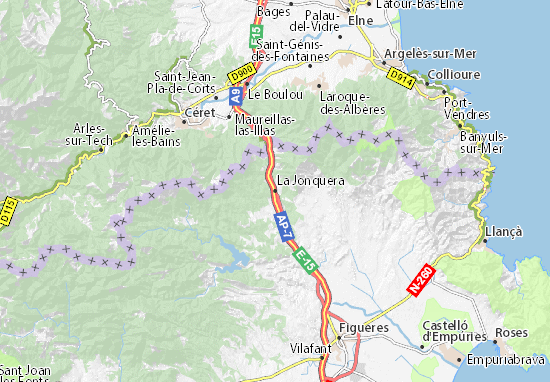
Un ressortissant Allemand de 52 ans a accepté, contre une rémunération de 2 700 €, d’aller récupérer une cargaison de cannabis dans un véhicule fourni par un dealer, de charger la marchandise à la Jonquera en Espagne dans une cache aménagée dans le coffre de la voiture et de convoyer le tout jusqu’à Hambourg.
In mid-December, the authorities in Arizona intercepted more than 1.5 tons of methamphetamine coming from Mexico, the last in a line of record drug hauls around the world in recent months. Responding to the news, UN synthetic drugs expert Martin Raithelhuber tweeted that the size of meth seizures was “simply amazing”.
The global drugs trade is on fire, having survived the coronavirus pandemic with minimal disruption. Production is increasing in many places, fuelled by instability and economic crises in major drug-producing countries. Traffickers appear to be sending vast shipments, reflected in record-breaking drug seizures.
“There’s a boom in demand, there’s a boom in supply,” said Andrew Cunningham, head of drug markets, crime and supply reduction at the European Monitoring Centre for Drugs and Drug Addiction (EMCDDA), “It does look quite apparent.”
Nowhere is this boom more pronounced than in the Golden Triangle, where Laos, Thailand and Myanmar intersect. In October, police grabbed 55 million methamphetamine tablets in Laos, Asia’s largest ever drug bust. Regional drug production and trafficking have intensified following the February coup in Myanmar, which plunged the country into chaos.
The October meth haul was only the tip of the iceberg. Many other large shipments have been reported in recent months. Seizures of methamphetamine have been expanding steadily in the past decade to reach a record high in 2020, according to the United Nations Office on Drugs and Crime (UNODC).
“There is an expansion of the synthetic drug market,” said Martin Raithelhuber, of UNODC. Meth was becoming “cheaper” while purity remained high, he said. “It really points to a larger amount of the drug being available on the market”.
This boom has been facilitated by innovative chemistry. Drug producers have managed to create their own precursor chemicals for synthetic drugs, bypassing international controls. Last year Laotian authorities seized more than 70 tons of propionyl chloride, which can be used to make fentanyl and meth precursors.
Record hauls
Mexican cartels have reportedly used similar experimentation, and drugs are flooding into the US. In November, almost 9 tons of meth and over 175 kg of fentanyl were seized at the border, the largest amount for either drug in two years. Indeed, the DEA seized a record amount of fentanyl in 2021. Overdose deaths reached new highs from 2020 to 2021.
Mexican cartels have also penetrated the European market. Spanish police recently announced the largest ever methamphetamine bust on record, with over 2.5 tons seized in separate, coordinated raids in various cities. A Mexican cartel was allegedly piping meth into Europe through the port of Barcelona.
These seizures point to large-scale drug production, but they are also indicative of intensified law-enforcement activity, according to Andrew Cunningham. The Spanish meth haul was the result of a lengthy international investigation. Encrypted communication platforms used by traffickers have recently been cracked, leading to big seizures.
Mexican cartels have also penetrated the European market. A Mexican cartel was allegedly piping meth into Europe through the port of Barcelona. (AP)
The narcotics trade has also been helped along by political instability in major drug-producing countries, such as Myanmar and Afghanistan. The production and trafficking of narcotics tend to flourish in chaotic, conflict-ridden states with rule of law deficits.
“The places where the drug production is booming are places where the state has very little control or they’re facilitating or turning a blind eye to things that are going on in the country,” Cunningham told TRT World.
In war-ravaged Syria manufacture of the amphetamine known as Captagon has skyrocketed with the help of the government. The Assad regime, throttled by sanctions and mired in economic crisis, is relying on drugs to earn hard currency. Associates of the ruling family are allegedly involved in production and trafficking of Captagon, turning Syria into a narcostate.
Captagon seizures have reached eyewatering levels. 2021 saw the largest quantity of tablets seized on record, with 95 million pills intercepted in Malaysia in a single haul in March. In Jordan, almost twice as many Captagon tablets were grabbed in 2021 compared with the previous year. And Saudi Arabia has been severely affected, too.
Captagon has also reached Iraq, where use of synthetic drugs, including methamphetamine, has increased enormously in the past decade. The amount of Captagon and meth seized in 2021 was twenty times larger than in the previous two years combined, according to the Iraqi government.
“The Captagon trade has experienced a notable increase in both supply and number of transit and destination markets,” said Caroline Rose, Senior Analyst and Head of the Power Vacuums program in the Human Security unit at the Newlines Institute and author of an upcoming report on Captagon. “It’s very likely that this trade will continue to expand”.
Meanwhile, Afghanistan has emerged as a major meth producer. The drug can be made cheaply using a local plant, ephedra. Afghan meth now flows in copious quantities to Iran and also to Africa via Pakistan and the Indian Ocean. International maritime forces seized more drugs in the region in 2021 than in the previous four years combined – a new record.
The narcotics boom is more pronounced than anywhere else in the Golden Triangle, where Laos, Thailand and Myanmar intersect. Regional drug production and trafficking intensified following the February coup in Myanmar, which plunged the country into chaos. (AP)
According to recent research, the production of ephedra appears to be increasing in Afghanistan as the country collapses into economic crisis. Satellite imagery reveals “new shops, an extended storage area for dried & milled ephedra, and more inventory than ever before”, writes David Mansfield. The price of both meth and ephedra has fallen.
Afghanistan is also a major producer of opiates, accounting for 85 percent of the global heroin supply. Opium production increased by 8 percent in 2021, the United Nations recently assessed, and may continue to rise as farmers have reported higher levels of cultivation this planting season.
Elsewhere, the cocaine trade is booming. Production increased in Colombia in 2020, and there have been a number of massive seizures at European ports, including over 16 tons at Hamburg in February, almost 11 tons at Antwerp in April and 4 tons at Rotterdam in October. Turkey also saw the largest cocaine haul in its history this year.
What supply chain crisis?
The use of container ships to smuggle cocaine concealed in perishable goods, such as fruit, predated the pandemic, but appears to have increased. Air travel was severely hit by coronavirus restrictions, limiting the ability to send drugs on commercial flights.
Maritime shipping enables smugglers to transport huge quantities of product with relatively limited risk of detection, given the size of the vessels and the time-sensitive nature of food imports, which must be checked promptly by customs officials.
The massive seizures this year also indicate that the cocaine trade has not been significantly disrupted by the covid-related supply-chain crisis. A boom in demand combined with covid problems in Asia have caused shortages of goods and shipping delays as vessels lie moored outside ports, waiting for a berth.
While South America has been affected by the crisis, import volumes from the east coast to Europe have not declined during the pandemic, according to Simon Heaney, a senior manager at maritime consultancy, Drewry. “I haven’t seen any evidence that volumes on this trade have been supressed by the supply chain issues,” Heaney told TRT World.
Food, in which cocaine is often hidden, is less vulnerable to disruption than electrical appliances. “The supply chain is much more complex with electrical goods – more intermediate components / parts that need to be shipped from various locations, increasing the risk of delays / raising costs,” Heaney said.
The pandemic forced traffickers to adapt their methods, selling drugs online and adopting novel delivery systems that reduce human contact, such as drones. (AP)
While the cost of sending freight has generally become more expensive amid the supply-chain crisis, including from South America, traffickers generally conceal their product in licit shipments, meaning they “do not pay for the cost of the shipping container”, according to Andrew Cunningham.
The trafficking of heroin along the Balkan Route through Iran and Turkey to Europe is mostly conducted in vehicles and has not been seriously affected by the shipping crisis, and the same goes for the meth trade in Southeast Asia, much of which happens overland between Lower Mekong countries.
The demand for narcotics might also have increased, Cunningham said. The use of drugs normally consumed in recreational settings, such as MDMA and cocaine, appeared to fall during the initial lockdowns in 2020, but has since bounced back, according to the EMCDDA’s 2021 drug report.
The pandemic forced traffickers to adapt their methods, selling drugs online and adopting novel delivery systems that reduce human contact, such as drones. While some of these adaptations might be temporary, others could transform the drug trade and further empower traffickers going forward.
The social and economic damage caused by Covid-19 could also drive more people into drugs. “Research findings associate inequality, poverty and lack of opportunities for socioeconomic development with increased drug use disorders and increased engagement in drug production and trafficking,” says the 2021 UN World Drug Report.
Narco-traffickers defied Covid-19 and now look set to reach new heights, as the stars are aligning for a further expansion of their trade.
Deux Auxerroises ont été interceptées sur l’A31 dans la nuit de dimanche à lundi en Meurthe-et-Moselle, avec dans le coffre 78 kilos de drogue, dont 12 kilos d’héroïne. L’opération, menée par la police judiciaire d’Auxerre et de Dijon, est l’aboutissement de plusieurs semaines d’enquête.
L’Office anti-stupéfiants (Ofast) a saisi plus d’une tonne de cocaïne en provenance de Colombie mercredi dernier à proximité du port du Havre (Seine-Maritime).
Plusieurs trafiquants ont été interpellés, sans plus de précisions pour le moment.
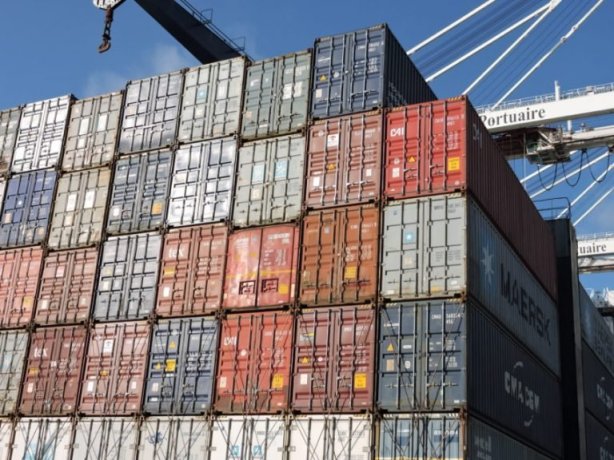
Les douanes scanneraient 6000 conteneurs par an alors qu´il en rentre (selon le Figaro) 7900 par jour ! Dans l’état actuel des moyens offerts par la technologie , il serait possible de scanner 100% du flux avec des scanners IGRIS.
L’action de la Douane française est une douce plaisanterie et ne sert qu’à donner l’impression qu’on agit…
Au-delà des satisfecit, un nombre croissant de policiers de terrain, y compris parmi ceux affectés au sein d’unités spécialisées, se prend à douter de l’efficacité d’une stratégie qui ne semble guère endiguer le niveau du trafic ni celui de la consommation.
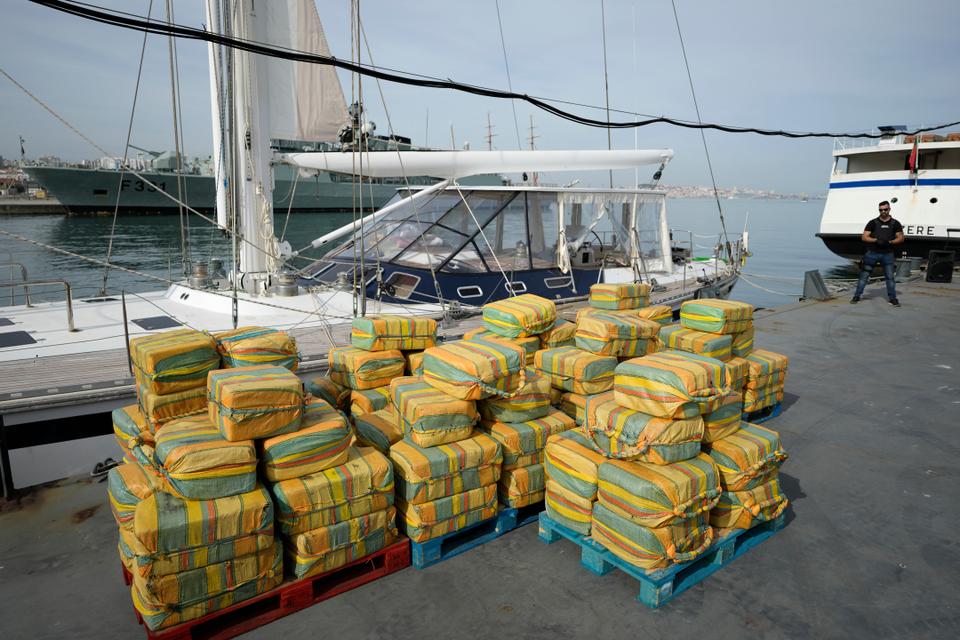
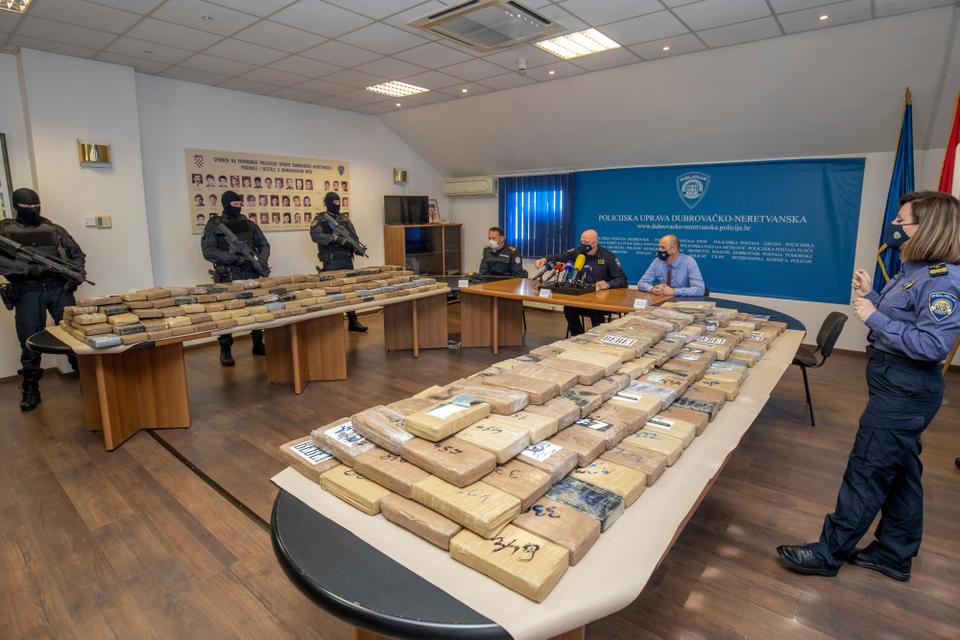
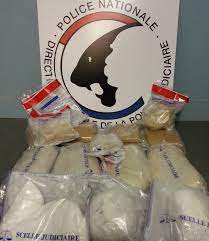
Des photos de ballots de cocaïne saisis après une opération policière et diffusées sur les réseaux sociaux, des communiqués de presse saluant le démantèlement d’une nouvelle filière d’importation de cannabis ou d’héroïne : les jours de la lutte antidrogue se suivent et se ressemblent, ponctués d’interpellations, de procès, de condamnations.
Sur le papier – et pour les statistiques –, ces « victoires » témoignent de la mobilisation réelle des services de police, de gendarmerie et des douanes dans l’inlassable guerre menée contre les trafiquants. Mais, au-delà des satisfecit, un nombre croissant de policiers de terrain, y compris parmi ceux affectés au sein d’unités spécialisées, se prend à douter de l’efficacité d’une stratégie qui ne semble guère endiguer le niveau du trafic ni celui de la consommation.
Ni les 100 000 amendes forfaitaires délictuelles dressées depuis septembre 2020 ni les importantes saisies réalisées la même année (96 tonnes de cannabis, 13 tonnes de cocaïne, 1 tonne d’héroïne et 1,2 million de comprimés d’ecstasy) ne sont parvenues à démentir ce constat : les Français restent les plus gros consommateurs de substances psychoactives en Europe, en particulier de cannabis.
Policier britannique pendant vingt-six ans, dont la moitié passée à infiltrer des réseaux de trafiquants de drogue, Neil Woods est membre du conseil d’administration de Law Enforcement Action Partnership (LEAP).
Cette organisation internationale, qui rassemble policiers de haut rang en activité ou à la retraite, spécialistes des questions de sécurité, magistrats et universitaires, plaide pour une réglementation du marché des stupéfiants.
Pas un jour ne passe sans saisie de drogue. Est-ce le signe d’une action plus efficace des services de police ?
Il faut absolument remettre en question ce récit policier. Nous sommes constamment bombardés d’images d’arrestations et de saisies mais c’est une illusion totale. Même lorsque la police enregistre des succès, ce succès n’a aucun sens, il est purement théorique. Son action ne réduit jamais la taille du marché, elle en modifie juste la forme. Or, ce changement contribue toujours à aggraver la situation.
Le Law Enforcement Action Partnership est un organisme à but non lucratif 501(c)(3) de policiers, procureurs, juges, agents pénitentiaires et autres responsables de l’application des lois qui prônent des réformes de la justice pénale et des politiques en matière de drogue qui rendront nos communautés plus sûres et plus justes. Fondé par cinq policiers en 2002 avec un seul accent sur la politique en matière de drogue, notre bureau de conférenciers compte aujourd’hui plus de 200 professionnels de la justice pénale qui conseillent sur les relations police-communauté, l’incarcération, la réduction des méfaits, la politique en matière de drogue et les problèmes mondiaux depuis un lieu d’une crédibilité inattaquable. et perspicacité. À travers des allocutions, des apparitions dans les médias, des témoignages et le soutien des efforts alliés, LEAP atteint un public à travers un large éventail d’affiliations et de croyances, appelant à des politiques plus pratiques et éthiques du point de vue de la sécurité publique.
The NCA is appealing for information on the whereabouts of a convicted money launderer who talked of moving up to £50 million out of the UK every month.
Abdul Fahad, 41, of Meads Lane, Ilford, was arrested by NCA officers in 2018 after bundles of cash totalling more than £100,000 were found in his car.
He was charged with multiple money laundering offences after further cash was located at his home, alongside evidence of frequent and suspicious trips to the United Arab Emirates.
Fahad initially told NCA officers that the cash seized had come from life savings, and from the sale of property and stocks.
He also stated he was a sole trader dealing in cars and that he intended to pay the money into a bank to buy a car.
However, the investigation found that Fahad was in regular contact with Sathar Khan, a money launderer jailed in 2018 for attempting to board a flight to Dubai with almost £1.5 million pounds cash in his suitcases.
Officers recovered messages from Fahad’s phone, showing a handwritten note detailing a schedule of dates for travel to Dubai between himself and Khan.
Between 2017 and 2018, the two men made nearly 200 return flights with both frequently travelling out with a significantly greater weight of luggage than they returned with.
NCA investigators estimate that Fahad left the UK with an extra 379 kilos over the offending period, which would equate to around £5 million in cash.
Messages on Fahad’s phone also detailed conversations with another would-be cash courier, with one message reading: “Giv me some work too… so I can earn too.’
Further messages revealed that Fahad and Khan discussed sending two couriers per day on money laundering runs during July and August 2018.
Money laundering experts estimate that, if successful, this may have seen up to £50 million moved out of the UK in the period.
Fahad appeared before Southwark Crown Court in September this year, where he pleaded guilty to three money laundering charges. He was granted bail but later absconded.
He was sentenced in his absence to eight years in prison on 16 December.
Law enforcement partners in the UAE provided valuable assistance to the NCA investigation.
Jason Hulme, Operations Manager at the National Crime Agency said:
“Fahad was at the heart of a multi-million-pound money laundering conspiracy, moving cash which would have been derived from serious and organised crime in the UK and internationally.
“We are seeking information on his whereabouts in order that he is made to serve his prison sentence. We believe he could be in East London, particularly around the Ilford or East Ham area and has connections to Dubai and Sri Lanka.
“Anyone with information should report to the NCA Control Centre on 0370 496 7622 quoting Operation Blissless or anonymously to Crimestoppers on 0800 555 111.”
La « politique » anti-stups en France est décidée par les lois votées à l’Assemblée nationale après examen au Sénat.
Ces élus ont démontré qu’ils étaient trop souvent sous influence de lobbys (clubs de réflexion et d’influence dits aussi « think tanks », lobbyistes et cabinets de lobbying ou de conseils, avocats, associations et fondations etc.)
Sécuriser l’étude des propositions de lois à venir quant au fait que tous ces élus ne sont pas sous influence de produits illicites comme le cannabis, la cocaïne, l’héroïne, pour que les décisions prises le soient en parfait état mental.
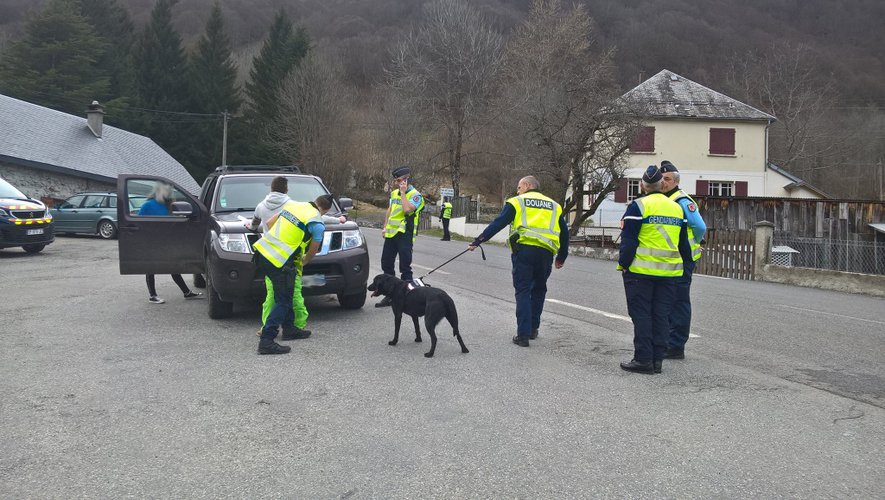
Un étudiant espagnol, contrôlé par les douaniers à Sarrancolin dans les Hautes-Pyrénées le 19 décembre, transportait 93,5 kg d’herbe de cannabis dans sa remorque. En deux ans, c’est le troisième individu intercepté dans les Hautes-Pyrénées pour trafic de drogue international.
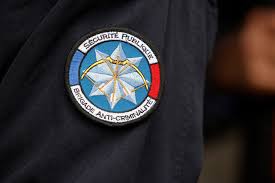
La brigadière, en poste à la Brigade anticriminalité (BAC) de Paris Centre (1er, 2e, 3e et 4e arrondissements), avait pris en filature le trafiquant, un mineur de 17 ans, repéré quelques minutes plus tôt à la sortie d’une bouche de métro.
« Il était le nez sur son portable, semblait chercher une rue et vérifier autour de lui qu’il n’était pas observé. Cette fois, ça a marché mais neuf fois sur dix ça ne donne rien« , explique-t-elle pour justifier son intuition.
Seule, elle renonce à interpeller l’acheteuse mais poursuit la « filoche » du dealer dans le métro parisien, rejointe par ses deux collègues, le major Lucas* et le brigadier-chef Li*.
La brigadière, en poste à la Brigade anticriminalité (BAC) de Paris Centre (1er, 2e, 3e et 4e arrondissements), avait pris en filature le trafiquant, un mineur de 17 ans, repéré quelques minutes plus tôt à la sortie d’une bouche de métro.
« Il était le nez sur son portable, semblait chercher une rue et vérifier autour de lui qu’il n’était pas observé. Cette fois, ça a marché mais neuf fois sur dix ça ne donne rien« , explique-t-elle pour justifier son intuition.
Seule, elle renonce à interpeller l’acheteuse mais poursuit la « filoche » du dealer dans le métro parisien, rejointe par ses deux collègues, le major Lucas* et le brigadier-chef Li*.
Le trio passe finalement les menottes au jeune homme sur le quai du RER C qu’il s’apprêtait à emprunter pour rentrer au domicile de ses parents dans le Val-de-Marne.
Sans résistance, il sort la marchandise dissimulée dans son boxer. Au total, une petite dizaine de capsules de cocaïne, quelques pochons de crack et des pilules d’ecstasy.






 AVISEUR INTERNATIONAL