 And as violence rises, the police lag far behind
That afternoon, in Puerto Banús, the wealthiest and most extravagant area of the city, a young British man with ties to organised crime walked out of a Louis Vuitton store and found himself surrounded by a crew of young Maghrebis, “soldiers” from one of the Marseille clans. “They didn’t want anything specific,” he said. “They just stared me down and said: ‘What’s up?’ They were looking for trouble. Things like this have been happening for a while now. It’s getting really dangerous here,” he said, with no apparent sense of the irony of a criminal complaining about criminality.
On the same day, in New Andalucía, one of the luxury housing developments on the outskirts of the city, next to the scorched shell of the Sisú Hotel, which was set on fire in what seemed to be a settling of scores, a Rolls-Royce sped through an intersection and smashed into an oncoming car. The driver, a young man in a tracksuit and tattoos, got out and inspected the damage, clutching three mobile phones and glaring defiantly at passersby.
It was in the 60s, during Spain’s economic “miracle” and development boom, that the Costa del Sol was transformed into the tourist hotspot of southern Europe. First, working-class holidaymakers thronged the public beaches. Then an emerging class of jet-setters found their piece of paradise in Marbella. The plan to develop the region succeeded, but success came with its own baggage. “This was the Francoist agreement,” said Antonio Romero, an author and former politician who is one of the most outspoken voices against organised crime in the region. “You, the criminals, come here to relax, don’t commit any crimes, and bring your money.” And so, as the authorities turned a blind eye, Marbella became a premier destination for the global criminal elite.
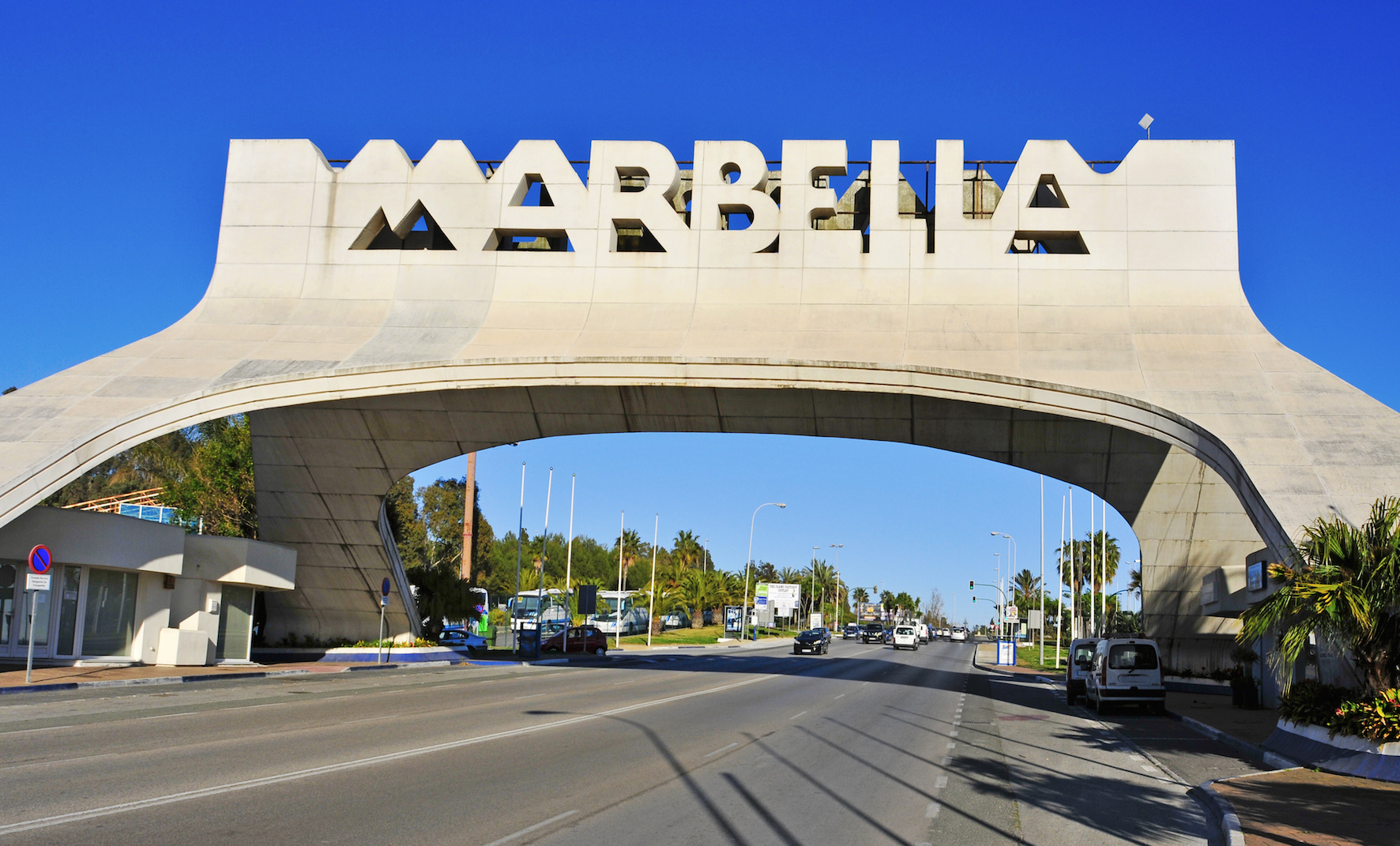
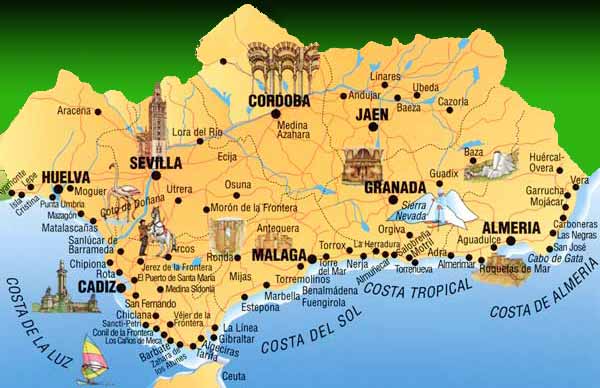
The Costa del Sol is organised crime’s southern frontier – a stretch of urban sprawl extending from Málaga to Estepona, with Marbella, a city of 147,633 people, as its capital. According to the Spanish Intelligence Centre for Counter-Terrorism and Organised Crime, there are at least 113 criminal groups representing 59 different nationalities operating out of the area.
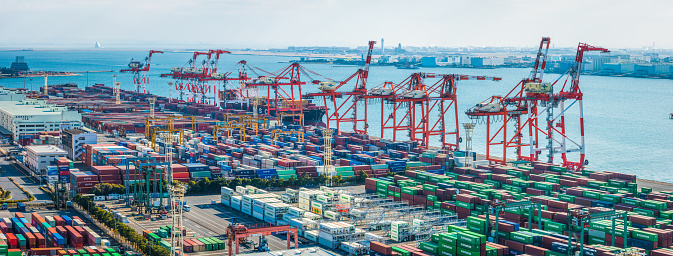
There is nowhere quite like the Costa del Sol – a long tongue of land stretching 55 miles between the mountains and the sea. To the south, less than 10 miles of open water separates the region from Morocco – the world’s largest producer of hashish – and from the autonomous Spanish outposts of Ceuta and Melilla. Less than an hour’s drive away is one of Europe’s main entry points for cocaine, the port of Algeciras. Across the bay from Algeciras is the British overseas territory of Gibraltar, a tax haven separated from Spain by a fence. To the north rise the Málaga and Granada mountains, Europe’s main region for marijuana cultivation.
 AVISEUR INTERNATIONAL