NARCO-BUSINESS 🇪🇺 🇺🇸 🇦🇺 🇨🇳 🇲🇽 🇧🇷 🇦🇫: narco-traffickers defied Covid-19 and now look set to reach new heights, as the stars are aligning for a further expansion of their trade.

In mid-December, the authorities in Arizona intercepted more than 1.5 tons of methamphetamine coming from Mexico, the last in a line of record drug hauls around the world in recent months. Responding to the news, UN synthetic drugs expert Martin Raithelhuber tweeted that the size of meth seizures was “simply amazing”.  

The global drugs trade is on fire, having survived the coronavirus pandemic with minimal disruption. Production is increasing in many places, fuelled by instability and economic crises in major drug-producing countries. Traffickers appear to be sending vast shipments, reflected in record-breaking drug seizures.

“There’s a boom in demand, there’s a boom in supply,” said Andrew Cunningham, head of drug markets, crime and supply reduction at the European Monitoring Centre for Drugs and Drug Addiction (EMCDDA), “It does look quite apparent.” 

Nowhere is this boom more pronounced than in the Golden Triangle, where Laos, Thailand and Myanmar intersect. In October, police grabbed 55 million methamphetamine tablets in Laos, Asia’s largest ever drug bust. Regional drug production and trafficking have intensified following the February coup in Myanmar, which plunged the country into chaos.

The October meth haul was only the tip of the iceberg. Many other large shipments have been reported in recent months. Seizures of methamphetamine have been expanding steadily in the past decade to reach a record high in 2020, according to the United Nations Office on Drugs and Crime (UNODC). 

“There is an expansion of the synthetic drug market,” said Martin Raithelhuber, of UNODC. Meth was becoming “cheaper” while purity remained high, he said. “It really points to a larger amount of the drug being available on the market”. 

This boom has been facilitated by innovative chemistry. Drug producers have managed to create their own precursor chemicals for synthetic drugs, bypassing international controls. Last year Laotian authorities seized more than 70 tons of propionyl chloride, which can be used to make fentanyl and meth precursors. 

Record hauls

Mexican cartels have reportedly used similar experimentation, and drugs are flooding into the US. In November, almost 9 tons of meth and over 175 kg of fentanyl were seized at the border, the largest amount for either drug in two years. Indeed, the DEA seized a record amount of fentanyl in 2021. Overdose deaths reached new highs from 2020 to 2021.

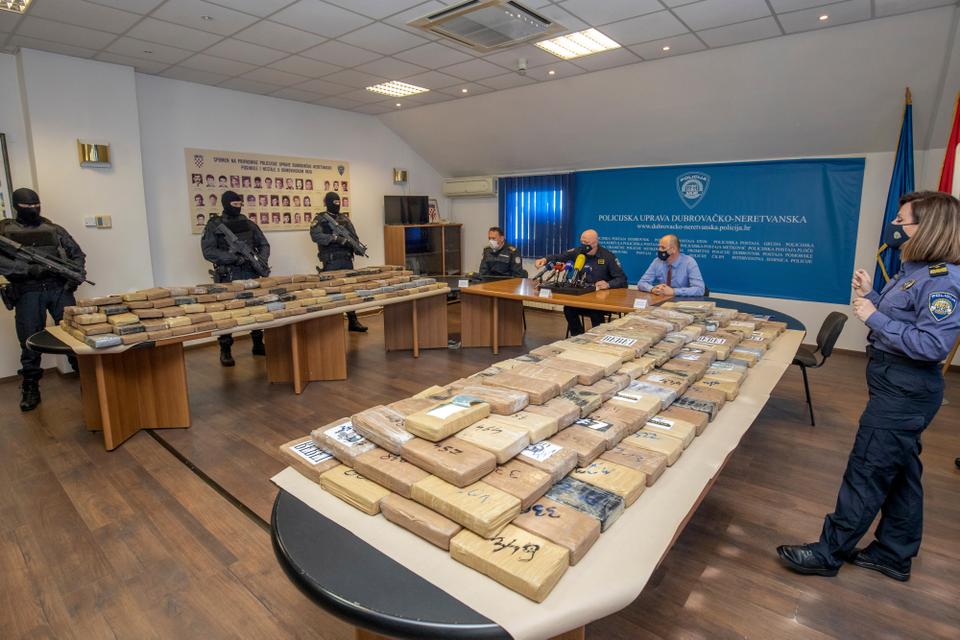
Mexican cartels have also penetrated the European market. Spanish police recently announced the largest ever methamphetamine bust on record, with over 2.5 tons seized in separate, coordinated raids in various cities. A Mexican cartel was allegedly piping meth into Europe through the port of Barcelona.

These seizures point to large-scale drug production, but they are also indicative of intensified law-enforcement activity, according to Andrew Cunningham. The Spanish meth haul was the result of a lengthy international investigation. Encrypted communication platforms used by traffickers have recently been cracked, leading to big seizures.
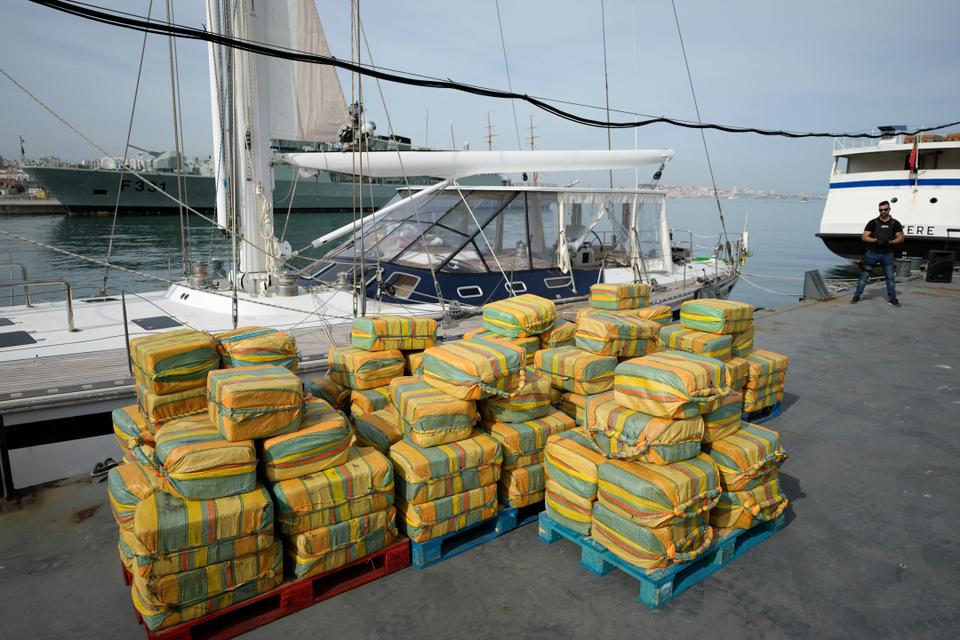
Mexican cartels have also penetrated the European market. A Mexican cartel was allegedly piping meth into Europe through the port of Barcelona.
Mexican cartels have also penetrated the European market. A Mexican cartel was allegedly piping meth into Europe through the port of Barcelona. (AP)

The narcotics trade has also been helped along by political instability in major drug-producing countries, such as Myanmar and Afghanistan. The production and trafficking of narcotics tend to flourish in chaotic, conflict-ridden states with rule of law deficits. 

“The places where the drug production is booming are places where the state has very little control or they’re facilitating or turning a blind eye to things that are going on in the country,” Cunningham told TRT World.

In war-ravaged Syria manufacture of the amphetamine known as Captagon has skyrocketed with the help of the government. The Assad regime, throttled by sanctions and mired in economic crisis, is relying on drugs to earn hard currency. Associates of the ruling family are allegedly involved in production and trafficking of Captagon, turning Syria into a narcostate.

Captagon seizures have reached eyewatering levels. 2021 saw the largest quantity of tablets seized on record, with 95 million pills intercepted in Malaysia in a single haul in March. In Jordan, almost twice as many Captagon tablets were grabbed in 2021 compared with the previous year. And Saudi Arabia has been severely affected, too.

Captagon has also reached Iraq, where use of synthetic drugs, including methamphetamine, has increased enormously in the past decade. The amount of Captagon and meth seized in 2021 was twenty times larger than in the previous two years combined, according to the Iraqi government. 

“The Captagon trade has experienced a notable increase in both supply and number of transit and destination markets,” said Caroline Rose, Senior Analyst and Head of the Power Vacuums program in the Human Security unit at the Newlines Institute and author of an upcoming report on Captagon. “It’s very likely that this trade will continue to expand”.

Meanwhile, Afghanistan has emerged as a major meth producer. The drug can be made cheaply using a local plant, ephedra. Afghan meth now flows in copious quantities to Iran and also to Africa via Pakistan and the Indian Ocean. International maritime forces seized more drugs in the region in 2021 than in the previous four years combined – a new record.
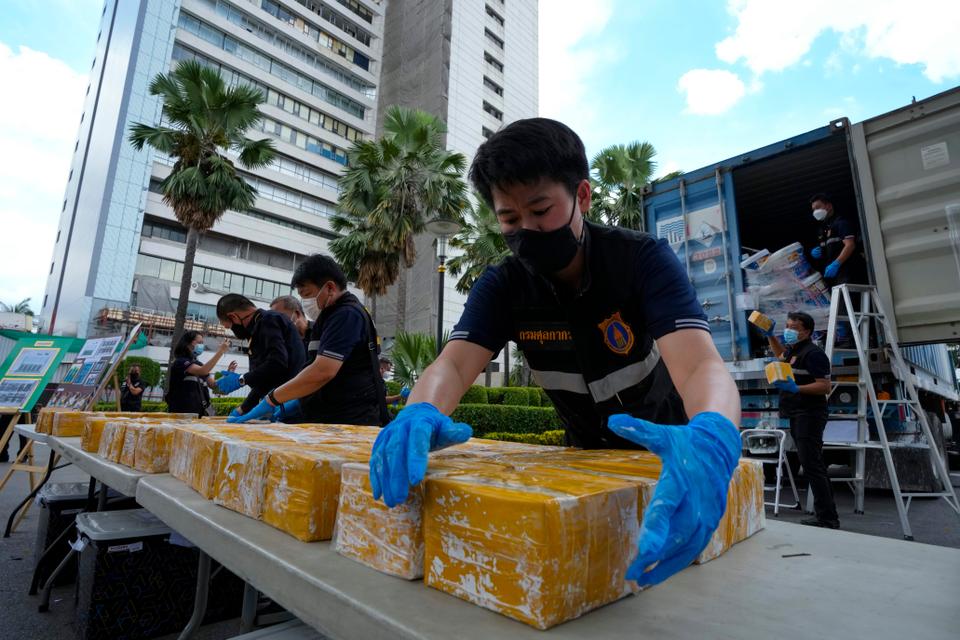
The narcotics boom is more pronounced than anywhere else in the Golden Triangle, where Laos, Thailand and Myanmar intersect. Regional drug production and trafficking intensified following the February coup in Myanmar, which plunged the country into chaos.
The narcotics boom is more pronounced than anywhere else in the Golden Triangle, where Laos, Thailand and Myanmar intersect. Regional drug production and trafficking intensified following the February coup in Myanmar, which plunged the country into chaos. (AP)

According to recent research, the production of ephedra appears to be increasing in Afghanistan as the country collapses into economic crisis. Satellite imagery reveals “new shops, an extended storage area for dried & milled ephedra, and more inventory than ever before”, writes David Mansfield. The price of both meth and ephedra has fallen. 

Afghanistan is also a major producer of opiates, accounting for 85 percent of the global heroin supply. Opium production increased by 8 percent in 2021, the United Nations recently assessed, and may continue to rise as farmers have reported higher levels of cultivation this planting season.

Elsewhere, the cocaine trade is booming. Production increased in Colombia in 2020, and there have been a number of massive seizures at European ports, including over 16 tons at Hamburg in February, almost 11 tons at Antwerp in April and 4 tons at Rotterdam in October. Turkey also saw the largest cocaine haul in its history this year.

What supply chain crisis?

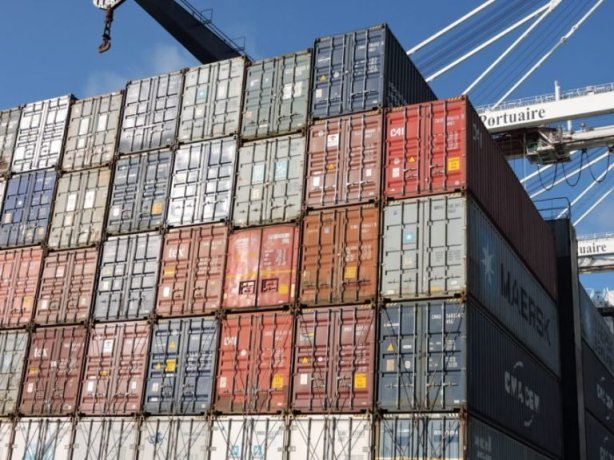
The use of container ships to smuggle cocaine concealed in perishable goods, such as fruit, predated the pandemic, but appears to have increased. Air travel was severely hit by coronavirus restrictions, limiting the ability to send drugs on commercial flights.

Maritime shipping enables smugglers to transport huge quantities of product with relatively limited risk of detection, given the size of the vessels and the time-sensitive nature of food imports, which must be checked promptly by customs officials.

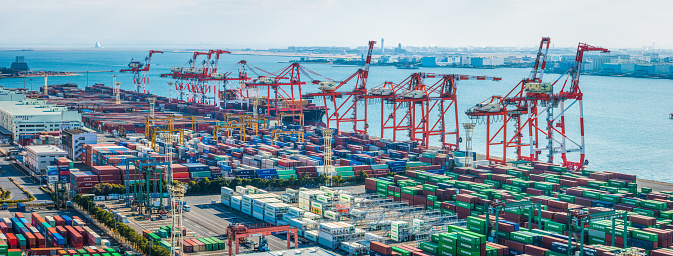
The massive seizures this year also indicate that the cocaine trade has not been significantly disrupted by the covid-related supply-chain crisis. A boom in demand combined with covid problems in Asia have caused shortages of goods and shipping delays as vessels lie moored outside ports, waiting for a berth. 

While South America has been affected by the crisis, import volumes from the east coast to Europe have not declined during the pandemic, according to Simon Heaney, a senior manager at maritime consultancy, Drewry. “I haven’t seen any evidence that volumes on this trade have been supressed by the supply chain issues,” Heaney told TRT World.

Food, in which cocaine is often hidden, is less vulnerable to disruption than electrical appliances. “The supply chain is much more complex with electrical goods – more intermediate components / parts that need to be shipped from various locations, increasing the risk of delays / raising costs,” Heaney said.
The pandemic forced traffickers to adapt their methods, selling drugs online and adopting novel delivery systems that reduce human contact, such as drones.
The pandemic forced traffickers to adapt their methods, selling drugs online and adopting novel delivery systems that reduce human contact, such as drones. (AP)

While the cost of sending freight has generally become more expensive amid the supply-chain crisis, including from South America, traffickers generally conceal their product in licit shipments, meaning they “do not pay for the cost of the shipping container”, according to Andrew Cunningham. 

The trafficking of heroin along the Balkan Route through Iran and Turkey to Europe is mostly conducted in vehicles and has not been seriously affected by the shipping crisis, and the same goes for the meth trade in Southeast Asia, much of which happens overland between Lower Mekong countries.

The demand for narcotics might also have increased, Cunningham said. The use of drugs normally consumed in recreational settings, such as MDMA and cocaine, appeared to fall during the initial lockdowns in 2020, but has since bounced back, according to the EMCDDA’s 2021 drug report. 

The pandemic forced traffickers to adapt their methods, selling drugs online and adopting novel delivery systems that reduce human contact, such as drones. While some of these adaptations might be temporary, others could transform the drug trade and further empower traffickers going forward.

The social and economic damage caused by Covid-19 could also drive more people into drugs. “Research findings associate inequality, poverty and lack of opportunities for socioeconomic development with increased drug use disorders and increased engagement in drug production and trafficking,” says the 2021 UN World Drug Report.

Narco-traffickers defied Covid-19 and now look set to reach new heights, as the stars are aligning for a further expansion of their trade.

Rupert Stone

AUTHOR Rupert Stone@RupertStone83

Rupert Stone is an Istanbul-based freelance journalist working on South Asia and the Middle East.

source

000000

BELGIQUE 🇧🇪 (Liège) : Il se fait livrer 70 kilos de cocaïne par avion !

Les douaniers ont suivi la coke qui arrivait du Mexique.

SOURCE

000000

LIBAN 🇱🇧 (port de Beyrouth) : les douaniers saisissent une importante cargaison de comprimés de captagon – une drogue constituée d’amphétamines – dissimulés dans des caisses d’oranges

Un membre des douanes libanaises a précisé que la cargaison était en route vers le Koweït.

Les comprimés de captagon étaient placés dans de petits sacs et dissimulés dans de fausses oranges. Une enquête est en cours pour déterminer l’origine de la cargaison.

source

000000

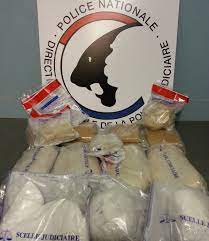
FRANCE 🇫🇷 (Autoroute A 31) : deux Auxerroises interceptées sur l’A31 avec 12,6 kg d’héroïne, 1,1 kg de cocaïne et 65 kg de produits dits de « coupe »

Deux Auxerroises ont été interceptées sur l’A31 dans la nuit de dimanche à lundi en Meurthe-et-Moselle, avec dans le coffre 78 kilos de drogue, dont 12 kilos d’héroïne. L’opération, menée par la police judiciaire d’Auxerre et de Dijon, est l’aboutissement de plusieurs semaines d’enquête.

source

000000

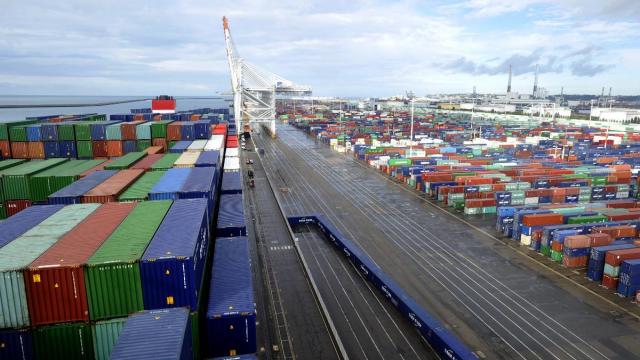
PAYS-BAS 🇳🇱 (Rotterdam) : les douaniers ont intercepté dans le port de Rotterdam 1.600 kilos de cocaïne dissimulés dans des cargaisons de bananes, de fèves de cacao et de ciment.

«Le premier conteneur provenait d’Équateur et était chargé de bananes destinées à une entreprise de Barendrecht», à proximité de Rotterdam.

«La cocaïne, dans le deuxième conteneur, a été trouvée dans un chargement de fèves de cacao, également en provenance d’Équateur, mais qui avait transité par la Colombie et était ensuite arrivé via Anvers».

Un troisième conteneur, chargé de ciment à destination du Portugal, contenait cinq sacs de sport remplis de drogue.

Source et plus

000000

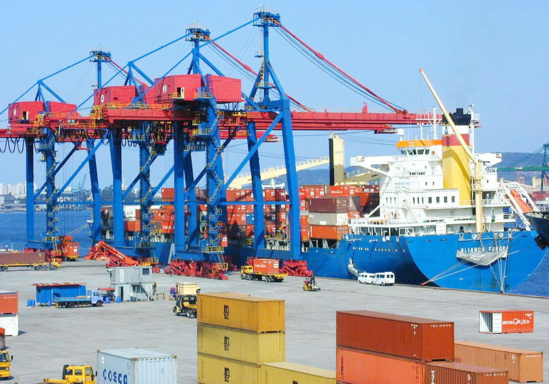
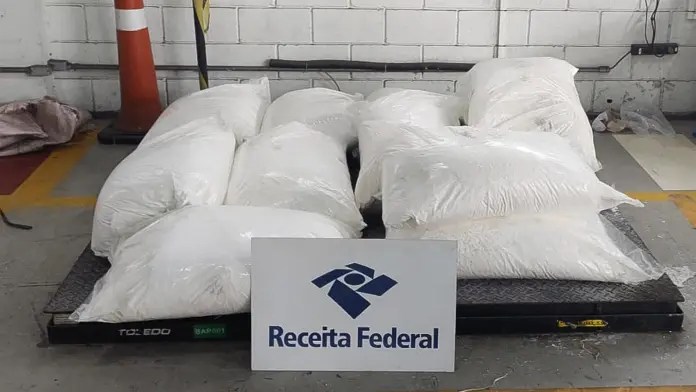
BRÉSIL 🇧🇷 (Port de Santos) : les douaniers brésiliens ont saisi au cours des deux derniers jours environ 1 800 kilos de cocaïne qui étaient cachées dans trois conteneurs différents

Les conteneurs lestés de coke étaient en partance pour l’Espagne, la France et le Ghana.

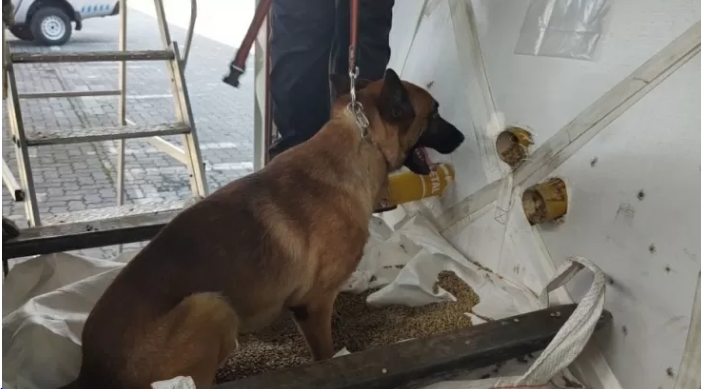
Les cargaisons de cocaïne ont été localisées lors d’inspections aléatoires à l’aide d’un chien dressé à la lutte contre la drogue, qui a localisé 561 kilos supplémentaires lundi dans un chargement de café en partance pour Le Havre et mardi 1 240 kilos supplémentaires de cocaïne.

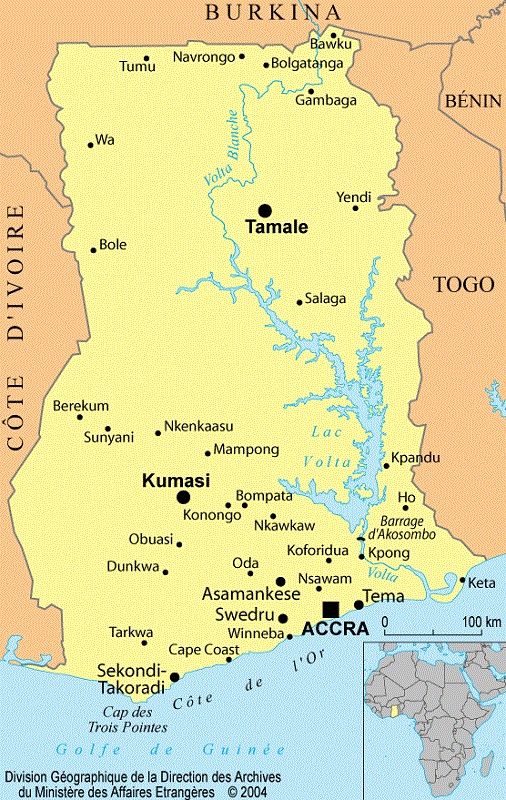
Lors d’une des inspections de mardi, plusieurs lots de cocaïne, pesant 736 kilos, ont été retrouvés cachés dans un chargement de jus d’orange qui devait partir vers le port de Valence (Espagne). Dans le second, 504 kilos de coke ont été saisis, cachés dans une cargaison de sucre raffiné qui devait être envoyée au port africain de Tema (Ghana).

source

000000

FRANCE 🇫🇷 (Île-de-France) : six trafiquants de cocaïne arrêtés à l’hôtel Campanile de Boulogne-Billancourt

Six trafiquants de drogue ont été interpellés en flagrant délit à Boulogne-Billancourt (Hauts-de-Seine). Ce réseau qui opérait en région parisienne et en province faisait venir des mules via l’aéroport d’Orly (Val-de-Marne).

Cette poudre blanche était destinée à alimenter toute l’Île-de-France mais aussi la province. Six hommes, âgés de 22 à 30 ans, ont été mis en examen à Nanterre (Hauts-de-Seine) en fin de semaine dernière avant d’être écroués.

source et plus

000000

IRAN 🇮🇷 : Police bust 700kg of heroin in NW

TEHRAN, Dec. 27 (MNA) – West Azarbaijan’s Justice department general said Monday that intelligent forces seized 700kg of heroin consignment in this province.

Naser Atabati said on Monday that following the joint operation of the Judiciary and intelligent forces of the province, a drug trafficking network was identified and dismantled.

During the operation, 3 drug traffickers were detested, he noted.

Read more

0000

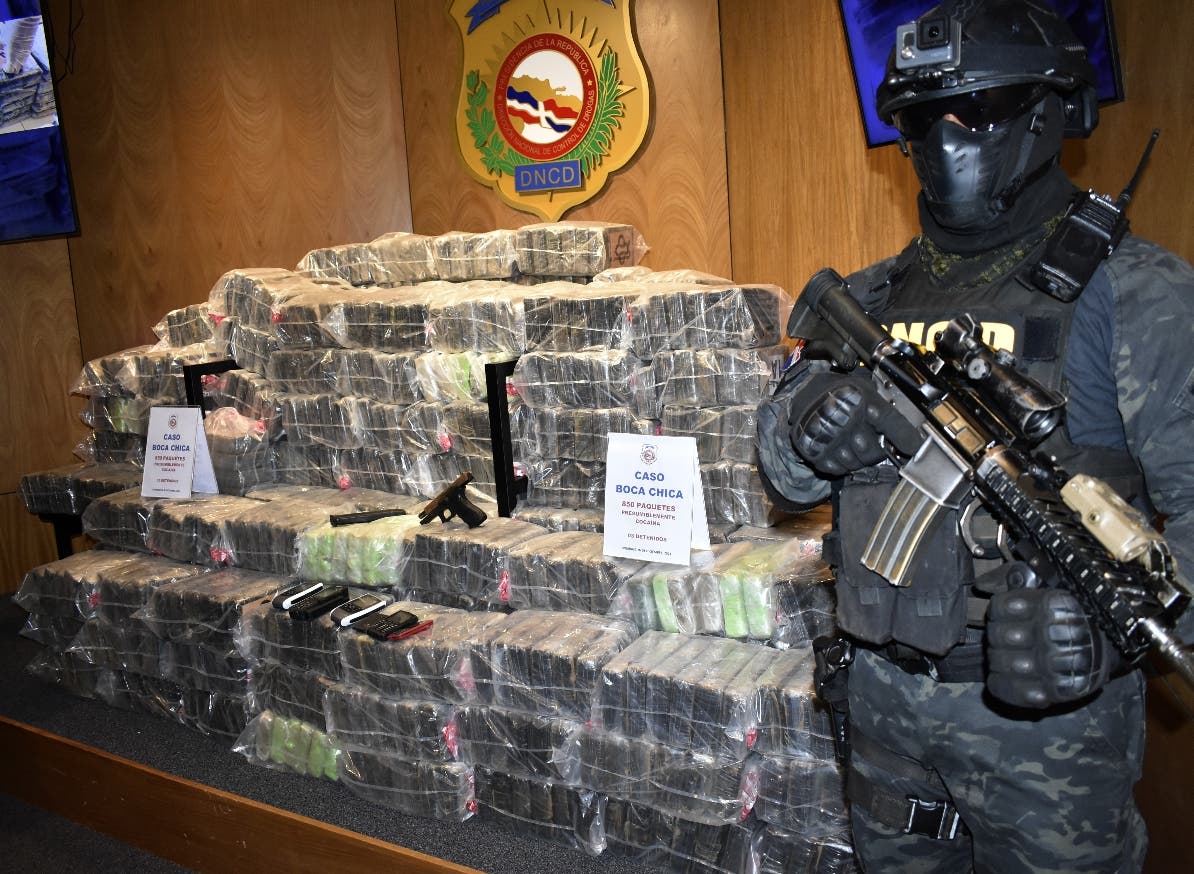
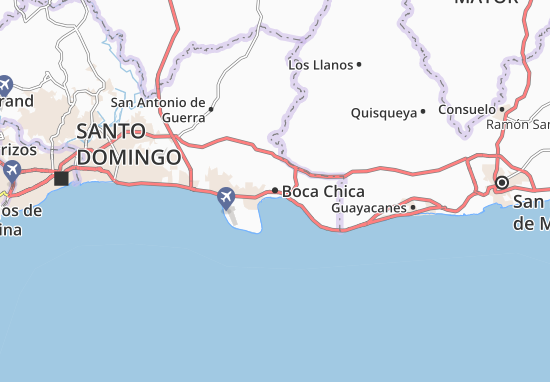
RÉPUBLIQUE DOMINICAINE 🇩🇴 (DNCD) : les garde-côtes de l’ARD saisissent en mer 850 kilos de coke

La DNCD (Direction nationale du contrôle des drogues), en collaboration avec la Marine de la République dominicaine (ARD) et sous la coordination du ministère public, a saisi dimanche 850 paquets de cocaïne sur les rives de la municipalité de Boca Chica, province de Santo Domingo, après une course-poursuite maritime.

Les équipes des garde-côtes de l’ARD ont intercepté les occupants d’un hors-bord de type Eduardoño de 25 pieds de long près de la côte de Punta Palenque, dans la province de San Cristóbal, alors qu’ils tentaient d’introduire la cargaison en provenance d’Amérique du Sud.

source

000000

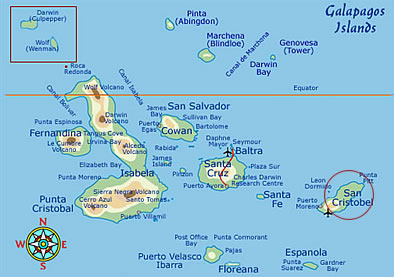
ÉQUATEUR 🇪🇨 (Galapagos) : l’armée saisit 550 kilos de cocaïne

La cargaison de cocaïne a été saisie sur un bateau à 163 milles au sud de San Cristóbal, aux Galapagos.

Lors de l’opération , trois personnes ont été arrêtées.

SOURCE

000000

FRANCE 🇫🇷 (Le Havre) : l’OFAST tape plus d’une tonne de coke qui était arrivée en conteneur de Colombie

L’Office anti-stupéfiants (Ofast) a saisi plus d’une tonne de cocaïne en provenance de Colombie mercredi dernier à proximité du port du Havre (Seine-Maritime).

Plusieurs trafiquants ont été interpellés, sans plus de précisions pour le moment.

Source

0000

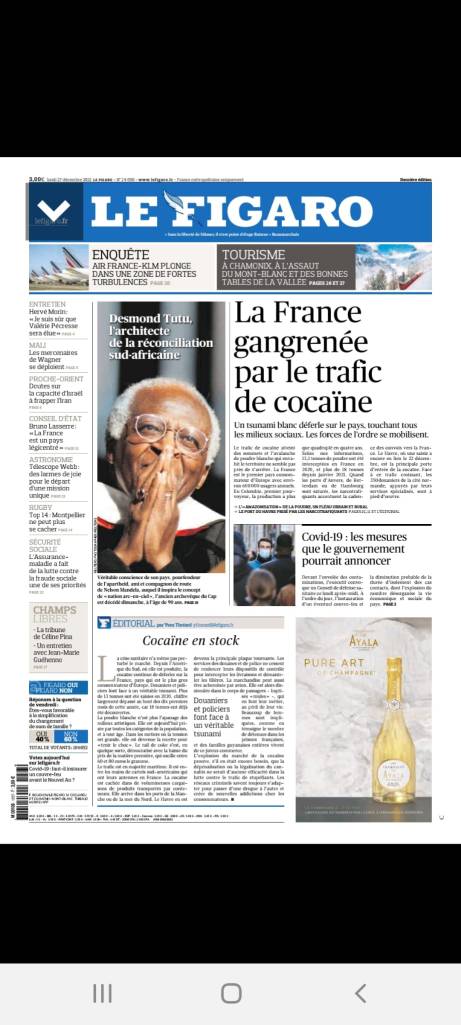
FRANCE 🇫🇷 (Trafic de cocaïne) : ce «tsunami blanc» qui frappe la France

Les douanes scanneraient 6000 conteneurs par an alors qu´il en rentre (selon le Figaro) 7900 par jour ! Dans l’état actuel des moyens offerts par la technologie , il serait possible de scanner 100% du flux avec des scanners IGRIS.

L’action de la Douane française est une douce plaisanterie et ne sert qu’à donner l’impression qu’on agit…

Lire l’article du Figaro

0000

Encore plus

000000

MAROC 🇲🇦 (Nador – port de Beni Ansar) : la police arrête un Espagnol avec 560 kg de drogue

La police judiciaire de Nador a annoncé, jeudi, la saisie de 560 kg de cannabis et l’interpellation d’individu de nationalité espagnole qui serait impliqué dans un réseau de trafic international de drogue et de psychotropes.

L’interpellation de l’individu, chauffeur de camion, 48 ans, a eu lieu lors d’un contrôle mené conjointement par les éléments de sûreté nationale au port de Beni Ansar, et leurs homologues du district de sécurité de Nador.

Cette opération a permis la fouille d’un camion, dans lequel près de 560 kg de cannabis ont été découverts, soigneusement dissimulés dans des cavités spécialement aménagées dans la remorque.

SOURCE

000000

RUSSIE 🇷🇺 (Moscou) : saisie dans la région de Vladimir de plus de 700 kilos de stups et d’environ 3 tonnes de précurseurs

Dans la région de Vladimir, des policiers ont déjoué les activités d’un groupe qui se livrait à la production et à la vente de drogues de synthèse. Plus de 700 kilogrammes de drogue et près de trois tonnes de précurseurs ont été saisis dans le cadre d’un trafic illicite. Le ministère de l’Intérieur a noté que les agents avaient découvert un laboratoire souterrain où les auteurs produisaient des drogues synthétiques dans une maison privée du district d’Alexandrovsky de la région de Vladimir.

région de Vladimir

Selon des estimations préliminaires, plus de 100 kg de substances illégales pouvaient y être fabriqués par mois.

Du matériel de laboratoire, 2,7 tonnes de précurseurs, 63 kilogrammes de méphédrone * et plus de 700 kilogrammes de stupéfiants ont été confisqués.

Les deux trafiquants de drogue qui sont originaires de la région de Kabardino-Balkarie ont été appréhendés sur les lieux.

SOURCE

000000

LAOS 🇱🇦 (Vientiane) : plus de 10 tonnes de stups saisies dans les 3 derniers mois

Saisie de 10 158 kilos de divers stupéfiants dont 101 586 361 comprimés d’amphétamines au cours des trois derniers mois. Pas moins de 1 106 cas de trafic de drogue ont été traités et 1562 suspects ont été arrêtés.

Le Premier ministre Phankham Viphavanh a rapporté les chiffres à l’Assemblée nationale lundi, affirmant que la mise en œuvre de l’Agenda national antidrogue, qui a commencé en août, avait détruit les sources de production de drogue, les réseaux de transport et les gangs de la drogue.

SOURCE

000000

HONG KONG 🇭🇰 : saisie d’une tonne 300 de kétamine

Vendredi matin, les autorités ont intercepté les stupéfiants alors qu’ils étaient déchargés d’un bateau hors-bord dans le quartier balnéaire de Lei Yue Mun.

Trois hommes originaires de Hong Kong et un homme de nationalité indienne, âgés de 32 à 47 ans, ont été arrêtés et restent en détention. La police a déclaré que l’enquête se poursuivait et n’excluait pas d’autres arrestations.

source et plus

000000

BEAUVAU INFO 🇫🇷 (Narcobusiness) : l’action de la police pour limiter la diffusion des drogues n’est pas seulement inutile, elle est contre-productive 

Policier britannique pendant vingt-six ans, dont la moitié passée à infiltrer des réseaux de trafiquants de drogue, Neil Woods est membre du conseil d’administration de Law Enforcement Action Partnership (LEAP).

Cette organisation internationale, qui rassemble policiers de haut rang en activité ou à la retraite, spécialistes des questions de sécurité, magistrats et universitaires, plaide pour une réglementation du marché des stupéfiants.

Pas un jour ne passe sans saisie de drogue. Est-ce le signe d’une action plus efficace des services de police ?

Il faut absolument remettre en question ce récit policier. Nous sommes constamment bombardés d’images d’arrestations et de saisies mais c’est une illusion totale. Même lorsque la police enregistre des succès, ce succès n’a aucun sens, il est purement théorique. Son action ne réduit jamais la taille du marché, elle en modifie juste la forme. Or, ce changement contribue toujours à aggraver la situation.

Source

°°°°°°

LEAP

Le Law Enforcement Action Partnership est un organisme à but non lucratif 501(c)(3) de policiers, procureurs, juges, agents pénitentiaires et autres responsables de l’application des lois qui prônent des réformes de la justice pénale et des politiques en matière de drogue qui rendront nos communautés plus sûres et plus justes. Fondé par cinq policiers en 2002 avec un seul accent sur la politique en matière de drogue, notre bureau de conférenciers compte aujourd’hui plus de 200 professionnels de la justice pénale qui conseillent sur les relations police-communauté, l’incarcération, la réduction des méfaits, la politique en matière de drogue et les problèmes mondiaux depuis un lieu d’une crédibilité inattaquable. et perspicacité. À travers des allocutions, des apparitions dans les médias, des témoignages et le soutien des efforts alliés, LEAP atteint un public à travers un large éventail d’affiliations et de croyances, appelant à des politiques plus pratiques et éthiques du point de vue de la sécurité publique.

Source

0000

SYRIA 🇸🇾 : Narco-State Syria Ignores Allegations of Drug Trafficking

Mohammed Khaled Rahmoun – Syrian interior minister

« Syria plays an important role in supporting the International Community’s efforts in combating crime in general, especially fighting drugs trade. » Source: Syrian Ministry of Interior Facebook page, December 19, 2021

On December 19. the Syrian National Committee for Drugs, an office under the Syrian Ministry of Interior, held a meeting to discuss measures to combat drug trafficking. Interior Minister Mohammed Khaled Rahmoun acknowledged that Syria had become a transit point for the drug trade.

Damascus has long denied responsibility for making and exporting narcotics, and Rahmoun reiterated the explanation that Syria’s « geographical location » was to blame.

« Syria plays an important role in supporting the International Community’s efforts in combating crime in general, especially fighting drugs trade, » he claimed in a statement.

READ MORE

000000

INDIA 🇮🇳 (New Dehli) : Pak Boat Carrying 77 kg Heroin Caught Off Gujarat Coast

The drug seizure was made after Sunday midnight in a joint operation by the Indian Coast Guard and the Gujarat Anti-Terrorist Squad (ATS), around 35 nautical miles off the Jakhau coast in Kutch district of Gujarat, they said.

A Pakistani fishing boat with six crew members and carrying 77 kg of heroin worth around ₹ 400 crore was caught in the Indian waters off the Gujarat coast, officials said on Monday.

The drug seizure was made after Sunday midnight in a joint operation by the Indian Coast Guard and the Gujarat Anti-Terrorist Squad (ATS), around 35 nautical miles off the Jakhau coast in Kutch district of Gujarat, they said.

« They caught the Pakistani fishing boat ‘Al Huseini’ with six crew members on board in the Indian waters and seized « 77 kg of heroin worth approximately ₹ 400 crore, » Gujarat’s defence PRO said in a tweet in the morning.

read more

000000

ESPAGNE 🇪🇸 (Murcia) : alcool, cocaïne, haschich et… jambon à gagner dans la tombola de Noël des dealers

Deux trafiquants de drogue ont été arrêtés après avoir mis en jeu des paniers garnis de Noël, une tradition en Espagne, contenant de la cocaïne, du haschich, de l’alcool et… un jambon, a annoncé mardi la police espagnol

«Narco-panier»

Lors d’une descente chez ces trafiquants dans la ville de Murcia (est), la police est tombée sur une affiche annonçant cette tombola permettant de rafler des lots d’un genre particulier: un «narco-panier» à gagner le jour de Noël et un autre pour l’Épiphanie le 6 janvier, jour extrêmement important en Espagne, lors duquel les Rois Mages apportent les cadeaux aux enfants sages.

plus

Los Reyes Magos llegan a la plaza Cardenal Belluga.

000000