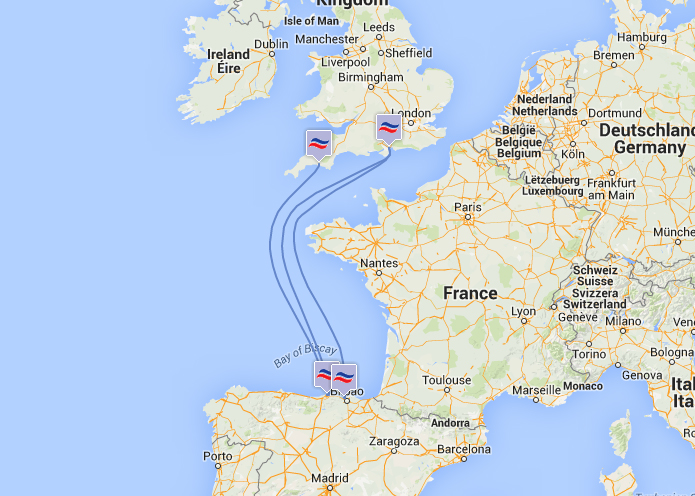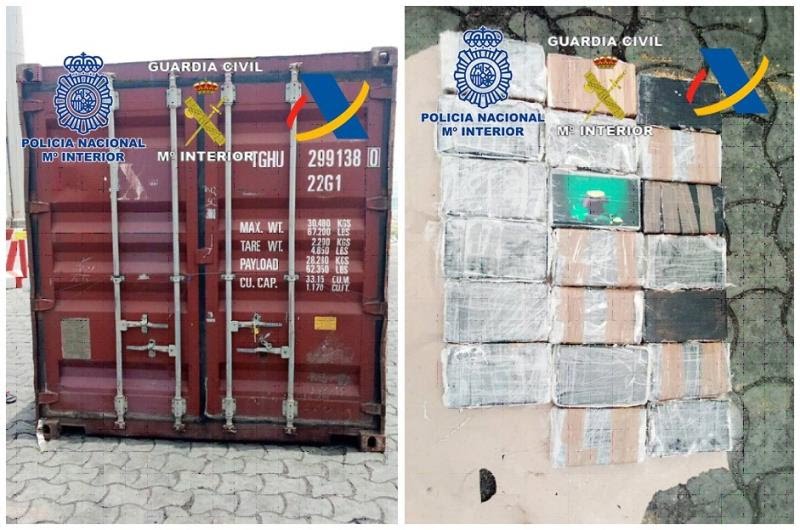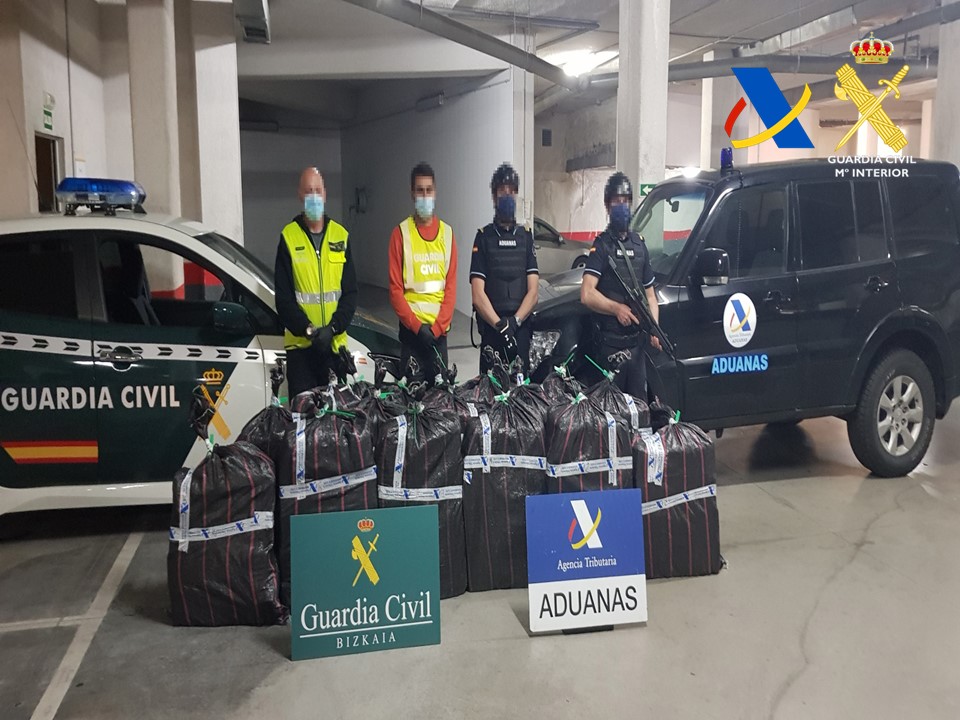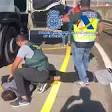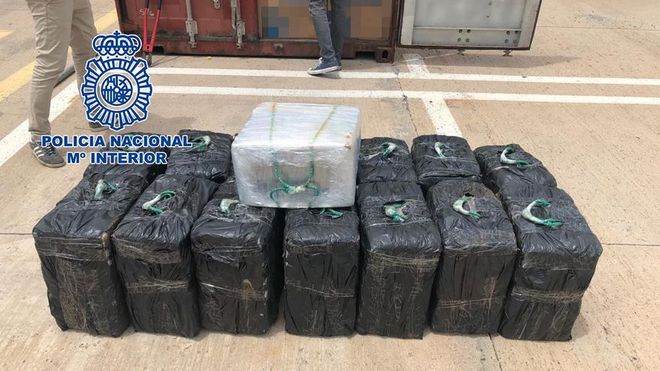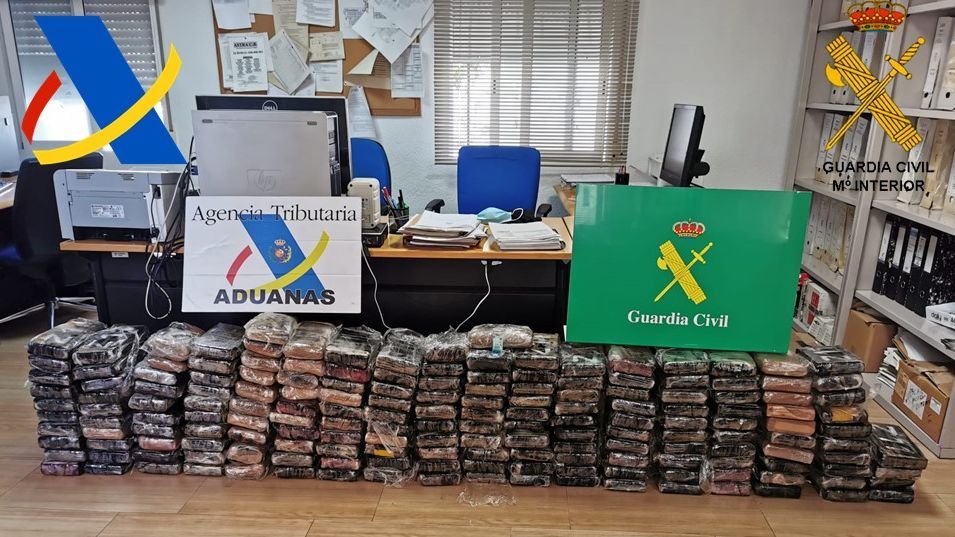
ESPAÑA 🇪🇸 (Puerto de Santander) : Funcionarios de Vigilancia Aduanera de la Agencia Tributaria en Cantabria y País Vasco han aprehendido 283 kilos de marihuana en un camión con destino a Inglaterra

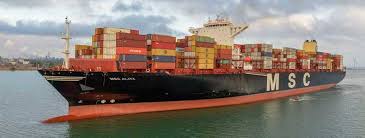
El pasado miércoles 21, los investigadores de aduanas (SVA) sospecharon de un camión de mudanzas que iba a embarcar en el ferry que une Santander con Reino Unido.

La incautación se ha producido tras una investigación iniciada en el recinto aduanero del Puerto de Santander, que se ha saldado con la detención de los dos varones ingleses que transportaban la droga.

Fuente

0000

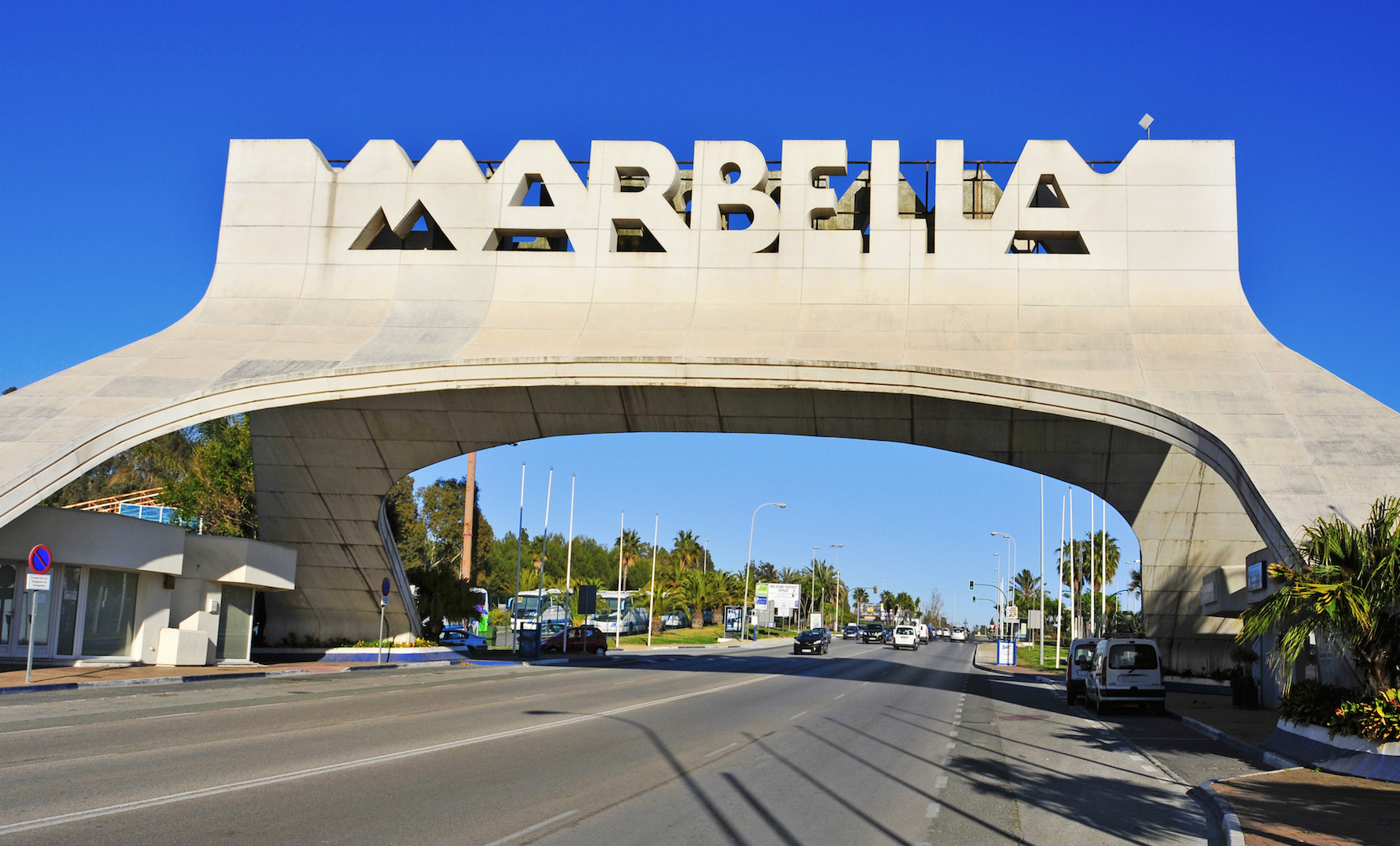
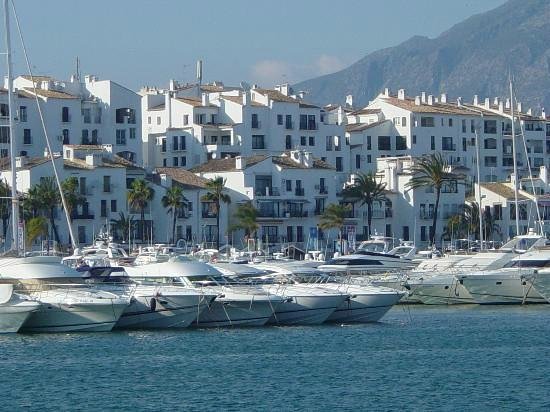
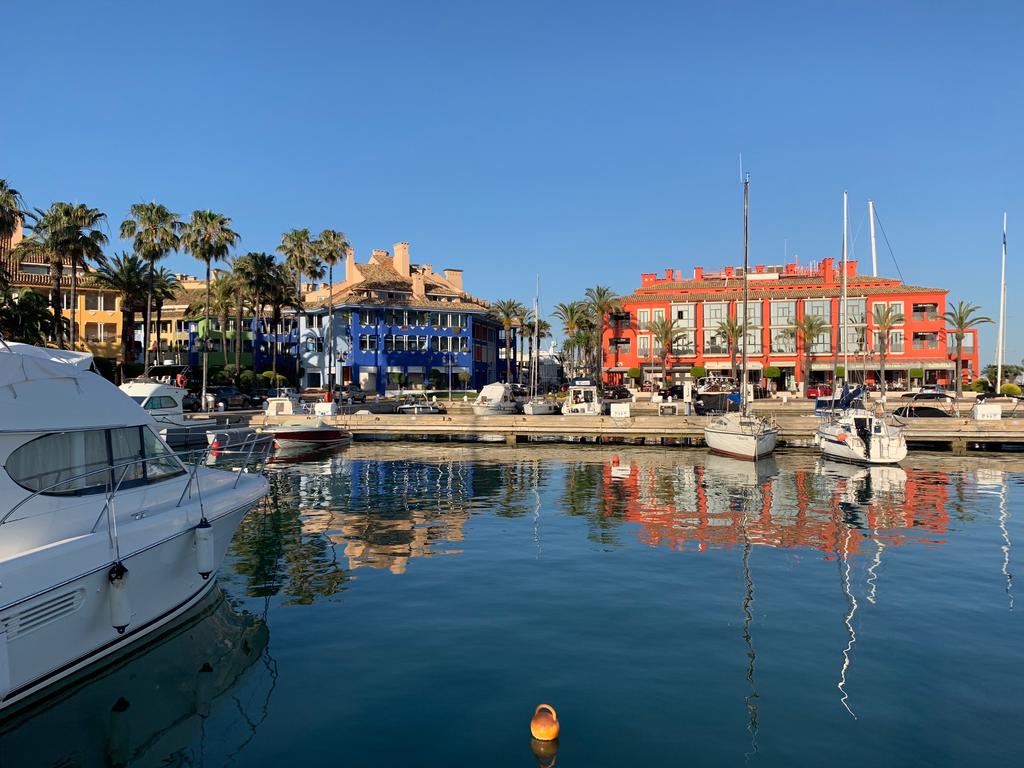
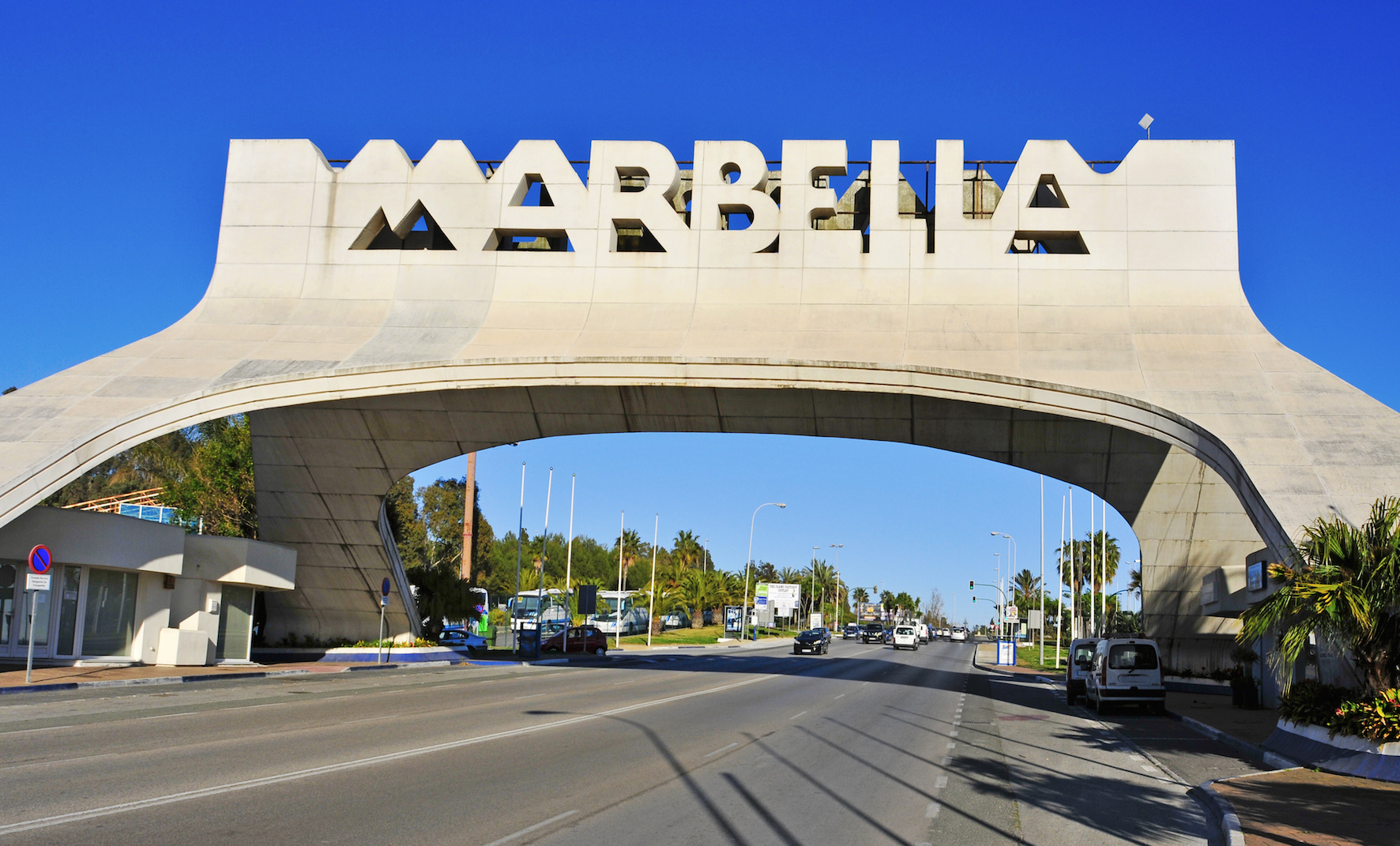
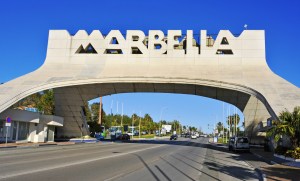
SPAIN 🇪🇸 (Costa del Sol) : Marbella has become a “United Nations of crime” – and violent gangsters have come with it

With hashish coming in from Morocco, cocaine from South America and marijuana from the Spanish mountains, Marbella has become a “United Nations of crime” – and violent gangsters have come with it.

Nacho Carretero and Arturo Lezcano investigate

One morning last autumn, a dozen or so locals were eating breakfast at a café under a clear Marbella sky, in front of the offices of the Special Organised Crime Response Unit (Greco), on the Costa del Sol. It’s an unobtrusive building in a working-class neighbourhood – and only someone with a sharp eye for detail might notice the two security cameras monitoring the front entrance. The café’s regulars drank coffee and ate toast, unaware that only 24 hours earlier, in another part of the city, Greco agents had rescued a man from a garage, alive, but with holes drilled through his toes. It was the latest local case of amarre, or kidnapping, to settle a score between criminal gangs.

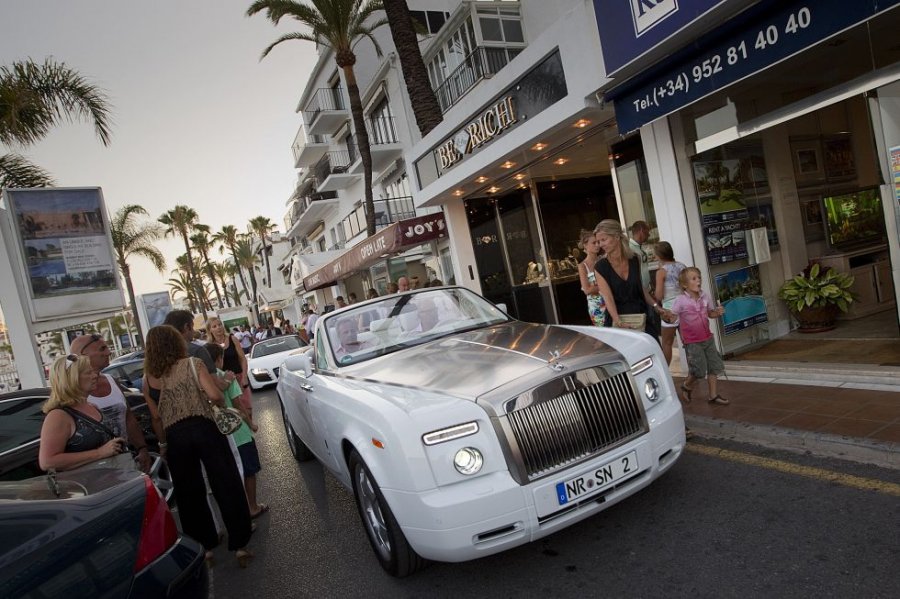
That afternoon, in Puerto Banús, the wealthiest and most extravagant area of the city, a young British man with ties to organised crime walked out of a Louis Vuitton store and found himself surrounded by a crew of young Maghrebis, “soldiers” from one of the Marseille clans. “They didn’t want anything specific,” he said. “They just stared me down and said: ‘What’s up?’ They were looking for trouble… It’s getting really dangerous here,” he said, with no apparent sense of the irony of a criminal complaining about criminality.

It was in the 1960s, during Spain’s development boom, that the Costa del Sol became southern Europe’s tourist hotspot. Working-class holidaymakers thronged the public beaches and an emerging class of jet-setters found a piece of paradise in Marbella. The plan to develop the region succeeded, but success came with baggage. “This was the Francoist agreement,” said Antonio Romero, an author and former politician. “You, the criminals, come here to relax, don’t commit any crimes, and bring your money.”

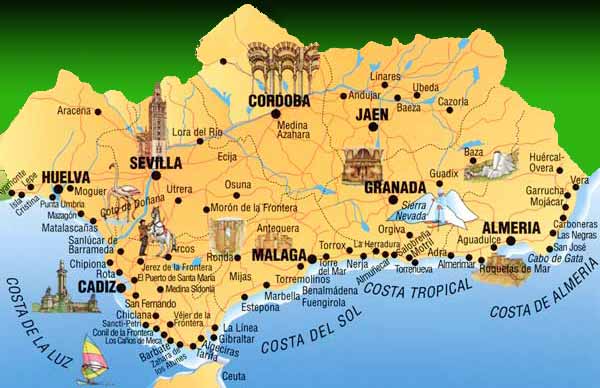
The Costa del Sol is organised crime’s southern frontier – a stretch of urban sprawl extending from Málaga to Estepona, with Marbella, a city of 147,633 people, as its capital. According to the Spanish Intelligence Centre for Counter-Terrorism and Organised Crime, there are at least 113 criminal groups representing 59 different nationalities operating out of the area. To the south, less than ten miles of open water separates the region from Morocco – the world’s largest producer of hashish – and from the autonomous Spanish outposts of Ceuta and Melilla. Less than an hour’s drive away is one of Europe’s main entry points for cocaine, the port of Algeciras. Across the bay from Algeciras is the British overseas territory of Gibraltar, a tax haven separated from Spain by a fence. To the north rise the Málaga and Granada mountains, Europe’s main region for marijuana cultivation.

The mobsters blend in with their millionaire neighbours

Marbella is not so much a rich place as a place full of rich people. A quick search yields 3,974 results for homes listed at more than €1m – that’s 100 more listings than the entire city of Madrid – in a city where the per capita income (€21,818) is less than the Spanish average.
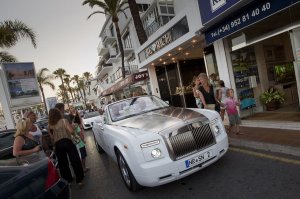
In recent years, the situation has deteriorated

Bosses now bring their “soldiers” with them. “Young gangsters, armed and really dangerous”, said a member of Greco Costa del Sol. A member of the Camorra, the Naples Mafia organisation, who has lived in Marbella for years agrees. Francesco, who did not want to give his real name, had agreed to meet at a restaurant in Puerto Banús, where he always has a table waiting.

“The young guys who are coming here now don’t live by any codes, they don’t have any respect… These guys running around with their little bum bags, while their bosses are in Dubai.”

read more
000000
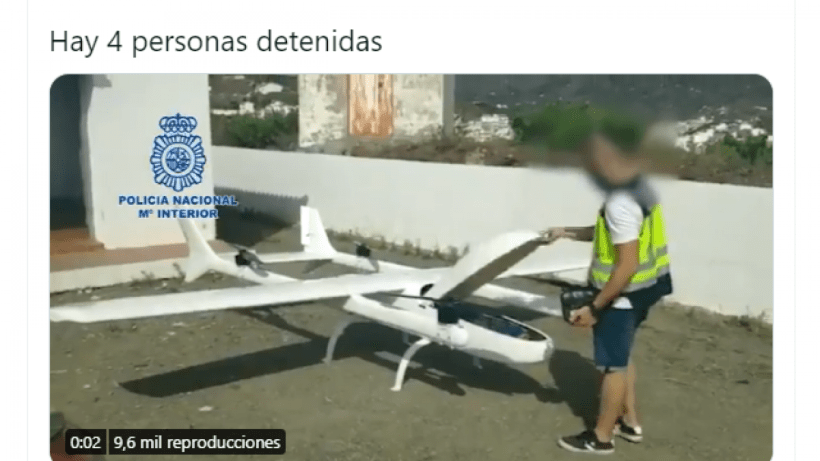
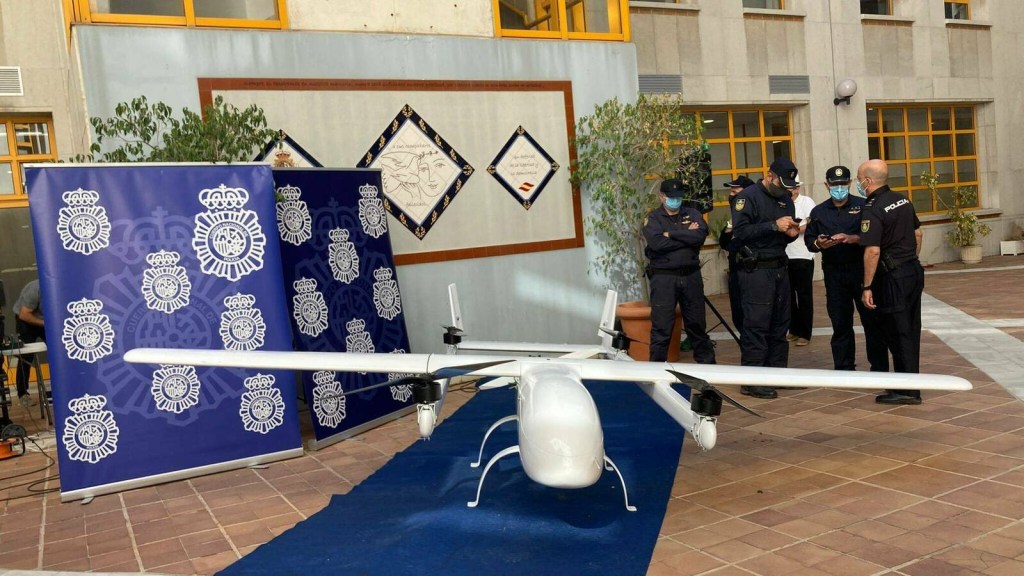
ESPAÑA 🇪🇸 (Malaga) : intervienen un dron usado para el transporte de droga entre Marruecos y España

Un dron de 4,35 metros de envergadura –de un extremo a otro de las alas- acondicionado para el transporte de droga entre Marruecos y España y que cuenta con una autonomía de vuelo de siete horas ha sido intervenido en Málaga, en una operación en la que se ha desarticulado una red internacional de narcotráfico.

Leer

Una capacidad de transporte de entre 30 y 150 kilos, con una autonomía de siete horas, capaz de alcanzar los 7.000 pies de altura y una punta de velocidad de 170 kilómetros por hora

0000

FRANCE 🇫🇷 (Air cocaïne) : la justice a tranché

Heureux hommes que les pilotes Bruno Odos et Pascal Fauret, respectivement âgés de 61 et 60 ans, qui après avoir été condamnés en première instance à six ans de prison, le 5 avril 2019 et, contre lesquels lundi, l’avocat général Pierre Cortes, par un raisonnement logique avait requis six ans de prison contre eux deux, ont donc été acquittés.

Ils sont sortis, sans un mot, du palais de justice d’Aix-en-Provence, totalement sonnés par ce verdict annonçant  la fin d’un cauchemar, qui avait débuté en mars 2013 sur l’aéroport de Punta Cana en République Dominicaine alors que 26 valises contenant 700 kilos de cocaïne venaient d’être embarquées dans leur Falcon 50.

Souvenons nous pourtant de Marc Fievet, cet agent infiltré condamné lui, à perpétuité puis à 20 ans en France, sans prise en compte de son temps de détention passée en Espagne, Angleterre et Canada, qui aurait aimé être jugé par une cour d’assises spéciale d’appel, si les autorités douanières ne lui avaient pas déconseillé tout appel qui, d’après elles,  retarderait son élargissement pour privilégier le recours en grâce présidentiel.

La suite, on la connait, le Directeur général de l’époque, un dénommé François Auvigne refusa d’assumer les engagements pris par la Douane française et, somma le directeur de la DNRED Jean Puons de ne plus l’importuner avec cette affaire.

François Auvigne laissa pourrir délibérément Marc Fievet, 9 ans encore dans les meilleurs établissements pénitentiaires français.

Depuis sa sortie en 2005, Fievet se bat pour faire reconnaitre cette triste affaire juridico-administrative malgré le fait que le « Secret défense » soit toujours appliqué sur son dossier.

000000

Un tribunal francés absolvió este jueves a los dos pilotos del caso « Air cocaína », poniendo así fin a ocho años de un enredo judicial que comenzó en República Dominicana con la incautación de 700 kg de droga en un jet.

Bruno Odos y Pascal Fauret, de 61 y 60 años respectivamente, habían sido condenados en primera instancia a seis años de cárcel en abril de 2019. El lunes el fiscal general Pierre Cortes pidió seis años de prisión para los dos.

leer mas

000000

BENIN 🇧🇯 : interceptan 190 kilos de cocaína que habían pasado por Gran Canaria

Han participado la Guardia Civil, el Servicio de Vigilancia Aduanera, el Cuerpo Nacional de Policía y la Agencia Nacional contra el Crimen del Reino Unido.

Las fuerzas de seguridad españolas han interceptado en Benin, con la colaboración de las autoridades de ese país africano, una partida de 190 kilos de cocaína oculta en dos contenedores procedentes de Brasil que habían hecho escala en el puerto de Las Palmas de Gran Canaria.

Leer

0000

UNITED KINGDOM 🇬🇧 (NCA) : five Brits arrested after a tonne of cocaine seized from sailing yacht

Five British men have been arrested after a tonne of cocaine was discovered on a yacht sailing from the Caribbean to Europe.

Image showing seized cocaine from sailing yacht.Three crew members – aged 46, 70 and 29 – were arrested when their vessel SY Windwhisper was interdicted in the mid-Atlantic by the Spanish Customs Service on the 13 June 2021, as part of a joint investigation between the National Crime Agency and the Spanish National Police.

Two other men linked to the vessel – aged 38 and 41 – were also arrested by Spanish officers in the Costa del Sol.

All five have been remanded in custody on drugs trafficking offences.

The arrests are linked to an ongoing investigation into international drug trafficking that has so far resulted in the arrest of a number of individuals in Spain, and the seizure of 1.6 tonnes of hashish, 45,000 Euros and four sailing vessels.

The British head of the OCG – a former Royal Navy officer living in Sottogrande in Southern Spain – was among those previously arrested.

Known to law enforcement agencies for his links to organised crime groups in the UK and Ukraine, officers believe he trained the crew and ran several companies engaged in buying, selling and renting sailing vessels that were subsequently used to conduct drugs transportations.

Dave Hucker, Head of European Operations for NCA International said: “This is a huge haul of cocaine with an estimated street value of more than £80million. I have no doubt the drugs on board were destined for the streets of the UK, so this seizure is a significant result.

“We know that the criminal trade in drugs is driven by financial gain, and the loss of the profit that would have been made from these drugs will have a major impact on the crime groups involved.

“We continue to work with our international law enforcement partners to identify those responsible for supplying class A drugs to the UK, and will do all we can to disrupt their supply chains”.

Over the last 12 months, the NCA has been involved in the seizure, forfeiting or restraining more than £112m and 145 tonnes of drugs globally.

24 June 2021

SOURCE

000000

ESPAGNE 🇪🇸 (Barcelone) : saisie par le ‘SVA Aduanera’ de plus d’une tonne de cocaïne en provenance d’Uruguay

La cocaïne qui était planquée dans deux chaudières industrielles, a voyagé par bateau de Montevideo en Uruguay jusqu’au port de Barcelone.

L’enquête se poursuit car derrière cette cargaison de cocaïne pourrait se trouver une organisation internationale bien structurée. La substance est d’une grande pureté et le conteneur a été scanné dans la capitale uruguayenne. Les agents se concentrent sur les entreprises à l’origine de l’expédition et déterminent à quoi ressemble le réseau de distribution.

Le navire transportant le conteneur a fait 5 escales dans différents ports avant d’arriver à Barcelone.

source

000000

DNRED 🇫🇷 (Douane française): opérations d’infiltration menées par NS 55 pour plus de 100 tonnes de drogues saisies

D’un clic : le tableau des opérations menées par Marc Fievet
Pour l’agent NS 55, pas de félicitations mais silence total des agents de la DNRED comme de la hiérarchie douanière qui ont laissé partir Marc Fievet pour 3.888 jours de détention « non stop » dans quatre pays (Espagne, Angleterre, Canada et France), 23 prisons et 392 cellules !
Aujourd’hui, le dossier de Marc Fievet est toujours classé ‘Secret Défense’

000000

FRANCE 🇫🇷 : ce que vous n’apprendrez pas en allant au musée de la Douane française à Bordeaux

ESPAGNE 🇪🇸 (Unité d’analyse des risques de la zone douanière du port de Bilbao) : saisie de 1 397 kilos de cocaïne lors de deux opérations

L’administration fiscale et la Guardia civil dans le cadre d’une opération conjointe ont saisi 1 397 kilos de cocaïne lors de deux opérations consécutives menées en mars et mai dans le port de Bilbao.

Concrètement, l’Unité d’analyse des risques de la zone douanière du port de Bilbao, dépendant de la zone douanière régionale du Pays basque et composée d’agents du Service de surveillance douanière et d’agents  de la Guardia civil, a appréhendé fin mars une première cargaison de 185 kilos de cocaïne, et durant le mois de mai d’une seconde, cette fois de 1 212 kilos, toutes deux dans des containers en provenance d’Amérique du Sud.

source

000000

ESPAGNE 🇪🇦 (Las Palmas de Gran Canaria) : 450 kilos de cocaïne saisis dans un conteneur

Le SVA de l’Agence fiscale, la Guardia civil et la Policia ont saisis, dans une opération conjointe, 450 kilos de cocaïne cachés dans un conteneur qui était en transit du Brésil vers l’Espagne, avec pour premier port d’entrée en Espagne étant ‘Las Palmas’ de Gran Canaria.

Les enquêtes ont commencé lorsque, par les canaux habituels de la coopération douanière et policière internationale, des informations ont été reçues concernant une possible contamination par une substance narcotique, vraisemblablement de la cocaïne, d’un conteneur à destination de Valence, comme l’a rapporté le SVA de l’administration fiscale dans un communiqué.

source

000000

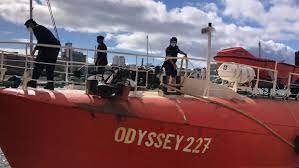
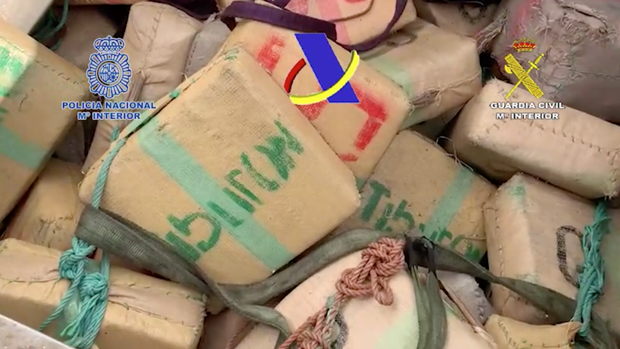
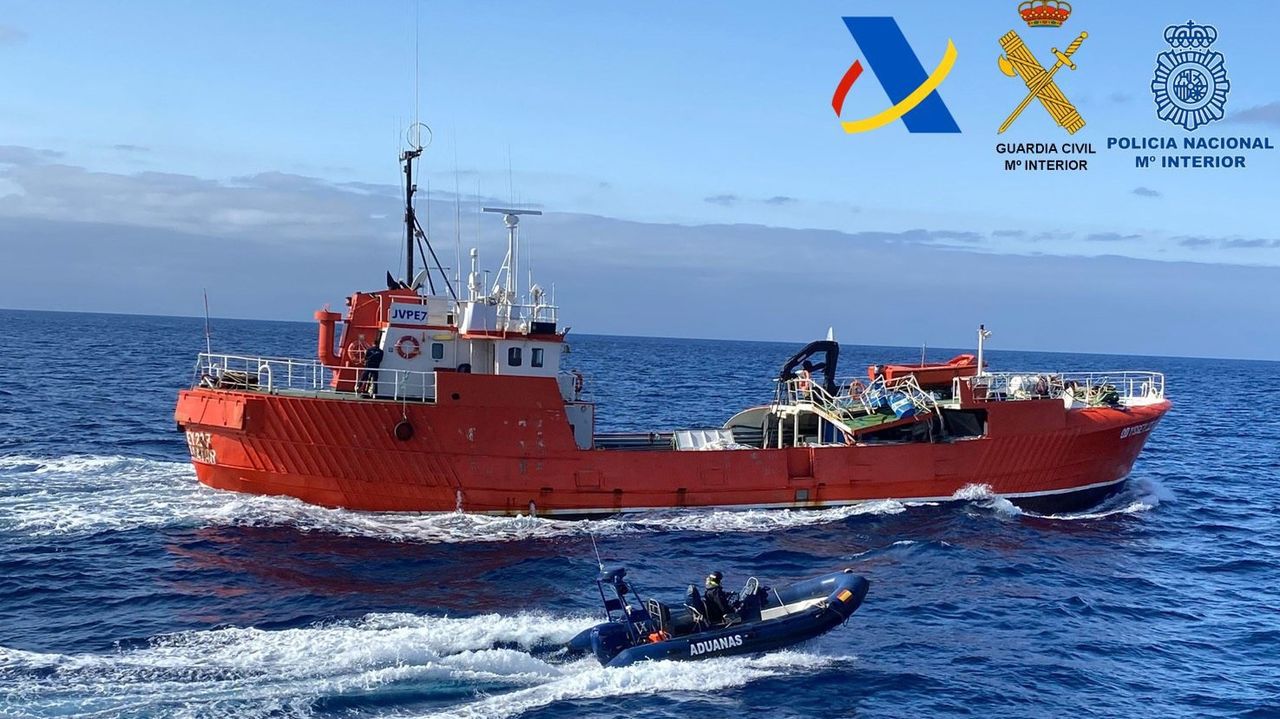
ESPAÑA 🇪🇸 (Oceano Atlantico – Fuerteventura) : el Odyssey 227, incautado por Vigilancia Aduanera, llevaba 22 toneladas de hachís

El buque pesquero con bandera de Mongolia ‘Odyssey 227’ ha marcado un récord, transportaba un alijo de 22,1 toneladas de hachís. Este es el segundo alijo de esta droga incautado por Vigilancia Aduanera en España en toda su historia.

El pesquero Odyssey 227 fue interceptado en un abordaje de madrugada cuando navegaba a 16 millas al este de Fuerteventura, una ruta sospechosa que hizo saltar las alarmas para una embarcación que ya estaba siendo investigada por posible tráfico de estupefacientes hace meses.

En la operación ‘Agua Mojada’ fueron detenidos los cuatro tripulantes del barco: el patrón del pesquero, de nacionalidad italiana, el jefe de máquinas y marineros, todos ellos de Senegal.

leer mas

000000

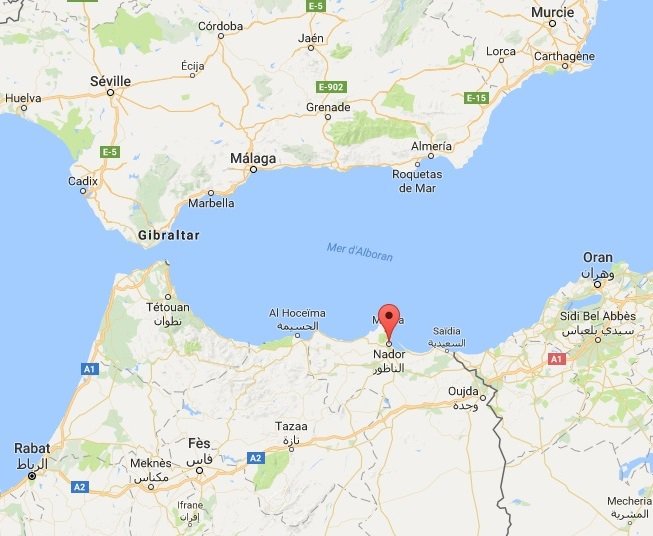
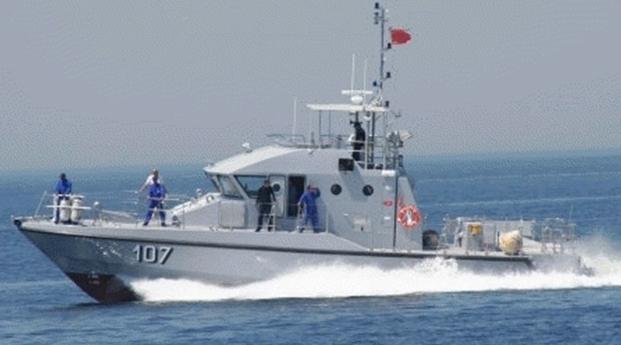
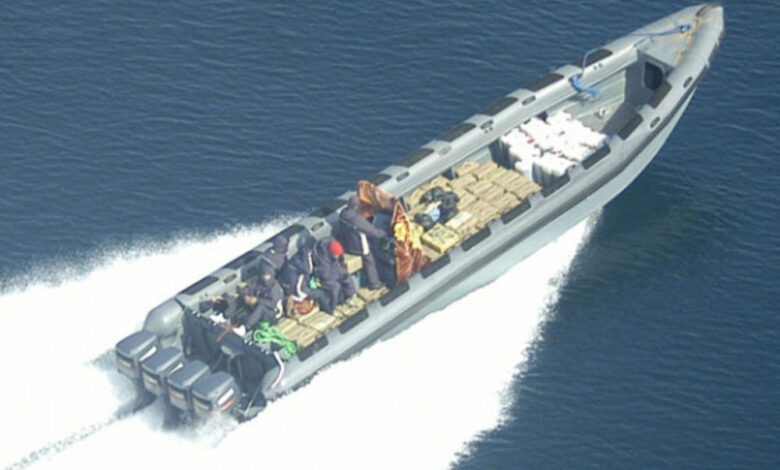
MAROC 🇲🇦 (Méditerranée) : les Garde-côtes de la Marine Royale ont saisi environ cinq tonnes de haschich au large de Nador

En collaboration avec les stations radar de la Marine Royale implantées sur le littoral adjacent, les Garde-côtes de la Marine Royale en patrouille maritime en Méditerranée ont avorté une opération de trafic de stupéfiants ce mardi vers 03h00 au large de Nador, a annoncé une source militaire à la MAP.

Après une course poursuite en mer d’une embarcation pneumatique rapide, les Garde-côtes de la Marine Royale ont obligé ses occupants à l’abandonner avec à bord 152 ballots de stupéfiants, d’un poids total d’environ cinq tonnes et prendre la fuite à grande vitesse vers le large moyennant une autre embarcation nautique rapide.

lire plus

000000

ESPAGNE 🇪🇸 (opération ‘Agua Mojada’ – Fuerteventura) : le bateau de pêche « Odyssey 227 » battant pavillon mongol 🇲🇳 transportait 15 tonnes de haschisch

Des membres du SVA – Hacienda, de la Guardia civil et de la Policia sont montés à bord d’un bateau de pêche, battant pavillon mongol et transportant 15 tonnes de haschisch alors qu’il se trouvait à 30 miles à l’est de Fuerteventura, dans les eaux internationales.

L’action a été développée dans le cadre de l’opération « Agua Mojada », comme le rapporte le SVA – Hacienda dans un communiqué de presse.

Les quatre membres d’équipage du bateau ont été arrêtés.

SOURCE

000000

ESPAÑA 🇪🇸 (Puerto de València) : Vigilancia Aduanera y la Guardia Civil localizaron 175 kilos de cocaína en un contenedor que llegó de América Central

La aprehensión, este lunes, de 175 kilos de cocaína en el Puerto de València enviados por el método del ‘gancho perdido’ eleva a casi dos toneladas la cantidad de esta droga detectada y confiscada en los muelles valencianos desde que dio comienzo el año, lo que refrenda que esa sigue siendo una de las vías preferidas por los narcos para introducir grandes cantidades del llamado polvo blanco desde Suramérica a Europa utilizando València como puerta de entrada hacia Europa desde hace más de una década.

La última intervención se produjo en la madrugada de este lunes, según ha informado la Comandancia de la Guardia Civil de València, y, como en los casos anteriores, ha sido posible gracias al trabajo de la Unidad de Análisis de Riesgo (UAR) de la Aduana Marítima de València, integrada por miembros de Vigilancia Aduanera y del Resguardo Fiscal de la Guardia Civil.

leer mas

000000

ESPAÑA 🇪🇸 (Sottogrande): cae una organización de narcos liderada por un ex miembro de la Royal Navy

La operación, en la que se ha intervenido más de una tonelada y media de hachís, se salda con diez detenidos en las provincias de Cádiz y Málaga, y en la Ciudad Autónoma de Ceuta.

Coordinada por la Fiscalía Antidroga del Campo de Gibraltar, la investigación se inició el año pasado. El foco se puso en un británico residente en Sotogrande que se dedicaba al transporte de hachís vía marítima. Es un ex miembro de la Royal Navy británica, una persona con amplios conocimientos náuticos y del que los agentes conocían desde hace años su estrecha relación con el tráfico internacional de drogas y sus vínculos con organizaciones criminales asentadas en países europeos como Reino Unido y Ucrania, territorios susceptibles de ser los receptores de la sustancia estupefaciente.

El líder de esta organización tenía varias empresas dedicadas a la compraventa y alquiler de embarcaciones que utilizaba para realizar los transportes de droga. También había creado sociedades pantalla para introducir dinero procedente del tráfico de estupefacientes en el circuito económico legal, blanqueando así su procedencia.

Leer mas

°°°°°°°°°°°°°°°°°°°°°°°

The Telegraph
Ex-British Navy submariner arrested in Spain on
suspicion of …
… arrested in Spain on suspicion of running ‘highly professional’ drugs ring … deploying boats to smuggle drugs across the Strait of Gibraltar.
Il y a 19 heures

000000

ESPAGNE 🇪🇸 (Andalousie) : depuis plus de 30 ans, les structures mises en place, la logistique criminelle, les contacts et ramifications avec différents services spéciaux sont toujours d’actualité

NARCOTRAFIC : le trombinoscope des années 90

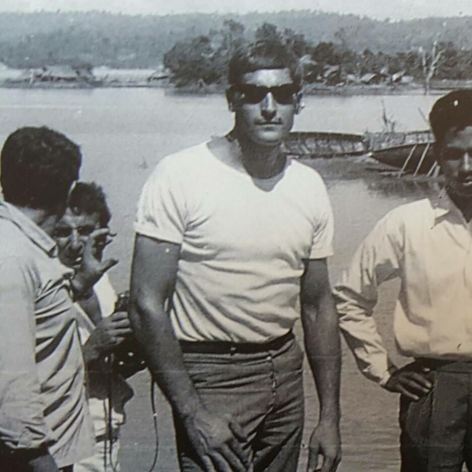
Carlos Gaston Ferran, dit « Le Grand »

ICI lors d’un séjour en Algérie dans sa jeunesse.


Jean Gilbert Para, un proche collaborateur de Charles Ferran, disparu le 11 mai 2002, dans la région de Ronda en Andalousie. (Son 4X4 a été retrouvé criblé de balles!)

Il était copropriétaire avec Carlos Ferran, Edouard ´Doudou´ Mari-Chica et Abdel Omar (Adiel OUANOUGLU) »Le Chacal » du ´My Lady Palace´ y ´Play Boy´ de Marbella et d’autres établissements similaires à Torremolinos et Benalmádena. Il gérait aussi un restaurant Plaza del Socorro à Ronda.


Adiel OUANOUGLU ou Abdel OMAR, dit « Le Chacal ».

enregistré par les autorités françaises de la DNRED et de l’OCRTIS

« C’est un personnage qui a fait bénéficier la DNRED (Direction nationale du renseignement et des enquêtes douanières, NDLR) comme d’autres services français d’un carnet d’adresses très étoffé« , expliquait Jean-Michel Pillon, chef de bureau au sein de la direction des douanes lors d’une audition devant la brigade financière en mars 2016

°°°°°°°°°°°°°°°°°°°°°°°°°°°°

Alain David Benhamou dit ´Doudou´ Mari-Chica

Le beau-frère de Carlos Ferran

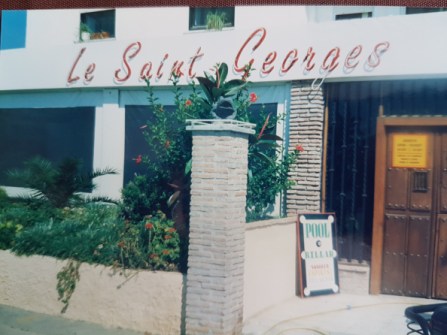
ici à Marbella


Ricardo RUIZ COOL, commissaire de Police à Estepona (Andalousie) dans les années 90, chargé de la sécurité des GAL sur la Costa del Sol, était un contact très proche de Carlos Ferran. Il mettait à sa disposition le fichier de la Police Nationale espagnole et sécurisait les rendez-vous de Carlos Ferran avec Rafael Vera, le ministre espagnol de la sécurité.

Son adjoint à Estepona, Florentino Villabona Madera pourrait, j’en suis certain nous parler de cette grande époque, s’il n’est pas frappé d’amnésie sélective. Aujourd’hui, il est « Director Adjunto Operativo (DAO) de la Policía »!


Le GAL

fg-vera-barrionuevo

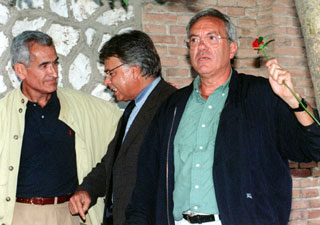
Felipe Gonzalez (au centre), le fondateurs du GAL et ses meilleurs collaborateurs Rafael Vera (à gauche) et José Barrionuevo.

°°°°

ESPAGNE (les années sombres du terrorisme et du narcotrafic d’Etat): retour sur les cloaques de Felipe Gonzalez, José Barrionuevo, José Luis Corcuera, Rafael Vera et des mercenaires du GAL

LIRE: NARCO-TERRORISMO (G.A.L.): los mercenarios de la OAS en España.

ET aussi: l’histoire du GAL

°°°°°°°°°°°°°°°°°°°°

La DNRED était copropriétaire de ce restaurant en bordure de mer à Estepona avec Marc Fievet

Lire plus :
DOUANE FRANÇAISE : quand la DNRED tenait un restaurant à Estepona en Andalousie

000000

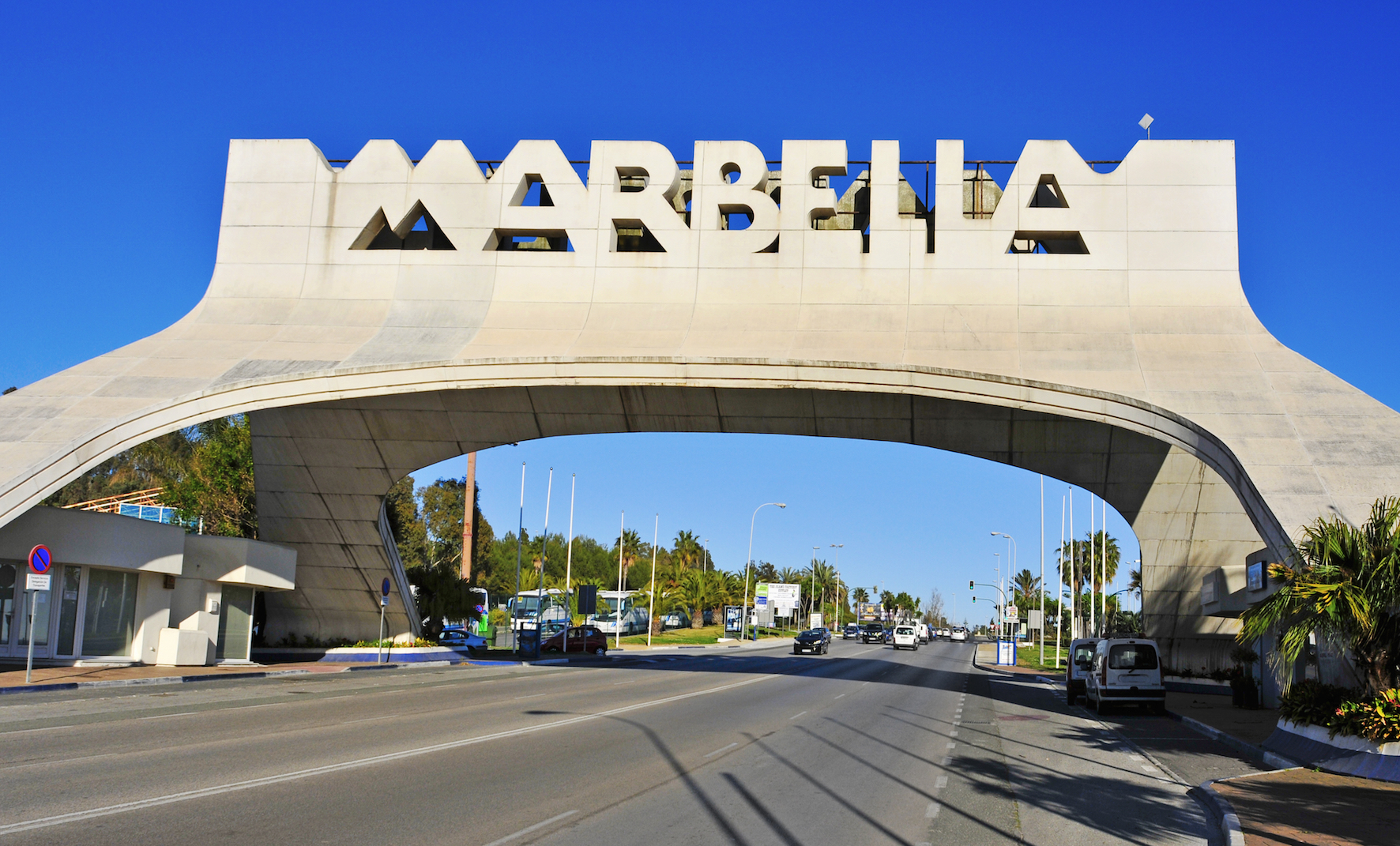
SPAIN 🇪🇸 (Marbella) : the Costa del Sol is home to more than 100 different criminal organisations

They range from extremely powerful, tightly structured mafias, like the Serbian, Morrocan and Dutch groups, to gangs of small-time burglars. Most groups specialise in one or more of the various activities that revolve around trafficking drugs: buying merchandise, protection and security, transportation, distribution, money laundering. Almost none of these groups can manage the whole process by themselves, which makes collaboration essential.

A prosecutor in the region put it like this: “Anyone who thinks that the criminal organisations are the same as they were before – structured like a pyramid, managing every aspect of the business – well, they’re wrong. It’s not like that any more. It’s a lot more like in the TV series ZeroZeroZero, where everyone has to form alliances and each group takes on certain things. They’re not cartels, they’re service providers: it’s the Uberisation of organised crime.” Because of this, there’s also no division of territory. “It’s not possible to make a map, like they’ve done, for example, with Mexico,” he says. “Instead, you’d have to make a diagram that reflects the division of labour, the different roles and activities of each organisation.”

The groups in Costa del Sol, said one Marbella-based drug trafficker, “are talking with each other all day long, asking each other questions”. Everyone knows everything, he said, “and almost everyone knows each other”. Meetings take place in discreet locations: shopping centres, fast-food restaurants or parks, or during a stroll through a public garden in a luxury development.

While there might not be any clearly marked territories on the Costa del Sol, each group has its own stomping grounds – the businesses and other locations they frequent and control. And it’s important, the trafficker said, sipping his drink, that everyone knows the rules. “If a Brit walks into an Albanian gym, for example, he’s gonna have a problem.” The Irish have their own pubs in Puerto Banús; the Moroccans have their own bars, where there’s no (public) alcohol consumption but they smoke shisha; the Colombians hang out at the shopping centres; the Camorra have their pizzerias, and there are specific hotels for English gangsters. The police know a lot of these places by name.

Beyond its own frontiers, Marbella is inextricably linked to Dubai by crime.

Most of the area’s criminal groups live between these two cities. “Dubai is like Marbella but with no rules and no law,” said one high-level Costa del Sol criminal. “It’s extremely rare for them to arrest anyone there. It’s only happened a few times, and always for some underlying political reason. Most of the top bosses live there, and then they spend the summer in Marbella. The soldados go to Dubai when they feel like they’re under surveillance. We’re protected there. There’s no extradition.”

read more

000000

SPAIN 🇪🇸 (Costa del Sol) : the new international crime organisations have made Marbella their centre of operations

And as violence rises, the police lag far behind

One morning last autumn, a dozen or so locals were eating breakfast at a cafe under a clear Marbella sky, in front of the offices of the Special Organised Crime Response Unit (Greco), on the Costa del Sol. The property is nondescript – an unobtrusive building in a working-class neighbourhood – and only someone with a sharp eye for detail might notice the two security cameras monitoring the front entrance. The cafe’s regulars drank coffee and ate toast, unaware that only 24 hours earlier, in another part of the city, Greco agents had rescued a man from a garage, alive, but with holes drilled through his toes. It was the latest local case of amarre, or kidnapping, to settle a score between criminal gangs.

That afternoon, in Puerto Banús, the wealthiest and most extravagant area of the city, a young British man with ties to organised crime walked out of a Louis Vuitton store and found himself surrounded by a crew of young Maghrebis, “soldiers” from one of the Marseille clans. “They didn’t want anything specific,” he said. “They just stared me down and said: ‘What’s up?’ They were looking for trouble. Things like this have been happening for a while now. It’s getting really dangerous here,” he said, with no apparent sense of the irony of a criminal complaining about criminality.

On the same day, in New Andalucía, one of the luxury housing developments on the outskirts of the city, next to the scorched shell of the Sisú Hotel, which was set on fire in what seemed to be a settling of scores, a Rolls-Royce sped through an intersection and smashed into an oncoming car. The driver, a young man in a tracksuit and tattoos, got out and inspected the damage, clutching three mobile phones and glaring defiantly at passersby.

It was in the 60s, during Spain’s economic “miracle” and development boom, that the Costa del Sol was transformed into the tourist hotspot of southern Europe. First, working-class holidaymakers thronged the public beaches. Then an emerging class of jet-setters found their piece of paradise in Marbella. The plan to develop the region succeeded, but success came with its own baggage. “This was the Francoist agreement,” said Antonio Romero, an author and former politician who is one of the most outspoken voices against organised crime in the region. “You, the criminals, come here to relax, don’t commit any crimes, and bring your money.” And so, as the authorities turned a blind eye, Marbella became a premier destination for the global criminal elite.

The Costa del Sol is organised crime’s southern frontier – a stretch of urban sprawl extending from Málaga to Estepona, with Marbella, a city of 147,633 people, as its capital. According to the Spanish Intelligence Centre for Counter-Terrorism and Organised Crime, there are at least 113 criminal groups representing 59 different nationalities operating out of the area.

There is nowhere quite like the Costa del Sol – a long tongue of land stretching 55 miles between the mountains and the sea. To the south, less than 10 miles of open water separates the region from Morocco – the world’s largest producer of hashish – and from the autonomous Spanish outposts of Ceuta and Melilla. Less than an hour’s drive away is one of Europe’s main entry points for cocaine, the port of Algeciras. Across the bay from Algeciras is the British overseas territory of Gibraltar, a tax haven separated from Spain by a fence. To the north rise the Málaga and Granada mountains, Europe’s main region for marijuana cultivation.

read more

000000

FRANCE 🇨🇵 (Marseille-Fos) : les gabelous ont même dressé le barème de rémunération de ceux qui flanchent

Une autre inquiétude grandit : que les bassins connaissent une « dérive havraise », où la criminalité organisée a mis le pied dans le port avec la complicité des dockers les plus jeunes.

Pour Guy Jean-Baptiste : « Le renseignement est particulièrement difficile à obtenir dans un port en raison notamment de la puissance des corporations qui y travaillent », relève le directeur des douanes à Marseille.

« Ce n’est pas un scoop qu’il est difficile de travailler sur le port » souffle en écho le patron de la police judiciaire Éric Arella, « pour des raisons que vous connaissez et sur lesquelles je ne m’étendrai pas »

Extrait d’ une enquête d’Olivier-Jourdan Roulot et Xavier Monnier à lire dans le numéro de mai de GQ (en kiosques cette semaine)

°°°°°

Marc Fievet

 » J’ajouterai qu’hormis l’omerta établie par la peur de représailles qui peuvent aller jusqu’à l’élimination pure et simple de celui qui rencarderait les autorités, qu’elles soient douanières ou policières, le flou de la Perben 2 vis à vis des repentis qui n’offrent aucune garantie à ces derniers et l’exemple accablant de la lâcheté et du manque d’honneur des DG de la Douane Française, toujours en mémoire suite au lâchage de Marc Fievet, cet agent free-lance  infiltré pour le compte de la DNRED et adoubé par le ministre Michel Charasse ne peut encourager des vocations. Ce serait suicidaire !  »

000000