AVISEUR INTERNATIONAL

Aviseur International renseigne, sans complaisance, sur la problématique de la drogue, du narcotrafic, de la corruption et sur les politiques mises en œuvre par les différents Etats et les dérives que s'autorisent les fonctionnaires des administrations — marcfievet@live.fr — 33 (0) 6 84 30 31 81

AVISEUR INTERNATIONAL

NARCO BUSINESS: les chiffres de l’année 2012 montraient déjà l’ampleur du problème

https://i0.wp.com/www.mysecurite.com/wp-content/uploads/2013/04/trafic-de-drogue_909526.jpeg

Dans le monde, environ 210 millions de personnes – soit 4,8 % de la population âgée de 15 à 64 ans ont consommé des substances illicites au moins une fois au cours des 12 derniers mois. Avec un chiffre d’affaires estimé entre 300 et 500 milliards de dollars, le trafic de drogue est devenu le deuxième marché économique au monde, juste derrière les armes ,mais devant le pétrole.

Les bénéfices et les sommes en jeu sont colossales. En effet, les profits des petits et grands trafiquants sont immenses. Le chiffre d’affaire du trafic de stupéfiant est de 243 milliards d’euros par an : si les trafiquants de drogues étaient un pays, leur PIB les classerait au 21è rang mondial, juste derrière la Suède. Malgré la répression, l’ONU estime que seuls 42% de la production mondiale de cocaïne est saisie (23% pour la héroïne). Dans certains pays de production ou de transit, comme le Mexique, ce sont de véritables contre-pouvoirs occultes qui font régner la terreur et corrompent les rouages de l’État. (1)

Le commerce de la  drogue comme marchandise prohibée est extrêmement lucratif : le marché de la drogue est celui qui connaît actuellement la plus forte expansion.

DE LA DANGEROSITÉ DE LA PROHIBITION ACTUELLE

La prohibition de l’alcool aux États-Unis en 1920 a eu comme conséquences:

  • Une augmentation des prix des produits alcoolisés,
  •  une détérioration  de la qualité des boissons, avec des risques sanitaires accrus,
  • une augmentation du trafic international,
  • une augmentation de la criminalité chez les consommateurs et chez les trafiquants,
  • la constitution de contre pouvoir avec des gangs à renommée internationale comme celui d’Al Capone,
  • le développement de la corruption dans tous les rouages de l’économie et de l’État,
  • un manque à gagner en impôts et taxe pour les États.

Devant l’inefficacité de l’interdiction sur la consommation d’alcool , en  1933,  le 21e amendement annule le 18e amendement de la prohibition de 1920. Non seulement la loi sur la prohibition de l’alcool n’a jamais atteint le but qu’elle s’était fixée, mais elle a favorisé une augmentation affolante de la criminalité.

Comment n’a-t-on pas tiré des leçons de cet épisode de l’interdiction de l’alcool aux USA? Avec le commerce illicite des drogues les  conséquences sont identiques mais démultipliées par la mondialisation. ( Au Mexique on évalue, en six ans, à 70 000 les victimes dues au trafic de drogue pour alimenter le marché nord-américain )

Il est temps que les États reprennent le contrôle de ce commerce mortifère.

***
TRAITER LA TOXICOMANIE ET CONTRÔLER LE COMMERCE DES DROGUES

« Les drogues tuent quelque 200 000 personnes chaque année. Les usages problématiques de drogues représentant l’essentiel de la demande, l’un des meilleurs moyens de réduire le marché est de traiter la toxicomanie”, a déclaré M. Fedotov, de l’ONU.

Les causes profondes de la consommation de produits stupéfiants sont à rechercher dans le mode de fonctionnement de nos sociétés livrées à la mondialisation des échanges et à la libéralisation de l’ensemble des activités humaines. Il faut être lucide et regarder en face les dégâts que peut faire chez les plus fragiles , ces injonctions de réussite individuelle à tout prix, que distille sournoisement et quotidiennement notre environnement, que ce soit dans le domaine professionnel, ou dans la sphère privée. Une société de consommation qui exacerbe constamment la satisfaction pulsionnelle des désirs individuels  ne peut que conduire certains à trouver dans ces paradis artificiels ce qu’ils n’ont pas les moyens de réaliser ou de construire.

Le problème est que l’on ne veut pas admettre que la cause profonde de ces dérives est bien dans ces dysfonctionnements érigés en dogme dans ce monde ultra-libéral où règne une étrange alliance entre puritanisme et perversion. ( 2 ). On continue à maintenir le décor factice d’une société bourgeoise qui laverait plus blanc que blanc en interdisant  à l’individu toute possibilité de dérive individuelle (3 ) tout en prônant l’obligation de réussite individuelle  pour pouvoir  satisfaire les besoins et envies ( légitimes ou créées par la publicité ) de tout consommateur. (On se rappelle la déclaration de Jacques Séguela: «  Si à 50 ans on a pas une Rollex, on a raté sa vie » -«   les 4 vérités  »  – Cette phrase à bien des égards obscène,  prononcée le 13 février 2009, en pleine crise financière, à propos du Président de la République, par un publicitaire bien connu,  est symptomatique d’un état d’esprit  où la dictature des marques asservit  les individus ).

Cette exacerbation permanente des  désirs et des attentes des consommateurs rend de plus en plus difficile la maîtrise de ses pulsions et rend insupportable les frustrations. Il y a ceux qui trouvent le chemin de la réussite individuelle en restant dans les clous mais  nombreux sont ceux qui doivent utiliser des subterfuges légaux ou illégaux pour tenter d’arriver à leurs fins pour tomber ensuite  dans le piège de nouvelles dépendances: dépendance à des paradis artificiels pour les consommateurs, dépendance à un enrichissement facile et à une consommation de biens sans limite pour les trafiquants.

Il faudra bien qu’ un jour, l’État, dont un des rôles et de protéger tous les citoyens, reconnaisse les dysfonctionnements du système et prenne ses responsabilités en la matière en se donnant les moyens de « tirer le rideau » en traitant ouvertement cette « pandémie » et en contenant  la contagion vers les plus fragiles et les plus jeunes. Pour vider de sa substance le commerce illicite, il faut aussi contrôler la distribution des produits stupéfiants dans des officines médicalisées ou spécialisées tout en continuant à mener une lutte acharnée contre les trafics de drogues internationaux. C’est une bataille de longue haleine qui doit être coordonnée à l’échelle internationale.

S’attaquer à cette économie illicite et mortifère c’est aussi dessiner un horizon à ces quartiers abandonnés. Si on assèche le trafic de drogue, on enlève une énorme partie de l’économie de ces quartiers.  Tant qu’on n’aura pas  de réels projets économiques et éducatifs à offrir à ces quartiers pour  trouver ainsi les moyens de créer et de distribuer de la richesse autrement que par le trafic, la situation ne pourra pas évoluer dans ces villes comme Marseille où 30 % de la population vit sous le seuil de pauvreté et où 60 % des ménages ne paye pas d’impôts sur le revenu  faute de moyens (4). La question est bien plus large qu’une simple question répressive. C’est peut-être le seul message positive du passage de l’équipe ministérielle à Marseille.

En attendant, en  contenant ce commerce derrière le rideau de l’ illégalité on ne fait que laisser libre cours à cette activité, très lucrative pour certains mais aussi très dangereuse pour l’ensemble de la société.


  • L’auteur

    Enseignant, au cours de ma vie professionnelle, j’ai occupé diverses fonctions dans l’ Education Nationale.Pour mes études, et mon travail, j’ai bourlingué à Voiron, Aix-en-Provence, Paris, dans le 93, en Martinique, au Brésil, au Mexique et au Maroc. Depuis peu, je jette des bouteilles à la mer. Je consacre un peu de mon temps à écrire sur la nécessaire métamorphose de notre société vers un monde plus juste, décent et apaisé. Guy Valette


SOURCE: http://alternative21.blog.lemonde.fr/2013/04/28/commerce-de-la-drogue-on-se-trompe-de-cible/

000000000000000000000000000000000000

Trattativa Stato Mafia: « Berlusconi fu pedina della mafia ».

Avatar de Marc FievetThe international informant

Italia
18:47 17.04.2015(aggiornato 18:52 17.04.2015) URL abbreviato
Dalle deposizioni del pentito Carmelo D’Amico emergerebbero connessioni importanti tra la politica italiana e cosa nostra.

« I nomi che farò oggi sono di persone capaci di tutto, possono entrare nelle carceri e uccidere simulando suicidi e morti naturali. Sono loro che dirigono la politica e cercheranno di togliermi di mezzo come volevano fare con lei, dottor Di Matteo ». Esordisce così il pentito messinese Carmelo D’Amico, teste al processo sulla trattativa Stato —Mafia. In passato, come « uomo d’onore » ha confessato 30 omicidi, mentre reggeva gli affari della cupola nel messinese.

« Finora non ho detto tutto per paura. temo per me e per la mia famiglia, ma se mi tutelate, dico tutto ».

Lo ha detto il pentito Carmelo D’Amico che sta oggi facendo rivelazioni inedite.

« Tra i politici che hanno fatto accordi con cosa nostra ci sono…

Voir l’article original 360 mots de plus

DNRED 🇫🇷 (Douane française): retour sur la visite à l’inspecteur des finances François Auvigne

[IMG_0154.jpg]
L’explication finale
Le NARCOTOUR vient de toucher Paris, la ville capitale, pour boucler son harassante boucle.
Arrivée dimanche 2 mars 2008 en milieu d’après-midi, l’équipe de tournage, qui accompagne NS 55,  n’a guère eu le temps de s’endormir.
Lundi matin, dès 5h30, alors que la nuit enveloppait en totalité la région parisienne, le camping car   s’est mis en route à la lueur de ses phares, en direction de la rue d’Assas, une rue bourgeoise et tranquille du centre de Paris.
——————-
2321314900_6561a945f9_m
—————–
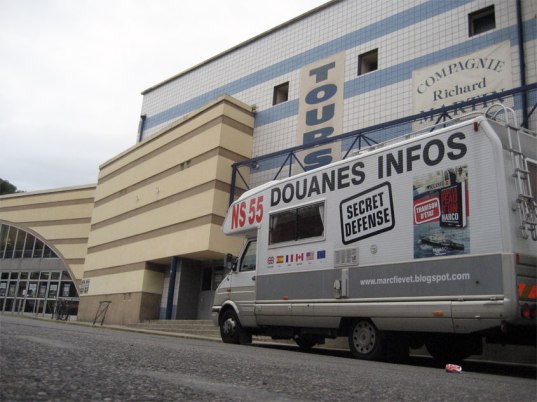
Une visite très matinale à laquelle NS55 DNRED tenait beaucoup.
Alors que l’horloge de la cabine du véhicule avait tout juste passé le cap des 6 heures du mat’, le pilote immobilisait son véhicule  « DOUANES INFOS » devant le domicile de François Auvigne, un ancien directeur général des douanes, au 43 rue d’Assas à Paris.
 —
Une longue attente débutait…
2321316892_8186da1ed9_m
***
2320501375_6c8544284b_m
Au final, malgré plusieurs tentatives, NS 55 DNRED ne parviendra pas à parler de vive voix à François Auvigne à qui il entendait demander des explications sur son attitude au moment où l’ex-infiltré des douanes attendait l’aide et le soutien de ses employeurs – ni même à le croiser.
François Auvigne, le très courageux inspecteur des finances, resta planqué chez lui, envoyant ses jeunes enfants épier NS 55 par les fenêtres… et son épouse, Sophie Auvigne (La Voix de France Info) finit par lui répondre à l’interphone que son mari ne souhaitait pas le rencontrer!
Difficile d’imaginer alors que quelques heures plus tard, après avoir rencontré Jean Paul  Garcia de l’A2, aujourd’hui le Boss de la DNRED, au siège à Montreuil durant plus de deux heures, Gérard Schoen que j’attendais le vendredi 7 mars 2008 pour lui demander des explications suite aux conneries émises, certainement sur ordre de Jérôme Fournel, sur un plateau de télévision, se sauva à ma vue et disparut en se planquant certainement derrière une porte cochère « amicale »…
Pourtant je cours vite, mais, là, Gérard, tu m’as bluffé!
 *******
Gérard SCHOEN, le « pape » du contentieux des douanes françaises, semblait ignorer les actions de NS 55…
***
VIDEO
—
°°°°°°°°°°°°°°°°°°°°°°°°°°°
Marc Fievet
00000000000000000000000000000

FRANCE: quant aux opérations « spéciales » de la cellule ALFA ou le bal des « faux culs »!

Avatar de Marc FievetAVISEUR INTERNATIONAL

A la Une de l’heure du crime, les révélations d’un journaliste d’investigation sur un des plus grands secrets de la République…

Comme le secret est en train d’être éventé, on peut dire aussi qu’il s’agit d’un des grands tabous de la cinquième République : l’existence d’un groupe ultra secret de tueurs professionnels qui exerceraient, au nom de la France une sorte de droit de représailles de l’Etat, face à ses ennemis, par exemple les terroristes qui menacent depuis de longues années nos institutions…La décision de créer ce groupe au sein du service action de la DGSE aurait été prise après l’affaire du Rainbow Warrior, au milieu des années 80. Les Présidents de la République qui ont succédé à François Mitterrand ont toujours nié officiellement l’existence de ce groupe, baptisé « Alpha » dont certains membres ont accepté de parler à mon invité, Vincent Nouzille qui publie son enquête dans un…

Voir l’article original 1 567 mots de plus

FRANCE: quant aux opérations « spéciales » de la cellule ALFA ou le bal des « faux culs »!

A la Une de l’heure du crime, les révélations d’un journaliste d’investigation sur un des plus grands secrets de la République…

Comme le secret est en train d’être éventé, on peut dire aussi qu’il s’agit d’un des grands tabous de la cinquième République : l’existence d’un groupe ultra secret de tueurs professionnels qui exerceraient, au nom de la France une sorte de droit de représailles de l’Etat, face à ses ennemis, par exemple les terroristes qui menacent depuis de longues années nos institutions…La décision de créer ce groupe au sein du service action de la DGSE aurait été prise après l’affaire du Rainbow Warrior, au milieu des années 80. Les Présidents de la République qui ont succédé à François Mitterrand ont toujours nié officiellement l’existence de ce groupe, baptisé « Alpha » dont certains membres ont accepté de parler à mon invité, Vincent Nouzille qui publie son enquête dans un livre qui vient de paraître aux éditions Fayard.

Avec lui, nous allons revenir sur cette guerre de l’ombre dont les échecs ou les victoires ne sont jamais officiellement revendiqués..

Vincent Nouzille a passé trois ans à recueillir les témoignages d’anciens ou d’actuels membres des services de renseignements français. Il en sort un ouvrage époustouflant, où la réalité semble parfois dépasser la fiction.

C’est en 2002 qu’un événement lui met la puce à l’oreille : deux agents de la DGSE sont arrêtés en Espagne, alors qu’ils transportaient des faux passeports et un vrai arsenal de guerre… Ces agents, bien plus secrets que des agents secrets, faisaient partie de la « Cellule alpha »… Une appellation que le journaliste a tenté de comprendre, et de mettre à jour. Une cellule constituée d’une dizaine d’électrons libres, capables de mener des doubles vies sans éveiller l’attention, et de tuer sans poser de questions. Ce dispositif, créé sous Mitterrand, a été utilisé par tous les présidents depuis.

A commencer par François Hollande…

***

Philippe Rondot à son arrivée le 11 décembre 2007 au pôle financier du palais de justice de Paris.

The DEA Has Been Secretly Buying Hacking Tools From an Italian Company

Written by Lorenzo Franceschi-Bicchierai April 15, 2015 // 02:00 PM EST

The software, known as Remote Control System or “RCS,” is capable of intercepting phone calls, texts, and social media messages, and can surreptitiously turn on a user’s webcam and microphone as well as collect passwords.

The DEA originally placed an order for the software in August of 2012, according to both public records and sources with knowledge of the deal.

The contract, which has not been previously revealed, shows that the FBI is not the only US government agency engaged in hacking tactics, but that the DEA has also been purchasing off-the-shelf malware that could be used to spy on suspected criminals.

This revelation comes just a week after USA Today uncovered a secret program with which the DEA collected the phone records of millions of Americans for more than 20 years, a program that pre-dated and inspired the NSA’s own bulk telephone collection program, suggesting that the drug agency is sort of a pioneer in the use of surveillance.

Surveillance tech experts say the DEA’s relation with Hacking Team is further proof that methods and tools once only reserved for the military, intelligence agencies and even cybercriminals—such as drones and StingRays—are becoming commonplace in law enforcement as well.

“Hacking software is yet another example of a technology created for the intelligence community that has secretly trickled down to law enforcement.”

“Hacking software is yet another example of a technology created for the intelligence community that has secretly trickled down to law enforcement,” Christopher Soghoian, the principal technologist at the American Civil Liberties Union and an expert of surveillance technology, told Motherboard.

And given the how powerful this spyware can be, Soghoian added, “we need a public debate over this invasive surveillance technology.”​

THE PAPER TRAIL

The contract, according to public records, was signed on August 20, 2012 for a total value of $2.4 million between the DEA’s Office of Investigative Technology and a government contractor named Cicom USA.

The records were uncovered by Motherboard and Pri​vacy International, a London-based digital rights group, in independent investigations.

The contract, which records show is slated to be completed in August of 2015, is identified only as “Remote Controlled Host Based Interception System.”

That system, according to sources, is none other than Hacking Team’s Remote Control System, also known as Galileo, which the company markets as “the hacking suite for governmental interception.”

“You cannot stop your targets from moving. How can you keep chasing them? What you need is a way to bypass encryption, collect relevant data out of any device, and keep monitoring your targets wherever they are, even outside your monitoring domain. Remote Control System does exactly that,” a company brochure boasts.

Cicom USA, Motherboard has learned, was simply a reseller for Hacking Team, a spyware-maker that’s been accused of selling its products to some governments with questionable human rights records. Some of those governments, such as Ethiopia, the United Arab Emirates, or Morocco, used Hacking Team’s software to target dissidents and journalists.

In light of those incidents, which were uncovered by researchers at the Citizen Lab at the University of Toronto’s Munk School of Global Affairs, the company was included in a blacklist of corporate “Enemies of the Internet” by Reporters Without Borders.

Despite speculation based on the fact that Hacking Team has an office in the US, there’s never been any evidence that the company had sold its products on American soil, even though CEO David Vincenzetti boasted of having clients in more than 40 countries, including the US, in a 2011 interview with Italian newsmagazine L’Espresso.

The connection between Cicom USA and Hacking Team was confirmed to Motherboard by multiple sources with knowledge of the deal, who spoke on condition of anonymity because they were not authorized to discuss the content of the contract.

Eric Rabe, a spokesperson for Hacking Team, did not confirm nor deny the existence of the contract with the DEA.

“We don’t identify our clients. I’m certainly not going to comment whether the DEA or anyone else has purchased Hacking Team software.”

“We don’t identify our clients. I’m certainly not going to comment whether the DEA or anyone else has purchased Hacking Team software,” he told Motherboard in a phone interview. And for the same reason, he added, he declined to clarify what was the relationship between Hacking Team and Cicom USA.

Alex Velasco, Cicom USA’s general manager, did not answer Motherboard’s request for comment.

But the connection between the two companies is clear. Cicom USA is based in Annapolis, MD, at the same exact address where Hacking Team’s US office is located, according to the company’s website. The phone number for Cicom USA listed in the contract with the DEA, moreover, is exactly the same one that was displayed on Hacking Team’s website until February of this year.

When asked whether this was just a coincidence, Rabe laughed.

“I don’t know about why that would be a coincidence,” he said, but declined to elaborate.

It’s unclear what the DEA has been doing with Hacking Team’s malware. But the relationship between the agency and Cicom USA—and thus, Hacking Team—appears to be ongoing. The most recent public record shows a payment from the DEA to Cicom USA made in September of 2014.

A spokesperson for the DEA did not respond to a series of specific questions on the contract and how the DEA is using this technology. Thomas L. Walden, the section chief of the DEA Office of Investigative Technology, also did not respond to a message requesting comment.

Hacking Team’s RCS software can be surreptitiously installed on a target’s computer or cellphone and monitor all activity, allowing police officers to spy on data that might otherwise be encrypted and out of their reach.

Software like this isn’t sold only by Hacking Team. The Italian company is just one of an ever-growing group of surveillance tech companies that market their products exclusively to governments, police departments, and spy agencies, such as the French VUPEN, or the German FinFisher and its parent company Gamma International.

This is exactly the kind of software that the DEA was looking for, according to an official call for tender or “request for Information” published by the agency in March, 2012.

“The DEA is seeking information from potential sources with a fully functional and operational product proven to be capable of providing a Remote Control Host Based Interception System for device or target specific collection pursuant to authorized law enforcement use,” the document reads.

Roughly a month later, on May 4, 2012. The DEA had what it was looking for. In another document, the agency announced that it was going to “solicit and negotiate” a contract with Cicom USA for the duration of at least four years.

Cicom USA, according to the DEA, emerged as the only company capable of providing the service required, based on market research conducted internally by the agency. The DEA did not respond to questions regarding this research.

It’s possible the DEA picked Cicom USA because the US Army had done the same a year prior. According to public records, the Army made a purchase order for a Remote Control System on March 2011. The order shows that the Army was supposed to pay $350,000 for the software, and further confirms Cicom USA’s connection with Hacking Team, given that Italy is listed as the country of origin of the product. (The Army did not respond to Motherboard’s questions regarding the contract.)

IS IT LEGAL FOR LAW ENFORCEMENT TO HACK TARGETS?

For surveillance experts, the big question is whether the DEA actually has legal authority to use spyware such as Hacking Team’s—and how, exactly, it is used. A DEA spokesperson said that the agency “always abides by the laws of the jurisdictions within which it operates.”

And added that “however, in this case, this is off-the-shelf technology, legally available for purchase by all and used throughout the world by many organizations.”

But experts are not convinced.

“The legal framework governing the use of such tools in the US is extremely unclear, meaning that the use of Hacking Team’s spyware is potentially unlawful,” Edin Omanovic, a researcher at Privacy International, told Motherboard.

“The use of Hacking Team’s spyware is potentially unlawful.”

The FBI is the only other US law enforcement agency that has been reported to use malware. The bureau has been using it since at least 2001 when FBI’s spyware Magic Lantern was revealed. But the precise legal authority, as well as the process that FBI agents use to get authorization, is still unclear, and very few cases where the bureau used malware have actually come to light.

In 2011, internal emails obtained by the Electronic Frontier Foundation revealed that in some past instances, FBI agents considered using malware known as « Computer and Internet Protocol Address Verifier » (CIPAV) without getting a warrant, or in other cases, hid key details on what the technology actually entailed in order to increase the chances the judge would approve it.

In any case, the bureau, after consulting with the Office of General Counsel and the National Security Law Branch finally appeared to settle on a “two-step request” legal process: get a search warrant to authorize the deployment of the software on a target’s computer, and then a subsequent order (known as pen register or trap and trace) to authorize the actual surveillance.

In 2013, a Texas judge stopped the FBI from using malware, rejecting the bureau’s warrant application because it was too vague and didn’t specify how the agents would actually install the software.

Soghoian, the ACLU surveillance tech expert, said that given the nature of this technology, and the fact that “Congress and the courts have been kept in the dark” about it, Americans should have more information on when and how the feds are using spyware.

“If law enforcement agencies can hack into your computer, turn on your webcam, turn on your microphone and steal documents from your computer, that’s the kind of thing that should get the attention of Congress. »

“Courts are not being told how agencies will get malware onto the computers of targets,” Soghoian said. “Similarly, law enforcement agencies have not discussed the use of this technique in any public Congressional hearings.”

“The American people deserve some answers and I think Congress needs to investigate this,” Soghoian told Motherboard.

Omanovic, from Privacy International, added that the US needs update the legal framework regarding hacking and the use of spyware by law enforcement agencies and establish “effective oversight mechanisms.”

Privacy International also released a ​dos​sier on Hacking Team on Wednesday, asking Italian authorities to look into the company and its practices in light of European export controls of surveillance technology. (Rabe said that the company « is in compliance with all export laws. »)

Some legal experts, however, argue that there’s nothing illegal about the use of spyware. Although there is no specific law that specifically covers hacking, Jonathan Mayer, a computer scientist and lawyer at Stanford University, said that law enforcement agencies are “broadly authorized” to conduct searches in the US, including using hacking techniques.

“They don’t need some special legislative grant of extra authority before they can hack,” Mayer told Motherboard, adding that a search warrant supported by probable cause and particularly describing what the agents seek is all they need.

But for critics, such as Soghoian or Privacy International, there still should be more transparency and a public debate.

“If law enforcement agencies can hack into your computer, turn on your webcam, turn on your microphone and steal documents from your computer,” Soghoian said, “that’s the kind of thing that should get the attention of Congress, particularly before this trickles down to local law enforcement agencies.”

This story has been updated to include a comment from Hacking Team’s Eric Rabe on his company’s compliance with export controls. And to clarify that FBI agents considered using malware without a warrant, according to documents obtained by the EFF. 

SOURCE: http://motherboard.vice.com/read/the-dea-has-been-secretly-buying-hacking-tools-from-an-italian-company

FRANCE (RTL): Yves Calvi et Jacques Pradel ont reçu le vendredi 6 septembre 2013 : Marc Fievet, infiltré au coeur de la mafia.

 « Le Choix de Yves Calvi » du 6 septembre 2013 en vidéo : pendant six ans, Marc Fiévet était un « aviseur » pour les Douanes Françaises, un agent infiltré dans les plus gros réseaux de trafics de drogue. Lâché par le Directeur de la douane française François Auvigne, un inspecteur des finances lâche et incompétent, qui a refusé d’assumer les décisions prise par ses prédécesseurs.
Marc Fievet se bat aujourd’hui pour faire reconnaître la dérive « juridico-administrative » qui lui a fait faire plus de dix ans de prisons.
 ****
Avec l’intervention de Jean-Henri Hoguet, ancien directeur à la Direction nationale du renseignement et des enquêtes douanières (DNRED).
RTL - Yves Calvi et Jacques Pradel ont reçu le vendredi 6 septembre 2013 :  Marc Fievet, infiltré au coeur de la mafia.

Bonjour à tous ! A la une de L’heure du crime, l’histoire vraie d’un « infiltré », dont la mission était de faire tomber un réseau international de trafic de stupéfiants, et qui se retrouve quelques années plus tard condamné à perpétuité !
 
Cet homme s’appelle Marc Fievet. Il est mon invité. Son nom est peu ou pas connu du public, mais son aventure a inspiré les scénaristes du film « Gibraltar », qui sort mercredi prochain au cinéma.
 
Pendant six ans, il  était connu sous le nom de code NS 55. Il a permis aux services des douanes; qui l’avaient recruté en 1988, de récupérer près de 100 tonnes de stupéfiants !
 
En septembre 1994, un bateau lui appartenant est arraisonné dans l’Atlantique, au large de l’Espagne, avec plus de 5 tonnes de cocaïne. Considéré comme le numéro 2 du réseau, il est condamné à perpétuité, extradé en France où sa peine est ramenée à 20 ans, dont dix ans incompressibles.
 
Depuis sa sortie de prison, Marc Fievet se bat pour être réhabilité. Sa vie a été détruite. Il veut laver son honneur et que l’Etat reconnaisse qu’il était en service commandé !

Jacques Pradel

Invités: Marc Fievet, son avocat, Christophe Pech de La Clause .

Pour écouter:

http://www.rtl.fr/emission/l-heure-du-crime/billet/vendredi-6-septembre-2013-infiltre-au-coeur-de-la-mafia-7764157204

RTL - Yves Calvi et Jacques Pradel ont reçu le vendredi 6 septembre 2013 :  Marc Fievet, infiltré au coeur de la mafia.

Maitre Christophe Pech de Laclause, Marc Fievet et Jacques Pradel à la fin de l émission

00000000000000000000000000000000000

FRANCE (Bercy – Ministère des finances): confidences de NS 55 à bord d’un camping-car…

et

avec Michel Charasse

0000000000000000

GIBRALTAR…Souviens-toi Jean Paul Garcia (DI de la DNRED), de Madrid, de Michel Charasse et de François Auvigne !

Avatar de Marc FievetMarc Fievet

Un cambrésien a inspiré le film « Gibraltar » 
Le film raconte la vie d’un ancien agent des douanes inflitré et lâché par les autorités françaises. C’est la vie de Marc Fiévet, cambrésien d’origine qui vit aujourd’hui à Valenciennes.
Il était l’invité de France Bleu Nord.

L'interview sur France Bleu Nord

L’affiche du film « Gibraltar »
Gibraltar avec Gilles Lellouche et Tahar Rahim.

Le film Gibraltar est inspiré de l’histoire de ce cambrésien

L’invité de France Bleu Nord : Marc Fievet  

Le héros de "Gibraltar" attaque l'Etat

Ecoutez l’interview sur:

http://www.francebleu.fr/player/export-inline?content=833136

Le film Gibraltar est librement inspiré de l’histoire de ce cambrésien
°°°°°°°°°°°°°°°°°°°°°°°°°°°°°°°°°°°°°°°°°°°

Voir l’article original

DNRED (DNED): mémoires de Jean-Pierre Cazé, infiltré dans les réseaux de la drogue

https://i0.wp.com/douanesinsignes.chez-alice.fr/medaille%20avec%20boite%20dnred%20lyon.jpg

DNRED échelon de Lyon .

Médaille remise aux agents de l’échelon de la DNRED de Lyon en 2000

pour fêter l’anniverssaire de sa création.

 ***

Jean-Pierre Cazé est un ancien douanier d’un genre particulier. Jusqu’au début des années 90, son travail fut d’infiltrer les réseaux de trafiquants de drogue en France et au Maroc pour le compte du service français de renseignement des douanes. Il témoigne dans un livre intitulé Au cœur du trafic, Mémoires d’un douanier infiltré, chez Nouveau monde éditions. Il répond à nos questions. 

Afrique Drogue: Travailler en tant qu’infiltré dans un réseau de trafiquant de drogue, cela consiste en quoi?

Jean-Pierre Cazé: Il faut d’abord avoir des « aviseurs », autrement dit des informateurs. Ces gens-là connaissent une organisation frauduleuse ou criminelle sur le point d’importer, par exemple, en France une quantité importante de drogue ou qui détient une quantité importante de drogue. Et c’est par l’intermédiaire de cette personne que l’agent va pouvoir être présenté à cette organisation, sans bien sûr que ses membres sachent qu’il est fonctionnaire…Ce fonctionnaire va agir sous couverture, sous un nom d’emprunt, une profession d’emprunt. Et cet informateur, qui connaît bien les voyous, va présenter ce « nouvel ami », bien le présenter pour qu’il soit accepté par l’organisation. Et ensuite, ce fonctionnaire va  vivre complètement en immersion au sein de l’organisation.

A.D: Justement, vous l’avez fait à plusieurs reprises. Dans votre livre, vous parlez d’une opération d’infiltration, réussie au Maroc. Racontez-nous comment vous avez fait. 

J-P C: Cela a duré plusieurs semaines, même deux mois. C’était un contact que nous avions du côté de Tanger qui nous informait qu’une bande organisée était sur le point de faire acheminer vers la France environ une tonne de résine de cannabis. A cette époque, c’était une grosse quantité. On parlait plus souvent de prises de 5 ou 10 kilos. Et donc l’occasion m’était donnée de m’infiltrer dans cette organisation au Maroc et de leur présenter la chose en étant transporteur. Il faut savoir qu’au Maroc, ce n’est pas dur de trouver des stupéfiants, de la résine de cannabis. Mais ce qui est compliqué pour les fournisseurs marocains, c’est d’acheminer la marchandise en France. Moi, j’avais ma qualité de transporteur routier. J’avais sous mes ordres des chauffeurs, des civils, que nous avions recruté à cet effet, pour pouvoir acheminer les stupéfiants du Maroc en France et suivre la progression du Maroc jusqu’en France, jusqu’à ce que les acheteurs viennent récupérer la marchandise.

A.D : Comment faisiez-vous pour véritablement vous faire passer pour une personne impliquée dans le trafic de drogue, parce qu’il y a des codes, il y a des réflexes, il y a des choses que peuvent remarquer les trafiquants qui peuvent vous confondre…

J-P C: C’est tout ce qu’on appelait l’éducation de l’agent. Partir en infiltration, c’est toute une préparation en amont. Il faut changer sa manière de vivre, il faut changer sa manière de parler, son comportement, son aspect physique. On oublie tout, on est plus fonctionnaire, on est plus douanier. Moi, j’avais donc comme couverture camionneur qui avait une entreprise dont la situation était très mauvaise et qui voulait se refaire. Donc il me fallait de l’argent. Et j’acceptais de transporter des stupéfiants pour le compte de ces trafiquants. C’est comme ça que je devais me faire accepter. Mon aspect physique, c’était cheveux longs, le style un peu baroudeur.

A.D: Est-ce que, à un moment ou à un autre, vous avez pensé que vous alliez vous faire coincer?

J-P C: Je faisait tout, justement, pour ne pas me faire repérer. Mais c’est vrai qu’il ne faut pas faire d’erreur. Il y a des choses qu’il ne faut pas dire. On ne parle pas de cannabis, on ne parle par de haschich. On parle de n’importe quoi, de marchandise, de pommes de terre ou de chocolat…Il y a les attitudes aussi. Refuser un ou deux verres de bourbon, ça ne se fait pas non plus. En outre, j’avais appris absolument tout le fonctionnement des camions, toute la mécanique, justement pour que si on me posait des questions, je puisse répondre.

A.D : Est-ce que cela veut dire aussi parfois qu’il faut franchir la ligne rouge, pour être crédible vis-à-vis des trafiquants ?

J-P C: C’est une chose, dans la mesure du possible, qu’il ne faut jamais faire. Par exemple, il vont vous demander de consommer des stupéfiants pour voir si vous êtes bien de leur côté. C’est une chose qu’il faut toujours éviter. Moi je ne l’ai jamais fait, c’était ma ligne de conduite. C’est de toujours refuser mais avec des motifs valables.

A.D: Vous expliquez aussi qu’à plusieurs reprises vous avez été dans des situations où les trafiquants ou ceux qui voulaient acheter la marchandise que vous étiez censé transporter, ont demandé que vous leur montriez une partie de la marchandise afin qu’ils puissent l’emporter afin de prouver que vous étiez vraiment trafiquant et détenteur d’une grosse quantité de cannabis. Comment vous faisiez dans ces situations-là?

J-P C: C’était ça le gros problème. C’était la finalité de l’affaire. La marchandise était remontée en « livraison surveillée », était mise en dépôt. Et c’était le jour où les trafiquants venaient chercher la marchandise. Mais dans ce cas-là, ils n’arrivent pas comme ça avec un fourgon. Ils disaient: « Ok. Vous avez une tonne que vous avez ramenée. La tonne m’appartient, je l’ai payé. Maintenant, il faut que je sache vraiment de quel côté vous êtes, il faut qu’on soit sûr. Maintenant, vous allez lâcher par exemple, 25 ou 50 kilos. » Là, c’était un gros problème. On l’a fait une fois sur une affaire à Dijon. Ce qui nous a d’ailleurs valu de gros soucis ensuite avec la police et la justice. Pourquoi? Parce que, à cette époque, il n’y avait aucune loi encadrant cela. Aujourd’hui, un agent infiltré peut transporter de la marchandise, l’entreposer et même en céder à la fin, quand il ne peut pas faire autrement avant de remettre toute la marchandise.

A.D: Effectivement, vous avez mené ces opérations d’infiltration à une époque où ce n’était pas du tout encadré sur le plan législatif. Dans le livre, vous racontez que vous agissiez totalement sans filet et que cela vous a même valu d’être arrêté et de vous retrouver face à la justice, même si par ma suite vous avez été blanchi…

J-P C: Oui. C’est sur une affaire dans laquelle les trafiquants ont envoyé un homme de main chercher de la marchandise. Avant de la remettre, j’ai réussi à m’exfiltrer et à demander l’autorisation de mes supérieurs, qui m’ont donné l’autorisation. Donc j’ai « fait » 25 kilos, comme on dit dans le jargon du métier, pour que tout soit crédible. Et ils sont partis dans la nature. Et le lendemain, ils sont venus chercher le reste. Ils sont venus chercher 500 kilos sur 525 kilos. Et puis on a réussi à interpeller tous les trafiquants. Mais comme la loi n’avait pas encore été votée, on a eu les pires ennuis.

A.D: Aujourd’hui donc, le travail d’infiltration est encadré par la loi. Est-ce qu’elle couvre tous les cas de figure?

J-P C: Les fonctionnaires qui vont faire de l’infiltration sont toujours confrontés à ce qu’on appelle la mise à l’épreuve. C’est à dire que quand vous arrivez dans une organisation, on peut pour vous mettre à l’épreuve vous faire faire n’importe quoi. On peut vous dire: « ce soir on monte sur un braquage, tu seras chargé de conduire le véhicule ». Qu’est-ce qu’on fait? On se sauve ou on reste? Si on continue l’infiltration, on est obligé de participer au braquage. Le problème, c’est que s’il y a des problèmes, un blessé, voire un mort, qu’est-ce qui va se passer après? L’agent est en infiltration. Mais il est tout de même un peu complice…Donc je ne sais pas si la loi va assez loin.

A.D : Vous estimez que, aujourd’hui, pour lutter contre le trafic de drogue, on est obligé de faire de l’infiltration?

J-P C: C’est une technique qui est redoutable. Parce que quand vous êtes infiltré, vous entendez tout, vous voyez tout. Vous comprenez tout le système d’acheminement. Vous connaissez tous les personnages qui sont autour de l’affaire. Il est certain que quand vous avez un agent infiltré dans une organisation, il est sûr que cela fait mal parce que tout le monde tombe.

A.D: Avez-vous l’impression que le travail d’infiltration est devenu plus difficile par rapport à l’époque où vous la pratiquiez?

J-P C: J’ai fait cela pendant une vingtaine d’années. C’était une technique que nous avions empruntée aux américains. Cette méthode-là n’était pas connue. On avait une longueur d’avance sur les trafiquants. Aujourd’hui, ils savent qu’en France des agents pratiquent l’infiltration. Donc il est certain que les agents qui vont s’infiltrer, vont avoir un plus de mal à se faire accepter et à pouvoir pratiquer cette infiltration dans les circuits frauduleux.

Ecouter l’interview  diffusée sur rfi

source: http://afriquedrogue.blogs.rfi.fr/article/2012/05/06/memoires-dun-infiltre-dans-les-reseaux-de-la-drogue

°°°°°°°°°°°°°°

A l’époque, le ministre de tutelle de la Douane française était Michel Charasse.

Quand Michel Charasse était interviewé  par Elise Lucet***

L’interview de Michel Charasse par Elise Lucet

Quand Michel Charasse était interviewé  par Elise Lucet Dans une bibliothèque du Sénat.
***


Elise Lucet:
Invité de Pièces à conviction, Michel Charasse, bonsoir…

Quand Michel Charasse était interviewé  par Elise LucetMichel Charasse:
Bonsoir.
Elise Lucet:
Vous êtes l’ancien ministre du budget de 1988 à 1992 et sénateur du Puy de dôme, c’est la raison pour laquelle, nous sommes exceptionnellement au Sénat pour réaliser cet interview…Euh, vous ne souhaitez pas parler de, de l’affaire Marc Fievet…Est-ce que je peux vous demander quels étaient vos rapports, lorsque vous étiez ministre du budget avec ces aviseurs, je crois que vous avez souhaité les rencontrer, pourquoi ?
Michel Charasse: Lorsque je suis arrivé au ministère du budget en  mai…juin 88 , l’administration des douanes  dont l’une des fonctions importantes est de lutter contre tous les trafics …de drogue, d’argent,  euh, contre-façon..etc. prenaient par an à peu près 5 tonnes de drogue. Lorsque j’ai quitté le ministère le 2 octobre 1992, nous étions à 35 tonnes par an. C’est à dire multiplier par 5, par 7 pardon…
Elise Lucet: Ouais !
Michel Charasse : En, en un peu plus de quatre ans………..Vous pensez bien que tout ceci a nécessité une organisation
Elise Lucet: Honhon !
Michel Charasse: Ou une réu.. Ou .une réorganisation….Bien entendu ce n’est pas moi qui est tout inventé, mais j’ai donné à la douane beaucoup de moyens…avec l’argent du contribuable, pour en faire une véritable arme contre les trafiquants et notamment les trafiquants de drogues…
Elise Lucet: Et parmi ces armes, il y avait les aviseurs
Michel Charasse : Et parmi ces armes il y avait la collecte de renseignement et dans l’ensemble des renseignements, il y avait bien entendu les renseignements fournis par les aviseurs…
Elise Lucet : Beaucoup ?
Michel Charasse :  Des aviseurs plus nombreux, mieux organisés, des relais mieux organisés par l’intermédiaire des , des, des correspondants que la douane pouvait avoir à l’étranger sous couverture planquée ou officielle, attachés douaniers dans les ambassades etc. etc…Donc bien entendu, on a dû beaucoup, enfin beaucoup a été dû aux renseignements…
Elise Lucet : Ouais !
Michel Charasse : Et c’est d’ailleurs parce que l’affaire a pris une ampleur importante pendant le temps où j’étais au ministère, en  particulier avec la technique de ce que l’on appelle les livraisons contrôlées, c’est à dire l’infiltration de nos aviseurs ou quelques fois de douaniers d’ ailleurs, dans les réseaux de drogue …
Elise Lucet : Ouais !
Michel Charasse:  Et de fonctionnaires donc, de la douane, dans les réseaux de drogue..Euh, qui a conduit à…  justement un incident grave. ..Euh…entre 90 et 92, qui s’est retrouvé devant le tribunal de Dijon, puisqu’à l’époque la législation française n’autorisait pas la livraison contrôlée,…le code pénal
Elise Lucet: Vous parlez des quatre douaniers qui ont été incarcérés.
Michel Charasse : Voilà, donc il y a eu l’affaire de Dijon  et ces douaniers ont failli être condamné et ..euh, ils ne l’ont pas été que parce que d’une part j’ai fait voter la légalisation des livraisons contrôlées….Comme je l’ai déclaré un jour, on n’attrape pas les mouches avec du vinaigre,
Elise Lucet : Oui
Miche Charasse : Quand on fait la guerre on fait la guerre…
Elise Lucet : Ouais…
Michel Charasse : On ne fait pas la guerre avec le, avec le code pénal dans la poche ou avec des prières ou la bible ou le portrait de Mahomet.
Elise Lucet: Donc si on veut coincer des trafiquants, il faut utiliser leurs méthodes !
Miche Charasse: Donc, très bien euh…Il faut utiliser leurs méthodes, il faut aller les chercher là où ils sont.
Elise Lucet : Honhon.
Michel Charasse : Vous savez ce sont des tueurs, je parle pas du petit, du petit merdeux, du petit dealer, du pauvre gamin…
Elise Lucet : Non, non, on parle des Locatelli, des gens comme ceux qu’on a vu dans le reportage.
Michel Charasse : Etc… je parle, voilà, des gros. Ce sont des tueurs ! Par conséquent, on va pas attraper les tueurs en leur récitant des cantiques.
Elise Lucet : Alors, on en vient à la situation actuelle, si vous le voulez bien…
Miche Charasse : On tire d’abord et on discute après……………………….
Elise Lucet :……………….Euh, on va en venir à la situation actuelle si vous le voulez bien…
Michel Charasse : J’ai sur ce plan là, quand on a affaire à des tueurs, une notion  de l’Etat de droit qui est assez flexible…
Elise Lucet :.Michel Charasse, pour terminer, on a bien compris que vous ne vouliez pas parler du dossier de Fievet, mais est-ce qu’il y a en France … des aviseurs de la douane et là je parle pas forcément du moment où vous, vous y étiez, qu’on a laissé tomber…
Michel Charasse : ……………..A mon époque, je n’ai pas entendu dire qu’on avait laissé tomber qui que ce soit…
Elise Lucet : Donc, on laisse pas tomber les aviseurs ?
Michel Charasse :………Mais, on laisse tomber personne …Il faut laisser tomber personne. Lorsque vous êtes  engagé dans une bataille….Euh, et ben…Euh…Euh, vous faites le nécessaire pour sauver tous vos soldats…
Elise Lucet : C’est pas ce que Fievet a l’air de penser…
Michel Charasse : (6 secondes de silence).Chacun pense ce qu’il veut, moi je vous dis simplement que quand on voit les résultats qu’on voit, il faut bien que…euh, l’administration des douanes soit soutenue par son ministre et qu’elle soutienne tous ceux qui collaborent, fonctionnaires ou non à ses activités.
Elise Lucet : Michel Charasse, merci d’avoir répondu à nos questions.

LIRE aussi:

DNRED, un service de renseignement français..

GIBRALTAR…Souviens-toi Jean Paul Garcia de la DNRED!.

0000000000000000000000000000000

STUPÉFIANTS: comment le narcotrafic est devenu «too big to fail»

DICK MARTY Docteur en droit, ancien procureur général du Tessin, conseiller aux Etats, conseiller d’Etat  et membre de l’Assemblée parlementaire du Conseil de l’Europe, pour laquelle il a mené différentes enquêtes qui l’ont fait connaître sur la scène internationale.

DICK MARTY Docteur en droit, ancien procureur général du Tessin, conseiller aux Etats, conseiller d’Etat et membre de l’Assemblée parlementaire du Conseil de l’Europe, pour laquelle il a mené différentes enquêtes qui l’ont fait connaître sur la scène internationale.

© Lukas Lehmann, Keystone

Par Dick Marti

Pour lutter contre les narcotrafiquants, il est nécessaire de mener une importante action de sensibilisation au niveau mondial, selon Dick Marty. Et il faut progressivement s’acheminer vers un marché contrôlé dans lequel la réglementation est définie en fonction de la dangerosité de la substance et de l’âge du consommateur.

Après des décennies de faillites ruineuses dans la réponse sociale au problème des dépendances, on doit le dire clairement: le prohibitionnisme en matière de drogue et la criminalisation des consommateurs sont une voie sans issue. Plus, ils ont directement contribué à produire le plus important phénomène criminel de tous les temps, qui alimente toutes sortes d’autres trafics. L’argent de la drogue et les pratiques des organisations criminelles infiltrent l’économie avec un effet de contamination morale et de diffusion à grande échelle de la corruption. Les enquêtes n’atteignent presque jamais les hauts étages du crime organisé. La répression des petits poissons sert en revanche, presque cyniquement, à entretenir un certain niveau des prix et à assurer des profits fabuleux à ceux qui gèrent les grands trafics.

L’argent facile de la drogue est en fait devenu un facteur économique de grande importance, ce qui explique aussi pourquoi on ne s’attaque pas à la racine du problème. Si l’on pense que le chiffre d’affaires du trafic de drogue est estimé à environ 300 milliards de dollars par année, il est évident que cet argent est désormais devenu un véritable facteur de portée géopolitique. Il entretient de nombreux conflits, permet de financer des achats massifs d’armes de plus en plus sophistiquées, conditionne les choix de nombreux gouvernements, influence les structures socioéconomiques. J’ai entendu récemment un chercheur affirmer que si le trafic de drogue était éliminé, la plupart des familles des cités entourant Marseille ne seraient plus à même de payer leur loyer.

Des ressources énormes sont investies dans la répression, alors que le crime qui en contrôle le trafic prospère. Les institutions et la structure sociale de plusieurs pays ont été bouleversées par les narcodollars et les narcotrafiquants.

Nous sommes tous conscients qu’il n’existe pas de solution facile ni de solution idéale. Je pense cependant que toute nouvelle solution présuppose que l’on soit conscient de ce qui est en train de se passer et du gâchis auquel a conduit la politique actuelle.

Une importante action de sensibilisation au niveau mondial est nécessaire. Ce travail est en cours depuis longtemps. En 1984 déjà, Milton Friedman, Prix Nobel d’économie, écrivait que la prohibition de la drogue favorisait le crime, sans en diminuer l’usage, et imposait un coût aberrant à la société. Une position analogue a été prise, par la suite, par la célèbre revue The Economist, ce qui fit sensation. D’anciens chefs d’Etat se sont réunis en groupe de travail et ont pris position en faveur d’une nouvelle politique de la drogue et contre l’actuel régime de prohibition. Il est à peine besoin de rappeler ici le rôle important joué par Ruth Dreifuss dans ce contexte. C’est un travail difficile, qui demande beaucoup d’énergie et beaucoup de temps.

Il faut ainsi convaincre les politiciens un peu partout dans le monde. La politique actuelle de la drogue est en effet ancrée, je dirai cristallisée, dans des conventions internationales qu’on ne pourra modifier qu’avec l’accord des principaux pays. Or, la peur de la drogue et les discours guerriers qui prônent la répression ont toujours la faveur de nombreux politiciens. Ce genre de discours, en effet, se prêtent bien à des tirades démagogiques et populistes, aujourd’hui plus que jamais à la mode.

Les chroniques parlementaires de ces dernières années démontrent, hélas, qu’à chaque fois que se pose un problème dans la société, il y a toujours de nombreuses voix, souvent majoritaires, pour proposer un durcissement des peines ou la création de nouvelles normes pénales. En Suisse, avant même de disposer d’une étude sérieuse quant aux conséquences sur la récidive de l’élimination des courtes peines de prison décidée lors de la dernière révision du Code pénal, il est devenu de bon ton, aussi bien à droite qu’à gauche, d’invoquer un retour à la case prison. C’est naturellement plus facile que d’essayer de comprendre les raisons profondes de certains comportements et de mettre au point les remèdes les plus efficaces. Il y a exactement deux cent cinquante ans, Cesare Beccaria publiait son ouvrage Dei delitti e delle pene. Il démontrait que ce n’est pas la sévérité de la peine qui retient une personne de commettre une infraction, mais bien le degré de probabilité de se faire prendre; un enseignement qui a maintenu une actualité étonnante. Cette vérité devrait être rappelée avec force aux décideurs d’aujourd’hui qui tendent à faire exactement le contraire: diminuer les moyens à la disposition de l’Etat pour le social, l’éducation et la prévention, et, par ailleurs, durcir la répression pénale.

La politique de la drogue exige une approche cohérente et crédible pour être efficace. C’est loin d’être le cas aujourd’hui. La distinction entre substances légales et illégales apparaît aujourd’hui comme arbitraire, injuste et hypocrite. Je pense qu’il est nécessaire de mettre en œuvre une stratégie globale pour l’ensemble des substances psychotropes créant une dépendance. Cela ne veut nullement dire qu’on va traiter toutes les substances de la même façon. Il faut progressivement s’acheminer vers un marché contrôlé (cela existe déjà pour le tabac, l’alcool et les médicaments), dans lequel la réglementation est définie en fonction de la dangerosité de la substance et de l’âge du consommateur.

Dans de nombreux pays, les choses ont commencé à bouger. La distribution contrôlée d’héroïne a choqué au début, mais elle a démontré que, bien appliquée, elle contribuait à une réduction sensible des risques pour la santé, à une baisse de la criminalité et permettait une réintégration sociale qui ne paraissait guère possible auparavant. Quelques Etats ont libéralisé le cannabis. (…)

En matière d’addiction et sur la façon d’y faire face, j’ai beaucoup de doutes et, plus j’avance dans la connaissance de ce phénomène, plus les certitudes ont fondu comme neige au soleil. J’ai toutefois une conviction. La prohibition telle que nous l’appliquons est non seulement une faillite, mais elle entretient le phénomène criminel le plus important de tous les temps. Ce dernier a assumé une telle dimension que la lutte que nous menons actuellement contre le trafic de drogue ne peut pas et ne pourra jamais être gagnée.

Pourquoi? Parce que les intérêts du crime organisé sont aujourd’hui à ce point entremêlés avec ceux d’autres acteurs économiques, politiques et sociaux qu’une disparition des narcodollars entraînerait une réaction en chaîne désastreuse. Le directeur de l’Office des Nations Unies contre la drogue et le crime, Antonio Maria Costa, a affirmé que les narcodollars ont contribué à sauver de la faillite des établissements bancaires de première importance lors de la tempête qui s’est abattue sur les marchés financiers mondiaux en 2008. Je laisse la responsabilité de cette affirmation à son auteur, qui n’est en tout cas pas le dernier venu. Ce qui est vrai, en tout cas, c’est qu’avec le prohibitionnisme le narcotrafic est en fait devenu aussi, comme certaines banques, too big to fail!

Seul un changement de paradigme est à même de nous offrir une meilleure perspective d’avenir. Il faut attaquer le trafic sur le terrain qui lui a assuré son fantastique succès, le marché. Ce marché que nous avons soutenu, financé, entretenu et qui a ainsi conféré une énorme plus-value à des substances qui n’avaient que peu de valeur. Au lieu d’essayer d’éliminer ce marché par des tentatives qui jusqu’à présent n’ont eu d’autre effet que de le renforcer, il faut l’accepter comme une réalité, il faut l’occuper et le réguler. C’est finalement ce qu’on a fait avec l’alcool et le tabac.

La drogue est avant tout un problème de santé et il faut l’appréhender en tant que tel. Certes, ce changement d’orientation fondamental de la politique de la drogue n’est pas facile et n’est pas sans risque; des erreurs seront inévitables. Des expériences intéressantes sont en cours et les désastres que l’on nous a annoncés ne se sont pas produits. Comme l’a bien dit récemment un chercheur français, l’ampleur de la catastrophe actuelle est telle que le risque de faire pire est très faible.

En fait, il ne s’agit ni d’imaginer ni de réaliser une société sans drogue, celle-ci n’a jamais existé. Le véritable défi est d’accepter l’existence des drogues et d’apprendre à vivre avec. La régulation du marché – avec le contrôle de la production et de la distribution en tenant compte de la dangerosité des substances – permettrait de diminuer sensiblement les profits des narcotrafiquants. Mais cela contribuerait également à diminuer fortement les risques pour les consommateurs puisque, par exemple, la plupart des morts dues à la consommation de drogues ne sont en fait pas provoqués directement par la substance, mais par le fait qu’elle est frelatée.

Les ressources financières que l’on économiserait dans le domaine de la répression et du système pénitentiaire permettraient d’intervenir avec plus d’efficacité sur la demande. Non plus avec le gendarme et la prison, mais avec une action de prévention cohérente.

Persister sur la voie actuelle serait en revanche reconnaître la victoire du crime organisé et lui assurer un avenir confortable. Le marché illégal de la drogue continuera à être florissant et à être présent partout, dans tous les milieux, même dans les structures les plus fermées et les mieux surveillées. Les narcodollars, comme évoqué plus haut, alimentent une corruption économique et morale aux plus hauts niveaux. Cette corruption est à mon avis la menace la plus grave pour nos démocraties. Oui, plus grave que le terrorisme.

Extraits d’une conférence publique donnée à l’Université de Genève par Dick Marty.

source/ http://www.hebdo.ch/hebdo/id%C3%A9es-d%C3%A9bats/detail/stupefiants-narcotrafic-dick-marti

0000000000000000000000000000000000000000000

Bernard André, AKA « Le Baron » se raconte!

Faits divers - Justice - Aix-en-Provence : itinéraire d'un voyou gâté

 Celui qu’on appelait « Le Baron » vit aujourd’hui modestement à Aix. Il sort un livre sur sa vie hors normes. / Photo Serge MERCIER
 Sur sa carrière de voyou, on peut tout demander à Bernard André. La seule chose qu’il tait : son âge. « Pas important… », règle-t-il avec un sourire et un revers de main, presque sans se dérober. Disons alors que celui qui était le Baron, redevenu Bernard André en même temps qu’a fondu son pactole, porte encore beau et promène son mètre 80 aussi élégamment qu’il se raconte. Raconter : voilà ce qui a décidé l’un de ceux qui écrivent leurs derniers chapitres dans la discrétion, à s’exposer et jouer une ultime fois avec la lumière que les projecteurs ne braquent plus sur lui. Voilà 315 pages de la vie du Baron : Itinéraire d’un voyou gâté : flambeur, racketteur, braqueur, cambrioleur, contrebandier. Rien que ça.

Bon, disons-le tout net : si l’on imaginait (ou espérait) une volonté rédemptrice dans cet ouvrage, on se met le doigt dans l’oeil. Jusqu’au coude. « Pas de regret, mais envie de raconter la vie que j’ai menée. J’ai eu beaucoup de chance ». Une sacrée baraka, même, jusqu’à frôler l’insolence souvent, la prison toujours, la mort parfois.

LIRE l’article sur: http://www.laprovence.com/article/actualites/3323879/aix-en-provence-itineraire-dun-voyou-gate.html

« Raconter une vie extraordinaire »

Michel Martin-Roland, l’auteur qui a été le complice de Bernard André pour raconter dans ce livre la vie du Baron, le dit tout net : « Je n’ai aucune fascination pour les voyous, mais quand j’ai pris connaissance de cette vie peu ordinaire, du parcours de cet homme et de ce qu’il avait déjà écrit, j’ai eu envie de participer à ça« .

Alors le livre « L’Itinéraire d’un voyou gâté, flambeur, racketteur, braqueur, cambrioleur, contrebandier » vient de sortir aux éditions de l’Opportun, 19€.

000000000000000000000000000000000000000000000000

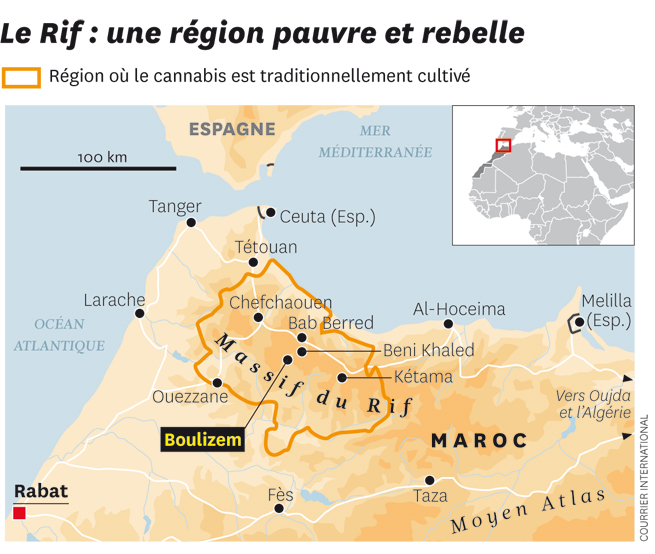
CANNABIS: pour l’OICS (Organe international de contrôle des stupéfiants), le Maroc est le premier producteur de résine en Afrique et démontre une grande compétitivité à l’export

1153-MarocRifCannabis
Le Maroc se situe toujours comme l’une des plaques tournantes du trafic de cannabis mondial, selon l’Organe international de contrôle des stupéfiants
Cannabis: Le Maroc très compétitif à l’export

Au moment où fumer du cannabis est devenu légal à Washington, un nouveau rapport de l’Organe international de contrôle des stupéfiants s’inquiète de la multiplication des nouvelles drogues.

Sur le cannabis, le Maroc garde son avantage compétitif sur les marchés internationaux. Il est toujours le premier producteur de résine en Afrique et l’un des premiers au monde, «même s’il semble que la production y soit en recul», relève l’Organe international de contrôle des stupéfiants (OICS), affilié aux Nations unies dans son rapport 2014 publié le 3 mars.
Sur le terrain, les services de la douane et de la police renforcent les contrôles dans de nombreux points. En début de semaine, ils ont fait avorter à Bab Sebta deux opérations et saisi 82 kg de chira (résine de cannabis). –
°°°°°°°°°°°°°°°°°°°°°°
LIRE AUSSI
°°°°°°°°°°
0000000000000000000000000000000000000000000000000

DROGUES: la grande illusion de la légalisation par Hernando Gómez Buendía

Hernando Gómez Buendía – Razón Pública

« La naïveté qui domine dès que l’on parle de légaliser les drogues sans préciser lesquelles, ni la forme que prendrait cette légalisation, pourrait être contre-productive », estime un universitaire colombien.

« La prohibition n’a fait que plonger les pays producteurs dans un bain de sang et dans les horreurs de la corruption… La guerre contre la drogue a échoué puisqu’on continue à en consommer… C’est le problème des gringos, pas le nôtre… Chacun a le droit de faire ce qu’il veut de son propre corps…” Tels sont les arguments progressistes, nationalistes et relativement en vogue qui courent aujourd’hui sur les lèvres des chefs d’Etat, des analystes et des citoyens lambda appelant à la “légalisation des drogues”. Mais “légaliser les drogues” est une idée si floue qu’elle pourrait ne mener nulle part. Aussi incroyable que cela puisse paraître, personne, pas plus lors des sommets présidentiels que dans le débat qui s’amplifie ces derniers temps, ne s’est attaché à éclaircir trois “détails” pourtant essentiels.

A commencer par la nature exacte de ces “drogues” dont on parle. La liste des substances chimiques altérant le comportement, la perception, le jugement ou les émotions est plutôt longue et assez controversée. Et la liste desdits stupéfiants à laquelle nous nous référons aujourd’hui répond à une classification arbitraire : dans les pays occidentaux sont licites l’alcool, le tabac, les stimulants mineurs et d’autres produits pharmaceutiques (comme la méthadone), ces derniers uniquement sur prescription médicale. Tous les autres stupéfiants, et en particulier ceux qui engendrent une addiction, sont illicites selon les conventions internationales.

Mais chacune des substances actuellement interdites produit (ou paraît produire, car cet aspect-là aussi est controversé) des effets différents sur la santé physique et mentale, s’adresse (ou semble s’adresser) à des consommateurs différents et provient (ou non) de pays différents. De ce fait, légaliser le cannabis, la cocaïne, l’opium ou les amphétamines représente des démarches totalement différentes.

Deuxième “détail” fondamental : il faut préciser la phase du processus dont on parle. Dans le cas des substances d’origine végétale (qui sont le cœur du problème en Amérique latine), il faut distinguer la culture de la coca et du pavot (et, pour le Mexique, celle du cannabis) de la production et de l’exportation de cocaïne et d’héroïne, faire la différence entre vente de drogue et consommation, et distinguer encore le trafic de produits précurseurs [servant à la fabrication des drogues, en amont] et les activités de blanchiment.

Dans le débat actuel, s’agit-il de légaliser la consommation, la production, la vente, la culture, etc. ? Ce n’est pas la même chose que les Etats-Unis autorisent la consommation de cocaïne ou que les cultivateurs du Putumayo [département colombien, dans le sud-ouest du pays] puissent vendre librement leurs récoltes [de feuilles de coca].

Troisième point : l’idée de “légalisation” recouvre des champs très différents : s’agit-il de mettre en place un marché libre ou, à l’inverse, d’instaurer un monopole d’Etat ? Est-il question de supprimer les peines d’emprisonnement pour les remplacer par des thérapies ? D’arrêter les campagnes de fumigation [épandage aérien d’herbicide pour tuer les cultures] au profit de programmes de développement rural ? D’autoriser les médecins à prescrire ? De créer des lieux de ventes réservés ? Bref, de quoi parlons-nous ?

Face à tant de flou, les prohibitionnistes resserrent les rangs autour d’une idée simple : mieux vaut ne rien changer du tout. Et, pendant que le président [de la Colombie], Juan Manuel Santos, évoque timidement l’idée d’“étudier des scénarios” ou que les sorties des présidents Evo Morales [en Bolivie] et Otto Pérez Molina au Guatemala [qui prônent tous deux un changement de politique] sont présentées comme de simples “pantalonnades”, la quasi-totalité des membres de l’ONU (Colombie comprise) s’en tiennent au régime orthodoxe en vigueur.

Dans ce paysage pétrifié, on ne discerne guère que deux ébauches de changement possibles. D’une part, une dépénalisation de la consommation et, éventuellement, des petites cultures de cannabis à usage personnel aux Etats-Unis (comme cela a été proposé en Alaska, au Nevada, dans l’Etat de Washington, dans l’Oregon et, de façon plus notoire, en Californie), voire aussi en Europe. D’autre part, l’extension des programmes de traitement médical et de réduction des risques pour les toxicomanes, comme l’ont fait les Pays-Bas (coffee shops à Amsterdam, délivrance médicale d’héroïne, distribution gratuite de seringues pour lutter contre le sida, etc.).

Ces mesures pourraient peut-être améliorer les choses pour les pays consommateurs – et pour les consommateurs colombiens aussi. Mais elles ne changeraient rien au principal problème de l’Amérique latine : l’exportation de cocaïne et le dilemme tragique entre violence et paralysie de l’Etat qui nous voue à la destruction. Pis, la libéralisation de la drogue aux Etats-Unis ou en Europe risquerait bien d’entraîner une augmentation des exportations latino-américaines, et notre dilemme se ferait plus cruel encore. J’ai donc un message pour les progressistes qui dans notre pays réclament la “légalisation des drogues” : attention au retour de boomerang.

Note :* Philosophe, économiste, avocat et sociologue, très impliqué dans la vie politique et intellectuelle de la Colombie, directeur de la revue en ligne Razón Pública.
000000000000000000000000000000

BELGIQUE: des narcos ont balancé une tonne de cocaïne au large d’Ostende

Pourquoi des narcos ont balancé une tonne de cocaïne au large de la Belgique ce week-end?

Par Pierre Longeray

Près de 960 kilos de cocaïne ont été repêchés ce samedi 28 février au large de la ville côtière belge d’Ostende. La tonne de drogue, saisie par la police, aurait une valeur marchande de 50 millions d’euros. Ces seuls trois derniers mois, ce sont près de 3 tonnes de drogues qui ont été récupérées dans les eaux glaciales de la Mer du Nord qui bordent la Belgique.

Ostende est une ville néerlandophone du royaume de Belgique et qui fait face à la Mer du Nord. C’est à une vingtaine de kilomètres au large de celle-ci que flottaient ce week-end seize sacs de sport.

Un bateau-pilote, chargé d’aider à la navigation des grands navires, qui croisait ce samedi matin dans la zone, a repéré les paquetages et a lancé l’alerte. La police est ensuite venue récupérer la marchandise manifestement larguée ici par des trafiquants. Un remorqueur équipé d’une grue s’est déplacé sur zone pour ramener la tonne de cocaïne hermétiquement emballée au port d’Ostende. L’affaire a été confiée au parquet de Bruges.

Depuis le début de l’année deux saisies du même type ont été effectuées au large de la Belgique — une première de 800 kilos et une seconde de 1 200 kilos. Ce type de saisie, s’il est répété semble pour le moins récent.

Contacté par VICE News ce mardi matin, le parquet de Bruges nous a confirmé que « Les largages de drogue au large des côtes belges semblent être un nouveau phénomène, puisqu’il ne s’agit pas de la première découverte de ce type dans la zone. C’est apparemment une nouvelle manière de travailler pour les narcotrafiquants. »

« La ville d’Ostende est en proie à des problèmes de drogue mais comme partout ailleurs, ni plus, ni moins, » nous précise le parquet belge. « Chaque heure, des porte-conteneurs [et des cargos] passent dans la zone située au large d’Ostende. La police de la navigation est en charge de la surveillance et la police fédérale s’occupe de l’enquête. »

Marc Fiévet est un ex-agent des douanes françaises célèbre pour avoir infiltré parmi les gros réseaux de narcotrafics internationaux. Son expérience et son histoire ont inspiré des livres films et documentaires. Il est l’auteur en autres du livre Dans la peau d’un narco. Il nous explique que « La technique manifestement utilisée ce week-end au large de la Belgique est assez simple. Les colis sont reliés entre eux par une corde en nylon et ils sont jetés par-dessus bord. Un quart d’heure plus tard, un petit bateau vient réceptionner la marchandise pour la ramener à terre. Les radars ne peuvent donc pas voir de rapprochement entre deux navires et donc lancer une surveillance, » explique à VICE News l’ancien agent.

« Cette technique a été maîtrisée par les narcotrafiquants britanniques. Ils laissaient même parfois un homme en mer équipé d’une combinaison et d’une mini-balise pour récupérer la marchandise. Aujourd’hui, ils se servent probablement des mêmes balises utilisées par les pêcheurs pour repérer leurs caisses de homards. Comme on a pu le voir ce week-end, la technique n’est pas infaillible mais c’est une des plus retenues par les narcotrafiquants parce que c’est sans doute la plus sure, » détaille Fiévet.

LIRE sur: https://news.vice.com/fr/article/saisie-ostend-belgique-cocaine

000000000000000000000000000000000000000000000000000000

MAROC: la France décorera prochainement le patron du contre-espionnage marocain

M6 remettant un wissam à Hammouchi (Photo capture d’écran) – demainonline.com

Au royaume du narcotrafic et des narcotrafiquants, Bernard Cazeneuve va décorer une des plus hautes instances!

—————

Lire ou relire:

MAROC: l’une des richesses du roi, c’est le commerce international de la drogue (Narcotrafic).

MAROC – Narcotrafic: complicité de l’armée marocaine avec le narcotrafic dénoncé dans un nouveau livre

Terroristes et trafiquants passent une alliance impie

Avatar de guerresecreteGuerre secrète

La France décorera prochainement le patron du contre-espionnage marocain_1

Le ministre français de l’Intérieur Bernard Cazeneuve, en visite au Maroc, a annoncé samedi que Paris décorerait prochainement le patron du contre-espionnage marocain, visé par une plainte pour « torture » en France, ce qui avait entraîné une crise diplomatique entre les deux pays.

Le Maroc et la France, deux proches alliés, viennent de tourner la page d’une année de brouille née du dépôt d’une plainte à Paris pour « torture » contre Abdellatif Hammouchi. Rabat avait aussitôt suspendu la coopération judiciaire, qui n’a été rétablie que fin janvier, à la faveur d’un accord entre les deux gouvernements.

Alors que la coopération sécuritaire a également été fortement entravée durant cette crise, Bernard Cazeneuve a loué samedi « l’expertise » et « l’efficacité » du Maroc « dans l’échange de renseignements », évoquant « un partenaire clé » de la France « pour assurer sa sécurité ».

« Je veux…

Voir l’article original 382 mots de plus

MAROC-FRANCE: la reprise de la coopération judiciaire permettra-t-elle enfin de poursuivre M6, drug Kingpin, pour narcotrafic ? (On peut rêver, non?)

Avatar de Marc FievetThe international informant

FranceMaroc
Publié le 31-01-2015 Modifié le 31-01-2015 à 18:27

La France et le Maroc reprennent leur coopération judiciaire

media
Le roi du Maroc, Mohammed VI.AFP/Abdhelhak Senna

La France et le Maroc ont annoncé la reprise de leur coopération judiciaire suspendue par Rabat il y a près d’un an. La mesure intervenait en représailles à la convocation par la justice française du chef du renseignement marocain, Abdellatif Hammouchi, en février 2014, pour des faits présumés de torture. Le gel de la coopération a entrainé le blocage de nombreux dossiers judiciaires entre la France et le Maroc, avec des conséquences non négligeables pour les binationaux, et les quelque 60 000 Français résidant dans le royaume.

Conséquence, en matière pénale tout d’abord, les extraditions de prisonniers sont gelées depuis près d’un an. Une dizaine de détenus français avait d’ailleurs observé une grève de la faim cet été, pour…

Voir l’article original 207 mots de plus

NARCOTRAFIC: ou comment obtenir des « indulgences »* pour les dealers?

* : http://fr.wikipedia.org/wiki/Indulgence_%28catholicisme%29

LIRE:

Il existe un lien établi entre les trafiquants de drogues en Amérique latine, dont la Colombie, et les gangs armés dans la région du Sahel.

7764337469_marc-fievet-sur-rtl-le-6-septembre-2013Après le SAC  (http://fr.wikipedia.org/wiki/Service_d%27action_civique), le GAL  (http://fr.wikipedia.org/wiki/Groupes_antiterroristes_de_lib%C3%A9ration) et  l’IRA  (http://fr.wikipedia.org/wiki/Arm%C3%A9e_r%C3%A9publicaine_irlandaise), c’est au tour des groupes islamistes présents dans le Sahel comme AQMI, le MUJAO, Ansar Dine et Boko Haram de « fonctionner » grâce aux profits générés par la cocaïne.

Les groupes terroristes disposent de deux sources principales de financement, explique le président de la CMAIS Mountacir Zian à Magharebia : le trafic de drogues et les enlèvements avec demande de rançons.

Imrane Binoual à Casablanca a contribué à ce reportage pour Magharebia – 12/09/2014

Alors que l’on craint que les combattants de l’État islamique (EI) ne deviennent une source d’inspiration pour les jihadistes hors du Moyen-Orient, les spécialistes lancent une mise en garde : le groupe a donné aux extrémistes de la zone du Sahel-Sahara le courage de s’enhardir.

LIRE:

Terroristes et trafiquants passent une alliance impie.

N’est-ce pas Jean Paul Garcia?

https://i0.wp.com/defense.blogs.lavoixdunord.fr/media/01/01/1985064283.jpg

Jean Paul Garcia, le « boss » de la DNRED

 » Nos activités étant celles d’un service de renseignement, 7 millions en fonctionnement, c’est peu « , grimace Jean-Paul Garcia (photo Sénat). D’autant qu’avec ses 700 agents,  » la DNRED a réalisé plus de la moitié des résultats des 17 000 agents des douanes en matière de lutte contre le trafic des stupéfiants, près de 70 % en matière de tabac « .

Le DNRED précise d’emblée les choses :  » Nos agents ont également vocation à se déplacer à l’étranger mais n’y conduisent jamais d’actions complètement clandestines, agissant toujours sous la couverture d’un service ami ou allié. La DNRED n’est pas un service de police judiciaire aussi son action est-elle purement administrative.

——————————

Anti-terrorisme : ce que signifient ces sigles au cœur de l’actualité

FOCUS – Les attentats perpétrés en France par les frères Kouachi et Amedy Coulibaly ont mis en lumière les failles dans le système de prévention du terrorisme. Metronews fait le point sur les différents sigles dans ce domaine.

Jean-Yves Le Drian et Bernard Cazeneuve ont respectivement autorité sur la DGSE et la DGSI.

Jean-Yves Le Drian et Bernard Cazeneuve ont respectivement autorité sur la DGSE et la DGSI. Photo : JOEL SAGET / POOL / AFP

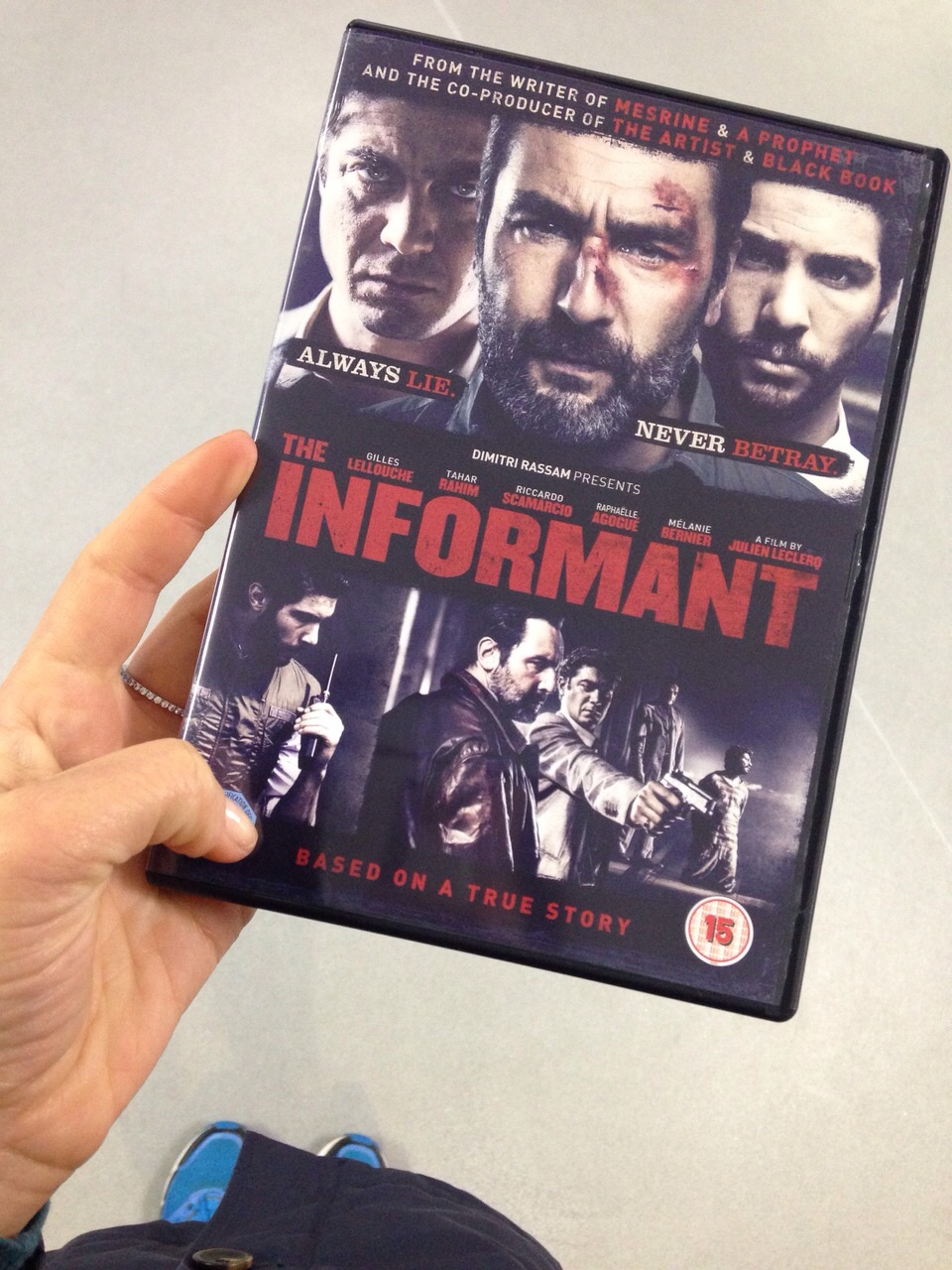
GIBRALTAR…The INFORMANT

When financial pressures escalate, Marc Duval (Gilles Lellouche), a Frenchman expatriated to Gibraltar, becomes a spy for French customs on the nation s border.

Navigating through debase trafficking and shady cargo, he slowly wins the confidence of Claudio Lanfredi (Riccardo Scamarcio), a powerful but dangerous cocaine importer. As Duval becomes further immersed in both the perils and temptations of the drug trafficking underworld he is forced to live on a knife edge, where only his lies can keep him alive. But it is when English customs land to arrest Lanfredi that Duval must take the greatest risk of all, placing his family in the heights of jeopardy. Inspired by true events, the writer of Mesrine and A Prophet brings a hard-hitting, suspense thriller that will make you question the very borders of the land you call home…

Avatar de Marc FievetThe international informant

Dvd disponible sous titré en anglais

image

Voir l’article original

CANADA : vaudeville carcéral pour Pierino Divito, suite logique chez les tartuffes!

PARODIE de Justice à BATHURST – NB Canada
En juin 1998, la Justice canadienne…poursuit Carlos Hernandes Rumbaut et…acquitta ce narcotrafiquant avec l’aide de la GRC/RCMP en octobre !Parodie de justice à Bathurst-NB Canada!
°°°°°°°°°°°°°°°°°°

 Pierino Divito – Photo: La Presse

Pierino Divito... (Photo: La Presse)Une décision pourrait être prise aujourd’hui au sujet de la détention de Pierino Divito, 75 ans, condamné à 18 ans de prison en 1994 pour l’une des plus importantes importations de cocaïne de l’histoire du Canada.

Le dossier du septuagénaire a connu des rebondissements dignes d’un vaudeville, vendredi. À la suite d’une démarche en Cour supérieure de son avocat, Me Clemente Monterosso, les Services correctionnels canadiens auraient accepté de libérer le trafiquant le jour même, mais auraient voulu l’envoyer en maison de transition en raison de conditions qui lui sont toujours imposées.

«Mon client veut habiter chez un membre de sa famille. Il a refusé de signer le formulaire de libération. Il a dit à la directrice: Cela fait 20 ans que je suis en prison. Vous n’allez pas me causer des problèmes pour 20 jours», a raconté à La Presse Me Monterosso, selon qui la sentence de son client prendra fin le 27 mars.

Selon l’avocat, les responsables des Services correctionnels doivent se réunir d’urgence aujourd’hui pour discuter de la situation. «Nous ne pouvons commenter le dossier en raison de la réglementation sur la protection des renseignements personnels», nous a laconiquement répondu leur porte-parole Serge Abergel. Parallèlement à tout ça, Me Monterosso doit de nouveau se présenter devant le juge André Vincent de la Cour supérieure, aujourd’hui.

Le litige provient du fait qu’entre 2005 et 2012, Divito a été emprisonné aux États-Unis pour une autre affaire d’importation de cocaïne en Floride; les autorités carcérales considèrent que ces sept ans ne doivent pas être pris en considération dans sa sentence canadienne de 18 ans.

Pierino Divito a été arrêté en 1994 au Nouveau-Brunswick, en compagnie de son fils Michael, pour avoir tenté d’importer de Colombie, par bateau, 5420 kg de cocaïne évalués à 500 millions de dollars.

Daniel Renaud
La Presse

00000000000000000000000

REMEMBER

La Justice canadienne…ou les tartuffes en action!

La JUSTICE canadienne....

lire: http://marcfievet55.skyrock.com/3180527447-La-JUSTICE-canadienne.html

R. v. Rumbaut, 1998 9816 (NB QB)

1998-10-05

IN THE COURT OF QUEEN’S BENCH OF NEW BRUNSWICK

TRIAL DIVISION

JUDICIAL DISTRICT OF BATHURST

Date: 19981005

Docket: B/M/118/97

BETWEEN:

HER MAJESTY THE QUEEN

-and-.

CARLOS MIGUEL HERNANDEZ RUMBAUT

BEFORE:                                    The Honorable Mr. Justice Alexandre Deschênes

HELD AT:                                    Bathurst, N.B.

DATE OF TRIAL:                        January 26, 27, March 2, 3, 4, 9, 10, 11, 12, 13, May 1, June 2, 3, 4, 5, 8, 10, 15, 16, 17, 18, 19, 22, 23, 24, August 21, 24, 25, 26, 27, 28, 31, September 1, 3,8, 10, 11, 1998.

DATE OF DECISION                 October 5, 1998

APPEARANCES:

Michel J. Bertrand, Esq., and G. Scott Ellsworth, Esq., for the Crown

Scott F. Fowler, Esq., for the accused

[Page 2]

Deschênes, J.:

The accused Carlos Miguel Hernandez Rumbaut is charged as follows:

CARLOS MIGUEL HERNANDEZ RUMBAUT, stands charged that between the 20th day of December, A.D., 1990, and the 22nd day of February, A.D., 1994, both dates inclusive, at or near Shippagan and Lameque, in the County of Gloucester and the Province of New Brunswick, at or near Bouctouche and St-Edouard, in the County of Kent and the Province of New Brunswick, at or near Plaster Rock, in the County of Victoria and the Province of New Brunswick, at or near the City of Moncton, in the County of Westmorland and the Province of New Brunswick, at or near the City of Montreal, in the District of Montreal and Province of Quebec, at or near Shelburne and Province of Nova Scotia, and elsewhere within Canada, he did unlawfully conspire with Pierino DIVITO, Mike DIVITO, Eusébe GAUVIN, Raymond LEBLANC, Roberto SORENTI, Pierre DUGUAY, Jürgen KIRCHHOFF, Marc FIEVET, Claudio LOCATELLI and Alfredo CHIERCHIA, or some one or more of them, and with persons unknown, to import a narcotic into Canada, to wit: Cocaine, contrary to and in violation of Section 5(1) of the Narcotic Control Act, thereby committing an indictable offence contrary to and in violation of Section 465(1)(c) of the Criminal Code of Canada and amendments thereto.

For the purposes of this trial, the accused has made several admissions, the most important being related to the tape recordings containing intercepted private communications and their authorizations.

Exhibit 173 is a large box containing 223 cassettes of intercepted private communications while exhibit 174 contains several binders of the transcription of those intercepted conversations.

[Page 3]

Apart from a few authorizations which were contested but were declared valid, the validity of the authorizations to intercept the private communications was not in issue nor was the fact that the interceptions were carried out in accordance with the authorizations. It was also agreed that the statutory requirements as to notice of intention to produce were met.

With respect to the taped conversations, the accused did not take issue with the integrity, authenticity or accuracy of the tapes, nor their continuity; in fact, the only issue raised by the accused related to the voice identification of one Claudio Pasqual Locatelli (known as Mario), one Marc Fievet and the accused, which, the Crown alleges, is the person identified as Jose Luis on some of the taped conversations.

The Crown produced evidence which clearly identified the voices of Mr. Locatelli and Mr. Fievet on those taped conversations so that the only remaining issue on voice identification was whether or not the voice of Mr. Jose Luis is in fact the voice of the accused. It was also specifically admitted by the accused that all persons shown to be speaking on such transcripts as their names appear are in fact the persons as identified in the transcripts and that the Crown would not have to produce evidence of voice identification.

With respect to the transcripts, the accused agreed that they should be considered as evidence and not simply as an aid to the taped conversations and that all translations from any language to the English language was in fact a correct translation.

[Page 4]

It should also be noted at this time that although the accused did not formally admit that there was a conspiracy to commit an indictable offence as described in the indictment, the accused did concede on several occasions throughout the trial that the admissible evidence to support such a conclusion was overwhelming. In order to reach the only real issue in this case, namely, the identity of the accused Carlos Rumbaut as an offender, I intend to briefly discuss the question relating to the existence of the conspiracy to import cocaine in Canada but, before doing so, it would be wise to outline generally the legal principles I intend to follow in reaching my decision.

THE LAW

  1. a)      The indictment

The indictment filed against the accused has already been recited.

The relevant parts of s. 465 of the Criminal Code read as follows:

« 465(1)      Except where otherwise expressly provided by law, the following provisions apply in respect of conspiracy:

(c)     Everyone who conspires with anyone to commit an indictable offence … is guilty of an indictable offence and liable to the same punishment as that to which an accused who is guilty of that offence would, on conviction, be liable; »

The indictment alleges that the accused conspired to commit the indictable offence of importing into Canada a narcotic, namely cocaine, contrary to s. 5(1) of the

[Page 5]

Narcotics Control Act which prohibits the importation of cocaine into Canada except as authorized by the Act or its regulations.

  1. b)      Elements of the offence

Because there is no definition of conspiracy in the Criminal Code, a common law definition must be used. In R. v Hillier, reflex, (1993) 109 Nfld. & P.E.I.R. 92, Green J. provides a useful summary of the essential elements of the offence of conspiracy:

I take the law to be that a conspiracy, for the purposes of the criminal law, consists of an agreement between or among two or more persons to do an unlawful act or to effect a legal object by unlawful means. It is often said that it is the agreement that is the « gist » of the offence »: Paradis v. R 1933 75 (SCC), [1934] S.C.R. 165 at 168. To establish the actus reus of the offence, therefore, the Crown must prove an agreement as well as the fact that the specific accused is a party to that agreement. The agreement need not be a contract in the commercial sense with proof of offer acceptance and consideration: R. v. Ryan reflex, (1986), 61 Nfld. & P.E.I.R. 338 (NF S.C., T.D.). Accordingly, it is not necessary to show that any particular party benefitted [sic] as a result of, or furnished anything in return for, the assent of the others.

Inasmuch as the act of agreeing involves mental assent there is therefore a mental element inherent in proof of the actus reus. It is the act of agreeing which constitutes the actus reus. It is not therefore sufficient to prove that more than one person had the same or similar intention to commit an unlawful act. There must be an agreement to commit the unlawful act in concert in pursuit of a common goal; « conscious parallelism » is not enough. See R. v. Cotroni; Papalia v. The Queen (1979), 45 C.C.C. (2d) 1 (S.C.C.).

I adopt the following general propositions with respect to the requirements for an agreement in the law of conspiracy, which are set out in Goode, Criminal Conspiracy in Canada (1975) at p. 13:

« First, the mere fact that two persons pursue the same illegal end does not render them conspirators…. Second, there is no requirement that there be any formal agreement, by word

[Page 6]

or deed. Third, the « agreement » may be express or it may be tacit. Fourth, mere knowledge or discussion of, or acquiescence in a plan of criminal conduct is not, of itself, sufficient. Last, there is no requirement that the parties actually physically meet, or perhaps, even know of each others existence. »

The mental element inherent in proof of the actus reus is different from the mental element necessary to establish the mens rea. In R. v. Carrier (1977) 12 Nfld. & P.E.I.R. 189 Gushue, J.A. of the Newfoundland Court of Appeal stated at 191:

« To establish the criminal offence of conspiracy, it must be proved that there were two or more participating parties with a common design to effect the commission of an unlawful act …Intention is also significant, but it must be not merely an intention to agree, but one to put the common design into effect. »

In R. v. O’Brien 1954 42 (SCC), [1954] S.C.R. 666, Rand, J. described the position as follows at 672:

« …in conspiracy, there is not only agreement to do the act proposed signified by words or other means of communication, but also the coexistent intent in each to do it.

Thus, it is possible that a person could voluntarily agree with another to do an act (the intention to agree being essential to establishing the fact of agreement and hence the actus reus) but have no intention to actually carry it out (thereby lacking the mens rea for the offence). There is nothing on the facts of this case to indicate that any of the accused, if they apparently agreed, nevertheless in fact had no intention to carry out the purpose of the conspiracy. Accordingly, in this case, a conclusion that a particular accused in fact agreed to do the illegal acts alleged will carry with it a conclusion that he intended to do those things. The presumption that a person intends the natural consequences of his acts will apply. (End of quotation)

  1. c)      Proof of the conspiracy
  2.    v Carter, (1982) 67 C.C.C. 2d 568 provides a three-stage process in the proof of a conspiracy:

[Page 7]

The trial judge must bear in mind that in order to convict an accused upon a charge of conspiracy the jury, or other trier of fact, must be satisfied beyond a reasonable doubt that the conspiracy alleged in the indictment existed, and that the accused was a member of it. In deciding the issue of membership for the purpose of determining guilt or innocence on the charge contained in the indictment, the hearsay exception may be brought into effect, but only where there is some evidence of the accused’s membership in the conspiracy directly admissible against him without reliance upon the hearsay exception raising the probability of his membership. It is not necessary that the directly admissible evidence be adduced first before any evidence of the acts and declarations of other conspirators may be received. The exigencies of the trial would make a chronological separation of the evidence impossible. At the end of the day, however, before the hearsay exception may apply, such evidence on the threshold issue of membership of the accused in the conspiracy must be present. In charging the jury on this question, the trial judge should instruct them to consider whether on all the evidence they are satisfied beyond a reasonable doubt that the conspiracy charged in the indictment existed. If they are not satisfied, then the accused charged with participation in the conspiracy must be acquitted. If, however, they conclude that a conspiracy as alleged did exist, they must then review the evidence and decide whether, on the basis of the evidence directly receivable against the accused, a probability is raised that he was a member of the conspiracy. If this conclusion is reached, they then become entitled to apply the hearsay exception and consider evidence of the acts and declarations performed and made by the co-conspirators in furtherance of the objects of the conspiracy as evidence against the accused on the issue of his guilt. This evidence, taken with the other evidence, may be sufficient to satisfy the jury beyond a reasonable doubt that the accused was a member of the conspiracy and that he is accordingly guilty. They should be told, however, That this ultimate determination is for them alone and that the mere fact that they have found sufficient evidence directly admissible against the accused to enable them to consider his participation in the conspiracy probable, and to apply the hearsay exception, does not make a conviction automatic. They should be clearly told that it is only after they have become satisfied beyond a reasonable doubt on the whole of the evidence on both issues, that is, the existence of the conspiracy and the accused’s membership in it, that they may convict, and that it is open to them, if they think it right or if they are not satisfied, to acquit the accused, even after reaching their initial determination of probable membership in the conspiracy which enabled the application of the hearsay exception. (pp. 575-576)

[Page 8]

In R. v. Viandante, reflex, (1995) 40 C.R. (4th) 353 at 359, the three-step process is summarized as follows:

1)            The jury must be satisfied beyond a reasonable doubt « on all evidence » that the conspiracy charged in the indictment existed.

2)            They must then review the evidence and decide « on the basis of the evidence directly receivable against the accused » whether the accused was probably a member of the conspiracy.

3)            Finally, the jury can apply the hearsay exception and consider evidence of acts and declarations performed and made by co-conspirators, in furtherance of the conspiracy, to determine, along with other evidence, that the accused was, beyond a reasonable doubt, a member of the conspiracy. (See also comments of McIntyre, J. in R. v Kirchhoff, (1995) 172 N.B.R. 2d 193 at p. 215-216 and of Landry, J. in R. v Shalala, Q.L. Ref.: 1998 N.B.J. # 78 delivered January 28, 1998)

ANALYSIS

The first question to be determined is whether I am satisfied beyond a reasonable doubt « on all the evidence » that the conspiracy charge in the indictment existed. As Green, J. put it in Hillier (supra): « At this stage, I am entitled to examine all relevant admissible evidence, including acts and declarations of alleged co-conspirators, whether or not in furtherance of the alleged conspiracy, to determine, without reference to the identify of the parties involved, whether a conspiracy, in the sense of a combination of two or more persons to do an unlawful act, existed. » To put it differently, at this point, the identity of the conspirators is of no moment and I must consider whether the evidence presented establishes that a conspiracy existed amongst some faceless persons to import cocaine into Canada.

[Page 9]

As mentioned previously, the accused conceded that the evidence establishing the existence of a conspiracy to import cocaine in Canada was overwhelming and it is. Little time will be spent on this aspect of the case for reasons which will become readily apparent.

Although direct evidence of an agreement to commit an unlawful act is rarely available in conspiracy cases, this case is as close as one can get.

Although the perpetration of the substantive offence does not necessarily provide evidence of an alleged conspiracy, I feel the discussion on this issue should start with the seizure made by the R.C.M.P. in Shelburne, Nova Scotia, on February 22, 1994. On that day, the Lady Teri-Anne met with a large vessel of Cypriot registry some 12 miles near the coast of Nova Scotia at 2:00 o’clock in the morning to take possession of some six tons of cocaine valued at more than one billion dollars. Upon its arrival at the Shelburne harbor, the Lady Teri-Anne and its crew were arrested and the cocaine seized.

The conversations between the crew of the Lady Teri-Anne and certain crew members of the Pacifico made it quite clear that the two vessels were meeting at a pre-arranged destination for an unlawful purpose. Surveillance evidence (exhibit 209) and the subsequent seizure of the cocaine and other items, as well as the items seized on board the Pacifico, established that the unlawful purpose was the importation of a large amount of cocaine originating from South America. The intercepted communications between François Gauvin, Eusèbe Gauvin, Raymond LeBlanc, Pierino Divito, Mike

[Page 10]

Divito, Roberto Sorenti, and Alfredo Chierchia reveal that the New Brunswick group was recruited by a Montreal group to do the legwork in retrieving the large amount of cocaine. The New Brunswick group was responsible for the rental of the equipment and required vessel to make the rendezvous possible, a rendezvous which was being organized by a Montreal group headed by one Pierino Divito who, in turn, was dealing with a group from overseas headed by one Claudio Locatelli and Marc Fievet. In fact, a consideration of conversations contained in tapes # 169 to 218 alone casts the net of conspiracy on all the speakers thereon.

As early as May 1993, taped conversations between the Montreal group themselves as well as the New Brunswick group, coupled with the surveillance being effected by the R.C.M.P. made it abundantly clear to the authorities that the Montreal group, with the concert of a group from overseas were arranging to import cocaine in Canada and that the targeted area for the importation was the north shore of New Brunswick, a task to be made possible with the help of several residents of the Acadian Peninsula.

In order to bring this agreement to import cocaine to fruition, one Kirchhoff purchased a large vessel for a sum exceeding two million dollars; all indications are that it was financed, it appears, by one Marc Fievet.

Raymond LeBlanc, who was working with the New Brunswick group, flew overseas in November 1993 and boarded the Pacifico, whose captain was Kirchhoff,

[Page 11]

obviously to ensure the orderly transshipment of drugs from the Pacifico onto the Lady Teri-Anne and on to the shore of a location free of ice, namely Shelburne, Nova Scotia.

While overseas accompanying Mr. Kirchhoff and the Pacifico, Raymond LeBlanc made telephone contacts with Mr. Pierino Divito and Mr. Claudio Locatelli on February 8, 1994. There is almost nothing concealed in that conversation in the sense that the speakers are exchanging information on an area in international waters where the narcotics are going to be picked up by the Pacifico. In fact, some four or five days later, the narcotics were dropped into the sea near the Pacifico and intercepts of private conversations between Locatelli and Marc Fievet are revealing as to some of the problems encountered by the Pacifico in retrieving the narcotics because of bad weather. In any event, the Pacifico made it to its rendezvous with the Lady Teri-Anne and the unloading took place.

In considering the evidence as a whole, I am satisfied beyond a reasonable doubt that a conspiracy as charged in the indictment did take place.

I base my conclusion here on the insurmountable inferences which must be drawn from the hundreds of telephone conversations between members of several groups from May 1993 up to February 22, 1994 which, when considered together along with the surveillance evidence introduced by consent, clearly indicate that an agreement existed between more than two people to engage in the importation of cocaine in Canada. The nature and tenor of most, if not all, of those conversations involving all these persons show that their activities were undertaken in ways to avoid detection by the authorities.

[Page 12]

Viewed in their totality and taking into account the relationship between certain persons in terms of time and reasons for the contacts, the evidence as a whole does not admit of any other rational conclusion but that a conspiracy existed amongst a large group of persons to import cocaine in Canada. Different persons and different groups played different roles but, as Green J. put it in Hillier (supra), « what is clear is that all were knowledgeable of the intentions and general roles of the others and provided assistance to each other to further the common understood purpose ».

During the trial, the accused agreed to the identity of the unindicted co-conspirators (except for Fievet and Locatelli) named in the indictment so as to eliminate the necessity for the Crown to call voice identification evidence. Fievet and Locatelli were clearly and unequivocally identified on the taped conversations by police officers who had developed a familiarity with their voices through extensive personal contact with both of them. In terms of membership of such unindicted co-conspirators in this conspiracy, the Court is quite satisfied that all of them were in fact probable members of this conspiracy to import cocaine in Canada. Fievet and Locatelli had important roles to play in terms of financing the huge operation and in the overall planning internationally while Kirchhoff was the captain of the Pacifico who agreed to transport the drugs. The Divitos appeared to head the Canadian/Montreal group responsible to organize the manpower to put the plan in operation with the help of Sorenti and Chierchia while the Gauvins, Raymond LeBlanc and Pierre Duguay formed the New Brunswick group who agreed to do the legwork necessary to assure the pickup at sea and delivery of the drugs on Canadian soil.

[Page 13]

There were other participants such as one unknown called « Pipe », another « Mario » (not Locatelli) and one Jose Luis whom the Crown alleges is the accused.

It should be noted here that if this Court should be called upon to consider the acts and declarations of any co-conspirators as evidence to convict the accused, the Court would only do so after connecting the co-conspirators with the conspiracy on the basis of evidence directly admissible against the unindicted co-conspirators in question.

  1. c)      Probable membership in this conspiracy

As mentioned previously, this Court is satisfied that all named unindicted co-conspirators referred to in the indictment were in fact members of the conspiracy as alleged.

The accused, however, takes issue with the Crown’s allegation that he was a member of that conspiracy and has put the Crown to the task of proving his identity as an offender. In essence, that is probably the most important issue to be resolved here because, as should be readily apparent, if the Court is not satisfied by a preponderance of evidence that the accused was probably a member of this conspiracy to import cocaine in Canada, the Court is not entitled to consider any other evidence that might be otherwise admissible under the co-conspirator’s exception to the hearsay rule. If the Court should arrive at that conclusion (i.e. that the evidence on voice identification falls short of proving that the voice of Jose Luis is that of the accused), the Court could not make any

[Page 14]

use of declarations of the speaker referred to as Jose Luis in the taped conversations nor of the acts or declarations of the other co-conspirators.

At the second stage, I must consider the issue of the accused Rumbaut’s probable membership in this conspiracy on an individual basis without reliance on or reference to any evidence that might otherwise be receivable pursuant to the co-conspirator’s exception to the hearsay rule. I can only rely upon acts or declarations or statements directly admissible against the accused. In doing so, however, I am entitled « to view that conduct or those statements in the context in which they occurred, including the actions of the other alleged co-conspirators: R. v Filiault & Kane reflex, (1981) 63 C.C.C. (2d) 321 (Ont. C.A.), affirmed reflex, (1984), 15 C.C.C. (3d) 352 (S.C.C.) »… so that the actions and declarations of the other alleged co-conspirators, while not admissible directly against a particular accused, can be relied upon as providing a context or background against which the acts and declarations of the accused himself can be interpreted. » (See Hillier (supra), p. 116)

At this point in time, it would be wise to recall that I must consider the acts and declarations directly admissible against the accused on the issue of his probable membership in this conspiracy. Of course, I am not allowed to consider any of the declarations of Jose Luis until such time as I am satisfied that Jose Luis is in fact the accused.

What then are the acts, taken in their proper context, directly admissible against the accused on the issue of probable membership?

[Page 15]

On this issue, the Crown has produced considerable evidence of surveillance done in the Montreal area from at least nine R.C.M.P. officers such as Martel, Côté, Hamelin, Benoit, Monfette, Laporte, Lapointe, Raté and O’Bertin. One after the other, they established that the accused was in Montreal between February 7, 1994 up to February 18, 1994 and that during that time, he was seen on numerous occasions in the company of other co-conspirators such as Locatelli, the Devitos and Roberto Sorenti. He was seen with them driving around Montreal, in the lobby of the Sheraton, the Four Seasons and the Meridien hotels, in several restaurants and at a cardiology centre where, presumably, Pierino Divito was confined with a heart problem. The accused was even seen entering a hotel room occupied by Locatelli once or twice, a room where the phone had been wiretapped.

The evidence also suggests that the accused entered and left Venezuela in late January 1994 when the Pacifico, Mr. Kirchhoff and Mr. LeBlanc were presumably there, although there is no evidence that a meeting took place between the individuals concerned.

The Crown also produced evidence that upon his arrest in Switzerland in the fall of 1996, the accused had in his possession a passport (exhibit # 226) and another document (exhibit # 225) which confirm his National Identification Number, his address, his place of birth, and the particulars of his vehicle. This evidence, as will be seen later, relate much more to the issue of voice identification or the identity of the accused as the

[Page 16]

offender, and it is only in that context that it has relevance to the issue of the accused’s probable membership in this conspiracy.

The Crown’s main contention with respect to the evidence of acts directly admissible against the accused in its proper context is that the accused was probably a member of this conspiracy by reason of his association with the co-conspirators who were, during that time, putting everything in motion to ensure that this importation scheme was brought to a successful conclusion. The co-conspirators were meeting and they were on the phone, and the accused was with them or in close proximity to them.

This was a clear invitation by the Crown to have the Court decide the accused’s probable membership in this conspiracy on the basis of his presence or association with several co-conspirators at a time and under circumstances when the co-conspirators were probably very busy putting everything in motion for the importation of this large amount of cocaine which was about to take place very shortly. The Court was, in essence, being asked to infer that, by reason of his association with co-conspirators, the accused was probably acting in concert with the others in the agreement or conspiracy to import cocaine in Canada.

With respect, I cannot make such inferences.

There is no evidence whatsoever here, at this point, that the accused became a party to this conspiracy nor any evidence that he, by word or deed, acting alone or in association with others, participated in or assisted the objects of the conspiracy. Other

[Page 17]

than the fact of his association with some of the co-conspirators in Montreal, there is no evidence whatsoever that the accused was, in any way, in any of the affairs of the conspiracy or that, while in Montreal or in Venezuela, he did any act or said anything in relation to the matters with which he is charged.

In my view, there is nothing in the evidence being considered up to this point to support the inference that the accused was concerned in the affairs of a conspiracy to import cocaine in Canada.

It is trite law that a person’s mere association with conspirators during the currency of a conspiracy does not raise a prima facie case that the person was himself a party to the conspiracy. (R. v Harris, (1947) 89 C.C.C. 231 (Ont. C.A.)).

The evidence produced here simply does not support the inference sought by the Crown, namely that the accused was aware of the planned importation and that he agreed to assist it.

The circumstances surrounding the association of Mr. Rumbaut with Locatelli, Sorenti and the Divitos may be highly suspicious but fall woefully short of proof of involvement even on a balance of probabilities.

But what about the words or utterances or declarations of the accused as evidence directly admissible against him on the issue of probable membership? As mentioned previously, I cannot at this stage consider the declarations of one Jose Luis on several

[Page 18]

taped conversations as evidence of declarations of the accused until I am satisfied that Jose Luis is in fact the accused. I must now deal with the issue of voice identification.

VOICE IDENTIFICATION ISSUE

As a start, one should note that the Crown must prove the identity of the accused as the offender beyond a reasonable doubt; considering my ruling with respect to acts of the accused directly admissible against him, it is obvious that if the Crown is not successful in convincing this Court that the voice of Jose Luis is the voice of the accused, it will undoubtedly suffer a serious blow in proving its case against the accused. That is not to say, however, that the Crown must convince me beyond a reasonable doubt that the voice of Jose Luis is the voice of the accused. As any other individual item of evidence which goes to the identity of the accused and which constitutes the Crown’s case, the standard of proof on voice identification is proof by a preponderance of evidence. At the end of the day, however, it will be incumbent upon the Court, when considering the evidence on voice identification along with the evidence as a whole, to find guilt only if it is satisfied beyond a reasonable doubt of the identity of the accused as the offender. For example, in some cases, the voice identification evidence may not carry much weight for many reasons but other circumstantial evidence may well be sufficient to convince the Court beyond a reasonable doubt that the voice on a taped conversation is indeed that of the accused and that the identity of the accused as the offender has been proven. On the other hand, it is also conceivable that in an appropriate case, a court could be satisfied on a balance of probabilities that a voice on a taped conversation is that

[Page 19]

of the accused but not so convinced beyond a reasonable doubt on the issue of the identity of the accused as the offender upon considering the evidence in its entirety.

  1. i)      The law

The general principles which govern the law on voice identification are relatively simple and are summarized in MacFarlane, Frater and Proulx’s Drug Offences in Canada (3d Ed.) ch. 21, par. 21.1620 as follows: (I will leave out references to case law and textbooks)

21.1620   There are a number of methods by which the parties to a private communication may be identified. They include the following:

(a)         A lay witness who is familiar with the voice of the accused is entitled to express an opinion as to the identity of the parties to a private communication: … even where the witness heard the tapes before listening to the person.

(b)         Evidence arising from the tapes themselves (such as the use of names, addresses, events, etc. which tend to identify the speaker).

(c)         Physical surveillance which was simultaneous to the interception of the private communications (for instance, where the evidence establishes that there was only one person in the residence being « tapped »).

(d)         Direct evidence, i.e., someone who can testify that he or she was personally with and observed the accused at the time that the accused was engaged in the private communication.

(e)         Voice prints (more properly called spectrographic analysis).

It is important to note at the outset that this is not the usual case of voice identification where a lay witness, albeit a police officer, identifies a voice on a tape

[Page 20]

recording as being the voice of the accused on the basis of the witness’ familiarity with the voice of the accused through personal contacts with the accused. On the contrary, police officer Llamas, the main Crown witness on the issue of voice identification, never spoke to the accused prior to giving his evidence at this trial. He did, however, listen in on numerous live telephone conversations of a person he believed was the accused, conversations which were being wiretapped in Spain in 1994 and conversations of the same person which he has since then listened to on numerous occasions as reproduced on the Spanish tapes.

In effect, Cst. Llamas « familiarized » himself with a voice which he believes is the voice of the accused but he has never spoken with the accused. He then listened in open court to the voice of one Jose Luis reproduced on tape recordings which were obtained in Canada through wiretaps in the Montreal area. His evidence was that the voice of Jose Luis on the Canadian tapes was the same voice which he believes is the voice of the accused with which he became familiar by the methods already described.

Llamas’ belief that the voice he familiarized himself with was the voice of the accused Rumbaut, not being based upon personal familiarity with the accused’s voice, was grounded entirely upon circumstantial evidence. It is therefore necessary for the Court to take a close look, from an objective standpoint, at the admissible circumstantial evidence to determine if such evidence is sufficient to allow this Court to reasonably infer that the voice with which Mr. Llamas familiarized himself is in fact the voice of the accused. Of course, if the Court is not satisfied that the voice with which Mr. Llamas familiarized himself in Spain is in fact the voice of the accused, the evidence of Mr.

[Page 21]

Llamas that the voice of Jose Luis is the same voice with which he is so familiar is of no moment and of no relevance.

The circumstantial evidence adduced by the Crown upon which the Crown relies to convince the Court that the voice which Officer Llamas is « familiar » with is the voice of the accused can be summarized as follows:

  1. In the context of an international drug investigation, the Spanish authorities were asked by the English authorities to investigate a certain telephone number which the latter believed had some connection with one Carlos Miguel Hernandez Rumbaut. The phone number was provided to the Spanish National Telephone Company in order to obtain the name and address of the person to whom the number « belonged ». Llamas testified that he was informed by the phone company that the phone number was registered to a female named Romanillos who resided at 40 Sextante Street, Aravaca, Madrid. (Aravaca address)
  2. With that information, the Spanish authorities commenced surveillance around the Aravaca residence and wiretapped its phone in July 1994. It became obvious after a while that the person they thought would be residing there did not live there at all. In fact, the accused was never seen around the place. Before the wiretaps were ended however, Llamas testified that the person he believed was the accused’s son made a call to a particular number and talked to a person he believed was the accused. Llamas testified that he determined that he was « intercepting one Carlos Hernandez Rumbaut by hearing conversation of one Mrs. Paloma Osona and some children as well as Mr.

[Page 22]

Rumbaut and family members who called periodically » at the Aravaca address and that « he identified Mr. Rumbaut’s voice for the first time in a conversation he had with his son and after that as a result of the characteristic tones of his voice » (those are the exact words used by Officer Llamas at the trial of this action). Llamas also testified that he concluded that the son was talking to his father Mr. Rumbaut because the son referred to him as « Papa » and further testified that the son was residing at the Aravaca address but not Mr. Rumbaut.

  1.          Llamas then used the number the « son » had been calling and went to the phone company again. They informed him that the phone was registered in the name of a person who was not Carlos Rumbaut and that the phone number related to an address known as Donoso Cortes, number 45, apartment 301 in Madrid (the Cortes address). After receiving that information, the surveillance team set out to determine if that was where the accused resided and obtained a wiretap order.
  2.          Llamas testified that he recognized the same voice which he had intercepted at the Aravaca address, namely a voice which he believed was that of Carlos Hernandez Rumbaut. He said he listened to as much as 200 conversations emanating from that phone at the Cortes address and specifically remembered that on one of them one of the speakers was identified as Carlos.

He also testified that on October 17, 1994 and November 22, 1994, while he was listening to live conversations of Mr. Rumbaut, he was in contact with his surveillance team around the Cortes address and advised them to keep a lookout as he believed Mr.

[Page 23]

Rumbaut would be exiting the building. As it turns out, Officer Aranda, who was a member of that surveillance team, testified that on those same dates, he had in fact observed the accused come out of the front door at 45 Cortes.

  1.    Llamas also testified that he had consulted data banks over which the Spanish police have control as well as municipal records which confirmed the same national identification number (D.N.I.) for the accused as the one referred to on a document found in the accused’s possession when he was arrested in Switzerland in September 1996 as well as on the accused’s passport. He also confirmed (along with Officer Aranda) that the accused’s reference to a particular license plate of a Mercedes Benz on a document found in his possession coincided with the license plate number of a Mercedes Benz parked in parking place number 301 at the Cortes address.

Before commenting on Officer Llamas’ evidence in which he compared Jose Luis’ voice with the « familiar » voice he heard and taped in Spain, I wish to comment on the quality and admissibility of the circumstantial evidence adduced by the Crown in light of the hearsay rule of evidence and lack of evidence on certain aspects of the case.

With respect to the quality of the circumstantial evidence adduced, it is my view that generally speaking it was unreliable and untrustworthy. Both Officers Llamas and Aranda took the witness stand without a single note to backup any of their testimony and without any portions of the Spanish tapes upon which Officer Llamas had relied, in some measure, to become familiar with the voice he contends is the voice of the accused. Most of the evidence consisted of assertions made by Mr. Llamas which could not effectively

[Page 24]

be challenged by the accused because no factual background upon which the witness relied was produced. As an example, Llamas testified that his conviction that the voice he was familiarizing himself with was the accused’s voice was grounded, in large measure, on discussions between the accused and members of the accused’s family on taped conversations. There was not a piece of evidence to prove that the accused even had a family nor a single tape produced to allow the accused to challenge the facts which apparently allowed Llamas to conclude that he was in fact familiarizing himself with the accused’s voice. Because of the absence of taped conversations from Spain, it was also impossible for the accused and indeed the fact finder to verify if, in fact, one of the speakers on a particular tape had mentioned the word « Carlos » or if indeed the speaker which owned the « familiar » voice had a strong South American accent or used the same expressions as Jose Luis consistently did. None of this could be challenged nor verified as to its accuracy. The same comments apply with respect to Llamas’ evidence with respect to his actions and those of Officer Aranda on October 17 and November 22, 1994. The scenario depicted appeared to be embellished to establish a connection between the person Llamas was listening to and the person Officer Aranda saw coming out of the Cortes apartment building on the same dates. None of this factual background could effectively be verified and one must wonder why, in a period of over six months of surveillance, no one ever saw the accused either entering apartment 301 and coming out of apartment 301. After all, 45 Cortes was a large apartment building which housed between 50 to 100 apartments.

A considerable amount of the evidence adduced was hearsay evidence and inadmissible to prove the truth of the contents thereof:

[Page 25]

  1.          The evidence that the English authorities believe that the telephone number they were providing to the Spanish authorities was somehow related to the accused is hearsay evidence and not admissible to prove that such number was in fact related to the accused.
  2.          The information provided to Llamas by the phone company to the effect that the phone number was registered in the name of a specified person living at the Aravaca address is hearsay evidence and cannot be used as presented to prove its contents.
  3.          Officer Llamas’ evidence that he believed that the accused was in fact speaking with his son at one point and that such conversations were basically the starting point of his belief that the person was in fact the accused is a groundless statement as there is no admissible evidence before this Court that Mr. Rumbaut had a son or a wife or a daughter.
  4.          The information provided to Llamas that the phone number dialed by the accused’s son was registered in the name of a specific person and was related to the 45 Cortes address is hearsay evidence and inadmissible when presented with a view to proving the truth of the information provided by the phone company.

This is also an appropriate time to briefly discuss some weaknesses with respect to the evidence found in the possession of the accused in Switzerland to establish a connection between the accused and the person Officer Llamas believed to be the accused. The weakness of that circumstantial evidence (i.e. for example the address in

[Page 26]

the passport referring to the Aravaca address) becomes obvious when one considers that because of the hearsay rule, there is no admissible evidence before this Court that the wiretapped phone number was in fact a phone located at the Aravaca address, nor is there, for that matter, any admissible evidence before this Court to establish that the phone number presumably dialed by the « son » of the accused was in fact the number of a phone located at the Cortes apartment building, apartment 301, where presumably the accused resided and, as alleged, was using the wiretapped phone located therein consistently.

If one eliminates the inadmissible hearsay evidence and the unreliable evidence from the evidence to be considered on the issue of whether or not sufficient evidence was produced on a balance of probabilities to establish that the voice with which Officer Llamas familiarized himself with was in fact the voice of the accused, it is this Court’s view that the Crown has failed at the task. Briefly put, this Court is of the view that Officer Llamas’ assertions that the voice he intercepted and familiarized himself with at the Aravaca address and the Cortes address are simply not grounded upon sufficient reliable, verifiable or admissible evidence and are therefore deprived of the degree of trustworthiness necessary for this Court to accept such assertions. In the Court’s view, the admissible and reliable evidence left to be considered on this issue falls short of establishing that which the Crown sought to establish.

Apart from the difficulties just identified, there are other major difficulties with the Crown’s evidence on voice identification even assuming for the purposes of this

[Page 27]

discussion that I accept that the voice which Officer Llamas familiarized himself with in Spain was in fact the voice of the accused.

Llamas testified that he gained familiarity with the accused’s voice by listening to numerous live conversations and their reproduction on numerous tape recordings. He referred to some characteristics or peculiarities with respect to that voice. In particular, he said that the person speaking had a strong or heavy South American accent and not the typical Spanish accent and that he would very often end his sentences by the expression « O.K. » or « Okay » and used expressions habitually used by South Americans. The taped conversations resulting from the Canadian wiretaps on which Jose Luis is speaking were all played for him in court and, at every occasion, he identified the voice of Jose Luis as the same voice with which he was familiar, namely the voice contained on the Spanish tapes. Yet, as mentioned before, Mr. Llamas did not have with him any of the tapes or copies thereof as they related specifically to that voice so as to allow the fact finder or indeed the accused to verify for themselves Mr. Llamas’ assertions that the voice of Jose Luis was the same voice as the one heard and recorded in Spain or at least contained some of the characteristics on which Mr. Llamas was relying to make his assertions. Mr. Llamas tried to justify the absence of any background material or tapes as a backup for his assertions on the ground that the Spanish authorities were still involved in an investigation and that to produce such material could jeopardize an ongoing investigation. The Court does not accept that evidence as it fails to see the logic of it. Surely, some of the tapes involving the familiar voice could have been produced without jeopardizing anyone or anything.

[Page 28]

The facts are, in addition, that Canadian authorities never took any measures whatsoever, at any time, to obtain such material (i.e. documentary evidence with respect to plate number, D.N.I. numbers or the taped conversations which contained excerpts of this « familiar » voice). On the whole, the evidence did not really establish that the bringing into Canada of such material could in any way jeopardize an ongoing investigation in Spain.

The frailty of the voice identification evidence was also exposed to a certain degree while Mr. Llamas was listening to the Canadian interceptions with a view to establishing that the voice of one Jose Luis was the same voice with which he was « familiar », namely that of the accused.

Mr. Llamas had just been asked to advise the Court when he felt he heard a voice he could identify. When tape # 138 (Exhibit # 173) was played (See Volume 13, tab 138 in Exhibit # 174), Mr. Llamas listened very carefully to the speakers. He was not following a transcribed version of the conversations which was between four persons, namely two identified males, one Mario (identified clearly as Claudio Locatelli by another witness during the trial) and Jose Luis. After listening to the conversation for a short while, Mr. Llamas recognized a voice with which he was familiar when the speaker said, « Si, si, si, muy temprano ». The speaker’s voice, as it turns out, was not that of Jose Luis at all but that of one Claudio Locatelli (Mario). The error, although isolated and not fatal per say, clearly illustrates the dangers associated with identifying a person by identifying a voice.

[Page 29]

For all those reasons, the Court is of the view that there is insufficient reliable and admissible evidence from which a trier of facts can reasonably find that the voice of Jose Luis is the voice of the accused. This, of course, means that the Court cannot consider the declarations of Jose Luis as the declarations of the accused directly admissible against the accused on a question of the probable membership of the accused in the conspiracy alleged in the indictment.

Considering my ruling on the voice identification issue, what then are the acts and declarations directly admissible against the accused on the issue of his probable membership in this conspiracy? As mentioned previously and for the reasons elaborated, I cannot take into account any of the declarations, utterances or statements of one Jose Luis on any of the tape recordings entered as evidence in this case. In addition, I have already commented on the weaknesses of the circumstantial evidence related to the acts or conduct of the accused which were directly admissible against him on the issue of probable membership. In essence, I came to the conclusion that taken in their proper context, the accused’s acts or conduct may certainly raise suspicions but were not sufficiently probative to convince this Court, on a balance of probabilities, that the accused was a probable member of this conspiracy. The Crown has failed to prove probable membership of the accused in the alleged conspiracy.

My conclusion that the Crown has failed to prove probable membership of the accused is, of course, fatal to the Crown’s case and means that the accused must be acquitted of the charge laid against him; a verdict of acquittal is hereby entered.

[Page 30]

In closing, however, I wish to add that even if I had concluded that the accused was a probable member of this conspiracy, I am far from being convinced that the Crown would have succeeded in establishing the identity of the accused as the offender beyond a reasonable doubt. At the end of the day, looking at the evidence in its entirety, the Court would still have to be convinced beyond a reasonable doubt that the accused’s identity as a conspirator was proven by the Crown. In this Court’s view, the admissible evidence adduced by the Crown on the issue of the accused’s identity alone would have fallen woefully short of establishing identity beyond a reasonable doubt.

[S]                                                     

Alexandre Deschênes, J.C.Q.B.

Bathurst, N.B.

October 5, 1998

SOURCE:http://caselaw.canada.globe24h.com/0/0/new-brunswick/court-of-queen-s-bench-of-new-brunswick/1998/10/05/r-v-rumbaut-1998-9816-nb-qb.shtml

0000000000000000000000000

La juge d’instruction parisienne, Sophie Clément a rendu le 16 mai un non-lieu explosif.

Lu dans « Le Parisien » du 23 mai 2006

LES FAITS DIVERS
Drogue

Marc Fievet contre-attaque

LA SITUATION est ubuesque, condamné au Canada à la prison à perpétuité pour trafic de drogue avant d être transféré en France, où sa peine a été « réduite » en 1999 à vingt ans de prison, Marc Fiévet, aviseur des douanes (NDLR indicateur) vient d’être « blanchi » par la justice française. l’agent NS55, soupçonné d’avoir importé plusieurs tonnes de cocaïne en Grande-Bretagne et au Canada, avait déposé plainte contre son administration pour « complicité de trafic de stupéfiants » et « subornation de témoin». Considéré comme l’un des meilleurs aviseurs de toute sa génération, adoubé par Michel Charasse, alors ministre du Budget, il assure avoir été « lâché » par l’Etat français.

La justice en désaccord avec l’administration

La juge d’instruction parisienne, Sophie Clément a rendu le 16 mai un non-lieu explosif: elle assure qu’il n’y a pas lieu de poursuivre quiconque pour complicité de trafic de drogue car « les investigations entreprises, les auditions réalisées,. l’étude des documents figurant en procédure, ne permettent pas de caractériser à l’encontre de Marc Fiévet les faits de trafic de stupéfiants ». Elle estime, par ailleurs,, qu’il n’y a pas lieu non plus de poursuivre pour « subornation de témoins » le personnel des douanes, qui avait convaincu l’agent de plaider coupable dans le but d’obtenir une libération rapide après son transfert en France, car il ne pouvait imaginer que cet engagement ne serait pas suivi d’effet après l’arrivée- du nouveau directeur des douanes ».
Marc Fiévet qui’ a passé douze ans en prison, dont huit en France, estime que les douanes ne l’ont pas « couvert » lors de son arrestation. L’administration assure, elle, que l’agent NS55 aurait caché des opérations « intermédiaires ». Une version démentie par l’instruction. L’ancien directeur de la Direction nationale du renseignement et des enquêtes douanières (DNRED), Jean Hoquet, a affirmé à la juge qu’il n’avait «jamais entendu la DNRED dire que ce dernier avait tenté de faire du trafic pour son propre compte ». Il confirme que plusieurs responsables des douanes sont allés rendre visite à Marc Fiévet en Espagne, puis en-Angleterre et au Canada : « On lui a dit de plaider coupable et qu’ensuite on le ferait rapatrier en France pour arranger les affaires », assure le haut fonctionnaire.
Cependant, M. Hoquet assure qu’il s’est passé ensuite « quelque chose de tout à fait inhabituel » : le nouveau directeur général des douanes, qui ne connaissait pas l’affaire, devait intervenir auprès du ministre des Finances, qui devait lui même avertir le ministère de la Justice pour tenter d’obtenir – via le parquet – sa remise en liberté. « Une peine symbolique, comme par exemple cinq ans avec sursis », précise l’ex patron de la DNRED. Une promesse faite à l’agent infiltré qui n’a jamais été tenue.
La situation a scandalisé M. Hoguet : « Si je suis sorti de ma réserve, ç’est que je trouve inadmissible ce qui s’est passé (…). Cest la première fois que je rencontre un tel comportement qui fait que la continuité de l’Etat n’est pas assurée ou assumée ». L’avocat de l’aviseur, Me Christophe Pech de Laclause, entend bien s’appuyer sur cette ordonnance pour relancer la procédure de révision du procès au Canada et engager la responsabilité de l’Etat français. Pendant ce temps, les tracas se poursuivent pour Fiévet libéré- le 26 mai 2005, il est « conditionnable » jusqu’en 2013: Le parquet vient de lui interdire de rendre visite à sa famille à Malaga. Il considère en effet que le sud de l’Espagne est une région où prospèrent les trafiquants de drogue…

CHRISTOPHE DUBOIS

0000000000000000000000000000000000000000000