AVISEUR INTERNATIONAL

Aviseur International renseigne, sans complaisance, sur la problématique de la drogue, du narcotrafic, de la corruption et sur les politiques mises en œuvre par les différents Etats et les dérives que s'autorisent les fonctionnaires des administrations — aviseurinternational@proton.me — 33 (0) 6 84 30 31 81

AVISEUR INTERNATIONAL

DEA – SAN FRANCISCO NEWS: Six Sacramento Area Residents Indicted for Trafficking in Methamphetamine and Heroin

AUG 28 (SACRAMENTO, Calif.) –A federal grand jury returned a 17-count indictment today against Kenneth Tam, 53; Gerald Osborne, 56; Sherlynn Charles, 52; Marco Antonio Borja, 38; Adalberto Valenzuela-Ruiz, 30; and Nelson Gutierrez, 26, charging them with conspiracy to distribute and to possess with the intent to distribute methamphetamine and heroin, and possession and distribution of methamphetamine and heroin.

According to court documents, in January 2014, a seven-month investigation began after law enforcement received reports that Tam was trafficking large amounts of methamphetamine and heroin throughout Sacramento, Yolo, and El Dorado Counties. Tam acquired large amounts of methamphetamine from Borja, Valenzuela-Ruiz, and Gutierrez, as well as heroin from other sources, and used sub-dealers, including Osborne and Charles, to distribute those drugs on his behalf. Through controlled purchases, searches, and other law enforcement activity, investigators seized over nine pounds of methamphetamine and nearly two pounds of heroin.

This case is the product of an investigation by the Drug Enforcement Administration. Assistant United States Attorney Michael D. McCoy is prosecuting the case.

If convicted, Kenneth Tam and Gerald Osborne face sentences of 20 years to life in prison and a $20 million fine. The four remaining defendants each face 10 years to life in prison and a $10 million fine. Any sentence, however, would be determined at the discretion of the court after consideration of any applicable statutory factors and the Federal Sentencing Guidelines, which take into account a number of variables. The charges are only allegations; the defendants are presumed innocent until and unless proven guilty beyond a reasonable doubt.

SOURCE: http://www.justice.gov/dea/divisions/sf/2014/sf082814.shtml

000000000000000000000000000000

US DEA helps China Make $7m Cocaine Bust in Shanghai

Chinese cocaine shipping container Shanghai DEAUmberto Bacchi

By

August 29, 2014 13:18 BST
Chinese police seized 70kg of cocaine hidden in a shipping container in Shanghai(AFP PHOTO/Peter PARKS)

US and Chinese police forces cooperated to make the single largest drug bust in China’s recent history, Beijing said.

Acting on a tip-off by US Drug Enforcement Administration (DEA) officials, Chinese security forces seized 70kg of cocaine that had been smuggled to Shanghai from South America, the Ministry of Public Security said.

In August, the DEA informed its Chinese counterparts of a suspect shipping container coming from Peru via Mexico.

US officials said that analysis of phone messages and emails of a murdered Mexican drug cartel member suggested the cargo was to transit from Shanghai, where it was to be loaded on another ship bound to New Zealand.

As the ship docked in China’s largest city, it was searched Police and customs officials revealing a large quantity of cocaine.

The haul, which according to estimates had a street market value of more than $7m (£4.2m) in China, was the single largest amount seized by local authorities in recent years, state news agency Xinhua reported.

« The ministry said it has in recent years strengthened cooperation with foreign agencies including the DEA, with which it has regular intelligence exchanges, and that the efforts have apparently paid off, » the agency wrote.

The case came as Chinese president Xi Jinping has launched a tough crackdown on illegal drug use, which has risen in recent years fuelled by the growing income enjoyed by China’s middle-class.

Several celebrities, including the including the son movie star Jackie Chan and actor Kai Ko, have been arrested on drug charges in the last few months.

SOURCE: http://www.ibtimes.co.uk/us-dea-helps-china-make-7m-cocaine-bust-shanghai-1463146

000000000000000000000000000000000

Opération DINERO: le résumé actuel de l’opération du DEA écarte pour toujours la DNRED!

Les « historiens » du DEA semblent refaire l’histoire de cette opération à laquelle a participé la DNRED!

Operation Dinero (1994)
Operation Dinero, a joint DEA/IRS (Internal Revenue Service) operation, was launched by the DEA’s Atlanta Division in 1992. In this investigation, the U.S. Government successfully operated a financial institution in Anguilla for the purpose of targeting the financial networks of international drug organizations. In addition, a number of undercover corporations were established in different jurisdictions as multi-service “front”businesses designed to supply “money laundering” services such as loans, cashier’s checks, wire transfers, and peso exchanges, or to establish holding companies or shell corporations for the trafficking groups. Believing these services were legitimate, the Cali mafia engaged the bank to sell three paintings, a Picasso, a Rubens, and a Reynolds. These paintings, estimated to have a combined value of $15 million, were seized by the DEA and IRS in 1994. The operation resulted in 116 arrests in the United States, Spain, Italy, and Canada and the seizure of nine tons of cocaine, and the seizure of more than $90 million in cash and other property. The two-year joint enforcement operation was coordinated by the DEA, IRS, INS, FBI, and international law enforcement counterparts in the United Kingdom, Canada, Italy, and Spain.

SOURCE: http://www.justice.gov/dea/about/history/1994-1998.pdf

0000000000000000000000000000000000000000000000

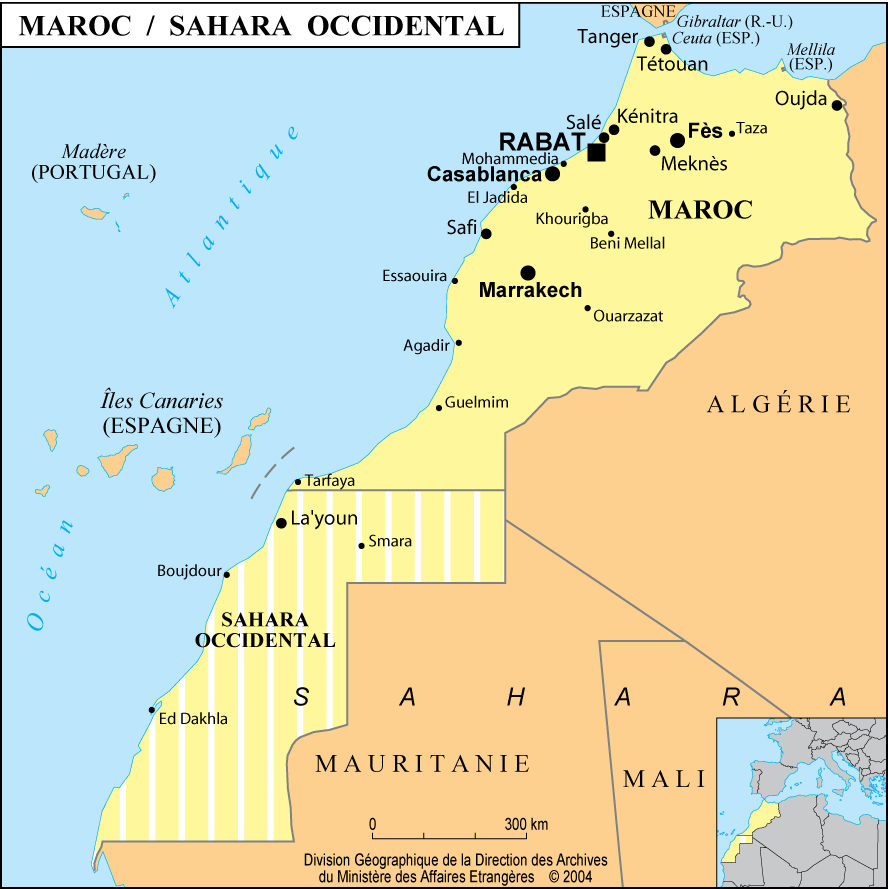
MAROC: l’une des richesses du roi, c’est le commerce international de la drogue (Narcotrafic).

Avatar de Marc FievetThe international informant

Maroc: révélations accablantes de l’ex-officier des services secrets marocainsVu ses révélations accablantes sur les vérités de la monarchie marocaine et ses services d’espionnage dans les enlèvements, la torture et le trafic de drogue, on vous présente la traduction intégrale de l’interview de l’ex-officier marocain des services secrets comme publiées dans le journal Echourouk “Echoroque”http://www.echoroukonline.com/ara/articles/209832.html

Quelles sont les raisons qui vous ont poussés à quitter les services secrets marocains, et quelles sont les tâches qu’on vous a consignés?

Maroc: révélations accablantes de l’ex-officier des services secrets marocainsTous d’abord je dois remercier le journal d’Echoroque et son équipage d’avoir offert cette occasion qui est rare dans mon pays bien-aimé à cause des pratiques sordides du Makhzen qui impose la censure contre toutes les voies libres qui demandent le changement, la liberté et la vraie démocratie.

Revenons à votre question, l’une des raisons qui m’a poussé à quitter les services secrets marocains est l’absence d’une loi qui encadre ces services et définit leur mission. Au même temps, il…

Voir l’article original 1 716 mots de plus

SPAIN: DEA, Spanish Police Bust Colombian Cocaine-Smuggling Gang

Spanish police working in cooperation with the U.S. Drug Enforcement Agency say they have arrested six members of a Colombian-based drug-trafficking gang and seized 240 kilograms (530 pounds) of cocaine that had been hidden inside a yacht.

According to Saturday’s police statement, their investigation  opened in April after police learned that a Spanish citizen based in Colombia was smuggling cocaine into Europe by sea.

Police say they raided three premises after the gang leader, his wife and four gang members from Colombia traveled to Spain as part of their latest cocaine-smuggling operation. The gang leader and his wife were arrested in Madrid, the four henchmen in the southwest province of Huelva.

The drugs were found concealed within the hull of the yacht at the Huelva port of A

SOURCE: http://latino.foxnews.com/latino/news/2014/08/24/dea-spanish-police-bust-colombian-cocaine-smuggling-gang/

0000000000000000000000000000000000000000000000

MIAMI NEWS (USA): Diego Perez Henao, colombian Narcotics Kingpin, sentenced to 360 Months in Prison

http://diarioadn.co/actualidad/colombia/extradici%C3%B3n-a-ee-uu-de-alias-diego-rastrojo-1.74146

August 6, 2014
Contact: Public Information Officer
Number: 954-660-4602

AUG 06 (MIAMI) – Mark R. Trouville, Special Agent in Charge, Drug Enforcement Administration (DEA), Miami Field Division, Wifredo A. Ferrer, United States Attorney for the Southern District of Florida, and George L. Piro, Special Agent in Charge, Federal Bureau of Investigation (FBI), Miami Field Office, announce that U.S. District Judge Patricia A. Seitz sentenced Diego Perez Henao, a/k/a “Diego Rastrojo,” 43, a Colombian national, to 360 months in prison. Perez Henao was also ordered to forfeit $1,000,000 to the United States.

Perez Henao had been indicted by a federal grand jury on February 8, 2011, and previously pleaded guilty on January 24, 2014, to a single count of conspiring with others to manufacture and distribute five or more kilograms of cocaine from 1993 until February 2011, knowing that the cocaine would be imported into the United States.

Perez Henao acknowledged that he was involved in the manufacture, investment or shipment of in excess of 81,100 kilograms of cocaine during the timeframe of his conspiracy.  He further acknowledged that he controlled numerous armed workers in his organization and used both airplanes and semi-submersibles to ship the cocaine north from South America to points in Central America and Mexico – en route to its eventual destination of the United States.

Following Perez Henao’s indictment, the U.S. Department of State offered a reward of up to $5 million for information leading to his capture. Perez Henao was ultimately captured by Venezuelan authorities in Venezuela on June 3, 2012. The Venezuelan authorities sent Perez Henao to Colombia, which in turn extradited Perez Henao on August 28, 2013, to the United States to face the current charges.

DEA Special Agent in Charge Mark R. Trouville stated, “Diego Perez Henao, one of the last leaders of the North Valley Cartel, was responsible for smuggling more than 80 tons of cocaine into the United States.  He used violence and intimidation to line his greedy pockets at the expense of his own people and had no regard for those who would consume this addictive poison. Today’s sentencing is a reminder that there is no place to hide, the DEA along with our domestic and international law enforcement partners will continue to pursue and prosecute those who engage in drug trafficking into our borders.”

“For over a decade, Perez Henao – one of the most powerful and prolific drug lords in recent history – controlled dozens of heavily-armed workers in his drug trafficking organization and oversaw the manufacture and distribution of over 80 tons of cocaine into the United States,”  said U.S. Attorney Ferrer. “Perez Henao will now spend the next three decades of his life in prison.  With this sentence, one of the largest cartel heads in Colombian history was brought to justice.”

“Diego Perez-Henao was a notorious, international drug kingpin who for years profited from the shipment and sale of illegal drugs,” said Ken Sena, Acting Assistant Special Agent in Charge, FBI Miami. “His illicit career was brought to an end through close cooperation with our law enforcement partners.”

The indictment of Perez Henao is the result of an ongoing Organized Crime Drug Enforcement Task Force (OCDETF) led by DEA and FBI. The principal mission of the OCDETF program is to identify, disrupt and dismantle the most serious drug trafficking, weapons trafficking and money laundering organizations, and those primarily responsible for the nation’s illegal drug supply.
This investigation was conducted by the DEA, FBI, the DEA Andean Region and their Colombian law enforcement partners. The case was prosecuted by the U.S. Attorney’s Office for the Southern District of Florida.

SOURCE: http://www.justice.gov/dea/divisions/mia/2014/mia080714.shtml

00000000000000000000000000000000000000000000000

BROOKLYN, N.Y.(USA): Leader of Maritime International Drug Transportation Organization Arraigned in Brooklyn

August 18, 2014
Contact: Public Information Officer
Number: 212-337-2906

The defendant allegedly transported thousands of kilograms of cocaine by boat and submarine

AUG 18 (BROOKLYN, N.Y.) – Earlier today, Jair Estupinan-Montano was arraigned at the federal courthouse in Brooklyn, New York, on charges relating to international narcotics trafficking. Estupinan- Montano was arrested in Panama on October 14, 2013, on a provisional arrest warrant issued from the Eastern District of New York.

The arraignment was announced by Loretta E. Lynch, United States Attorney for the Eastern District of New York, and James J. Hunt, Acting Special Agent in Charge, Drug Enforcement Administration (DEA), New York Division.

According to court filings, prior to his arrest, Estupinan-Montano was the leader of a narcotics trafficking organization responsible for transporting shipments of cocaine from Colombia to locations in Central America and Mexico for ultimate delivery to the United States. Estupinan-Montano allegedly worked closely with the violent “Los Rastrojos” drug trafficking organization, a paramilitary organization that employed hundreds of individuals and controlled drug trafficking along the Pacific coast of Colombia.

Estupinan-Montano was responsible for arranging boats and submarines that transported the cocaine from Colombia to other members of his organization in Central America, who then transported the cocaine north to be sold to Mexican cartels for eventual shipment to the United States. A detention memo filed today by the government details that, between 2010 and 2012, the United States Coast Guard seized two ships and a semi-submersible vessel that had been sent from Colombia by Estupinan-Montano. In total, those vessels contained over 7,200 kilograms of cocaine when they originally left South America.

“Evoking Jules Verne, the defendant Estupinan-Montano relied on boats and submarines to ferry his illegal cargo, and was an essential link in the flow of illegal narcotics from Colombia to the United States,” stated United States Attorney Lynch. “The illegal narcotics trade is a scourge, both in the United States and throughout the world. With the help of our international allies, we will continue to strike at those who enrich themselves off this violent industry wherever they are found.” Ms. Lynch thanked the New York Drug Enforcement Task Force, comprised of officers and agents of the DEA, New York City Police Department and the New York State Police; the DEA’s Bogota Country Office and Panama Express Task Force; the United States Coast Guard; the Department of Justice Office of International Affairs; and the Republic of Panama for their help in investigating and capturing Estupinan-Montano.

The defendant was arraigned this afternoon before United States Magistrate Judge Steven M. Gold at the federal courthouse in Brooklyn. The charges in the indictment are merely allegations, and the defendant is presumed innocent unless and until proven guilty.

The government’s case is being prosecuted by Assistant United States Attorneys Tyler Smith, Amir Toossi, Justin Lerer, and Robert Polemeni.

The Defendant:
Jair Estupinan-Montano
Age: 31
COLOMBIA

E.D.N.Y. Docket No. 12-CR-793 (SLT)

Dallas (USA): Dallas Man Sentenced to Serve 25 Years in Federal Prison on Drug Trafficking and Money Laundering Convictions

AUG 18 (DALLAS) —A Dallas man who pleaded guilty to felony offenses stemming from his role as a major participant in a marijuana distribution conspiracy operating in north Texas was sentenced this morning in federal court in Dallas, announced U.S. Attorney Sarah R. Saldaña of the Northern District of Texas.

Andres Hernandez, Jr., a/k/a “Gordo,” 34, was sentenced by U.S. District Judge Sam A. Lindsay to serve a total of 300 months in federal prison.  Hernandez pleaded guilty in September 2013 to one count of conspiracy to distribute 100 kilograms or more of marijuana and one count of money laundering.  Judge Lindsay sentenced him to 25 years on the drug conspiracy conviction and 10 years on the money laundering conviction, to run concurrently.

Hernandez and others were arrested on November 1, 2012, following a law enforcement operation led by the Drug Enforcement Administration (DEA) and the North Texas High Intensity Drug Trafficking Area (HIDTA) task force, during which federal search warrants were executed at various locations, including Hernandez’s residence on W. Colorado Blvd. in Dallas.  At his residence, law enforcement located approximately 20 pounds of marijuana, digital scales and a loaded firearm.  Hernandez has remained in custody since his arrest.
According to documents filed in the case, Hernandez admitted that on multiple occasions between January 2011 and the date of his arrest, he received multi-pound quantities of marijuana from several supply sources, including co-defendants Serviano Contreras, a/k/a “Seven” and “Junior,” 27, and Virgilio Espinosa Delacruz, a/k/a “Chaparro,” 41.  Hernandez admitted that he stored this marijuana both at his residence and at the residence of co-defendant Benicio Pena, Jr., a/k/a “Nene,” 63, on Lourdes Street in Dallas.  Contreras, Delacruz and Pena pleaded guilty to their respective roles in the conspiracy and are serving federal prison sentences of 48 months, 44 months, and 42 months, respectively.

Hernandez admitted that he routinely distributed multi-pound quantities of marijuana to co-defendants Jarvis Holmes, 43; Claudia Castillo, 21; Jerry Cardenas, 32; Lamont Morgan, 35; Roberto Lopez Delacruz, 27; and Paul Santoy, 28.  They each pleaded guilty to their roles in the conspiracy.  Holmes was sentenced to 51 months; Cardenas, 48 months; Morgan, 46 months; Roberto Delacruz, 16 months; and Santoy, 15 months.  Claudio Castillo is scheduled to be sentenced on November 17, 2014.

Hernandez further admitted that in March 2012, an individual purchased a parcel of land located in Barry, Texas, using $28,854 in cash provided by Andres Hernandez’s wife, Griselda Hernandez, 34. That same day, that individual deeded the property to Andres and Griselda Hernandez.  Andres Hernandez admitted that the cash used to purchase the property included drug proceeds.  Griselda Hernandez also pleaded guilty to her role in the conspiracy and was sentenced to 57 months in federal prison. Assistant U.S. Attorney Phelesa Guy was in charge of the prosecution.

SOURCE: http://www.justice.gov/dea/divisions/dal/2014/dal081814.shtml

000000000000000000000000000000000000000000000000000

Vermont (USA): Bunthan Sam Sentenced to 10 Years for Conspiracy to Distribute Heroin

Bunthan Sam Sentenced to 10 Years for Conspiracy to Distribute Heroin

AUG 18 (BURLINGTON, Vt.)- Michael J. Ferguson, Acting Special Agent in Charge of the Drug Enforcement Administration for New England and The Office of the United States Attorney for the District of Vermont stated that Bunthan Sam, 35, of Chicago, Illinois, was sentenced to 120 months in prison, having pleaded guilty to the charge of conspiracy to distribute at least 100 grams of heroin. United States District Judge William K. Sessions III, sitting in Burlington, also sentenced Sam to 4 years of supervised release.

Court records show that Sam, who went by the alias Adam or Taun, sold heroin in the Burlington area over a period of about two years. He obtained this heroin from suppliers in Chicago and Connecticut. Sam was arrested on the conspiracy charge in Chicago on July 24, 2013, and incarcerated thereafter.

Court records further show that Sam is a member of a larger group with ties to Chicago; Lowell, Massachusetts; and Connecticut that distributed an especially strong form of heroin in the Burlington area from about mid-2011 through the time of the arrest of Sam’s brother, codefendant Chandara Sam, on April 10, 2013. Chandara Sam, who went by the alias Po, was taken into custody in White River Junction, after selling approximately 40 grams of heroin to an individual cooperating with law enforcement. Some of the heroin sold by the conspiracy was known as Chi town or Chi, short for Chicago, and has caused several overdoses in the last several years. The Vermont State Police Drug Task Force began an investigation into Sam’s heroin ring in December 2011.

In January 2013, members of the Essex Police Department and the Drug Enforcement Administration arrested two individuals, Edward Chavin, also known as Tommy, and Christopher Nason in the Handy’s Suites in Essex. Chavin was found in possession of more than 100 grams of heroin. He and Nason were subsequently indicted for conspiracy to distribute 100 grams or more of heroin, and both have pleaded guilty. The Handy’s Suites raid occurred following a heroin overdose in a nearby room. Investigation revealed that Chavin, Nason, and the Sams were part of the same heroin ring, and that Chavin had been transporting heroin from Chicago to the Burlington area for nearly a year prior to his arrest.

In early June 2014, one of conspiracy leaders, codefendant James Nastri, of Deep River, Connecticut, was convicted of conspiracy to distribute at least 100 grams of heroin following a jury trial before Judge Sessions in Burlington.

Court records further reveal that Bunthan Sam possessed handguns at various points during the Vermont heroin trafficking conspiracy. Sam also has a criminal history that includes numerous prior felony offenses, violent offenses, and several instances of unlawful weapons and firearms activity.

For his crime, Sam faced a maximum penalty of 40 years in prison. In sentencing Sam, Judge Sessions noted the devastating impact heroin has had on Vermont communities, citing specifically the potency of the heroin Sam sold. Judge Sessions further noted that Sam had continued to sell heroin after learning that a person had overdosed on the Chi-town heroin and after Lowell, Massachusetts police pulled him over and seized a firearm from his vehicle, resulting in a felony charge.

The investigation was a collaborative effort of the Vermont State Police Drug Task Force; the Drug Enforcement Administration; the Bureau of Alcohol, Tobacco, Firearms, and Explosives; the Essex, Burlington, and South Burlington Vermont Police Departments; and the Lowell, Massachusetts Police Department.

SOURCE: http://www.justice.gov/dea/divisions/bos/2014/bos081814.shtml

000000000000000000000000000000000000000

DEA reports ‘big’ heroin bust in Salt Lake Valley

DEA(KUTV) The Drug Enforcement Administration said it was hidden in soles of shoes, pop-up car cup holders—but now, 31 pounds of heroin linked to a Mexican drug cartel are no longer headed to feed Utah addictions.

« This is a big deal, » said Nicki Hollmann, DEA Assistant Special Agent in Charge for Utah.  « There are significant supplies of heroin coming into Utah than were coming in a decade ago. »

°°°°°°°°°°°°°°°°°°°°°°°°°°°°°°°

SALT LAKE CITY — Federal drug agents have seized 31 pounds of heroin and more than 21 suspects have been arrested in a series of drug busts across the Salt Lake Valley.

The busts have put a dent in the drug trade and importation of heroin in Utah, the U.S. Drug Enforcement Administration said at a Thursday news conference.

“There are significant drug trafficking organizations operating from Mexico and our southern borders and supplying Utah with significant amounts of heroin,” said Nicki Hollmann, the assistant special agent-in-charge of the DEA.

The busts were carried out across the valley from February until now with a majority of the arrests being made in April.

Salt Lake County District Attorney Sim Gill said charges for those arrested ranged from drug distribution to racketeering.

more: http://fox13now.com/2014/08/21/31-lbs-of-heroin-seized-in-major-drug-bust-in-the-sl-valley/

0000000000000000000000000000000000000000000

La guerre à la drogue et la DEA : le gâchis d’argent public par excellence. Mais, si l’on cesse ces inepties gouvernementales, à quoi les occupera-t-on ces budgétivores?

DEALa guerre à la drogue et la DEA : le gâchis d’argent public par excellence

Publié le 20 août 2014 dans Amérique du Nord

Par Kevin Saab.

De nombreux éditorialistes de Contrepoints ont déjà démontré en long et en large la futilité du plan gouvernemental de Guerre à la Drogue actuellement en place aux États-Unis (cf ici, ici). J’aimerais cependant prendre le temps de démontrer encore une fois au lecteur dubitatif, en faisant appel à son bon sens de contribuable, pourquoi une telle approche prohibitive n’est qu’un gigantesque bûcher d’argent public.

Pour ce faire, plongeons sans tarder dans les dossiers de la Drug Enforcement Administration (DEA), la fameuse agence fédérale créée par Nixon en 1973 pour chapeauter le programme de Guerre à la Drogue (« War on Drugs » en version originale).

Dotée de 2,867 milliards de dollars de budget et de 11 025 employés pour 2014, la DEA pointe allègrement à 260 000 dollars de dépenses par employé. Un chiffre difficilement justifiable au vu des résultats obtenus. Ainsi de 2005 à 2013, la DEA affirme avoir saisi des actifs et des drogues ayant causé aux trafiquants des pertes de 25,7 milliards de dollars. C’était sans oublier les lois les plus basiques de l’économie et la relation entre le prix, l’offre et la demande. Pour faire simple, à chaque fois que la DEA crée 1 $ de perte marchande au gang A en saisissant sa marchandise, le gang B se frotte les mains en voyant disparaître un concurrent sans avoir à tirer un coup de feu, une fois n’est pas coutume dans ce milieu, avant de saisir la balle au bond et de venir combler le vide. Si les coups de filet se multiplient et que l’offre vient réellement à se tendre un peu plus, on peut potentiellement assister à une augmentation des prix et à une baisse des consommateurs potentiels. Sans vouloir entrer dans un débat technique d’économiste sur l’élasticité de la demande de drogue en fonction du prix, on peut aisément comprendre qu’il est naïvement simpliste d’affirmer que causer 25,7 milliards de pertes à certains trafiquants, revient à causer 25,7 milliards de pertes à tous les trafiquants, loin de là.

flic credits Elvert Barnes (licence creative commons)

Pour atteindre ce montant de saisies entre 2005 et 2013, la DEA a dépensé sur la période près de 23,2 milliards de dollars. Bref, pour chaque $1 dépensé, la DEA a à peine stoppé $1,11 de revenu aux trafiquants. Une efficacité douteuse pour une agence gouvernementale qui broie à elle-seule près de 3 milliards de dollars par an.

Enfin, selon l’inventaire du très sérieux Cato Institute, les dépenses annuelles totales, locales et fédérales, résultant de la lutte contre la drogue totalisaient pas moins de 41,3 milliards de dollars en 2010. À l’heure où les États-Unis attendent (encore) un déficit d’environ 500 milliards cette année, il est vraiment temps de tirer une croix sur cet (autre) héritage coûteux et inutile de l’ère Nixon qu’est la « Guerre à la Drogue ».

source/ https://www.contrepoints.org/2014/08/20/177593-la-guerre-a-la-drogue-et-le-dea-le-gachis-dargent-public-par-excellence

00000000000000000000000000000000000000000000

BELGIQUE: Ali Koleilat Dalbi, trafiquant de drogue, attend depuis 6 mois son extradition vers les USA

La chambre du conseil de Bruxelles a prolongé mardi le mandat d’arrêt d’Ali Koleilat Dalbi.

L’homme est connu sous six alias différents et dispose de deux passeports libanais, un passeport vénézuélien, libérien et néerlandais. Selon ces différents passeports, il serait né en 1970 ou 1963. Il est en outre considéré comme un dangereux trafiquant de drogue et d’armes qui entretiendrait des liens avec le Hezbollah, un groupe terroriste libanais. Les Etats-Unis demandent son extradition, ainsi que celle de son frère Zakaria

Ali Koleilat Dalbi a été arrêté le 4 février dernier à l’aéroport de Zaventem (Brussels Airport) et a ensuite été entendu par le juge d’instruction Calewaert. Son arrestation s’est produite sur base d’un mandat d’arrêt international émis par les autorités judiciaires de l’état américain de New York. La Drug Enforcement Administration (DEA), le service de police fédéral américain chargé de la mise en application de la loi sur les stupéfiants, considère en effet Ali Koleilat comme étant des suspects principaux d’un transport de 1.100 kilos de cocaïne qui avait été intercepté en 2011 en République dominicaine. La drogue était dissimulée dans un jet privé qui était sur le point de s’envoler vers l’aéroport de Deurne, près d’Anvers.

En 2007, Koleilat avait déjà été condamné aux Pays-Bas pour un trafic de voitures de luxe volées qui étaient vendues depuis la Belgique et les Pays-Bas à de hauts fonctionnaires africains. Les liens qu’entretient Koleilat avec les Pays-Bas vont encore plus loin puisque sa sœur Siba, est l’épouse du criminel néerlandais Robert Mink Kok. En 2013, ce dernier a été condamné au Liban à 8 ans de détention. Il avait en effet été intercepté en 2011 avec 53 kilos de cocaïne à la station balnéaire de Kaslik. Kok avait déjà été condamné en 1996 et en 2000 par la justice néerlandaise pour son implication dans un vaste trafic d’armes et de drogue. Trois grands entrepôts d’armes ont été découverts à Amsterdam en 1994 et 1999, et sont tous liés à Kok.

Le beau-frère de Koleilat est également impliqué dans la vente d’armes. Son entreprise Kleilat Group Corporation (KGC) a livré en 2002 un important arsenal composé d’hélicoptères (MI-17), des missiles antichars (RPG-7) et de missile surface-air (SAM’s). Le commanditaire était officiellement l’armée ivoirienne mais d’après un panel d’experts du Conseil de sécurité de l’ONU, les armes étaient en fait destinées à l’ancien dictateur libérien Charles Taylor.

En 2003, Koleilat aurait procuré à Taylor un Boeing 727 afin de l’aider à s’enfuir au Nigéria et aurait maintenu des contacts avec lui jusqu’en 2009. En 2013, Taylor a été condamné à 50 ans de réclusion pour crimes de guerre et crimes contre l’humanité. Le Conseil de sécurité de l’ONU a fait geler en 2006 les avoirs de Koleilat en raison de ses liens avec Charles Taylor. Koleilat a toujours nié avoir livré des armes à Taylor et les sanctions du Conseil de sécurité ont été levées en 2010. Le Libéria n’était pas le seul pays d’Afrique de l’Ouest où Ali Koleilat a opéré. Deux généraux de l’armée de la Guinée-Bissau ont été arrêtés en avril 2013 lors d’une opération menée par la DEA en raison du rôle qu’ils avaient joué dans le réseau de drogue du Libanais. La DEA est en outre convaincue que Koleilat entretient des liens étroits avec le Hezbollah.

La comparution de Koleilat devant la chambre du conseil ce mardi, s’est faite sous haute surveillance. Koleilat a été en permanence escorté par six membres des unités spécialisées dans les transferts de la police fédérale (Gotts), tous équipés de gilets pare-balles. Deux véhicules banalisés de la direction des unités spéciales du Commissariat général (CGSU) se trouvaient également aux abords du palais de Justice de Bruxelles. La chambre du conseil a prolongé le mandat d’arrêt de Koleilat d’un mois mais n’a pas encore rendu de décision concernant son extradition vers les Etats-Unis.

Ali Koleilat est loin d’être le seul membre de sa famille connu de la justice. En mars 2013, le tribunal de Bordeaux a en effet condamné Yehia Kleilat Delbi en Nagi Koleilat, deux autres membres de sa famille, à 8 et 5 ans de prison ainsi qu’à une amende de 1.213.050 euros pour les rôles de premier plan qu’ils avaient tenu dans une opération de blanchiment d’argent provenant d’un trafic de drogue entre l’Amérique latine et le Moyen-Orient, via l’Allemagne, les Pays-Bas, la Belgique et la Grande-Bretagne. Lors de son procès, Yehia Kleilat avait par ailleurs affirmé avoir acquis sa fortune en travaillant pour le dictateur libérien Charles Taylor.

Enfin, Zakaria, le frère d’Ali Koleilat, est actuellement incarcéré en Belgique dans l’attente de son extradition vers les Etats-Unis. En mai dernier, une équipe de la police fédérale l’a arrêté dans un hôtel anversois. Son arrestation s’est faite sur base d’une demande des Etats-Unis qui avaient Zakaria depuis longtemps dans le collimateur. D’après la DEA, il serait impliqué dans des opérations de blanchiment de fonds provenant d’un trafic de drogue entre Amsterdam, New York et le Nigeria. Zakaria Koleilat était également sur le point de mettre en place un trafic de cocaïne entre la Colombie et le Bénin, à destination de l’Europe et des Etats-Unis. Le mandat d’arrêt de Zakaria Koleilat a été prolongé le 8 août dernier par la chambre du conseil d’Anvers mais il a interjeté appel et comparaîtra prochainement devant la chambre des mises accusation.

SOURCE: http://www.lavenir.net/article/detail.aspx?articleid=dmf20140820_00516202

000000000000000000000000000

Drug trafficking: 6 suspects arrested at Panama border with cocaine, drugs and DEA vests

Drug trafficking

Zach Dyer

Costa Rican police arrested six men near the country’s southern border with Panama with cocaine, guns and four vests bearing the initials of the U.S. Drug Enforcement Administration, according to a statement Sunday.

At a press conference Monday morning, Public Security Minister Celso Gamboa said authorities found 121 kilograms of packaged cocaine and several guns in a white van transporting three Panamanians in the possession of four vests bearing the letters “DEA.” Inside the van, police also found emergency response sirens. The minister said the Panamanian suspects appeared to have stolen the drugs and possibly the weapons from two Costa Rican suspects, a father and son with the last names Campos Morales and Campos Torres, respectively, who were found beaten in a truck in Cuervito, Puntarenas. The two Costa Rican men also were taken into custody.

National Police stopped the van in La Cuesta, Puntarenas, near the Panamanian border. As police approached, the suspects began throwing packages of cocaine out of the vehicle’s windows. Along with the cocaine, police discovered 10 weapons, including several 9 mm pistols and submachine guns.

A sixth suspect, whose nationality police did not name, was arrested later in Panama, according to an updated statement from the ministry.

The vehicle was taken to Paso Canoas for further investigation. The suspects have been handed over to the Prosecutor’s Office.

source/ http://www.ticotimes.net/2014/08/18/6-suspects-arrested-at-panama-border-with-cocaine-drugs-and-dea-vests

000000000000000000000000000000000000000000000000

Ex capos del narcotráfico (Gilberto y Miguel Rodríguez Orejuela) en Estados Unidos, a declarar en caso Galán

BOGOTÁ
15 de Agosto de 2014 01:43 pm

Una comisión de la Fiscalía General de la Nación viajará en los próximos días a Estados Unidos para tomar la declaración de los hermanos Gilberto y Miguel Rodríguez Orejuela, excapos del Cartel de Cali, y de Jorge Luis y Fabio Ochoa, excapos del Cartel de Medellín, dentro de la investigación que se adelanta por el homicidio de Luis Carlos Galán.

« No hay una tesis de la participación de jefes del narcotráfico en este homicidio. Sin embargo, testigos que están colaborando nos han dado indicios para escucharlos, por eso se les tomará la declaración ». Así lo señalo Ninfa Azucena Correa, fiscal especializada de la Unidad de Análisis y Contextos.

Además anunció que el próximo 22 de octubre iniciará el juicio en contra del mayor (r) Luis Felipe Montilla, excomandante de Policía de Soacha y el coronel (r) Manuel Antonio González, jefe en su momento de la Oficina de Orden Público del DAS, como coautores de homicidio agravado.

También se tendrá en cuenta la declaración de más de 20 testigos dentro de la etapa de juicio, entre ellos estarán el vicepresidente Germán Vargas Lleras, quien el día del homicidio acompañaba a Galán; José Herchel Ruiz, fotógrafo de la campaña; la periodista Olga Behar y exmiembros de la Policía de Cundinamarca. Estos últimos, investigados por el delito de coautores de homicidio agravado, son: José Ignacio Aguillón, Gentil Vidal Sarria y Guillermo Correa Cortés, entre otros testimonios.

El ente investigador reveló, además, que se encuentran en indagación preliminar para determinar la responsabilidad de la plana mayor de la Policía de Cundinamarca para la época de los hechos.

La Fiscalía tiene tres líneas de investigación sobre el crimen de Galán: una sobre narcotráfico y paramilitares, otra de orden político y, por último, una denominada Agentes del Estado que desviaron la investigación.

FUENTE: http://www.eluniversal.com.co/colombia/ex-capos-del-narcotrafico-en-estados-unidos-declarar-en-caso-galan-167779

Exnarcotraficantes extraditados declararán en caso de Luis Carlos Galán

El magnicidio de Luis Carlos Galán se registró el 18 de agosto de 1989, durante un mitín político en Soacha, Cundinamarca.

Elpaís.com.co I Colprensa

000000000000000000000000000000000000000

La Russie aidera à conserver une base anti-narcotique en Afghanistan

La Russie aidera à conserver une base anti-narcotique en Afghanistan

Par La Voix de la Russie | Selon les médias, les Américains réduisent le financement de la base de la police anti-narcotique dans la province afghane de Kuduz.

Or, le personnel ne sera pas abandonné à son sort. Le Service fédéral de contrôle des stupéfiants entend leur prêter concours. Le Service est en train d’élaborer un programme d’assistance à l’Afghanistan, a dit à notre correspondant son directeur Viktor Ivanov :

« Il sera fondé, explique Ivanov, sur des mesures concrètes en vue de conserver et d’élever l’efficacité du fonctionnement de la base anti-narcotique au Kunduz. Leur application rendra plus efficaces les efforts visant à détruire les narco-laboratoires au Badakhchan où il y en a près de 2000. »

La Russie entend accorder à ces fins les moyens nécessaires. Il est prévu d’organiser dans plusieurs établissements d’enseignement des cours de recyclage pour le personnel du centre anti-narcotique au Kunduz.

La plupart des habitants du Badakhchan sont entraînés dans la culture du pavot à opium et la fabrication d’héroïne et d’autres stupéfiants. C’est un phénomène très dangereux qui a, cependant, une alternative favorable, affirme Viktor Ivanov.

« C’est l’aménagement d’une zone de plantation de cultures alimentaires sur le territoire du Badakhchan. Il est nécessaire d’offrir à la province la possibilité de satisfaire les besoins de l’Afghanistan en produits les plus nécessaires. Il faut détourner les paysans et d’autres habitants du Badakhchan de la fabrication de stupéfiants et d’opium. »

Le Badakhchan a sans doute besoin d’assistance et la Russie se montre disposée à la prêter.

Le programme russe d’assistance suppose la construction à Kaboul et le financement d’un centre cynologique de la police anti-narcotique d’Afghanistan. L’absence d’un tel centre rend les activités des narco-policiers locaux moins efficaces.

Il n’existe pas de centre de réhabilitation pour les dépendants des stupéfiants. Le programme russe suppose l’institution d’un tel centre.

Des programmes analogues sont déjà réalisés au Tadjikistan et en Kirghizie. Les partenaires entreprennent plus souvent les opérations conjointes.

Les services anti-narcotiques russes et afghans ont accumulé une riche expérience en la matière. Il suffit d’évoquer l’action conjointe engagée le 14 mai au Badakhchan d’où l’héroïne et d’autres stupéfaits sont expédiés au Tadjikistan et par la suite en Russie. Pus de 300 kilogrammes d’opiats et plus de huit tonnes de précurseurs ont été alors confisqués. /N


Lire la suite: http://french.ruvr.ru/2014_08_13/La-Russie-aidera-a-conserver-une-base-antinarcotique-en-Afghanistan-7004/

0000000000000000000000000000000000000000000000000000000

DEA: Major Heroin Distribution Ring Dismantled in Onondaga County, NY

DEAAugust 13, 2014
Contact: Public Information Officer
Number: 212-337-2906

AUG 13 (SYRACUSE, N.Y.) – Onondaga County District Attorney William J. Fitzpatrick and DEA Resident Agent in Charge, Ed Duffy announced today the conclusion of a major heroin investigation.  The investigation was conducted by the DEA High Intensity Drug Trafficking Area of Central New York (HIDTA).   HIDTA Force members include the DEA, the Onondaga County District Attorney’s Office, the Onondaga County Sheriff’s Office, the U.S. Marshals Service, the NY National Guard Counter Drug Program and the Syracuse Police Department.  The HIDTA Task Force is currently designated the “CNY HIDTA Heroin Strike Force.” Its main focus is to stop the influx of heroin into the region.

This was a yearlong investigation of a heroin trafficking organization centered in Syracuse, NY.  The main target was Calvin Marshall, who along with several other co-conspirators, were trafficking large quantities of heroin from New Jersey into Central New York.  Thus far this investigation has resulted in 19 arrests with estimated seizures of $100,000 in currency and property, 10,000 packets of heroin totaling approximately 13 ounces, and a handgun.

The defendants were arrested pursuant to warrants issued out of Onondaga County Court and will be prosecuted by the Onondaga County District Attorney’s Office.  The following individuals were arrested yesterday, Tuesday August 12, 2014, in a coordinated raid by members of the HIDTA Task Force

Marshall, Calvin of 207 Hier Ave. Syracuse, NY
-Operating as a Major Trafficker
-Conspiracy 2nd degree
-Conspiracy 4th degree
-Criminal Possession of a Controlled Substance in the 2nd degree
-Criminal Possession of a Controlled Substance in the 3rd degree

Stone, Robert A. of 2941 Rt. 41 Cincinnatus, NY
-Conspiracy 4th degree
-Criminal Possession of a Controlled Substance in the 3rd degree

Rodriguez, Samuel H., of 1656 State Street (Left) Watertown, NY
-Criminal Possession of a Controlled Substance in the 3rd degree
-Conspiracy in the 4th degree

Todd, Jeremy R. of 310 Idlewood Blvd. Baldwinsville, NY arrested at 555 S. State St. Syracuse, NY
-Criminal possession of a Controlled Substance in the 3rd degree
-Conspiracy 4th degree

Carducci, Douglas T. of 2007 W. Genesee St. #1 Camillus, NY
-Conspiracy in the 4th degree

Townsend, Anthony F. of 127 Green St. #1 Syracuse, NY
-Conspiracy in the 4th degree

Five defendants remain at large and arrest warrants for these five individuals have been issued.

Eight defendants have already pleaded guilty in Onondaga County Court. They are:

Eric Williams– pleaded to Criminal Possession of a Controlled Substance in the Third Degree (2 counts) and Criminal Possession of a Controlled Substance in the Seventh Degree (2 counts). He was sentenced to four year determinate State Prison sentence-he also pleaded to a second indictment for Criminal Sale of a Controlled Substance in the Third Degree, Criminal Possession of a Controlled Substance in the Third Degree and was sentenced to an eight year determinate State Prison sentence to run concurrently with the first sentence imposed.

Bennie Smith– pleaded to Criminal Possession of a Controlled Substance in the Third Degree and was sentenced to an eight year determinate State Prison sentence

Walter Brown– pleaded to Criminal Possession of a Weapon in the Second Degree and he received an eight year determinate State Prison sentence

Shawn Dunnell- pleaded to Criminal Possession of a Controlled Substance in the Third Degree and Criminal Possession of a Controlled Substance in the Fourth Degree. He was sentenced to a three year determinate State Prison sentence.

Joseph Rolfe pleaded guilty to Criminal Possession of a Controlled Substance in the Third Degree (intent to sell), Criminal Possession of a Controlled Substance in the Third Degree (weight over one-half ounce), and Criminal Possession of a Controlled Substance in the Seventh Degree.  He received a three year determinate State Prison sentence.

Vanessa Santiago pleaded guilty to Criminal Possession of a Controlled Substance in the Third Degree and was sentenced to a two year determinate State Prison sentence.

Shawn Cox entered a guilty plea to Criminal Sale of a Controlled Substance in the Third Degree and received a two year determinate State Prison sentence.

Joseph Teta– entered a guilty plea to Criminal Sale of a Controlled Substance in the Third Degree (three counts), Criminal Possession of a Controlled Substance in the Third Degree (three counts) and Criminal Possession of a Controlled Substance in the Seventh Degree (three counts). His case is still pending.

“This investigation and the arrests announced today will not end our efforts to stop the influx of heroin in the Syracuse area,” District Attorney Fitzpatrick said.  “The HIDTA task force is an outstanding example of how collaboration and coordination by federal, state and local law enforcement can put a serious dent in narcotics trafficking. We will continue to work together with our partners to end the proliferation of heroin into this community,” Fitzpatrick added.

« These arrests signal a united effort by law enforcement to deny sanctuary to those who sell drugs or guns, » said DEA Acting Special Agent in Charge James J. Hunt. « Residents of the Onondaga County deserve a safe, drug-free place to live and play, and today they are closer to that reality. »

SOURCE: http://www.justice.gov/dea/divisions/nyc/2014/nyc081314.shtml

000000000000000000000000000000000000000000000000
Radares contra la coca

Nezavisimaya Gazeta

12:22 14/08/2014
Moscú, 14 ago (Nóvosti).
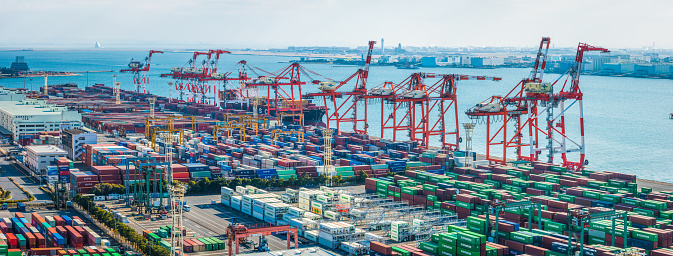
Las autoridades de Bolivia y Perú acordaron instalar en la frontera hasta diez radares, probablemente de fabricación rusa, para luchar contra el narcotráfico. Rusia está dispuesta a participar, pues no oculta su inquietud por el aumento del tráfico de cocaína proveniente de América Latina, escribe Nezavisimaya Gazeta.

La prensa latinoamericana indica que Bolivia y Perú firmarán el acuerdo correspondiente en octubre. Se estima que en el territorio peruano se colocarán cinco o seis radares y en el boliviano, tres o cuatro.

Según los policías, los intentos de EEUU de eliminar el narcotráfico y destruir los cultivos de coca en Colombia hicieron que la producción se desplazara hacia Perú y Bolivia. Según la policía peruana, el 95% de la droga que sale del país en aviones pequeños va al territorio boliviano. En lo que va de año fueron interceptadas 16 aeronaves con más de 1,5 toneladas de cocaína a bordo.

Es probable que Perú adquiera los radares en Rusia puesto que la colaboración militar entre ambos países comenzó hace 40 años y los peruanos conocen bien los equipos rusos.

La semana pasada el jefe del Comité Antidroga ruso, Víctor Ivanov, visitó varios países latinoamericanos para estrechar la colaboración a causa de un brusco incremento del tráfico de la cocaína desde la región a Rusia. Según las fuerzas del orden, al año los narcotraficantes intentan hacer llegar por mar y aire entre 200 y 300 toneladas de esta droga a Rusia y otros países europeos donde el precio de un gramo se eleva a 150 dólares.

© RIA Novosti.

El presidente de Rusia, Vladímir Putin, también abordó el problema del narcotráfico durante su reciente visita a América Latina.

La región es la segunda productora de drogas después de Afganistán y los policías locales consiguen interceptar solo el 30% de los estupefacientes. Para mejorar la situación, los especialistas rusos abrieron en 2012 cursos de formación profesional en Nicaragua y Perú donde el año pasado estudiaron más de 230 oficiales.

Además, los servicios antidroga rusos realizan operaciones conjuntas con sus colegas de Perú, Nicaragua, El Salvador, Honduras, Costa Rica y otros países.

Fuente: http://sp.ria.ru/revista_de_prensa/20140814/161275109.html

0000000000000000000000000000000000000000000000000000

More Than 3,000 Marijuana Plants Seized In San Bernardino County

US and Gibraltar exchange of information agreement entered into force

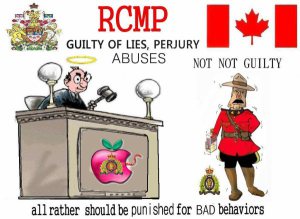
La Justice canadienne…ou les tartuffes en action!

Avatar de Marc FievetThe international informant

La demande de révision de Marc Fievet AKA NS 55 DNRED

RCMP

La réponse de Maître Eric CLEMOT, LL.D. Avocat, Ministère de la Justice du Canada, Groupe de la révision des condamnations criminelles, 284, rue Wellington (222 Queen, 11ième étage -OTTAWA, Ontario – K1A OH8) pour rejeter ma demande de révision.

Vous prétendez aujourd’hui que vous agissiez à l’époque en qualité d’informateur des Douanes dans la lutte que se livrait l’Etat français contre le trafic de stupéfiants. Vous dites que vous avez été recruté en 1988 par le D.N.R.E.D. et que vous étiez enregistré sous le N° : NS 55. Vous avez commencé à travailler pour les Douanes françaises le 5 mai 1988. Vous n’étiez pas un agent des douanes et étiez rémunéré pour toute information menant directement à une poursuite judiciaire. Vous prétendez que vous étiez à l’époque en contact avec les autorités douanières jusqu’à une date antérieure à votre…

Voir l’article original 6 571 mots de plus